
 Anteprima in scala reale
 Condividi
 Condividi
 Dettagli

 Scarica immagine
 Articoli simili
 Radiografia
 Slideshow
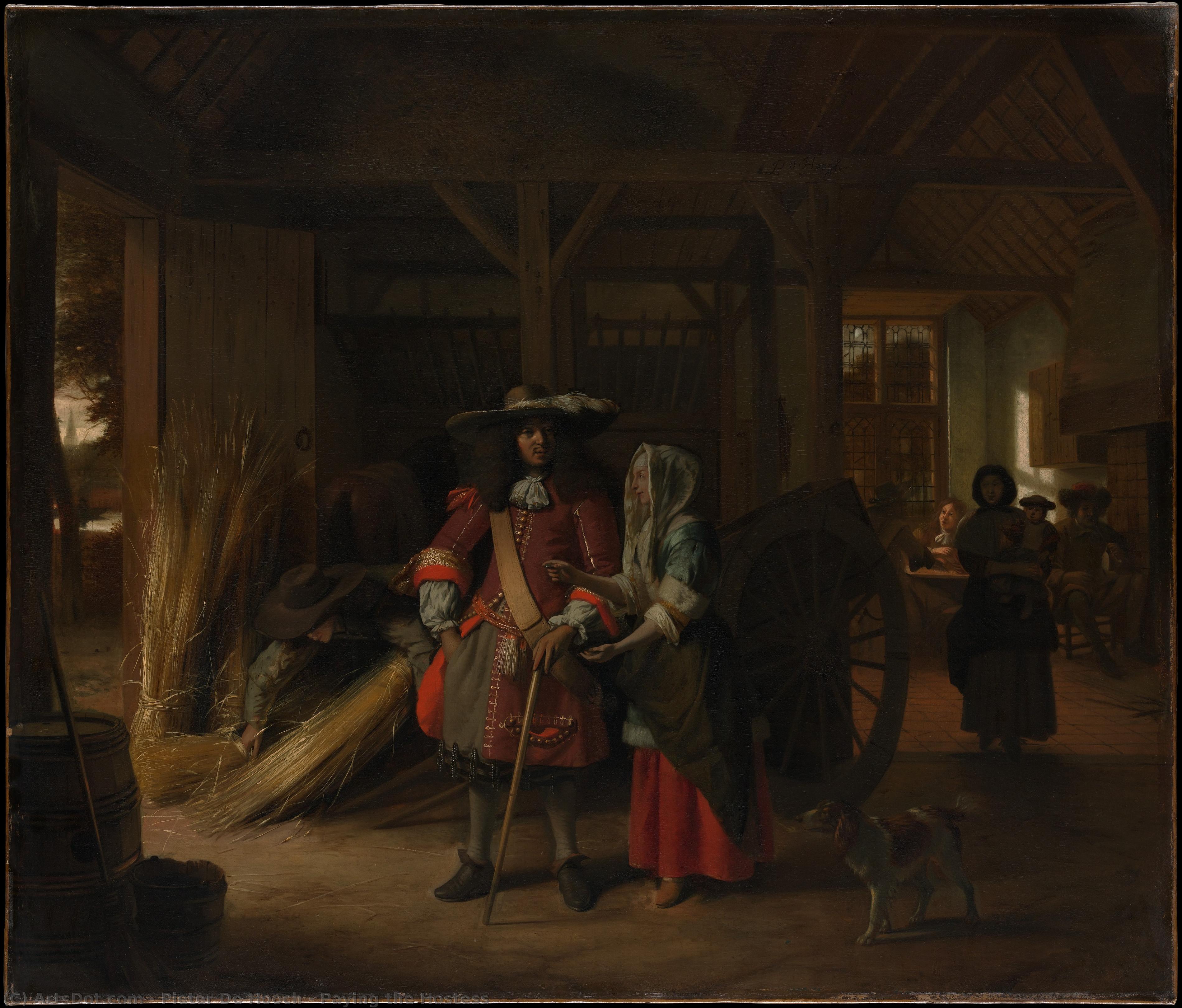
Paying the Hostess
 Oil On Canvas
- WallArt
- Baroque
 1670
1670 95.0 x 111.0 cm
 Metropolitan Museum of Art
 Leggi tutto
Acquista un'immagine digitale ad alta risoluzione e ottimizzata, di qualità nettamente superiore all'anteprima online.
Ogni file è meticolosamente preparato dai nostri specialisti interni attraverso l'uso di strumenti avanzati e un sapiente ritocco manuale. Garantiamo che ogni immagine presenti una chiarezza eccezionale, una precisione cromatica impeccabile e dettagli raffinati.
Il file finale viene consegnato via e-mail entro 72 ore, ottimizzato per un uso immediato in contesti professionali, editoriali e di stampa. Si tratta della stessa qualità affidata ai più prestigiosi studi di design, editori e gallerie d'arte.
Immagine Digitale
Scarica un file ad alta risoluzione per uso personale, per la stampa e per progetti creativi. ( Ordina stampa Ordina la riproduzione dipinta a mano)
Incluso in ogni acquisto di immagini digitali
Consegna digitale professionale e garantita
Quando scegli OriginalUniqueArt.com, non riceverai solo un'immagine: riceverai un'opera d'arte digitale professionalmente ottimizzata, realizzata con la massima precisione e accompagnata da una garanzia di soddisfazione. Ecco tutto ciò che include il tuo ordine, automaticamente:

Consegna rapida via email
Riceverai il file dell'immagine digitale ad alta risoluzione via email entro 72 ore dall'ordine, pronto per un uso immediato.

File digitale potenziato dall'IA
La tua opera d'arte viene ottimizzata professionalmente attraverso l'uso di strumenti avanzati di intelligenza artificiale e una revisione manuale, garantendo il massimo livello di dettaglio, nitidezza e accuratezza cromatica.

Riconsegna gratuita a vita
Hai eliminato o perso accidentalmente il tuo file? Non preoccuparti: te lo invieremo di nuovo in qualsiasi momento, gratuitamente.

Nessun costo di importazione, mai
Goditi la tua opera d'arte istantaneamente senza costi doganali, dazi o spese di spedizione: i download digitali sono sempre esenti da tasse.

Garanzia di fedeltà cromatica
Garantiamo che la tua immagine digitale rifletta i colori originali con la massima fedeltà, grazie all'uso di strumenti professionali e a una gestione accurata del colore.

Garanzia soddisfazione 60 giorni
Se non sei soddisfatto della tua immagine digitale, la revisioneremo o ti rimborseremo il 100% entro 60 giorni, senza domande.

Garanzia di rimborso al 100%
Non sei soddisfatto? Ricevi un rimborso completo entro 60 giorni dal ricevimento del tuo file digitale, senza dover fornire spiegazioni.

Sconti per ordini multipli
Acquista 3 immagini, risparmia il 10% - Acquista 5, risparmia il 15% - Acquista 10+, risparmia il 20%. Ideale per progetti creativi, gallerie e agenzie.
Descrizione del collezionabile
A Quiet Moment in Delft: Pieter de Hooch’s “Paying the Hostess”
Pieter de Hooch's "Paying the Hostess," painted around 1670, isn’t merely a depiction of a transaction; it’s a masterful distillation of Dutch Golden Age life—a fleeting glimpse into the subtle social dynamics and quiet elegance of a Delft inn. The painting immediately draws the eye with its luminous quality, achieved through de Hooch's signature use of light and shadow, creating an atmosphere both intimate and subtly charged. It’s a scene brimming with unspoken narratives, inviting viewers to become silent observers of this private moment within a bustling world. De Hooch was a pivotal figure in the Delft School of painting, known for his ability to capture the essence of domestic life—not grand portraits or heroic scenes, but rather the everyday rituals and interactions that shaped the lives of the burgeoning middle class. His work stands apart through its remarkable realism, capturing not just appearances but also the nuances of human behavior and the play of light on surfaces.The Composition: A Dance of Observation
The composition itself is a testament to de Hooch’s skill. The scene unfolds within what appears to be a modest inn yard—a space simultaneously public and private. A smartly dressed gentleman, likely a wealthy merchant or official, stands poised before a young woman, presumably the hostess, as she presents him with a bill. Their hands are subtly overlapping, creating an immediate visual tension – a delicate dance of negotiation and perhaps even flirtation. The background is deliberately blurred, populated by other patrons engaged in their own conversations and activities—a lively tableau that hints at the inn’s vibrant atmosphere without distracting from the central drama. Notice how de Hooch uses architectural details—the rough-hewn beams of the barn, the simple wooden furniture, the straw bales – to ground the scene in a tangible reality. The placement of figures within the space is carefully considered, creating depth and guiding the viewer’s eye through the composition.Technique and Style: Light, Shadow, and Texture
De Hooch's technique is characterized by its meticulous attention to detail and his masterful manipulation of light. He employed a technique known as *chiaroscuro*, using strong contrasts between light and shadow to create a sense of volume and drama. The light streams in from the open doorway on the left, illuminating the figures and casting long shadows across the yard, adding depth and atmosphere. The artist’s brushwork is remarkably subtle—a delicate layering of paint that creates a rich texture without sacrificing clarity. You can almost feel the roughness of the wooden surfaces, the warmth of the straw bales, and the softness of the fabrics. This textured approach adds to the painting's realism and invites close inspection. The use of muted colors – browns, grays, and ochres – further enhances the sense of atmosphere and contributes to the painting’s overall mood.Symbolism and Context: A Glimpse into Dutch Society
“Paying the Hostess” offers a fascinating window into 17th-century Dutch society. The scene is not simply about settling an account; it's laden with symbolic meaning. The overlapping hands of the couple suggest a complex interplay of power, attraction, and social expectations. In Dutch art of this period, such interactions often carried connotations of flirtation and even illicit desire – a subtle commentary on the constraints and freedoms of the time. The presence of other guests in the background underscores the importance of social interaction within the community. The inclusion of the delivery boy with sheaves of wheat hints at the economic realities of rural life—the exchange of goods and services that underpinned the prosperity of the region. The painting reflects a shift towards a more secular, bourgeois culture, where commerce and social interactions were increasingly valued alongside religious piety.Emotional Resonance: A Moment Frozen in Time
Ultimately, “Paying the Hostess” is a profoundly evocative work of art. It’s not a grand statement or a dramatic event; it's a quiet moment—a snapshot of everyday life that captures something essential about the human condition. The painting invites us to contemplate the complexities of social interaction, the subtle nuances of human relationships, and the beauty found in the ordinary. It possesses a timeless quality, resonating with viewers across centuries because it speaks to universal themes of connection, negotiation, and the quiet dramas that unfold within our daily lives. It’s a piece that rewards careful observation and invites repeated viewing, revealing new layers of meaning with each encounter.Biografia dell'artista
Early Life and Artistic Beginnings
Pieter de Hooch, a name synonymous with the quiet intimacy of Dutch domestic life, was born in Rotterdam on December 20, 1629. His origins were humble; his father, Hendrick Hendricksz de Hooch, was a skilled bricklayer – an artisan whose craft instilled a keen eye for detail and structure within his son. Pieter’s mother, Annetge Pieters, contributed her expertise as a midwife, shaping his understanding of human experience and the rhythms of daily existence. Little is definitively known about his formative years, but it's believed he received his initial artistic training in Haarlem under the tutelage of Nicolaes Berchem, a landscape painter whose influence subtly shaped de Hooch’s early style. This period laid the groundwork for his future success, introducing him to the principles of composition and color that would become hallmarks of his work. The connection with Jacob Ochtervelt, another prominent Haarlem artist, further broadened his artistic horizons. De Hooch's upbringing in a working-class environment instilled a deep appreciation for the realities of everyday life – a perspective he would later translate into his captivating paintings.A Delft Master: Style and Themes
De Hooch’s career truly blossomed in Delft, where he established himself as a leading figure within the city’s thriving artistic community. His style is instantly recognizable—a masterful blend of realism and subtle lyricism that captured the essence of Dutch bourgeois life. He specialized in “kamergezichten,” or room views, depicting scenes of women engaged in domestic activities: preparing meals, sewing, receiving visitors, or simply enjoying quiet moments with their children. These weren’t grand historical narratives; instead, they offered intimate glimpses into the lives of ordinary people—a remarkable departure from the heroic subjects favored by many of his contemporaries. His use of light is particularly noteworthy – a delicate interplay of shadows and highlights that creates a sense of atmosphere and depth within each scene. De Hooch skillfully employed muted colors and subtle details to evoke a feeling of tranquility and realism, drawing inspiration from both Jan Vermeer’s meticulous observation of light and shadow and the atmospheric techniques of Rembrandt van Rijn. The influence of Emanuel de Witte, another Delft painter, is also evident in his later works, particularly in the use of architectural settings.Notable Works and Artistic Evolution
Among de Hooch's most celebrated paintings are “The Empty Glass” (circa 1650), a deceptively simple scene that reveals an extraordinary sensitivity to light and form; "Woman Nursing" (1658) and "Woman with a Baby on Her Lap" (1658), which capture the tenderness of maternal love; and “Cardplayers in a Sunlit Room” (1658), a vibrant depiction of social interaction within a domestic setting. His work from the mid-1660s, particularly “A Woman Preparing Bread and Butter for a Boy” (1661) and "The Merry Drinker" (c. 1650), showcases his ability to create compelling narratives through subtle gestures and expressions. Later in his career, influenced by the trends of the time, de Hooch began incorporating more elaborate settings—marble rooms from the new Amsterdam Town Hall—offering a grander stage for his subjects. Despite these shifts, he retained his signature style and attention to detail, producing works like “The Clothes Cupboard” (1667) and "The Minuet" (1680), which demonstrate his continued mastery of light, composition, and human emotion.Legacy and Influence
Pieter de Hooch’s impact on the course of Dutch painting is undeniable. He stands as one of the most important figures in the Delft School, a movement characterized by its focus on domestic scenes and realistic depictions of everyday life. His work profoundly influenced subsequent generations of artists, particularly those who followed in the footsteps of Vermeer—artists like Jacob van Ruisdael and Frans Hals. De Hooch’s legacy extends beyond his individual paintings; he helped to establish a new genre of painting that celebrated the beauty and dignity of ordinary people. His meticulous observation, subtle use of light, and intimate portrayal of domestic life continue to resonate with viewers today, cementing his place as a master of Dutch Golden Age art. His works are now housed in prestigious museums around the world, including the Koninklijk Museum voor Schone Kunsten in Antwerpen, Belgium, where a vast collection of European art from the 15th to the 20th centuries offers a comprehensive view of his artistic journey.
Pieter de Hooch
1629 - 1694 , Paesi Bassi
In breve
- Artistic Movement Or Style: Realismo, Età dell'Oro
- Artists Or Movements Influenced By This Artist: ['Impressionismo']
- Artists Who Influenced This Artist: ['Nicolaes Berchem']
- Date Of Birth: 1629
- Date Of Death: 1694
- Full Name: Pieter de Hooch
- Nationality: Olandese
- Notable Artworks:
- Donna che legge una lettera
- Il cortile di una casa a Delft
- Place Of Birth (City And Country): Rotterdam, Paesi Bassi

