Anteprima in scala reale
 Condividi
 Condividi
 Dettagli
 Guida stampabile

 Scarica
 Articoli simili
 Radiografia
 Slideshow
 Statistiche
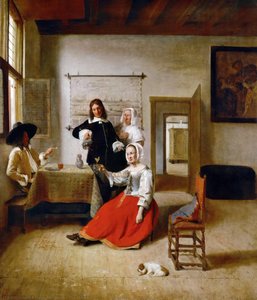
Interno con figure
 Olio
Olio- Arte da parete
- Scena d'interno barocca
 1663
1663- Età Moderna
 58.0 x 69.0 cm
 Metropolitan Museum of Art
 Leggi tutto
Riproduzione a olio fatta a mano
Olio su tela dipinto a mano nelle tue dimensioni e con la tua cornice, realizzato su ordinazione dai nostri artisti. ( Passa alle stampe Passa all'immagine digitale)




P118B €10

P118H €10

P118W €10

P438Z €10

P508JH €12

P508YH €12

P805H €10

P805Z €10

P919BZ €10

P919G €10

P919XJ €10

P959ZH €10

P968JZ €12

W106C €8

W218G €10

W218JH €8

W218Y €10

W307PJ €10

W316G €10

W316PJ €8

W316Y €10

W398PJ €8

W4111J €10

W500HY €15

W500JH €15

W692G €12

W849H €8

W940BG €15

W953PJ €8




Scegli tra le nostre dimensioni predefinite, che rispettano le proporzioni originali dell'opera d'arte.

Inserisci la larghezza e l'altezza di cui hai bisogno, per adattarle alla tua cornice o alla tua parete. Trattandosi di un'opera dipinta a mano, in caso di dimensioni con una forma differente, l'artista può dipingere un po' più oltre i bordi dell'immagine o ritagliare leggermente — la scelta spetta a te. Ti invieremo un mockup digitale da approvare prima che la pittura abbia inizio. L'immagine mostrata in questa pagina non rappresenta il risultato reale — solo il mockup lo fa.
Dopo l'ordine, il team di OriginalUniqueArt.com contatterà il cliente via e-mail per ricevere le istruzioni e fornirà un'anteprima del mockup
Consegna in tutto il mondo () in 3/4 settimane anziché nelle normali 5 settimane. (22 Ottobre). Nessun compromesso sulla qualità.

Spedizione espressa gratuita in tutto il mondo

Tela in lino di alta qualità

Assicurazione completa sulla spedizione

Garanzia di rimborso dei dazi doganali

Garanzia di perfetta fedeltà cromatica

Politica di reso entro 100 giorni (solo per difetti di fabbricazione)

Garanzia di rimborso al 100%

Sconto per acquisti multipli
 L'opzione vetro è disponibile solo per dimensioni inferiori a 110 cm

Interno con figure
Tecnica di riproduzione
Dimensioni della riproduzione
-


Prezzo totale
€ 262
Una finestra sull'Età dell'Oro olandese
Negli angoli silenziosi e inondati di sole del XVII secolo, Pieter de Hooch ha saputo catturare momenti che sembrano allo stesso tempo fugaci ed eterni. Il suo capolavoro, "Interno con figure", dipinto nel 1663, funge da profonda finestra sul cuore dell'Età dell'Oro olandese. Questa non è semplicemente la rappresentazione di una stanza; è un invito in un mondo privato fatto di tranquillità domestica e connessione sociale. Mentre contempliamo la scena, ci ritroviamo accanto alle figure, testimoni di un dolce incontro che trascende i secoli. La composizione si concentra su una donna seduta a una tavola imbandita, circondata da tre compagni, la cui presenza suggerisce un pasto condiviso o un momento di conviviale ristoro. Attraverso la lente di De Hooch, l'atto banale del sedersi insieme si trasforma in un sacro rituale di compagnia.
La brillantezza di quest'opera risiede nel suo magistrale dominio del chiaroscuro—il delicato intreccio tra luce e ombra. De Hooch era un virtuoso dell'atmosfera, capace di usare la luce non solo per illuminare i soggetti, ma per scolpire l'aria stessa all'interno della stanza. Un bagliore morbido e luminoso sembra permeare lo spazio, accarezzando i contorni delle figure e proiettando ombre delicate che conferiscono alla tela un straordinario senso di profondità tridimensionale. Questa tecnica crea un'illusione ottica così convincente che si può quasi percepire il calore del sole pomeridiano che filtra da una finestra vicina. Per il collezionista esperto o l'interior designer, questa capacità di manipolare la luce rende l'opera un elemento trasformativo per qualsiasi ambiente, capace di aggiungere uno strato di sofisticata calore e texture luminosa a una stanza.
Simbolismo e bellezza del quotidiano
Oltre alla sua maestria tecnica, "Interno con figure" è ricco del silenzioso simbolismo tipico della pittura di genere olandese. Ogni elemento all'interno dell'inquadratura serve a narrare una storia di prosperità e armonia comunitaria. La ciotola appoggiata sul tavolo è molto più di un semplice dettaglio di natura morta; agisce come simbolo di nutrimento, ospitalità e abbondanza che si trova in una casa ben ordinata. Durante quest'epoca, la crescente classe media cercava di celebrare la propria stabilità e i propri valori attraverso un'arte che onorasse la sfera domestica. De Hooch cattura tutto ciò perfettamente, elevando le routine quotidiane della vita borghese al livello dell'arte sublime. La disposizione delle figure—un uomo alla sua sinistra e altri due alla sua destra—crea una composizione equilibrata e armoniosa che rispecchia l'ordine sociale e la pace del periodo.
Per coloro che desiderano portare un senso di profondità storica e risonanza emotiva nelle proprie case, questo dipinto offre una connessione impareggiabile con il passato. Evoca un sentimento di nostalgia per un modo di vivere più lento e intenzionale. La pennellata meticolosa cattura le sottili trame di tessuto, legno e ceramica, invitando l'osservatore a soffermarsi sui minimi dettagli. Che sia esposta in una grande galleria o come punto focale in uno spazio abitativo contemporaneo, una riproduzione di alta qualità di quest'opera funge da testimonianza del potere duraturo della connessione umana e della bellezza silenziosa che si trova nei momenti più ordinari.
Domande e risposte
A quale fase della carriera di Pieter de Hooch corrisponde la data del 1663 di "Interno con figure"?
La data del 1663 colloca "Interno con figure" nel Periodo maturo dello sviluppo di Pieter de Hooch.
Qual è il tono emotivo di "Interno con figure" di Pieter de Hooch?
Il tono emotivo registrato per "Interno con figure" di Pieter de Hooch è Calma e serenità. Esso riassume la sensazione espressa dall'opera.
Che atmosfera conferisce "Interno con figure" di Pieter de Hooch a un ambiente?
"Interno con figure" di Pieter de Hooch emana un'atmosfera Elegante ed è consigliato per un Soggiorno. Il mood rappresenta ciò che l'opera dona allo spazio circostante.
Biografia dell'artista
Early Life and Artistic Beginnings
Pieter de Hooch, a name synonymous with the quiet intimacy of Dutch domestic life, was born in Rotterdam on December 20, 1629. His origins were humble; his father, Hendrick Hendricksz de Hooch, was a skilled bricklayer – an artisan whose craft instilled a keen eye for detail and structure within his son. Pieter’s mother, Annetge Pieters, contributed her expertise as a midwife, shaping his understanding of human experience and the rhythms of daily existence. Little is definitively known about his formative years, but it's believed he received his initial artistic training in Haarlem under the tutelage of Nicolaes Berchem, a landscape painter whose influence subtly shaped de Hooch’s early style. This period laid the groundwork for his future success, introducing him to the principles of composition and color that would become hallmarks of his work. The connection with Jacob Ochtervelt, another prominent Haarlem artist, further broadened his artistic horizons. De Hooch's upbringing in a working-class environment instilled a deep appreciation for the realities of everyday life – a perspective he would later translate into his captivating paintings.A Delft Master: Style and Themes
De Hooch’s career truly blossomed in Delft, where he established himself as a leading figure within the city’s thriving artistic community. His style is instantly recognizable—a masterful blend of realism and subtle lyricism that captured the essence of Dutch bourgeois life. He specialized in “kamergezichten,” or room views, depicting scenes of women engaged in domestic activities: preparing meals, sewing, receiving visitors, or simply enjoying quiet moments with their children. These weren’t grand historical narratives; instead, they offered intimate glimpses into the lives of ordinary people—a remarkable departure from the heroic subjects favored by many of his contemporaries. His use of light is particularly noteworthy – a delicate interplay of shadows and highlights that creates a sense of atmosphere and depth within each scene. De Hooch skillfully employed muted colors and subtle details to evoke a feeling of tranquility and realism, drawing inspiration from both Jan Vermeer’s meticulous observation of light and shadow and the atmospheric techniques of Rembrandt van Rijn. The influence of Emanuel de Witte, another Delft painter, is also evident in his later works, particularly in the use of architectural settings.Notable Works and Artistic Evolution
Among de Hooch's most celebrated paintings are “The Empty Glass” (circa 1650), a deceptively simple scene that reveals an extraordinary sensitivity to light and form; "Woman Nursing" (1658) and "Woman with a Baby on Her Lap" (1658), which capture the tenderness of maternal love; and “Cardplayers in a Sunlit Room” (1658), a vibrant depiction of social interaction within a domestic setting. His work from the mid-1660s, particularly “A Woman Preparing Bread and Butter for a Boy” (1661) and "The Merry Drinker" (c. 1650), showcases his ability to create compelling narratives through subtle gestures and expressions. Later in his career, influenced by the trends of the time, de Hooch began incorporating more elaborate settings—marble rooms from the new Amsterdam Town Hall—offering a grander stage for his subjects. Despite these shifts, he retained his signature style and attention to detail, producing works like “The Clothes Cupboard” (1667) and "The Minuet" (1680), which demonstrate his continued mastery of light, composition, and human emotion.Legacy and Influence
Pieter de Hooch’s impact on the course of Dutch painting is undeniable. He stands as one of the most important figures in the Delft School, a movement characterized by its focus on domestic scenes and realistic depictions of everyday life. His work profoundly influenced subsequent generations of artists, particularly those who followed in the footsteps of Vermeer—artists like Jacob van Ruisdael and Frans Hals. De Hooch’s legacy extends beyond his individual paintings; he helped to establish a new genre of painting that celebrated the beauty and dignity of ordinary people. His meticulous observation, subtle use of light, and intimate portrayal of domestic life continue to resonate with viewers today, cementing his place as a master of Dutch Golden Age art. His works are now housed in prestigious museums around the world, including the Koninklijk Museum voor Schone Kunsten in Antwerpen, Belgium, where a vast collection of European art from the 15th to the 20th centuries offers a comprehensive view of his artistic journey.
Pieter de Hooch
1629 - 1694 , Paesi Bassi
Informazioni rapide
- Artistic Movement Or Style: Realismo, Età dell'Oro
- Artists Or Movements Influenced By This Artist: ['Impressionismo']
- Artists Who Influenced This Artist: ['Nicolaes Berchem']
- Date Of Birth: 1629
- Date Of Death: 1694
- Full Name: Pieter de Hooch
- Nationality: Olandese
- Notable Artworks:
- Donna che legge una lettera
- Il cortile di una casa a Delft
- Place Of Birth (City And Country): Rotterdam, Paesi Bassi
Articoli correlati

Il Dramma Barocco: Portare Splendore ed Emozione negli Interni Contemporanei
Scopri come portare il dramma e lo splendore dell'arte barocca nei tuoi interni con . Riproduzioni di alta qualità, consulenza d'arte personalizzata e ispirazione per uno stile unico.

Goya: I 25 Capolavori Immortali dell'Anima Spagnola | OriginalUniqueArt
Esplora i 25 capolavori di Francisco Goya, il genio spagnolo tra Romanticismo e Realismo. Ritratti iconici, 'Los Caprichos' e le toccanti 'Disastri della Guerra'. Trova stampe su tela e riproduzioni artistiche di alta qualità per la tua casa su OriginalUniqueArt.com.

Golden Age Reflections: Dutch Baroque Painting & Cultural Innovation
Explore the Dutch Golden Age of painting! Discover key artists like Vermeer & ter Borch, their innovative techniques, and the rich cultural context behind these Baroque masterpieces. Learn about collecting & appreciating this iconic art period.

I 10 Capolavori del Barocco Olandese che Hanno Definito un'Epoca | OriginalUniqueArt
Esplora i 10 capolavori del Barocco olandese con OriginalUniqueArt. Scopri Rembrandt, Vermeer e altri maestri. Quadri antichi, luce intensa e storie affascinanti per decorare la tua casa con arte di qualità museale. Esplora la collezione online!
Pieter de Hooch e l'Illuminazione della Vita Domestica Olandese: Fascino dell'Età d'Oro e Innovazioni Pittoriche
Esplora il genio di Pieter de Hooch e l'illuminazione della vita domestica olandese nel Secolo d'Oro. Analisi approfondita dello stile, delle tecniche e del simbolismo nelle sue opere più iconiche.