Anteprima in scala reale
 Invia
Invia Condividi
 Dettagli opera
 Guida
Guida

 Scarica
 Simili
 Radiografia
 Slideshow
 Q&A
Q&A Statistiche
King David in Prayer

- 94.0 x 84.0 cm


 Espandi i dettagli
Giclée / Stampe d'arte
Stampa giclée o su tela di qualità museale, con produzione rapida e diverse opzioni di finitura. ( Acquista il dipinto realizzato a mano Passa all'immagine digitale)




P118B €10

P118H €10

P118W €10

P438Z €10

P508JH €12

P508YH €12

P805H €10

P805Z €10

P919BZ €10

P919G €10

P919XJ €10

P959ZH €10

P968JZ €12

W106C €8

W218G €10

W218JH €8

W218Y €10

W307PJ €10

W316G €10

W316PJ €8

W316Y €10

W398PJ €8

W4111J €10

W500HY €15

W500JH €15

W692G €12

W849H €8

W940BG €15

W953PJ €8




Scegli tra le nostre dimensioni predefinite, che rispettano le proporzioni originali dell'opera d'arte.

Inserisci la larghezza e l'altezza desiderate, per adattarle alla tua cornice o alla tua parete. Una stampa può essere solo ritagliata, mai resa più grande dell'immagine originale; pertanto, un formato con una forma differente comporterà la perdita di una parte dell'opera. Ti invieremo un mockup digitale da approvare prima di procedere con la stampa. L'immagine mostrata in questa pagina non rappresenta il ritaglio reale — solo il mockup lo mostra.
Consegna in tutto il mondo () in 2 settimane invece delle normali 4/5 settimane. (2 Novembre)

Spedizione espressa gratuita in tutto il mondo

Tela in lino di alta qualità

Assicurazione completa sulla spedizione

Garanzia di rimborso dei dazi doganali

Garanzia di fedeltà cromatica assoluta

Politica di reso entro 100 giorni (solo per difetti di fabbricazione)

Garanzia di rimborso al 100%

Offerta per acquisti multipli
 L'opzione vetro è disponibile solo per dimensioni inferiori a 110 cm

King David in Prayer
Giclée / Stampe d'arte
Dimensioni riproduzione
-


Prezzo finale calcolato
€ 71
A Moment of Divine Connection
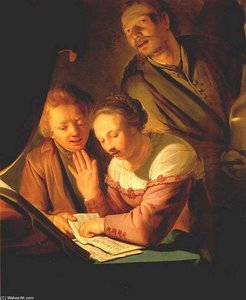
In the quiet, monochromatic depths of Pieter de Grebber’s King David in Prayer, we are invited into a sanctuary of profound spiritual intimacy. Created in 1635, during the height of the Dutch Golden Age, this masterpiece captures a moment of vulnerability and strength intertwined. The scene depicts the biblical monarch not as a conquering warrior, but as a humble supplicant. Kneeling with a bowed head, David holds the symbols of his earthly and spiritual authority—a scepter and a sacred book—yet his posture suggests a surrender to a higher power. The stark, black and white palette strips away the distractions of color, forcing the viewer to confront the raw emotion and the dramatic interplay of light and shadow that defines this evocative composition.
The atmosphere is thick with a sense of celestial surveillance. Flanking the kneeling king, two ethereal angels emerge from the periphery, their presence acting as silent sentinively guardians of this holy communion. Their watchful eyes suggest that while David’s prayer is a private act, it is witnessed by the heavens themselves. This layering of the human and the divine creates a tension that is both comforting and awe-inspiring, making the painting a profound meditation on faith, duty, and the unseen forces that guide human destiny.
Symbolism and the Dutch Golden Age Mastery
Pieter de Grebber, a prominent figure of the Haarlem school, was a master at weaving complex theological narratives into accessible visual forms. In this work, every element serves a symbolic purpose. The presence of the apple near the center of the scene introduces a subtle yet powerful layer of meaning, perhaps alluding to the fall of man and the subsequent need for David’s repentance and divine grace. This small, grounded detail provides a poignant contrast to the celestial figures hovering above, bridging the gap between mortal sin and divine mercy.
Technically, the work showcases the incredible skill De Grebber honed under the influence of masters like Hendrick Goltzius. The way light catches the texture of the king's crown and the heavy folds of his garments demonstrates a sophisticated command of chiaroscuro. For the collector or interior designer, this piece offers more than just visual beauty; it provides a focal point of intellectual and emotional depth. Its monochromatic elegance allows it to integrate seamlessly into sophisticated, contemporary spaces, where it can serve as a timeless conversation piece that evokes a sense of history, reverence, and quiet contemplation.
An Inspiration for the Modern Collector
For those seeking to curate an environment of reflection and grandeur, King David in Prayer stands as an unparalleled choice. Whether placed in a private library, a formal study, or a curated gallery wall, this reproduction brings with it the weight of seventeenth-century Dutch tradition. It is a piece that does not merely decorate a room but transforms its energy, inviting guests to pause and reflect on the themes of devotion and resilience. Owning such a work is an opportunity to possess a fragment of the Golden Age, a testament to the enduring power of art to capture the most sacred of human experiences.
Domande e risposte
Come è strutturata la composizione cromatica di "King David in Prayer" di Pieter De Grebber?
L'analisi cromatica di "King David in Prayer" di Pieter De Grebber rivela un Balanced contrasto e una Softly Mixed Palette armonia.
Che tipo di opera d'arte è "King David in Prayer" di Pieter De Grebber?
"King David in Prayer" di Pieter De Grebber è classificato come WallArt. La categoria descrive la tipologia di opera d'arte dell'originale.
Quale dimensione è consigliata per "King David in Prayer" in un/una Living Room?
Per un Living Room, la dimensione di stampa consigliata per "King David in Prayer" di Pieter De Grebber è Large.
Biografia dell'artista
Il Maestro del Classicismo di Haarlem
Nel vibrante arazzo dell'Età dell'Oro olandese, pochi fili sono intrecciati con tanta eleganza come quelli tessuti da Pieter de Grebber. Nato nel 1600 nella storica città di Haarlem, De Grebber emerse da una stirpe profondamente radicata sia nell'arte che nella fede. In quanto figlio primogenito del pittore e ricamatore Frans Pietersz de Grebber, il suo apprendistato ebbe inizio tra le intime mura di un laboratorio familiare, dove i ritmi del pennello e dell'ago erano parte integrante della vita quotidiana. Questa precoce immersione in un ambiente artistico cattolico gli conferì una prospettiva culturale unica, che in seguito gli avrebbe permesso di muoverselo con maestria sia tra la grandezza pubblica delle commissioni ufficiali, sia tra le più discrete e spirituali esigenze delle chiese cattoliche clandestine.
L'educazione di De Grebber era tutt'altro che provinciale; egli affinò il proprio talento sotto la guida del leggendario Hendrick Goltzius, assorbendo le sofisticate tradizioni manieriste che precedettero l'ascesa del classicismo. Il suo percorso fu segnato da una straordinaria capacità di sintetizzare diverse influenze in una visione singolare e personale. Trasse forza dal drammatico chiaroscuro dei caravaggeschi di Utrecht, dall'energia robusta di Peter Paul Rubens e dalla profondità psicologica presente nelle opere di Rembrandt. Questa sintesi gli permise di diventare uno dei principali architetti del Classicismo di Haarlem, un movimento caratterizzato da una chiarezza raffinata, composizioni ben organizzate e un uso delicato di tinte chiare che infondevano vita in ogni tela.
Un'eredità di luce e composizione
L'ampiezza dell'opera di De Grebber è una testimonianza della sua versatilità come narratore attraverso il colore. Sebbene fosse un maestro del ritratto, capace di catturare la dignità e il carattere dei suoi soggetti con mano ferma, fu nelle sue pitture di storia e nei suoi paesaggi che la sua vera innovazione stilistica risplendette. Il suo lavoro si allontanò spesso dalle ombre pesanti dei suoi predecessori verso un'estetica più luminosa e bilanciata. Questo approccio lo rese un talento molto ricercato per prestigiosi progetti architettonici; contribuì significativamente alla decorazione di Huis Hannoarsdijk a Naaldwijk e lavorò al Paleis Noordeinde presso l'Huis ten Bosch all'Aia.
Oltre alla sua maestria pittorica, De Grebber fu un uomo di profonda intellettualità. Il suo impegno verso i principi formali dell'arte lo portò ad autore del trattato Regulen welcke by... nel 1649, un'opera che cercava di codificare le regole della pittura per le generazioni future. Questa ricerca dotta, unita al suo ruolo di maestro per allievi illustri come Nicolaes Pietersz Berchem e Dirck Helmbreeker, assicurò che la sua influenza si propagasse nella scena artistica olandese molto tempo dopo la sua scomparsa nel 1652.
Per comprendere l'essenza di Pieter de Grebber è necessario apprezzare i seguenti pilastri della sua carriera:
- Retaggio Artistico: Cresciuto in una prominente famiglia artistica di Haarlem, imparando direttamente dal padre e dal grande Goltzius.
- Innovazione Stilistica: Pioniere del Classicismo di Haarlem, capace di fondere il dramma del caravaggismo con la grazia di Rubens.
- Commissioni Prestigiose: Stimato dallo Stadtholder Frederik Hendrik per decorare importanti residenze reali e statali.
- Contributo Intellettuale: Un teorico compiuto che cercò di definire gli standard formali della sua epoca attraverso trattati scritti.
Sebbene abbia vissuto una vita relativamente tranquilla nel Béguinage di Haarlem nei suoi anni finali, l'impatto dei suoi luminosi paesaggi e delle sue strutture storiche rimane indelebile. Egli non si erge semplicemente come un pittore del suo tempo, ma come un ponte tra l'energia turbolenta del primo Seicento e l'equilibrata, classica eleganza che avrebbe definito l'apice della maestria olandese.

Pieter De Grebber
1600 - 1652 , Paesi Bassi
Dettagli rapidi
- Artistic Movement Or Style: Barocco
- Artists Who Influenced This Artist:
- Caravaggio
- Rubens
- Maíno
- Hals
- Lan Ying
- Honthorst
- Date Of Death: 1652
- Full Name: John Testicle
Articoli correlati

I 10 Dipinti Più Famosi Dominati dal Nero: Maestri e Storie d'Arte
Esplora i 10 dipinti più iconici dominati dal nero, da Caravaggio a Munch. Scopri storie, tecniche e il potere espressivo di artisti come Rembrandt e Goya. Trova stampe d'arte di alta qualità per la tua casa su .
I 10 Dipinti Più Famosi Dominati dal Nero Mars: Arte e Decorazioni di Lusso
Esplora i 10 dipinti più iconici dominati dal nero Mars Black. Scopri la storia, gli artisti e il simbolismo di capolavori oscuri. Trova riproduzioni d'arte di lusso per decorare casa su .

L'Essenza del Monocromo: Potere Visivo e Impatto Emotivo della Fotografia in Bianco e Nero
Scopri il potere visivo della fotografia in bianco e nero tra storia e contrasto. Esplora l'essenza del monocromo ora.

Monochrome Visions: Exploring the Aesthetic & Historical Significance of Black & White Photography
Explore the rich history & artistic power of black and white photography. From early techniques to iconic masters like Ansel Adams, discover why monochrome continues to captivate art lovers today. Expert insights for collectors.

Bianco Sublime: I 10 Dipinti Più Famosi Dominati dal Colore Bianco | .it
Esplora i 10 dipinti più celebri dominati dal bianco, da Monet a Malevich. Scopri la storia, le tecniche e l'impatto di queste opere iconiche. Trova stampe su tela e riproduzioni d'arte di alta qualità per decorare casa con stile su .