

 Anteprima in scala reale
 Invia
Invia Condividi
 Dettagli opera
 Guida
Guida

 Scarica
 Simili
 Radiografia
 Slideshow
 Statistiche
Holy Trinity
 Oil On Panel
- Northern Renaissance
 Renaissance
 98.0 x 84.0 cm
 Museo del Prado
 Espandi i dettagli
Riproduzione a olio fatta a mano
Olio su tela dipinto a mano nelle tue dimensioni e con la tua cornice, realizzato su ordinazione dai nostri artisti. ( Passa alle stampe Passa all'immagine digitale)




P118B €10

P118H €10

P118W €10

P438Z €10

P508JH €12

P508YH €12

P805H €10

P805Z €10

P919BZ €10

P919G €10

P919XJ €10

P959ZH €10

P968JZ €12

W106C €8

W218G €10

W218JH €8

W218Y €10

W307PJ €10

W316G €10

W316PJ €8

W316Y €10

W398PJ €8

W4111J €10

W500HY €15

W500JH €15

W692G €12

W849H €8

W940BG €15

W953PJ €8




Scegli tra le nostre dimensioni predefinite, che rispettano le proporzioni originali dell'opera d'arte.

Inserisci la larghezza e l'altezza desiderate, per adattarle alla tua cornice o alla tua parete. Trattandosi di un'opera dipinta a mano, in caso di dimensioni con un formato differente, l'artista può estendere leggermente il dipinto oltre i bordi dell'immagine o ritagliare una piccola parte — la scelta spetta a te. Ti invieremo un mockup digitale da approvare prima che la realizzazione abbia inizio. L'immagine mostrata in questa pagina non rappresenta il risultato finale — solo il mockup lo fa.
Dopo l'ordine, il team di OriginalUniqueArt.com contatterà il cliente via e-mail per ricevere le istruzioni e fornirà un'anteprima del mockup
Consegna in tutto il mondo () in 3/4 settimane anziché nelle normali 5 settimane. (27 Ottobre). Nessun compromesso sulla qualità.

Spedizione espressa gratuita in tutto il mondo

Tela in lino di alta qualità

Assicurazione completa sulla spedizione

Garanzia di rimborso dei dazi doganali

Garanzia di fedeltà cromatica assoluta

Politica di reso entro 100 giorni (solo per difetti di fabbricazione)

Garanzia di rimborso al 100%

Offerta per acquisti multipli
 L'opzione vetro è disponibile solo per dimensioni inferiori a 110 cm

Holy Trinity
Tecnica di riproduzione
Dimensioni riproduzione
-


Prezzo finale calcolato
€ 263
A Divine Tapestry from the Northern Renaissance
To gaze upon Pieter Coecke van Aelst's depiction of the Holy Trinity is to step directly into the luminous heart of the Northern Renaissance. This panel painting does not merely illustrate a theological concept; it envelops the viewer in an atmosphere of profound, divine mystery. The composition itself is a masterful orchestration of figures, light, and symbolic weight. At its core stands the venerable figure of God the Father, robed in rich reds, holding the symbols of wisdom and authority—a book and a staff—while radiating an ancient, benevolent power. Flanking this central pillar are representations of Christ, identifiable by his halo and the cross he bears, and the Holy Spirit, delicately rendered as an infant upon a cushion to the right. The sheer detail in the rendering of these sacred forms speaks volumes about the devotion and skill of its creator.
Mastery of Flemish Technique and Detail
Technically, this work is a breathtaking testament to the period's dedication to meticulous realism combined with spiritual grandeur. Executed on panel, the artist utilized rich, vibrant pigments—deep blues, opulent golds, and commanding reds—that were hallmarks of high-end religious art in Flanders during the sixteenth century. Observe how the light plays across the voluminous folds of the drapery; it is not merely illumination but a palpable force that grants every garment and every face a three-dimensional presence. The surrounding angels and cherubs are not mere filler; they are integral participants, their varied poses and gazes guiding the eye through the narrative complexity. This commitment to observable detail, characteristic of Northern European painting, elevates the sacred subject matter into something almost tangible for the modern observer.
Symbolism Woven into Sacred Narrative
The symbolism within the Holy Trinity is both profound and deeply accessible. The grouping itself represents the doctrine of the three persons in one Godhead—a concept given visual weight through artistic genius. Beyond the central figures, the inclusion of a detailed landscape background, complete with distant mountains and swirling clouds, suggests that this divine event transcends earthly boundaries, placing it within an eternal, otherworldly realm. Every element, from the book held by the Father to the cross carried by Christ, serves as a visual sermon, inviting contemplation on themes of divinity, sacrifice, and omnipresence. It is art designed not just for viewing, but for spiritual communion.
Bringing Renaissance Majesty Home
For the collector or designer seeking an anchor piece imbued with history and artistry, this reproduction offers an unparalleled connection to the golden age of Flemish painting. While the original panel by Pieter Coecke van Aelst carries the weight of centuries, owning a high-quality hand-painted rendition allows you to integrate that majesty into your contemporary space. Imagine the rich glow of these colors against modern decor—a focal point that speaks volumes about an appreciation for enduring craftsmanship and profound artistic narrative. It is more than decoration; it is a conversation piece steeped in history, devotion, and unparalleled aesthetic beauty.
Domande e risposte
Quanto è marcato il contrasto in "Holy Trinity" di Pieter Coecke van Aelst?
"Holy Trinity" di Pieter Coecke van Aelst presenta un contrasto Statement tra le sue zone chiare e scure.
In quale museo è conservato l'originale di "Holy Trinity"?
Puoi ammirare l'originale "Holy Trinity" presso il Museo del Prado, Madrid, Spain.
Quali sono la forma e le dimensioni di "Holy Trinity" di Pieter Coecke van Aelst?
Il formato di "Holy Trinity" è Portrait e l'originale misura 98 x 84 cm. Entrambi sono utili quando si pianifica una riproduzione.
Biografia dell'artista
Pieter Coecke van Aelst
Pieter Coecke van Aelst, nato ad Aalst, Belgio nel 1502, rappresenta una figura emblematica della rinascita nord europea, un punto di incontro tra l'eccellenza artistica italiana e le nuove prospettive intellettuali del suo continente. Non fu semplicemente un pittore, anche se la sua maestria con il pennello era indiscutibile; egli fu architetto, scultore, autore, progettista, traduttore e una figura chiave nella diffusione degli ideali rinascimentali oltre i confini italiani. Proveniente da una famiglia di rilevanza civile – suo padre ricoprì la carica di Vice Sindaco – Coecke van Aelst beneficiò di un ambiente che coltivava sia l'interesse artistico sia l'esperienza del mondo esterno. Anche se la documentazione concreta rimane scarsa, la tradizione attribuisce il suo primo apprendistato a Bernard van Orley, uno dei più importanti pittori brugese, suggerendo una connessione stilistica precoce. Questo percorso educativo nella arte fiamminga fu profondamente plasmato dall'esposizione alla crescente estetizzazione rinascimentale, forse attraverso viaggi in Italia, soprattutto Roma, dove studiò la scultura classica e l’architettura, assimilando i principi di proporzione, armonia e forma idealizzata che caratterizzavano il Rinascimento italiano alto. Anche la disponibilità dei cartoni dei dipinti di Raffaello a Bruxelles ebbe un ruolo determinante, fornendo modelli immediatamente accessibili di eccellenza artistica.Artistic Innovation and Diverse Pursuits
Coecke van Aelst dimostrò una straordinaria versatilità artistica, riflettendo le sue molteplici capacità intellettuali e manuali. Produsse opere religiose che armonizzavano con maestria il realismo minuzioso tipico della pittura fiamminga con l'attenzione crescente alla composizione classica e all’anatomia precisa propria dell’arte rinascimentale italiana. Il suo *Ultima Cena* guadagnò una notevole fama, testimoniando una padronanza della prospettiva e un dettaglio narrativo complesso. Tuttavia, fu nella progettazione di arazzi che Coecke van Aelst raggiunse la vera eccellenza. Serie come *I Sette Peccati Capitali* e l'* Giulio Cesare* furono richieste dai più importanti aristocratici e borghesi del suo tempo, dimostrando la sua capacità di trasformare storie complesse in immagini visivamente coinvolgenti tessute con un’estrema cura dei dettagli. Oltre alla pittura e all'arazzo, le sue opere architettoniche rivelavano una profonda comprensione dei principi classici. Egli non si accontentava semplicemente di esercitare queste arti; egli promuoveva attivamente l’applicazione delle teorie fondamentali dell’architettura classica a un pubblico più ampio. Questo lo portò a tradurre trattati architettonici italiani chiave, opere di Serlio e Vitruvio, in italiano, francese e tedesco, rompendo barriere linguistiche e permettendo agli artisti e agli architetti nord europei di confrontarsi direttamente con i testi fondanti del Rinascimento italiano. Inoltre progettò vetrate colorate per importanti chiese, dimostrando così la sua capacità di lavorare attraverso diverse discipline artistiche.A Bridge Between Worlds: Disseminating Renaissance Knowledge
La vera grandezza di Pieter Coecke van Aelst risiede non solo nelle sue opere d’arte individuali ma nel suo ruolo di ponte culturale tra l'arte italiana e quella nord europea. La sua conoscenza delle lingue era essenziale per abbattere le barriere linguistiche e promuovere il dialogo tra culture, assicurando che gli innovativi ideali del Rinascimento italiano fossero condivisi anche al di fuori della penisola italica. Prima che Coecke van Aelst fosse attivo, l'accesso alle teorie fondamentali dell’arte rinascimentale era limitato per coloro che vivevano al di fuori d’Italia. Traducendo questi testi in lingue volgari, egli fornì agli artisti e agli architetti nord europei gli strumenti intellettuali necessari per abbracciare i principi classici e abbandonare gli stili tardo gotici dominanti nella sua regione. Questo cambiamento estetico rappresentò una trasformazione fondamentale nel pensiero artistico, promuovendo un nuovo interesse per la proporzione, la prospettiva e l’anatomia precisa.Family Connections and Lasting Influence
Coecke van Aelst ebbe un ruolo significativo anche nella formazione della famiglia artistica del suo tempo. Il suo matrimonio con Mayken Verhulst collegò lui e la sua famiglia a importanti figure nel mondo dell'arte, tra cui Hubertus Goltzius, uno dei più celebri stampatori dell’epoca. Più importante ancora fu il suo rapporto con Jan Bruegel il Vecchio, considerato uno degli artisti più importanti della rinascita nord europea; il figlio di Coecke van Aelst sposò Maria Brueghel, figlia del pittore, consolidando così la posizione del padre nella storia dell’arte e assicurando che la sua eredità continuasse attraverso le generazioni successive. Lo stile di Jan Bruegel il Vecchio fu profondamente influenzato dall'esperienza paterna, testimoniando l'importanza delle relazioni familiari nel promuovere lo sviluppo culturale e artistico.Historical Significance: A Catalyst for Change
Pieter Coecke van Aelst è considerato un vero punto di svolta nella storia dell’arte nord europea. Egli fu uno dei primi artisti a tradurre in lingua vernacolare i trattati architettonici italiani più importanti, contribuendo così alla diffusione degli ideali rinascimentali e promuovendo una nuova visione dello spazio e della bellezza. La sua attività intellettuale e artistica ebbe un impatto duraturo sulla cultura del suo tempo e oltrepassò i confini geografici, lasciando un segno indelebile nel patrimonio architettonico e artistico europeo.
Pieter Coecke van Aelst
1502 - 1550 , Belgio
Dettagli rapidi
- Artistic Movement Or Style: Northern Renaissance
- Artists Or Movements Influenced By This Artist: ['Pieter Bruegel the Elder']
- Artists Who Influenced This Artist:
- Bernard van Orley
- Raphael
- Date Of Birth: 1502
- Full Name: Pieter Coecke van Aelst
- Nationality: Flemish
- Notable Artworks:
- The Triumph of Fame
- Holy Trinity
- Adoration of the Magi
- Place Of Birth: Aalst, Belgium
Articoli correlati

Rembrandt van Rijn: I 25 Capolavori Immortali da Ammirare | OriginalUniqueArt
Esplora i 25 capolavori di Rembrandt van Rijn, da 'La Ronda di Notte' ai suoi intensi autoritratti. Scopri la storia, le tecniche e l'arte barocca del maestro olandese. Riproduzioni di alta qualità su OriginalUniqueArt.com.

Carlo-André van Loo e lo Studio sulla Ritrattistica Rococò alla Corte Francese
Esplora l'arte di Carlo-André van Loo e il raffinato mondo della ritrattistica rococò alla corte francese del XVIII secolo. Analisi approfondite, tecniche pittoriche e contesto storico per collezionisti ed esperti.
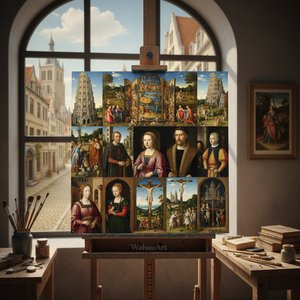
I 10 Capolavori del Rinascimento Nordico che Hanno Definito l'Arte | .it
Esplora i 10 capolavori del Rinascimento Nordico con .it! Jan van Eyck, Dürer e altri maestri rivivono in stampe di alta qualità. Trova l'arte perfetta per la tua casa e lasciati ispirare dalla bellezza senza tempo. Scopri tutta la collezione online!

I 10 Capolavori del Rinascimento Netherlandese: Arte, Storia e Decorazioni di Lusso
Esplora i 10 capolavori del Rinascimento Netherlandese: Jan van Eyck, Rogier van der Weyden e altri maestri fiamminghi. Scopri la storia, le tecniche e il simbolismo di questi dipinti iconici. Riproduzioni d'arte di lusso su OriginalUniqueArt.com.

I 10 Capolavori della Pittura Fiamminga Antica: Arte, Storia e Stile per la Tua Casa
Esplora i 10 capolavori della pittura fiamminga antica! Jan van Eyck, Rogier van der Weyden e altri maestri rinascimentali. Scopri storia, tecnica e simbolismo di questi dipinti iconici. Trova riproduzioni d'arte di alta qualità per la tua casa su OriginalUniqueArt.com.