
 Anteprima in scala reale
 Invia
Invia Condividi
 Dettagli opera
 Guida
Guida

 Scarica
 Simili
 Radiografia
 Slideshow
 Domande e risposte
 Statistiche
View on the Sea

- 27.0 x 44.0 cm


 Espandi i dettagli
Giclée / Stampe d'arte
Stampa giclée o su tela di qualità museale, con produzione rapida e diverse opzioni di finitura. ( Acquista il dipinto realizzato a mano Passa all'immagine digitale)




P118B €10

P118H €10

P118W €10

P438Z €10

P508JH €12

P508YH €12

P805H €10

P805Z €10

P919BZ €10

P919G €10

P919XJ €10

P959ZH €10

P968JZ €12

W106C €8

W218G €10

W218JH €8

W218Y €10

W307PJ €10

W316G €10

W316PJ €8

W316Y €10

W398PJ €8

W4111J €10

W500HY €15

W500JH €15

W692G €12

W849H €8

W940BG €15

W953PJ €8




Scegli tra le nostre dimensioni predefinite, che rispettano le proporzioni originali dell'opera d'arte.

Inserisci la larghezza e l'altezza desiderate, per adattarle alla tua cornice o alla tua parete. Una stampa può essere solo ritagliata, mai resa più grande dell'immagine originale; pertanto, un formato con una forma differente comporterà la perdita di una parte dell'opera. Ti invieremo un mockup digitale da approvare prima di procedere con la stampa. L'immagine mostrata in questa pagina non rappresenta il ritaglio reale — solo il mockup lo mostra.
Consegna in tutto il mondo () in 2 settimane invece delle normali 4/5 settimane. (5 Novembre)

Spedizione espressa gratuita in tutto il mondo

Tela in lino di alta qualità

Assicurazione completa sulla spedizione

Garanzia di rimborso dei dazi doganali

Garanzia di fedeltà cromatica assoluta

Politica di reso entro 100 giorni (solo per difetti di fabbricazione)

Garanzia di rimborso al 100%

Offerta per acquisti multipli
 L'opzione vetro è disponibile solo per dimensioni inferiori a 110 cm

View on the Sea
Giclée / Stampe d'arte
Dimensioni riproduzione
-


Prezzo finale calcolato
€ 72
A Vision of the Open Water: Unveiling Pierre Puget’s “View on the Sea”
Pierre Puget's "View on the Sea," created around 1670, isn’t merely a depiction of three ships navigating a hazy horizon; it’s a meticulously crafted tableau brimming with Baroque drama and an intimate understanding of human scale. Born in Marseille during a period of intense maritime activity, Puget’s life was inextricably linked to the sea – initially as a craftsman shaping the hulls of galleys, later as a celebrated sculptor, architect, and painter. This early immersion profoundly shaped his artistic vision, imbuing “View on the Sea” with an unparalleled sense of realism and emotional intensity. The drawing itself, rendered in fine pen and ink on vellum, possesses a remarkable immediacy, capturing a fleeting moment of naval preparation against a backdrop that simultaneously suggests vastness and quiet anticipation.
The composition immediately draws the eye to the central warship, dominating the scene with its imposing size and intricate rigging. Puget masterfully employs linear perspective, subtly diminishing the scale of the smaller vessels in the distance – a technique that convincingly conveys depth and the boundless expanse of the sea. The diagonal arrangement of these ships guides the viewer’s gaze across the canvas, creating a dynamic flow and reinforcing the sense of movement. Beyond mere representation, Puget sought to capture not just what he saw, but also the *feeling* of being at sea – the weight of responsibility, the potential for both glory and peril, all subtly conveyed through the posture of the ships and the atmospheric haze.
The Language of Line and Shadow: A Study in Baroque Technique
Puget’s mastery lies not only in his understanding of perspective but also in his exceptional command of line. The drawing is a testament to his meticulous technique, characterized by an astonishing level of detail achieved through the careful application of hatching and cross-hatching. These subtle variations in shading create a remarkable sense of texture – one can almost feel the roughness of the ship’s timbers, the tautness of the sails, and the shimmering surface of the water. The monochromatic palette, born from the limitations of pen and ink on vellum, paradoxically intensifies the drama; the absence of color forces the viewer to focus entirely on form, line, and light.
The lighting is remarkably soft and diffused, avoiding harsh contrasts and instead creating a sense of atmospheric depth. This deliberate choice contributes significantly to the painting’s overall mood – a blend of tranquility and latent tension. The artist's use of hatching creates an illusion of volume and form, particularly evident in the depiction of the ships’ rigging, which appears both complex and remarkably solid.
Symbolism and the Human Spirit at Sea
“View on the Sea” transcends a simple maritime scene; it’s imbued with symbolic resonance. The three ships represent not just vessels engaged in trade or warfare, but also embody the ambitions, challenges, and inherent risks associated with human endeavor. The central warship, with its imposing size and intricate details, speaks to the power of naval dominance, while the smaller boats hint at the diverse activities that sustained coastal communities. The hazy horizon suggests both the unknown possibilities of the future and the humbling vastness of nature – a potent reminder of humanity’s place within the larger world.
Furthermore, Puget's depiction of the ships’ crews—implied rather than explicitly shown—evokes a sense of human presence. The subtle gestures and postures suggest activity, anticipation, and perhaps even a touch of apprehension. This focus on the human element elevates the painting beyond mere topographical representation, transforming it into a powerful meditation on the relationship between humanity and the sea.
A Timeless Masterpiece: Reproduction and Beyond
Created over three centuries ago, “View on the Sea” remains a remarkably evocative work of art. Today, high-quality reproductions offer an accessible way to experience Puget’s genius in your own home or office. Whether adorning a grand salon or a more intimate space, this Baroque masterpiece continues to captivate and inspire with its dramatic composition, masterful technique, and profound exploration of the human spirit at sea. Consider it not just a painting, but a window into a bygone era—a testament to the enduring power of art to transport us across time and space.
Domande e risposte
Il soggetto di "View on the Sea" è coerente con i temi abituali di Pierre Puget?
I temi ricorrenti di Pierre Puget includono baroque maritime scene, puget's dynamic brushwork, french naval influence, classical ship design, royal patronage art, religious undertones", early 17th-century style, marseille artistic legacy; "View on the Sea" si concentra su maritime, ships, sea, landscape, baroque, france, puget, vessels.
Quanti anni aveva Pierre Puget quando è stata creata "View on the Sea"?
Pierre Puget aveva 50 anni quando ha creato "View on the Sea" nel 1670. L'età è calcolata sulla base dell'anno di nascita dell'artista, 1620.
Quali sono le dimensioni reali di "View on the Sea" di Pierre Puget?
L'originale "View on the Sea" di Pierre Puget misura 27 x 44 cm.
Biografia dell'artista
Pierre Puget: Una Vita tra Arte e Ingegneria
- Nato: Marsiglia, Francia (1620)
- Morto: 1694
Primi Anni e Influenze Italiane
- Apprendistato: Puget iniziò la sua carriera all'età di quattordici anni, intagliando ornamenti per le galere costruite a Marsiglia. Questa prima esposizione alla lavorazione del legno pose le basi per i suoi successivi impegni artistici.
- Viaggio in Italia (1640): In cerca di opportunità, viaggiò in Italia, inizialmente a Livorno e poi a Firenze. Affinò le sue abilità come intagliatore del legno e pittore.
- Roma e Pietro da Cortona: Un momento cruciale si verificò quando fu preso sotto l'ala di Pietro da Cortona a Roma. Puget assistette alla pittura di elaborate decorazioni in soffitto al Palazzo Barberini e al Palazzo Pitti, assorbendo il dinamismo e la grandezza dell'arte barocca romana.
- Ritorno a Marsiglia (1643): Dopo tre anni in Italia, tornò a Marsiglia, portando con sé una raffinata sensibilità artistica plasmata dai maestri italiani.
Opere Principali e Sviluppo Artistico
- Prime Commissioni: Al suo ritorno, Puget ricevette commissioni per dipinti e pale d'altare, dimostrando uno stile in evoluzione influenzato da Annibale Carracci e Rubens.
- Svolte Scultoree: Si concentrò sempre più sulla scultura, creando opere come le medaglie per la prua delle navi da guerra francesi, mostrando una crescente padronanza della forma e del dettaglio.
- Vaux-le-Vicomte (1660s): Nicolas Fouquet commissionò a Puget di scolpire Ercole per il suo castello di Vaux-le-Vicomte, segnando un momento significativo nella sua carriera e dimostrando il patrocinio di figure potenti.
- Periodo Genovese: Dopo la caduta in disgrazia di Fouquet, Puget si trasferì a Genova, dove creò opere notevoli come "Ercole Gallico" (Louvre) e sculture per chiese come Santa Maria di Carignano.
- Commissioni di Versailles: Colbert riportò Puget in Francia, portando a commissioni per Versailles, tra cui i celebri gruppi di “Milo di Crotone” e “Perseo e Andromeda”. Queste opere sono caratterizzate dalla loro intensa drammaticità e realismo espressivo.
Stile e Influenze
- Dramma Barocco: Lo stile di Puget è saldamente radicato nella tradizione barocca, enfatizzando movimento, emozione e teatralità.
- Ispirazione Classica: Pur abbracciando il dinamismo barocco, la sua opera rivela anche un'apprezzamento per le forme e gli ideali classici.
- Michelangelo e Bernini: Le sue sculture mostrano influenze dalle figure potenti di Michelangelo e dalle composizioni dinamiche di Bernini.
- Espressione Unica: Nonostante queste influenze, Puget sviluppò uno stile distintivo caratterizzato dalla sua energia grezza e intensità espressiva, distinguendolo dagli artisti barocchi più convenzionali.
Eredità e Significato Storico
- Unione tra Arte e Ingegneria: L'abilità di Puget di fondere senza soluzione di continuità il talento artistico con le capacità ingegneristiche era unica. Il suo lavoro sull'architettura navale e sulle fortificazioni dimostra un'ingegnosità pratica oltre ai suoi risultati artistici.
- Un Genio Tormentato: Théophile Gautier lo descrisse famosamente come il "sovrano malinconico dei condannati", riflettendo l'intensità e forse le lotte intrinseche al suo processo creativo.
- Impatto Duraturo: Le sculture di Puget, in particolare “Milo di Crotone” e “Perseo e Andromeda”, rimangono esempi iconici della scultura barocca francese, ammirate per la loro potenza espressiva e virtuosismo tecnico.
- Riconoscimento Oggi: La sua opera è celebrata nei musei di tutto il mondo, tra cui il Louvre e il Musée des Beaux-Arts de Marseille, consolidando il suo posto come figura significativa nella storia dell'arte.
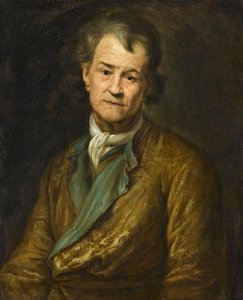
Pierre Puget
1620 - 1694 , Francia
Dettagli rapidi
- Artistic Movement Or Style: Barocco
- Artists Who Influenced This Artist:
- Annibale Carracci
- Rubens
- Michelangelo
- Bernini
- Date Of Birth: 16 ottobre 1620
- Date Of Death: 2 dicembre 1694
- Full Name: Pierre Puget
- Nationality: Francese
- Notable Artworks:
- Ercole a riposo
- Il Fauno in terracotta
- Porta dell'Hôtel de Ville
- Lapidazione di San Pietro
- Una fregata al mare
- Place Of Birth: Marsiglia, Francia
Articoli correlati

I 25 Capolavori di Pierre-Auguste Renoir: L'Essenza dell'Impressionismo
Scopri i 25 capolavori di Renoir e la magia dell'Impressionismo. Esplora la collezione su OriginalUniqueArt.com.

The Dramatic Flourish: Exploring the Baroque Movement's Enduring Legacy in Art History
Explore the dramatic world of Baroque art! Discover iconic artists like Caravaggio & Rubens, defining techniques, and its lasting impact on art history. Expert insights for collectors & enthusiasts at OriginalUniqueArt.

Il Dramma Barocco: Portare Splendore ed Emozione negli Interni Contemporanei
Scopri come portare il dramma e lo splendore dell'arte barocca nei tuoi interni con . Riproduzioni di alta qualità, consulenza d'arte personalizzata e ispirazione per uno stile unico.

I 10 Capolavori Barocchi che Hanno Definito un'Epoca | Arte e Decorazioni di Lusso
Esplora i 10 capolavori barocchi di Caravaggio, Bernini e Rembrandt che hanno rivoluzionato l'arte. Scopri storie, tecniche e colori iconici. Trova riproduzioni d'arte di alta qualità per la tua casa su !

Baroque Classicism: The Grandeur of Order and Drama in 17th-Century Art History
Explore the profound elegance of Baroque Classicism. Discover how 17th-century masters synthesized dramatic emotion with classical order through the lens of the Counter-Reformation and the works of legends like Carlo Maratta and Andrea Sacchi.


