Baroque
Philosopher (Pierre Puget)
Pierre Puget (1620–1694) ha realizzato Philosopher. Fa parte del movimento Baroque. È realizzato in Marble. È conservata presso il Collezioni di Pittura dello Stato della Baviera a Monaco, Germania.

 Dipinto a olio fatto a mano
 Invia
 Condividi
 Scheda didattica


 Scarica
 Simili
 Slideshow
 Domande e risposte

 Statistiche
Philosopher, in breve
- Titolo
- Philosopher
- Artista
- Pierre Puget (1620–1694)
- Artista nato a
- Marsiglia, Francia
- Tecnica
- Marble
- Dove vederlo
- Collezioni di Pittura dello Stato della Baviera, Monaco, Germania
- Movimento
- Baroque
- Epoca
- Early Modern
- Soggetto
- man, bust, marble, beard, face, sculpture
Cosa raffigura Philosopher?
The Portrait Bust of a Philosopher
Pierre Puget’s Philosopher presents a marble bust focused on the psychological depth of its subject. The sculpture captures a figure from the chest up, emphasizing a countenance designed to convey wisdom and intense contemplation. Through the careful rendering of facial features, the work moves beyond mere likeness to suggest a state of profound intellectualism.
The subject's expression is defined by a furrowed brow and a slightly downturned mouth. These specific details imbue the figure with a sense of thoughtfulness, bordering on melancholy. This emotional weight provides a human dimension to the classical form, suggesting a mind preoccupied with complex truths.
Composition and Visual Elements
The composition is centered and direct, presenting the bust from the chest up against a dark, near-black background. This high-contrast setting isolates the subject, ensuring the viewer's attention remains fixed upon the form. The face acts as the primary focal point, drawing the eye through a deliberate arrangement of light and shadow.
Lighting is directed from above and slightly to the left, producing a chiaroscuro effect. This technique defines the three-dimensional volume of the marble, casting deep shadows that emphasize the contours of the neck, shoulders, and the folds of the beard. The interplay of light and dark creates a sense of recession and physical depth within the frame.
The subject's expression is characterized by a furrowed brow and a slightly downturned mouth. These features, combined with the organic, curved lines of the facial structure, suggest a state of intense contemplation or melancholy. The tension in the brow provides a psychological weight to the physical presence of the sculpture.
Technique and Material Properties
The sculpture is executed in marble, utilizing subtractive methods to reveal the form from the stone. The process involves the deliberate carving away of material from a solid block to define the anatomical features and the character's contemplative expression.
The artist employs varied surface treatments to create tactile contrast. The smoothness of the marble is used to represent the skin of the face, while more deliberate, rougher textures are applied to the hair and beard. This manipulation of the stone's surface creates a sense of volume and depth through the interplay of light and shadow across the different finishes.
Artistic Style and Influences
The sculpture adheres to a classical tradition, emphasizing realism and idealized representation. It captures the subject through a lens of profound introspection, utilizing a furrowed brow and a slightly downturned mouth to suggest a state of contemplation or melancholy. This focus on the internal life of the subject aligns with a broader sculptural movement that seeks to balance physical accuracy with the expression of human thought.
Puget’s approach to form is characterized by an emphasis on emotion, pathos, and drama. The work reflects the influence of Michelangelo’s powerful, muscular figures, particularly in the way the anatomy and facial features convey a sense of weight and gravity. This intensity is further shaped by the dynamic compositions associated with Bernini, which prioritize movement and theatricality even within the stillness of stone.
The interplay of light and shadow, or chiaroscuro, defines the contours of the face and the deep folds of the beard. This technique heightens the three-dimensional presence of the marble, transforming the static bust into a study of volume and depth. The result is a work that prioritizes the expressive power of the human form over mere decorative imitation.
Related Works by Pierre Puget
Puget’s sculptural output includes several significant commissions for the French court and major collections. His work on the figure of Hercules, currently known as the Hercule gaulois in the Louvre, demonstrates his ability to handle large-scale marble forms. This interest in mythological subjects is further seen in the group Perseus and Andromeda, which was completed in 1684. These works reflect the dramatic intensity and expressive realism characteristic of his approach to the human form.
The artist also engaged with relief sculpture and high-stakes mythological narratives. He produced the bas-relief Alexander and Diogenes, created between about 1671 and 1693. Additionally, his repertoire includes the sculpture Milo of Croton, a work produced between about 1671 and 1684. These pieces illustrate the breadth of his technical skill in both free-standing and relief formats.
In quale museo si trova Philosopher?
Collezioni di Pittura dello Stato della Baviera
Monaco, Germania
Un'eredità delle Collezioni di Pittura dello Stato della Baviera Le Collezioni di Pittura dello Stato della Baviera, situate a Monaco di Baviera, in Germania, hanno iniziato il loro percorso istituzionale nel 1799, nascendo come Centralgemäldegaleriedirektion. Questa fondazione ha gettato le basi per la salvaguardia dell'arte europea, delineando un quadro che continua ancora oggi a definire il panorama culturale della città. Le radici della collezione affondano nei secoli passati, risalendo fino al XVI secolo, con tesori di inestimabile valore che risalgono all'epoca di Guglielmo IV (1508-1550).


Immagini ad alta risoluzione di Philosopher
Pubblico dominio: l'artista è deceduto nel 1694.
Pierre Puget, Philosopher, Collezioni di Pittura dello Stato della Baviera. Pubblico dominio
Domande su Philosopher, risposte
In quale museo è conservato l'originale di "Philosopher"?
Puoi ammirare l'originale "Philosopher" presso il Collezioni di Pittura dello Stato della Baviera, Monaco, Germania.
Quale tecnica è stata utilizzata per "Philosopher" di Pierre Puget?
La tecnica utilizzata per "Philosopher" di Pierre Puget è Marble. Le riproduzioni mirano a restituire l'aspetto di questa tecnica.
Qual è il soggetto di "Philosopher"?
I soggetti di "Philosopher" sono man, bust, marble, beard, face, sculpture, gray, white.
"Philosopher" è di pubblico dominio?
"Philosopher" di Pierre Puget è di pubblico dominio - il copyright è scaduto. Questo stato determina le modalità con cui l'immagine dell'opera può essere riprodotta.
A quale artista è attribuito "Philosopher"?
"Philosopher" è stata creata da Pierre Puget. Le informazioni contenute in questa pagina descrivono l'opera originale di Pierre Puget.
A quale movimento artistico appartiene "Philosopher" di Pierre Puget?
"Philosopher" di Pierre Puget appartiene al movimento Baroque. Questo movimento fornisce il contesto stilistico dell'opera.
Qual è la spiegazione relativa allo stato del copyright di "Philosopher" di Pierre Puget?
"Philosopher" di Pierre Puget è di di pubblico dominio - il copyright è scaduto. I termini del copyright si calcolano a partire dalla morte dell'artista, e Pierre Puget è deceduto nel 1694.
"Philosopher" di Pierre Puget si trova nel paese d'origine dell'artista?
No - l'opera si trova all'estero. Il paese di nascita di Pierre Puget è Francia, mentre il museo che custodisce l'originale di "Philosopher" si trova in Germania.
In che modo "Philosopher" si inserisce nei temi e nello stile di Pierre Puget?
"Philosopher" condivide con le altre opere di Pierre Puget lo stile Baroque e i temi ricorrenti: pietro da cortona, michelangelo and bernini, baroque dynamism, classical forms, expressive realism.
Informazioni sull'artista, Pierre Puget
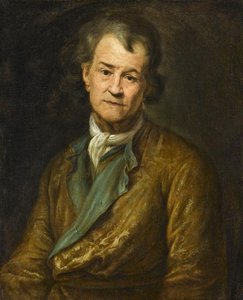
1620–1694, Francia
Pierre Puget
Pierre Puget: Una Vita tra Arte e Ingegneria Nato: Marsiglia, Francia (1620) Morto: 1694 Primi Anni e Influenze Italiane Apprendistato: Puget iniziò la sua carriera all'età di quattordici anni, intagliando ornamenti per le galere costruite a Marsiglia. Questa prima esposizione alla lavorazione del legno pose le basi per i suoi successivi impegni artistici. Viaggio in Italia (1640): In cerca di opportunità, viaggiò in Italia, inizialmente a Livorno e poi a Firenze. Affinò le sue abilità come intagliatore del legno e pittore.
Altre opere di Pierre Puget
 L'incontro tra Alessandro Magno e Diogene1671
 Milone di Crotone1671
 Autoritratto1668
 Vista sul mare1670
Saggi su Philosopher
 Pierre Puget: 25 sculture e dipinti che hanno rivoluzionato il BaroccoScopri le 25 opere iconiche di Pierre Puget tra sculture e dipinti barocchi. Esplora la collezione completa su OriginalUniqueArt.com.
 Visual Structure in Portraiture: How Composition and Lighting Define CharacterMaster the art of portraiture through composition and light. Learn how masters define character with expert visual techniques.
 I 25 capolavori delle Collezioni Statali di Pittura di Monaco: l'essenza dell'arte europeaScopri i 25 capolavori delle Pinakothek di Monaco, da Rembrandt a Klimt. Esplora la collezione su OriginalUniqueArt.com.