

 Anteprima in scala reale
 Invia
Invia Condividi
 Dettagli opera

 Scarica immagine
 Simili
 Radiografia
 Slideshow
The bathing

 Espandi i dettagli
Giclée / Stampe d'arte
Stampa giclée o su tela di qualità museale, con produzione rapida e diverse opzioni di finitura. ( Acquista il dipinto realizzato a mano Acquista immagine)




































Scegli tra le nostre dimensioni predefinite, che rispettano le proporzioni originali dell'opera d'arte.

È possibile inserire dimensioni personalizzate per adattare l'opera a una cornice o a uno spazio specifico. Se la dimensione selezionata non corrisponde alle proporzioni dell'immagine originale, procederemo al ritaglio dell'opera o all'estensione dell'immagine con un bordo specchiato o a tinta unita. Un mockup digitale ti verrà inviato per approvazione prima dell'inizio della produzione.
Si prega di notare che l'anteprima a schermo non riflette il ritaglio o l'estensione effettivi. Solo il mockup mostrerà accuratamente la composizione finale.
Sebbene siano disponibili dimensioni personalizzate, si raccomanda di selezionare una dimensione dall'elenco predefinito per preservare le proporzioni originali.
Consegna in tutto il mondo () in 2 settimane invece delle normali 4/5 settimane. (2 Settembre)

Spedizione espressa gratuita in tutto il mondo

Tela in lino di alta qualità

Assicurazione completa sulla spedizione

Garanzia di rimborso dei dazi doganali

Garanzia di fedeltà cromatica

Politica di reso entro 60 giorni (solo per difetti di fabbricazione)

Garanzia di rimborso al 100%

Offerta per acquisti multipli
 L'opzione vetro è disponibile solo per dimensioni inferiori a 110 cm

The bathing
Giclée / Stampe d'arte
Dimensioni riproduzione
-


Prezzo totale calcolato
$ 80
Biografia dell'artista
The Luminous Vision of Pierre Eugène Montézin
Born in the heart of Paris on October 16th, 1874, Pierre Eugène Montézin emerged as a profound voice within the Impressionist movement, a painter whose soul was deeply tethered to the rhythms of the natural world. His early life was shaped by a unique duality of influence; while his father, a meticulous lace designer, imparted an appreciation for precision and the delicate intricacies of pattern, it was the expansive landscapes of the French countryside that truly captured his heart. These formative excursions through the verdant landscapes of France instilled in him a lifelong reverence for the panorama, a devotion that would eventually transform him into what many call a landscape poet.
The trajectory of Montézin’s artistry took a decisive turn when he entered the studio of Ernest Quost around 1903. Under Quost’s mentorship, the seeds of Impressionist philosophy began to bloom within him. He learned to look beyond mere representation, seeking instead to capture the ephemeral dance of light and the shifting moods of the atmosphere. His training in mural painting further enriched his repertoire, providing him with a sophisticated understanding of how color and scale could evoke deep emotional responses. This technical foundation allowed him to master the art of spontaneity, using loose, expressive brushstrokes to breathe life into scenes of rural tranquility.
A Mastery of Light and Rural Serenity
Montézin’s body of work is characterized by an unwavering commitment to the authentic portrayal of nature and the quiet dignity of country life. Eschewing the grand, often heavy-handed allegories prevalent in the academic art of his era, he found his greatest inspiration in the subtle transitions of a season or the soft glow of dawn over a riverbank. His paintings, such as Landscape with Two Fishermen, serve as windows into a world where time seems to slow, inviting the viewer to experience the serene stillness of the outdoors.
His technical approach was a masterful blend of his inherited precision and his acquired Impressionistic fluidity. One can observe this in works like Alley in the Forest, where the warmth of autumnal colors is balanced by a structured sense of depth. His ability to manipulate light—whether it be the crisp, biting chill of a winter scene in Bineau Boulevard under the Snow or the shimmering reflections on water—demonstrates a profound sensitivity to the fleeting moments that define our perception of reality. Through his palette, Montézin did not merely paint landscapes; he captured the very breath of the earth.
Legacy and Artistic Triumph
The path to recognition was not without its challenges. In the early years of his career, Montézin faced the formidable gatekeepers of the Salon des Artistes Français, where the traditional preference for portraiture and historical subjects often cast landscape painting into a secondary light. However, his persistence was rewarded when he gained acceptance in 1903, eventually earning accolades that solidified his standing within the French art community. His ability to navigate the tension between meticulous observation and Impressionistic freedom allowed him to create a body of work that felt both grounded and ethereal.
Today, the significance of Pierre Eugène Montézin lies in his ability to have elevated the humble landscape to a level of poetic importance. His legacy is found in:
- The Emotional Resonance of Nature: His capacity to translate the physical world into an emotional experience through color and light.
- Technical Versatility: The seamless integration of mural-scale atmospheric depth with the delicate touch of a naturalist.
- Authentic Representation: A dedication to portraying rural life with a sincerity that avoids sentimentality, focusing instead on the raw beauty of the environment.
Through his eyes, we continue to rediscover the quiet majesty of the landscapes he so dearly loved, ensuring that his place as a master of Impressionistic landscape remains etched in the annals of art history.

pierre-eugène montézin
1874 - 1946
Dati rapidi
- Artistic Movement Or Style: Impressionism
- Artists Or Movements Influenced By This Artist: ['Post-Impressionism']
- Artists Who Influenced This Artist: ['Claude Monet']
- Date Of Birth: 1874
- Full Name: Pierre Eugène Montézin
- Nationality: French
- Notable Artworks:
- Le Quai De La Croix Blanche
- Pont sur la Riviere Loing
- Place Of Birth: Paris, France
Articoli correlati

I 10 Capolavori Impressionisti che Hanno Rivoluzionato il Paesaggio Pittorico
Esplora i 10 capolavori impressionisti che hanno rivoluzionato il paesaggio pittorico! Monet, Renoir e altri maestri catturati in stampe su tela di alta qualità. Trova l'arte perfetta per la tua casa su OriginalUniqueArt.com.

I 10 Capolavori Impressionisti che Hanno Rivoluzionato il Paesaggio Pittorico
Esplora i 10 capolavori impressionisti che hanno rivoluzionato il paesaggio pittorico! Monet, Renoir e altri maestri catturati in stampe su tela di alta qualità. Scopri la storia dell'arte e trova l'opera perfetta per arredare casa tua con OriginalUniqueArt.com.
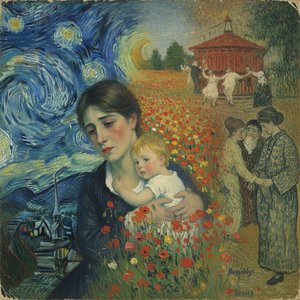
Capturing the Soul: The Most Emotionally Moving Impressionist and Post-Impressionist Masterpieces
Discover the profound emotional depth of Impressionist and Post-Impressionist masterpieces. Explore how legends like Monet, Van Gogh, and Gauguin captured light and soul through evocative landscapes and vibrant brushwork for a timeless connection to art history.

I 10 Capolavori del Paesaggio Romantico: Arte, Storia e Decorazioni di Lusso
Esplora i 10 capolavori del Paesaggio Romantico con OriginalUniqueArt.com! Caspar David Friedrich, Turner e altri maestri: storia, tecnica e colori che definiscono un'epoca. Trova riproduzioni d'arte di lusso per la tua casa. Scopri la collezione completa online!

Beyond the Horizon: A Curated Guide to Integrating Post-Impressionist Landscapes into Modern Interiors
Transform your home with the emotive power of Post-Impressionist landscapes. Discover expert tips on selecting hand-painted oil reproductions to create a soulful, vibrant interior that reflects your unique style and connection to nature.

