 Anteprima in scala reale
 Invia
Invia Condividi
 Dettagli opera
 Guida
Guida

 Scarica
 Simili
 Radiografia
 Slideshow
 Domande e risposte
 Statistiche
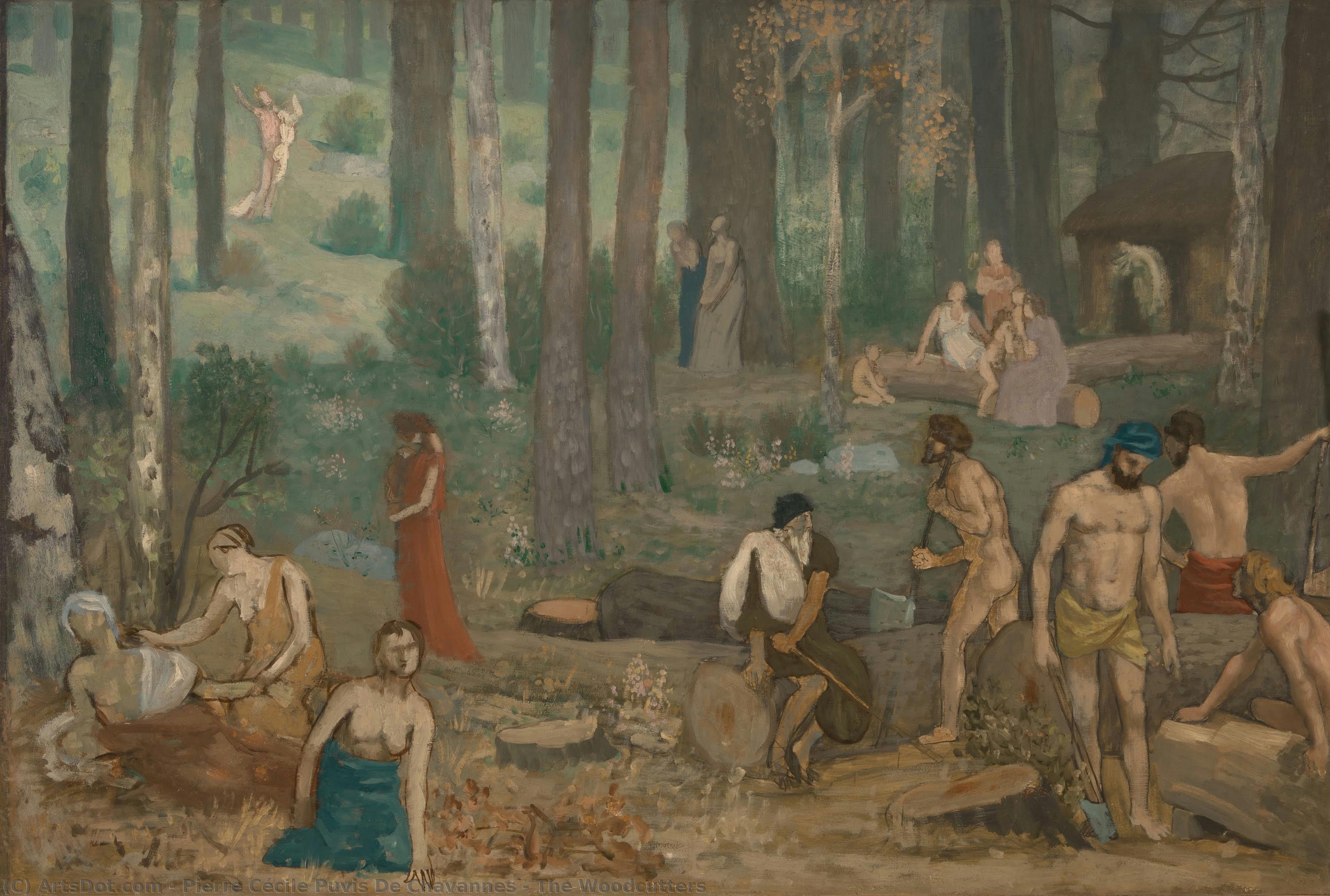
I boscaioli

- 76.0 x 111.0 cm


 Espandi i dettagli
Giclée / Stampe d'arte
Stampa giclée o su tela di qualità museale, con produzione rapida e diverse opzioni di finitura. ( Acquista il dipinto realizzato a mano Passa all'immagine digitale)




P118B €10

P118H €10

P118W €10

P438Z €10

P508JH €12

P508YH €12

P805H €10

P805Z €10

P919BZ €10

P919G €10

P919XJ €10

P959ZH €10

P968JZ €12

W106C €8

W218G €10

W218JH €8

W218Y €10

W307PJ €10

W316G €10

W316PJ €8

W316Y €10

W398PJ €8

W4111J €10

W500HY €15

W500JH €15

W692G €12

W849H €8

W940BG €15

W953PJ €8




Scegli tra le nostre dimensioni predefinite, che rispettano le proporzioni originali dell'opera d'arte.

Inserisci la larghezza e l'altezza desiderate, per adattarle alla tua cornice o alla tua parete. Una stampa può essere solo ritagliata, mai resa più grande dell'immagine originale; pertanto, un formato con una forma differente comporterà la perdita di una parte dell'opera. Ti invieremo un mockup digitale da approvare prima di procedere con la stampa. L'immagine mostrata in questa pagina non rappresenta il ritaglio reale — solo il mockup lo mostra.
Consegna in tutto il mondo () in 2 settimane invece delle normali 4/5 settimane. (5 Novembre)

Spedizione espressa gratuita in tutto il mondo

Tela in lino di alta qualità

Assicurazione completa sulla spedizione

Garanzia di rimborso dei dazi doganali

Garanzia di fedeltà cromatica assoluta

Politica di reso entro 100 giorni (solo per difetti di fabbricazione)

Garanzia di rimborso al 100%

Offerta per acquisti multipli
 L'opzione vetro è disponibile solo per dimensioni inferiori a 110 cm

I boscaioli
Giclée / Stampe d'arte
Dimensioni riproduzione
-


Prezzo finale calcolato
€ 72
Un Paesaggio Pastorale Onirico: L'Essenza de I boscaioli
Nella quiete di una foresta punteggiata dal sole, Pierre Cécile Puvis de Chavannes ci invita in un regno dove il tempo sembra sospendere il suo cammino. I boscaioli non è una semplice rappresentazione del lavoro; è una finestra evocativa su uno stato primordiale di armonia tra l'umanità e la natura. La scena si svela con un senso di profonda quiete, catturando un gruppo eterogeneo di figure — uomini, donne e bambini — impegnati nei compiti ritmici ed elementari della vita boschiva. Guardando la tela, emerge un'immediata sensazione di camaraderie e scopo condiviso. La presenza di ciotole sparse e di una rustica capanna suggerisce un'esistenza comunitaria, un momento di ristoro in cui i confini tra il domestico e il selvaggio si sfumano in un'unica, pacifica narrazione.
La composizione possiede una qualità onirica unica che la distingue dall'energia più frenetica del movimento impressionista. Mentre i suoi contemporanei erano ossessionati dagli effetti fugaci della luce, Puvis de Chavannes cercava qualcosa di più duraturo e monumentale. In I boscaioli, ammiriamo la maestria dell'artista nella piattezza spaziale e un approccio deliberato, quasi scultoreo, alla forma. Le figure in primo piano, in particolare gli uomini impegnati nel loro affanno, sono rese con un modellato robusto che conferisce loro una presenza tattile, eppure rimangono ancorate a un paesaggio che appare tanto come un ricordo quanto come un luogo fisico. Questo intreccio tra peso e leggerezza eterea crea una tensione affascinante, trascinando lo spettatore sempre più a fondo nell'abbraccio misterioso della foresta.
Simbolismo ed Eco Classica
Sotto la superficie di questa scena pastorale giace uno strato di profonda densità simbolica che invita a infinite interpretazioni. Il dipinto funziona come un'enigmatica allegoria, dove ogni elemento può sussurrare una verità classica più ampia. Un dettaglio particolarmente sorprendente è la figura che scende da una collina distante sullo sfondo, portando con sé una lira. Questa silhouette evoca fortemente Orfeo, il poeta mitico la cui musica poteva incantare persino gli oggetti inanimati della natura. Attraverso questa sottile inclusione, l'artista potrebbe suggerire il potere civilizzatore dell'arte e della cultura — l'idea che la melodia e il mito possano armonizzare gli impulsi grezzi e indomiti dell'esistenza umana. Trasforma una semplice scena di disboscamento in una meditazione sugli effetti civilizzatori dello spirito umano sul mondo naturale.
La tavolozza dei colori esalta ulteriormente questo senso di atemporalità. Utilizzando toni gessosi e smorzati e contorni decisi e deliberati, Puvis de Chavannes raggiunge un'eleganza decorativa che appare allo stesso tempo antica e moderna. I verdi morbidi, i marroni terrosi e gli ocra pallidi creano un'atmosfera coesa che evita le transizioni stridenti del realismo, optando invece per un'unità ritmica. Per il collezionista attento o l'interior designer, quest'opera offre più della semplice bellezza visiva; fornisce un ancoraggio emotivo. È un'opera che cattura l'attenzione attraverso la sua sottigliezza, offrendo un senso di tranquillità e profondità intellettuale capace di trasformare qualsiasi spazio sofisticato in un santuario di riflessione.
Un Capolavoro per l'Interno Moderno
Per coloro che desiderano curare una collezione definita dall'eleganza e dal significato storico, I boscaioli si pone come una scelta incomparabile. Come riproduzione di alta qualità, quest'opera d'arte porta la visione monumentale di un maestro che ha rivitalizzato l'arte del murale nell'ambiente intimo di una casa o di una galleria. La capacità del dipinto di evocare un umore di serenità e nostalgia lo rende un elemento centrale versatile, capace di completare sia l'arredamento classico che quello contemporaneo. Funge da spunto di conversazione che colma il divario tra la tradizione francese del XIX secolo e il moderno desiderio di pace in un mondo sempre più caotico.
Possedere un pezzo di questo calibro è un investimento nell'atmosfera. Che sia collocato in uno studio illuminato dal sole o in un grandioso salone, le texture morbide e il soggetto evocativo del dipinto forniscono una costante fonte di ispirazione. Invita l'occhio a vagare attraverso i suoi boschi, a scoprire le figure nascoste tra gli alberi e a perdersi nell'eterna, silenziosa bellezza della visione di Puvis de Chavannes. Esporre quest'opera significa invitare lo spirito senza tempo della foresta e l'eredità duratura del Simbolismo francese nel proprio ambiente personale.
Domande e risposte
Quando è stata creata "I boscaioli" e a quale movimento appartiene?
"I boscaioli" è stata realizzata nel 1873, nell'ambito del movimento Simbolismo.
"I boscaioli" è rimasta nel paese d'origine dell'artista?
No - l'opera si trova all'estero. Il paese di nascita di Pierre Cécile Puvis de Chavannes è Francia, mentre il museo che custodisce l'originale di "I boscaioli" si trova in Estados Unidos de América.
Qual è la dimensione di stampa consigliata per "I boscaioli" di Pierre Cécile Puvis de Chavannes?
Per "I boscaioli" di Pierre Cécile Puvis de Chavannes, si consiglia una riproduzione di Grande formato. Le dimensioni possono essere modificate mantenendo invariate le proporzioni.
Biografia dell'artista
A Life Dedicated to Monumental Visions
Pierre Cécile Puvis de Chavannes, a name often simply rendered as Puvis de Chavannes, occupies a unique and pivotal position in 19th-century French art. Born in Lyon in 1824, he rose to become known as “the painter for France,” a testament to his profound impact on public art during the early years of the Third Republic. His legacy extends far beyond mere decoration; Puvis de Chavannes crafted visual narratives that embodied national ideals and resonated with a generation grappling with political and social transformation. He wasn’t merely illustrating history, but actively shaping its visual memory for the future. His influence on subsequent artists, particularly those aligned with Symbolism and Art Nouveau, is undeniable, and his collaborative spirit extended to working alongside medallists, offering designs and insightful suggestions.From Engineering Aspirations to Artistic Devotion
The early life of Pierre-Cécile Puvis was marked by a trajectory that initially diverged from the world of art. Born into a family of modest means – his father an engineer descended from Burgundy nobility – he received an education at Amiens College and Lycée Henri IV in Paris, preparing him for a career following in his father’s footsteps. However, a serious illness proved to be a turning point, forcing a period of convalescence that allowed space for introspection and the burgeoning of artistic inclinations. A transformative journey to Italy ignited within him a passion for painting, prompting a decisive shift away from engineering and towards a life dedicated to creative expression. He embraced his ancestral heritage by incorporating “de Chavannes” into his name, a subtle assertion of identity and lineage. His formal training included brief mentorships under luminaries like Eugène Delacroix, Henri Scheffer, and Thomas Couture, yet he ultimately favored independent study, establishing a spacious studio near the Gare de Lyon that became a hub for artistic exploration. He diligently honed his understanding of anatomy through classes at the Académie des Beaux Arts, laying a solid foundation for his later monumental works.The Genesis of a Symbolist Style
Puvis de Chavannes’s artistic style is generally categorized as Symbolist, though it evolved from roots in Romanticism. His work is instantly recognizable by its simplified forms, rhythmic linear compositions, and a distinctive, muted palette reminiscent of fresco painting. He wasn't interested in photographic realism; instead, he sought to distill essence, to capture the underlying spirit of his subjects. He frequently drew inspiration from classical antiquity and idealized landscapes, weaving allegorical themes into grand narratives. His early commissions, beginning in the 1860s at the Musée de Picardie in Amiens – including *Concordia*, *Bellum*, *Le Travail* (Work), and *Le Repos* (Rest) – established his reputation for large-scale mural paintings. These weren’t simply decorative elements; they were carefully considered statements about civic virtue, labor, and the pursuit of harmony. Later, a significant series of murals commissioned for the Museum of Fine Arts in Lyon further cemented his position as a leading figure in public art. Notable works like *The Woodcutters* (1873), currently housed at the San Antonio Museum of Art, demonstrate his ability to imbue everyday scenes with symbolic weight and poetic grace. Paintings such as *Massilia*, Greek Colony,*Sacred Grove,*and *Study for Patriotism* exemplify his characteristic style and thematic interests, showcasing nude figures within evocative landscapes that invite contemplation.A Lasting Legacy: Influence and Historical Significance
The impact of Puvis de Chavannes on the artistic landscape of France – and beyond – was profound. He is credited with influencing an entire generation of painters and sculptors, particularly those associated with Modernism. His emphasis on simplified forms, decorative patterns, and allegorical themes resonated deeply with artists seeking to break away from traditional academic constraints. Georges de Feure was among his notable protégés, benefiting directly from his guidance and mentorship. Beyond painting, Puvis actively collaborated with medallists, providing designs and suggestions that enriched their work. Émile Zola eloquently lauded his art as “an art made of reason, passion, and will,” capturing the intellectual and emotional depth inherent in his creations. His most celebrated achievement lies in his contribution to the development of public art during a period of significant political and social change in France. His murals weren’t merely aesthetic enhancements; they were intended to embody national ideals and provide visual narratives for civic spaces, fostering a sense of collective identity and shared values. The monumental murals at the Panthéon in Paris, illustrating the life of St. Geneviève, stand as enduring testaments to his skill and vision. Puvis de Chavannes remains an important figure in 19th-century French art, bridging the gap between Romanticism and Symbolism and paving the way for the artistic innovations of the modern era. His work continues to inspire awe and admiration, reminding us of the power of art to shape our understanding of history, culture, and the human condition.
Pierre Cécile Puvis de Chavannes
1824 - 1898 , Francia
Dettagli rapidi
- Artistic Movement Or Style: Symbolism
- Artists Who Influenced This Artist:
- Delacroix
- Scheffer
- Couture
- Date Of Birth: December 14, 1824
- Date Of Death: 1898
- Full Name: Pierre Cécile Puvis de Chavannes
- Nationality: French
- Notable Artworks:
- The Woodcutters
- Massilia
- Sacred Grove
- Peace
- Study for Patriotism
- Place Of Birth: Lyon, France
Articoli correlati
Murales di Design: Come Ancorare un Tema e Trasformare gli Spazi con l'Arte
Scopri come i murales possono trasformare il tuo spazio! Consulenza di esperti, opere d'arte su misura e soluzioni esclusive per interior design di lusso. .

Tendenze Murali 2024: Dalle Scene Tropicali all'Oro Geometrico, le Scelte Più Gettonate
Scopri le tendenze murali più richieste nel design d'interni! Murales tropicali, geometrici in oro e molto altro. Trova ispirazione e soluzioni personalizzate per il tuo progetto con .
Murali Personalizzati: L'Identità Visiva del Tuo Brand di Design
Crea un'identità visiva unica con murales personalizzati di alta qualità. offre consulenza esperta, design su misura e installazione professionale per hotel, uffici e spazi commerciali.

Murales in Cucina e Bagno: L'Eleganza del Design di Alto Livello
Scopri come i murales trasformano cucine e bagni in spazi unici! Consigli di esperti, materiali pregiati e soluzioni personalizzate per un design d'interni di lusso. : arte su misura per il tuo stile.
Trasforma il Tuo Atrio in un'Opera d'Arte: Murales per un Impatto Indimenticabile
Trasforma il tuo atrio in un'opera d'arte con murales personalizzati di alta qualità! Scopri artisti esperti, design esclusivi e soluzioni su misura per hotel e spazi di lusso. : la tua garanzia di eccellenza.


