Anteprima in scala reale
 Invia
Invia Condividi
 Dettagli opera
 Guida
Guida

 Scarica
 Simili
 Radiografia
 Slideshow
 Domande e risposte
 Statistiche
Sombre Nude

- 65.0 x 81.0 cm


 Espandi i dettagli
Giclée / Stampe d'arte
Stampa giclée o su tela di qualità museale, con produzione rapida e diverse opzioni di finitura. ( Acquista il dipinto realizzato a mano Passa all'immagine digitale)




P118B €10

P118H €10

P118W €10

P438Z €10

P508JH €12

P508YH €12

P805H €10

P805Z €10

P919BZ €10

P919G €10

P919XJ €10

P959ZH €10

P968JZ €12

W106C €8

W218G €10

W218JH €8

W218Y €10

W307PJ €10

W316G €10

W316PJ €8

W316Y €10

W398PJ €8

W4111J €10

W500HY €15

W500JH €15

W692G €12

W849H €8

W940BG €15

W953PJ €8




Scegli tra le nostre dimensioni predefinite, che rispettano le proporzioni originali dell'opera d'arte.

Inserisci la larghezza e l'altezza desiderate, per adattarle alla tua cornice o alla tua parete. Una stampa può essere solo ritagliata, mai resa più grande dell'immagine originale; pertanto, un formato con una forma differente comporterà la perdita di una parte dell'opera. Ti invieremo un mockup digitale da approvare prima di procedere con la stampa. L'immagine mostrata in questa pagina non rappresenta il ritaglio reale — solo il mockup lo mostra.
Consegna in tutto il mondo () in 2 settimane invece delle normali 4/5 settimane. (4 Novembre)

Spedizione espressa gratuita in tutto il mondo

Tela in lino di alta qualità

Assicurazione completa sulla spedizione

Garanzia di rimborso dei dazi doganali

Garanzia di fedeltà cromatica assoluta

Politica di reso entro 100 giorni (solo per difetti di fabbricazione)

Garanzia di rimborso al 100%

Offerta per acquisti multipli
 L'opzione vetro è disponibile solo per dimensioni inferiori a 110 cm

Sombre Nude
Giclée / Stampe d'arte
Dimensioni riproduzione
-


Prezzo finale calcolato
€ 72
A Study in Warmth and Intimacy: Pierre Bonnard’s *Sombre Nude*
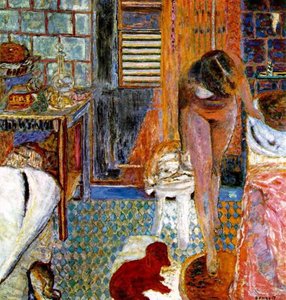
Pierre Bonnard's Sombre Nude, painted in 1941, offers a poignant glimpse into the artist’s masterful exploration of light, color, and human form. This intimate scene, measuring 65 x 81 cm, transcends mere representation; it is an embodiment of Bonnard’s deeply personal vision, reflecting his evolving approach to capturing fleeting moments of domestic tranquility. The painting depicts a woman seated on the ground, her back turned towards the viewer, enveloped in a warm palette dominated by rich reds and yellows. This deliberate use of color isn't simply decorative; it speaks to Bonnard’s fascination with the effects of light and shadow, particularly as he observed them within his own studio.
- Subject Matter: The nude figure is presented not in a classical, heroic pose but rather in a vulnerable, almost meditative state. This departure from traditional nudes aligns with Bonnard’s broader rejection of academic conventions and his desire to depict the everyday realities of life.
- Color Palette: The dominant reds and yellows evoke a sense of warmth and intimacy, reminiscent of candlelight or the glow of a hearth – elements frequently found in Bonnard's depictions of domestic interiors.
- Composition: The dynamic composition draws the eye to the central figure, while the subtle inclusion of leaves in the upper right corner introduces an element of naturalism, grounding the scene and suggesting a connection to the outside world.
The Nabis Influence and Bonnard’s Artistic Evolution
Painted during a pivotal period in Bonnard's career, *Sombre Nude* reflects his ongoing engagement with the Nabis movement. This group of artists, deeply influenced by Japanese prints and Symbolist ideals, sought to evoke emotion through color and atmosphere rather than strict realism. The Nabis’ emphasis on subjective experience is clearly evident here – Bonnard isn’t simply painting a woman; he's conveying a mood, an impression, a feeling of quiet contemplation. His earlier work in caricature provided him with a keen eye for detail and observation, skills that he skillfully employed to create this evocative image. The subtle distortions of form and the emphasis on color contribute to the painting’s dreamlike quality.
Historical Context: The painting was created in 1941, during the tumultuous years of World War II. This period undoubtedly influenced Bonnard's work, adding a layer of melancholy and introspection to his art. The war served as a backdrop for many artists’ reflections on mortality and the fragility of human existence.Technique and Materiality: A Masterclass in Impressionism
Bonnard’s technique is characterized by loose brushstrokes, layered color washes, and a deliberate avoidance of sharp outlines. He employed a glazing method – applying thin layers of transparent paint over one another – to build up depth and luminosity. This meticulous process allowed him to capture the subtle nuances of light and shadow with remarkable precision. The use of thick impasto in certain areas adds textural richness, further enhancing the painting’s tactile quality. The canvas itself is a crucial element; Bonnard's skillful manipulation of surface texture contributes significantly to the overall effect.
Symbolism and Emotional Resonance
*Sombre Nude* resonates with a profound sense of quiet solitude and introspection. The woman’s averted gaze invites the viewer into her private world, prompting contemplation about themes of vulnerability, beauty, and the passage of time. The warm color palette contributes to this emotional impact, creating an atmosphere of serenity and melancholy. This painting is not merely a depiction of a nude figure; it's a meditation on the human condition, rendered with Bonnard’s signature sensitivity and artistic brilliance.
Domande e risposte
Quale emozione trasmette "Sombre Nude" di Pierre Bonnard?
Il tono emotivo registrato per "Sombre Nude" di Pierre Bonnard è Melancholic. Esso riassume la sensazione espressa dall'opera.
Quanto sono armoniosi i colori di "Sombre Nude"?
"Sombre Nude" di Pierre Bonnard presenta un'armonia cromatica Strong Color Unity.
In che modo "Sombre Nude" si inserisce nei temi e nello stile di Pierre Bonnard?
"Sombre Nude" condivide con le altre opere di Pierre Bonnard lo stile Nabis Nabis e i temi ricorrenti: nabis aesthetic influence, domestic interior scenes, color exploration, harmony, warm tonal palette, bonnard’s intimate style.
Biografia dell'artista
Primi anni e carriera
Pierre Bonnard, nato a Fontenay-aux-Roses il 3 ottobre 1867, proveniva da una famiglia benestante. Suo padre era un alto funzionario del ministero della guerra francese. Fin dalla giovinezza, dimostrò un talento artistico, nonostante le pressioni familiari che lo spingevano verso una carriera nel diritto. Studiò legge, ma si dedicò con passione alla pittura, frequentando l'Académie Julian e poi l'École des Beaux-Arts. Iniziò a esporre i suoi lavori fin dalla giovane età, mostrando influenze dell'arte giapponese e del movimento impressionista.L'influenza dei Nabi e il Post-Impressionismo
Nel 1891, Bonnard conobbe Toulouse-Lautrec e si avvicinò al gruppo dei Nabi (profeti), un collettivo di artisti che cercavano nuove forme espressive oltre l'impressionismo. Insieme a Maurice Denis, Paul Ranson ed Édouard Vuillard, i Nabi esplorarono temi simbolici e decorativi, influenzati dall'arte giapponese e dalla pittura sintetica. Bonnard collaborò con la rivista *La Revue Blanche*, realizzando illustrazioni che contribuirono alla sua crescente popolarità nel mondo artistico parigino.L'Intimismo e le scene domestiche
A partire dal 1900, Bonnard si concentrò su soggetti più intimi e personali, abbandonando gradualmente i temi simbolici dei Nabi. Prediligeva dipingere di memoria, utilizzando disegni come riferimento per creare opere caratterizzate da un'atmosfera onirica e suggestiva. Le sue scene domestiche, spesso raffiguranti sua moglie Marthe de Meligny, lo consacrarono come uno dei maggiori esponenti dell'intimismo nella pittura francese. Bonnard catturava la bellezza della vita quotidiana con una sensibilità unica, trasformando momenti fugaci in opere d'arte evocative e poetiche.Evoluzione stilistica e gli ultimi anni
Nel corso della sua carriera, Bonnard sviluppò uno stile pittorico sempre più personale, caratterizzato da colori vibranti, pennellate fluide e composizioni innovative. Abbandonò la prospettiva tradizionale per creare un senso di profondità illusorio, fondendo spesso elementi del primo piano e dello sfondo. Trascorse gli ultimi anni della sua vita a Le Cannet, sulla Costa Azzurra, dove dipinse giardini lussureggianti e scene domestiche con una tavolozza sempre più audace e luminosa. Morì il 23 gennaio 1947, lasciando un'eredità artistica di grande valore.Significato storico e opere principali
Pierre Bonnard è considerato uno dei maggiori pittori del XX secolo, per la sua capacità di trasformare la realtà quotidiana in arte sublime. La sua opera ha influenzato numerosi artisti successivi, contribuendo a definire l'estetica dell'intimismo e della pittura moderna. Tra le sue opere più importanti si ricordano:- Donna con abito a quadretti (1890)
- Il salotto di Marthe de Meligny (1912-1913)
- La terrazza a Vernet (1925)
- L'albero di mandorle in fiore (1947)
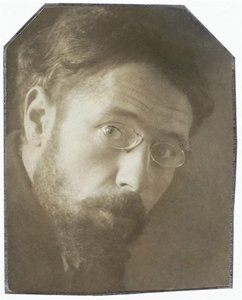
Pierre Bonnard
1867 - 1947 , Francia
Dettagli rapidi
- Artisti Influenti:
- Claude Monet
- Édouard Vuillard
- Paul Gauguin
- Data Di Nascita: 3 ottobre 1867
- Luogo Di Nascita: Fontenay-aux-Roses, Francia
- Movimento Artistico: Post-Impressionismo, Nabi
- Nazionalità: Francese
- Nome Completo: Pierre Bonnard
- Opere Notevoli:
- Donna con abito a quadretti
- L'albero di mandorle in fiore
Articoli correlati

Stampe Giclée: Guida alla Qualità Museale e alla Longevità dell'Arte Digitale
Scopri la vera tecnica Giclée e come distinguere una stampa d'arte da un poster. Impara a proteggere il tuo investimento artistico.
I 10 Dipinti Più Famosi Inondati di Giallo Cromatico: Arte e Decorazioni Raffinate
Esplora i 10 dipinti più iconici dominati dal giallo cromatico! Van Gogh, Monet e altri maestri celebrano questo colore vibrante. Scopri storie, tecniche e acquista stampe di alta qualità su OriginalUniqueArt.com.
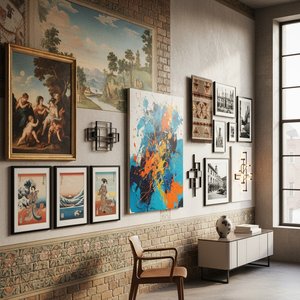
Transforming Spaces: A Comprehensive Exploration of Wall Decor Through Art History & Contemporary Practice
Explore the art of transforming spaces with our comprehensive guide to wall decor. From historical movements to contemporary trends, discover how to curate impactful interiors and commission bespoke artwork for a truly personalized aesthetic.

Esplosione di Colore: I 25 Capolavori Imperdibili di Henri Matisse
Scopri i 25 capolavori di Henri Matisse e l'energia del Fauvismo. Esplora la collezione su OriginalUniqueArt.com.
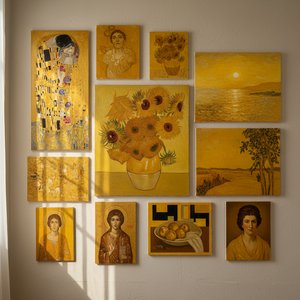
I 10 Dipinti Più Famosi Dominati dal Giallo Ocra: Arte e Decorazioni Raffinate
Esplora i 10 dipinti più iconici dominati dal giallo ocra! Scopri la storia di Van Gogh, Monet e altri maestri. Trova riproduzioni d'arte di alta qualità per decorare casa con stile su .