Anteprima in scala reale
 Condividi
 Condividi
 Dettagli
 Guida stampabile

 Scarica
 Articoli simili
 Radiografia
 Slideshow
 Statistiche
Paesaggio a Le Cannet
 Olio su tela
- Arte da parete
- Impressionismo
 1928
1928- Età Moderna
 128.0 x 278.0 cm
 Kimbell Art Museum
 Leggi tutto
Riproduzione a olio fatta a mano
Olio su tela dipinto a mano nelle tue dimensioni e con la tua cornice, realizzato su ordinazione dai nostri artisti. ( Passa alle stampe Passa all'immagine digitale)




P118B €10

P118H €10

P118W €10

P438Z €10

P508JH €12

P508YH €12

P805H €10

P805Z €10

P919BZ €10

P919G €10

P919XJ €10

P959ZH €10

P968JZ €12

W106C €8

W218G €10

W218JH €8

W218Y €10

W307PJ €10

W316G €10

W316PJ €8

W316Y €10

W398PJ €8

W4111J €10

W500HY €15

W500JH €15

W692G €12

W849H €8

W940BG €15

W953PJ €8




Scegli tra le nostre dimensioni predefinite, che rispettano le proporzioni originali dell'opera d'arte.

Inserisci la larghezza e l'altezza di cui hai bisogno, per adattarle alla tua cornice o alla tua parete. Trattandosi di un'opera dipinta a mano, in caso di dimensioni con una forma differente, l'artista può dipingere un po' più oltre i bordi dell'immagine o ritagliare leggermente — la scelta spetta a te. Ti invieremo un mockup digitale da approvare prima che la pittura abbia inizio. L'immagine mostrata in questa pagina non rappresenta il risultato reale — solo il mockup lo fa.
Dopo l'ordine, il team di OriginalUniqueArt.com contatterà il cliente via e-mail per ricevere le istruzioni e fornirà un'anteprima del mockup
Consegna in tutto il mondo () in 3/4 settimane anziché nelle normali 5 settimane. (25 Ottobre). Nessun compromesso sulla qualità.

Spedizione espressa gratuita in tutto il mondo

Tela in lino di alta qualità

Assicurazione completa sulla spedizione

Garanzia di rimborso dei dazi doganali

Garanzia di perfetta fedeltà cromatica

Politica di reso entro 100 giorni (solo per difetti di fabbricazione)

Garanzia di rimborso al 100%

Sconto per acquisti multipli
 L'opzione vetro è disponibile solo per dimensioni inferiori a 110 cm

Paesaggio a Le Cannet
Tecnica di riproduzione
Dimensioni della riproduzione
-


Prezzo totale
€ 263
A Symphony of Light and Memory
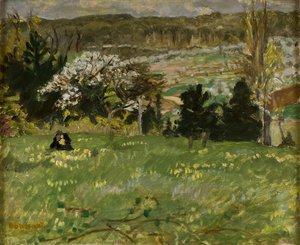
In the luminous realm of Pierre Bonnard’s “Landscape at Le Cannet,” the boundaries between reality and recollection begin to dissolve. Painted in 1928, this monumental canvas serves as a profound exploration of how light shapes our perception and how memory tints our lived experience. It is not merely a topographical record of the Provençal hillside where Bonnard resided; rather, it is an atmospheric journey into the heart of a moment captured through a subjective lens. The scene unfolds with a serene vitality, presenting a mountainous landscape bathed in an ethereal glow that seems to vibrate with life. Within this verdant expanse, tiny figures and horses move through the terrain, their presence adding a sense of quiet narrative to the sweeping vistas of trees, grass, and bushes under a brilliant blue sky.
To gaze upon this work is to witness the masterful manipulation of pigment that defined Bonnard’s unique contribution to modern art. While his roots were deeply entwined with the Impressionist fascination with fleeting daylight, Bonnard pushed far beyond mere optical representation. He sought to capture the emotional resonance of a place—the way a summer afternoon feels on the skin or the warmth of a sun-drenched garden held in the mind's eye. This pursuit of sensation over strict accuracy allows the painting to transcend its physical subject, offering viewers a window into a world where color and light act as the primary storytellers.
The Art of Optical Emotion
Technically, “Landscape at Le Cannet” is a triumph of Neo-Impressionist principles, yet it avoids the rigid, scientific constraints of traditional Pointillism. Instead of following a strict mathematical formula for color, Bonnard employed a more intuitive method of applying tiny dots and strokes of pure pigment. This technique, often referred to as optical mixing, allows the viewer's eye to blend the hues from a distance, creating a shimmering, luminous depth that feels remarkably alive. The palette is a breathtaking symphony of warm yellows, oranges, and reds, which collide with the cool blues of the sky to create a chromatic tension that is both energizing and soothing.
The meticulous layering of paint builds up tonal variations with such precision that the landscape appears to breathe. This method was never about replicating the physical world with photographic accuracy; it was about conveying feeling. For the discerning collector or interior designer, this technique offers a rare quality: a painting that changes character depending on the light of the room in which it hangs. The way the colors interact creates a sense of movement and depth, making the canvas a dynamic centerpiece capable of transforming the mood of any sophisticated space.
A Sanctuary of Color and Spirit
The historical and symbolic weight of this piece is anchored in its setting: Le Bosquet, Bonnard’s beloved garden near Cannes. For the artist, this landscape represented much more than a picturesque view; it was a sanctuary, a retreat from the relentless pressures of urban life and an affirmation of artistic contemplation. The influence of Paul Gauguin is palpable here, seen in the bold use of color and the simplified, almost decorative forms that lend the work its rhythmic beauty. This connection to the avant-garde spirit of the Nabis group ensures that the painting remains a cornerstone of modern aesthetic history.
For those seeking to bring a sense of peace and timeless elegance into their homes, “Landscape at Le Cannet” offers an unparalleled emotional impact. It invites the observer to slow down, to breathe in the warmth of the Provençal sun, and to find beauty in the quiet, harmonious blending of nature’s elements. Whether as a focal point in a contemporary gallery or a soulful addition to a classic study, this reproduction captures the enduring legacy of Pierre Bonnard—a master who taught us that art is not just what we see, but how we remember.
Domande e risposte
Quali sono le dimensioni reali di "Paesaggio a Le Cannet" di Pierre Bonnard?
L'originale "Paesaggio a Le Cannet" di Pierre Bonnard misura 128 x 278 cm.
In che modo i colori di "Paesaggio a Le Cannet" si relazionano tra loro?
I colori di "Paesaggio a Le Cannet" di Pierre Bonnard mostrano un'armonia Armonia equilibrata. L'armonia descrive il modo in cui i colori interagiscono tra loro.
Quanto sono intensi i colori di "Paesaggio a Le Cannet"?
Il colore di "Paesaggio a Le Cannet" presenta una saturazione di Saturazione morbida e bilanciata e un'intensità di Equilibrato.
Biografia dell'artista
Primi anni e carriera
Pierre Bonnard, nato a Fontenay-aux-Roses il 3 ottobre 1867, proveniva da una famiglia benestante. Suo padre era un alto funzionario del ministero della guerra francese. Fin dalla giovinezza, dimostrò un talento artistico, nonostante le pressioni familiari che lo spingevano verso una carriera nel diritto. Studiò legge, ma si dedicò con passione alla pittura, frequentando l'Académie Julian e poi l'École des Beaux-Arts. Iniziò a esporre i suoi lavori fin dalla giovane età, mostrando influenze dell'arte giapponese e del movimento impressionista.L'influenza dei Nabi e il Post-Impressionismo
Nel 1891, Bonnard conobbe Toulouse-Lautrec e si avvicinò al gruppo dei Nabi (profeti), un collettivo di artisti che cercavano nuove forme espressive oltre l'impressionismo. Insieme a Maurice Denis, Paul Ranson ed Édouard Vuillard, i Nabi esplorarono temi simbolici e decorativi, influenzati dall'arte giapponese e dalla pittura sintetica. Bonnard collaborò con la rivista *La Revue Blanche*, realizzando illustrazioni che contribuirono alla sua crescente popolarità nel mondo artistico parigino.L'Intimismo e le scene domestiche
A partire dal 1900, Bonnard si concentrò su soggetti più intimi e personali, abbandonando gradualmente i temi simbolici dei Nabi. Prediligeva dipingere di memoria, utilizzando disegni come riferimento per creare opere caratterizzate da un'atmosfera onirica e suggestiva. Le sue scene domestiche, spesso raffiguranti sua moglie Marthe de Meligny, lo consacrarono come uno dei maggiori esponenti dell'intimismo nella pittura francese. Bonnard catturava la bellezza della vita quotidiana con una sensibilità unica, trasformando momenti fugaci in opere d'arte evocative e poetiche.Evoluzione stilistica e gli ultimi anni
Nel corso della sua carriera, Bonnard sviluppò uno stile pittorico sempre più personale, caratterizzato da colori vibranti, pennellate fluide e composizioni innovative. Abbandonò la prospettiva tradizionale per creare un senso di profondità illusorio, fondendo spesso elementi del primo piano e dello sfondo. Trascorse gli ultimi anni della sua vita a Le Cannet, sulla Costa Azzurra, dove dipinse giardini lussureggianti e scene domestiche con una tavolozza sempre più audace e luminosa. Morì il 23 gennaio 1947, lasciando un'eredità artistica di grande valore.Significato storico e opere principali
Pierre Bonnard è considerato uno dei maggiori pittori del XX secolo, per la sua capacità di trasformare la realtà quotidiana in arte sublime. La sua opera ha influenzato numerosi artisti successivi, contribuendo a definire l'estetica dell'intimismo e della pittura moderna. Tra le sue opere più importanti si ricordano:- Donna con abito a quadretti (1890)
- Il salotto di Marthe de Meligny (1912-1913)
- La terrazza a Vernet (1925)
- L'albero di mandorle in fiore (1947)
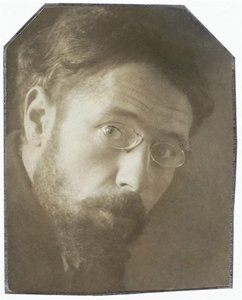
Pierre Bonnard
1867 - 1947 , Francia
Informazioni rapide
- Artisti Influenti:
- Claude Monet
- Édouard Vuillard
- Paul Gauguin
- Data Di Nascita: 3 ottobre 1867
- Luogo Di Nascita: Fontenay-aux-Roses, Francia
- Movimento Artistico: Post-Impressionismo, Nabi
- Nazionalità: Francese
- Nome Completo: Pierre Bonnard
- Opere Notevoli:
- Donna con abito a quadretti
- L'albero di mandorle in fiore
Articoli correlati

I 10 Capolavori Impressionisti che Hanno Rivoluzionato il Paesaggio Pittorico
Esplora i 10 capolavori impressionisti che hanno rivoluzionato il paesaggio pittorico! Monet, Renoir e altri maestri catturati in stampe su tela di alta qualità. Trova l'arte perfetta per la tua casa su OriginalUniqueArt.com.
Renoir: I 25 Capolavori Essenziali per Amare l'Impressionismo | OriginalUniqueArt
Esplora i 25 capolavori di Renoir, l'icona dell'Impressionismo! Scopri la storia, le tecniche e i colori vibranti dei suoi dipinti più famosi. Trova riproduzioni artistiche di alta qualità per decorare casa tua su OriginalUniqueArt.com.

I 10 Capolavori Impressionisti che Hanno Rivoluzionato il Paesaggio Pittorico
Esplora i 10 capolavori impressionisti che hanno rivoluzionato il paesaggio pittorico! Monet, Renoir e altri maestri catturati in stampe su tela di alta qualità. Scopri la storia dell'arte e trova l'opera perfetta per arredare casa tua con OriginalUniqueArt.com.

Evocations of Place: A Historical Journey Through Landscape Art
Explore the rich history of landscape art with OriginalUniqueArt. Discover renowned artists, movements like Impressionism & Romanticism, and expert guidance for collecting timeless pieces. Find your perfect serene escape today!

Paul Cézanne: I 25 Capolavori che Hanno Rivoluzionato l'Arte Moderna | OriginalUniqueArt
Esplora i 25 capolavori di Paul Cézanne, il maestro dell'impressionismo e post-impressionismo. Scopri la storia, le tecniche e i colori iconici dietro opere come 'Le grandi bagnanti' e 'Mont Sainte-Victoire'. Trova riproduzioni artistiche di alta qualità per decorare la tua casa su OriginalUniqueArt.com.