

 Anteprima in scala reale
 Invia
Invia Condividi
 Dettagli opera

 Scarica immagine
 Simili
 Radiografia
 Slideshow
Landscape (27)

 Espandi i dettagli
Giclée / Stampe d'arte
Stampa giclée o su tela di qualità museale, con produzione rapida e diverse opzioni di finitura. ( Acquista il dipinto realizzato a mano Acquista immagine)




P118B $10

P118H $10

P118W $10

P438Z $10

P508JH $12

P508YH $12

P805H $10

P805Z $10

P919BZ $10

P919G $10

P919XJ $10

P959ZH $10

P968JZ $12

W106C $8

W218G $10

W218JH $8

W218Y $10

W307PJ $10

W316G $10

W316PJ $8

W316Y $10

W398PJ $8

W4111J $10

W500HY $15

W500JH $15

W692G $12

W849H $8

W940BG $15

W953PJ $8




Scegli tra le nostre dimensioni predefinite, che rispettano le proporzioni originali dell'opera d'arte.

È possibile inserire dimensioni personalizzate per adattare l'opera a una cornice o a uno spazio specifico. Se la dimensione selezionata non corrisponde alle proporzioni dell'immagine originale, procederemo al ritaglio dell'opera o all'estensione dell'immagine con un bordo specchiato o a tinta unita. Un mockup digitale ti verrà inviato per approvazione prima dell'inizio della produzione.
Si prega di notare che l'anteprima a schermo non riflette il ritaglio o l'estensione effettivi. Solo il mockup mostrerà accuratamente la composizione finale.
Sebbene siano disponibili dimensioni personalizzate, si raccomanda di selezionare una dimensione dall'elenco predefinito per preservare le proporzioni originali.
Consegna in tutto il mondo () in 2 settimane invece delle normali 4/5 settimane. (28 Agosto)

Spedizione espressa gratuita in tutto il mondo

Tela in lino di alta qualità

Assicurazione completa sulla spedizione

Garanzia di rimborso dei dazi doganali

Garanzia di fedeltà cromatica

Politica di reso entro 60 giorni (solo per difetti di fabbricazione)

Garanzia di rimborso al 100%

Offerta per acquisti multipli
 L'opzione vetro è disponibile solo per dimensioni inferiori a 110 cm

Landscape (27)
Giclée / Stampe d'arte
Dimensioni riproduzione
-


Prezzo totale calcolato
$ 80
A Symphony in Ochre and Emerald: Renoir’s “Landscape” – A Moment of Rural Tranquility
Pierre-Auguste Renoir's "Landscape," painted circa 1880, isn’t merely a depiction of a countryside vista; it’s an immersion into the very essence of Impressionist perception. This work, currently residing in private collection, captures a fleeting moment of rural serenity – a golden afternoon bathed in dappled sunlight and punctuated by the vibrant hues of wildflowers. It's a painting that whispers of leisurely days and the simple beauty of nature, inviting the viewer to step into its sun-drenched embrace.
Renoir’s signature style is immediately apparent: loose, broken brushstrokes dance across the canvas, creating an almost shimmering effect. He eschews precise detail in favor of capturing the *impression* of light and color – the way it shifts and changes as it filters through foliage and reflects off water. The composition itself is deceptively simple, yet profoundly effective. A gently rolling landscape unfolds before us, framed by a delicate band of trees that recede into the distance. A few scattered buildings—likely farmhouses—dot the horizon, hinting at human presence without disrupting the overall sense of tranquility.
The Language of Light and Color – An Impressionist Masterpiece
Renoir’s masterful use of color is central to the painting's allure. Dominating the scene are warm ochres and yellows—the golden light of the afternoon—that imbue the landscape with a sense of warmth and vitality. These hues are skillfully contrasted with patches of emerald green, representing the lush foliage and wildflowers that carpet the fields. Notice how Renoir doesn’t blend these colors smoothly; instead, he applies them in short, distinct strokes, allowing their individual qualities to shine through. This technique is characteristic of Impressionism – a deliberate rejection of traditional academic painting methods in favor of capturing the fleeting effects of light and color.
The artist's attention to detail, though subtle, is remarkable. The dappled sunlight filtering through the trees creates an intricate network of highlights and shadows, adding depth and dimension to the scene. Even the suggestion of water—perhaps a stream or pond—is rendered with delicate brushwork, conveying its reflective qualities and shimmering surface. It’s this careful observation and skillful execution that elevates “Landscape” beyond a simple depiction of nature; it becomes a celebration of light, color, and atmosphere.
A Window into the Belle Époque – Context and Symbolism
“Landscape” was painted during the height of the Impressionist movement in France—a period marked by social and artistic upheaval. The late 19th century, known as the Belle Époque, witnessed a growing interest in leisure, travel, and the beauty of the natural world. Renoir himself embraced this trend, often depicting scenes of Parisian life and idyllic countryside landscapes. This painting reflects that fascination with rural escape – a yearning for respite from the bustle of urban existence.
The inclusion of wildflowers is particularly significant. In Impressionist art, flowers frequently served as symbols of beauty, innocence, and fleeting moments in time. They represent the ephemeral nature of experience—a reminder to savor the present moment and appreciate the simple pleasures of life. The arrangement of these blooms adds a touch of romanticism to the scene, suggesting a sense of harmony between humanity and nature.
Capturing Emotion – The Enduring Appeal
“Landscape” is more than just a pretty picture; it’s an evocative work that resonates with viewers on an emotional level. The painting's tranquil atmosphere invites contemplation and offers a momentary escape from the stresses of modern life. Renoir’s masterful use of light, color, and brushwork creates a sense of warmth, serenity, and nostalgia—a longing for simpler times and the beauty of the natural world.
Reproductions of this masterpiece offer an accessible way to bring its timeless charm into your home or office. Whether adorning a living room wall or gracing a corporate space, “Landscape” will undoubtedly serve as a constant reminder of the restorative power of nature and the enduring legacy of Pierre-Auguste Renoir’s artistic vision.
Biografia dell'artista
vitae e carriera
pierre-auguste renoir, un artista francese fondamentale, nacque il 25 febbraio 1841 a Limoges, Francia. Ha svolto un ruolo cruciale nel plasmare il movimento impressionista, rinomato per la sua luce vibrante e i colori saturi. L'opera di Renoir celebrava la bellezza, in particolare la sensualità femminile, collocandolo in una linea di artisti che si estende da Rubens a Watteau.eredità artistica
L'eredità di Renoir si estese oltre la sua tela, poiché era il capofamiglia di una famiglia dove l'arte fioriva in varie forme. I suoi figli, pierre renoir (1885–1952), il filmmaker jean renoir (1894–1979) e l'artista ceramista claude renoir (1901–1969), hanno dato ognuno un contributo significativo nei loro campi. Suo nipote, il filmmaker claude renoir (1913–1993), ha ulteriormente promosso l'eredità artistica della famiglia.opere notevoli e musei
* dance at bougival, un'opera pittorica degna di nota di Renoir, mostra la sua maestria nel catturare l'essenza dell'arte impressionista. * Il musée des collettes, situato a Cagnes-sur-Mer, Francia, è una destinazione imperdibile per gli amanti dell'arte. Questo museo, un tempo la casa di Pierre-Auguste Renoir, testimonia la sua vita e il suo lavoro, ospitando quindici dei suoi dipinti. * Il musée maurice denis, un'altra gemma nascosta in Francia, presenta una collezione impressionante di dipinti post-impressionisti francesi del tardo XIX e inizio XX secolo.esplora l'arte di Renoir con OriginalUniqueArt
- Scopri il fascino del musée des collettes (Francia) e della sua arte impressionista su OriginalUniqueArt: [https://OriginalUniqueArt.com/@@/a@d3aupf](https://OriginalUniqueArt.com/@@/a@d3aupf)
- Esplora le meraviglie del musée maurice denis (Francia) con OriginalUniqueArt: /it/art/show/art-d3aue3-it/
- Visualizza i dipinti di Renoir, tra cui dance at bougival, su OriginalUniqueArt: [https://OriginalUniqueArt.com/@/pierre-auguste renoir](https://OriginalUniqueArt.com/@/pierre-auguste%20renoir)
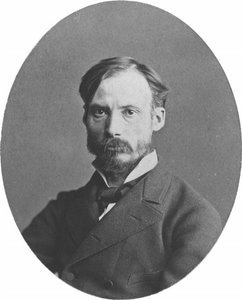
Pierre-Auguste Renoir
1841 - 1919 , Francia
Dati rapidi
- Artisti Influenti:
- Rubens
- Watteau
- Camille Pissarro
- Édouard Manet
- Artisti Influenzati:
- Pierre Renoir
- Jean Renoir
- Claude Renoir
- Data Di Morte: 3 dicembre 1919
- Data Di Nascita: 25 febbraio 1841
- Luogo Di Nascita: Limoges, Francia
- Movimento Artistico: Impressionismo
- Nazionalità: Francese
- Nome Completo: Pierre-Auguste Renoir
- Opere Notevoli:
- Ballo al Moulin de la Galette
- Pranzo sulla barca
- Dopo il bagno
- Le Grandi Bagnanti
- Due sorelle (Sul Balcone)
Articoli correlati
Renoir: I 25 Capolavori Essenziali per Amare l'Impressionismo | OriginalUniqueArt
Esplora i 25 capolavori di Renoir, l'icona dell'Impressionismo! Scopri la storia, le tecniche e i colori vibranti dei suoi dipinti più famosi. Trova riproduzioni artistiche di alta qualità per decorare casa tua su OriginalUniqueArt.com.

I 10 Capolavori Impressionisti che Hanno Rivoluzionato il Paesaggio Pittorico
Esplora i 10 capolavori impressionisti che hanno rivoluzionato il paesaggio pittorico! Monet, Renoir e altri maestri catturati in stampe su tela di alta qualità. Scopri la storia dell'arte e trova l'opera perfetta per arredare casa tua con OriginalUniqueArt.com.

Paul Cézanne: I 25 Capolavori che Hanno Rivoluzionato l'Arte Moderna | OriginalUniqueArt
Esplora i 25 capolavori di Paul Cézanne, il maestro dell'impressionismo e post-impressionismo. Scopri la storia, le tecniche e i colori iconici dietro opere come 'Le grandi bagnanti' e 'Mont Sainte-Victoire'. Trova riproduzioni artistiche di alta qualità per decorare la tua casa su OriginalUniqueArt.com.

Evocations of Place: A Historical Journey Through Landscape Art
Explore the rich history of landscape art with OriginalUniqueArt. Discover renowned artists, movements like Impressionism & Romanticism, and expert guidance for collecting timeless pieces. Find your perfect serene escape today!

Evocations of Place: A Historical Journey Through Landscape Art
Explore the rich history of landscape art with OriginalUniqueArt. Discover renowned artists, movements like Impressionism & tonalism, and expert guidance for collecting timeless pieces. Find your perfect serene escape today!



