

 Anteprima in scala reale
 Condividi
 Condividi
 Dettagli

 Scarica
 Articoli simili
 Radiografia
 Slideshow
 Statistiche
Landscape (18)

 Leggi tutto
Giclée / Stampe d'arte
Stampa giclée o su tela di qualità museale, con produzione rapida e diverse opzioni di finitura. ( Ordina la riproduzione dipinta a mano Passa all'immagine digitale)




P118B $10

P118H $10

P118W $10

P438Z $10

P508JH $12

P508YH $12

P805H $10

P805Z $10

P919BZ $10

P919G $10

P919XJ $10

P959ZH $10

P968JZ $12

W106C $8

W218G $10

W218JH $8

W218Y $10

W307PJ $10

W316G $10

W316PJ $8

W316Y $10

W398PJ $8

W4111J $10

W500HY $15

W500JH $15

W692G $12

W849H $8

W940BG $15

W953PJ $8




Scegli tra le nostre dimensioni predefinite, che rispettano le proporzioni originali dell'opera d'arte.

È possibile inserire dimensioni personalizzate per adattare l'opera a una cornice o a uno spazio specifico. Se la dimensione selezionata non corrisponde alle proporzioni dell'immagine originale, procederemo al ritaglio dell'opera o all'estensione dell'immagine con un bordo specchiato o a tinta unita. Un mockup digitale ti verrà inviato per approvazione prima dell'inizio della produzione.
Si prega di notare che l'anteprima a schermo non riflette il ritaglio o l'estensione effettivi. Solo il mockup mostrerà accuratamente la composizione finale.
Sebbene siano disponibili dimensioni personalizzate, si raccomanda di selezionare una dimensione dall'elenco predefinito per preservare le proporzioni originali.
Consegna in tutto il mondo () in 2 settimane invece delle normali 4/5 settimane. (16 Settembre)

Spedizione espressa gratuita in tutto il mondo

Tela in lino di alta qualità

Assicurazione completa sulla spedizione

Garanzia di rimborso dei dazi doganali

Garanzia di perfetta fedeltà cromatica

Politica di reso entro 100 giorni (solo per difetti di fabbricazione)

Garanzia di rimborso al 100%

Sconto per acquisti multipli
 L'opzione vetro è disponibile solo per dimensioni inferiori a 110 cm

Landscape (18)
Giclée / Stampe d'arte
Dimensioni della riproduzione
-


Prezzo totale
$ 80
A Symphony of Light and Tranquility: Unveiling Renoir's "Landscape (18)"
Pierre-Auguste Renoir’s “Landscape (18)” isn’t merely a depiction of a natural vista; it’s an immersion into the heart of Impressionism, a fleeting moment captured with a painter’s deliberate dance of light and color. Created around 1880, this work embodies the core tenets of Renoir's artistic philosophy – his fascination with capturing the ephemeral beauty of everyday life, particularly as experienced in the vibrant streets and gardens of Paris. The painting transports us to a serene scene, dominated by rolling hills bathed in the golden hues of a setting sun, a testament to Renoir’s masterful ability to evoke atmosphere and emotion through purely visual means.
The composition is deceptively simple yet profoundly effective. A gentle slope leads the eye into the distance, punctuated by the dark silhouettes of trees that frame the scene like a natural stage. Two prominent rocks add a touch of groundedness, anchoring the viewer within this idyllic landscape. Renoir’s brushstrokes are loose and visible, characteristic of Impressionism, creating an almost shimmering effect as light dances across the canvas. Notice how he doesn't meticulously render every detail; instead, he focuses on conveying the *impression* of light, texture, and depth – a deliberate choice that prioritizes feeling over strict realism.
The Painter’s Palette: Technique and Style
Renoir employed oil paints on canvas, utilizing a technique known as “broken color.” This involved applying small, distinct strokes of pure pigment directly to the canvas, allowing the viewer's eye to blend them together. This method creates a vibrant luminosity and a sense of movement—as if the light itself is shimmering across the surface. The warm palette – dominated by ochres, yellows, and oranges – reflects the dying sunlight, while subtle blues and greens hint at the approaching twilight. The artist’s layering of colors builds depth and volume, giving the landscape a tangible presence.
- Impressionistic Brushwork: Loose, visible strokes create texture and movement.
- Broken Color Technique: Pure pigments blended by the viewer's eye for luminosity.
- Warm Palette: Dominant use of yellows, oranges, and ochres to capture the sunset’s glow.
A Window into a Parisian World
“Landscape (18)” is deeply rooted in the artistic landscape of late 19th-century Paris. Following his early work with porcelain, Renoir found himself increasingly drawn to capturing the city’s vibrant atmosphere – its bustling markets, elegant cafes, and picturesque gardens. This painting reflects a shift towards landscapes that were less about grand vistas and more about intimate moments within nature. It's reminiscent of scenes he observed in the Bois de Boulogne, a vast park just outside Paris, offering a respite from the city’s relentless energy.
The inclusion of the rocks suggests a connection to the natural world, while the trees represent both stability and the passage of time. The painting can be interpreted as a meditation on beauty, tranquility, and the fleeting nature of existence – themes that were central to Impressionist thought. Renoir’s work during this period often explored the relationship between humanity and nature, seeking to capture the emotional resonance of these encounters.
Beyond the Canvas: Symbolism and Emotional Resonance
While seemingly straightforward, “Landscape (18)” is rich in symbolic meaning. The setting sun represents not just the end of a day but also the passage of time and the inevitability of change. The trees, with their branches reaching towards the sky, can be seen as symbols of aspiration and hope. The overall mood of the painting is one of peaceful contemplation—an invitation to pause, breathe deeply, and appreciate the simple beauty of the natural world. It’s a work that speaks to our innate desire for connection with nature and offers a moment of respite from the complexities of modern life. Reproductions of this piece offer a chance to bring this serene atmosphere into any space, fostering a sense of calm and reflection.
Biografia dell'artista
vitae e carriera
pierre-auguste renoir, un artista francese fondamentale, nacque il 25 febbraio 1841 a Limoges, Francia. Ha svolto un ruolo cruciale nel plasmare il movimento impressionista, rinomato per la sua luce vibrante e i colori saturi. L'opera di Renoir celebrava la bellezza, in particolare la sensualità femminile, collocandolo in una linea di artisti che si estende da Rubens a Watteau.eredità artistica
L'eredità di Renoir si estese oltre la sua tela, poiché era il capofamiglia di una famiglia dove l'arte fioriva in varie forme. I suoi figli, pierre renoir (1885–1952), il filmmaker jean renoir (1894–1979) e l'artista ceramista claude renoir (1901–1969), hanno dato ognuno un contributo significativo nei loro campi. Suo nipote, il filmmaker claude renoir (1913–1993), ha ulteriormente promosso l'eredità artistica della famiglia.opere notevoli e musei
* dance at bougival, un'opera pittorica degna di nota di Renoir, mostra la sua maestria nel catturare l'essenza dell'arte impressionista. * Il musée des collettes, situato a Cagnes-sur-Mer, Francia, è una destinazione imperdibile per gli amanti dell'arte. Questo museo, un tempo la casa di Pierre-Auguste Renoir, testimonia la sua vita e il suo lavoro, ospitando quindici dei suoi dipinti. * Il musée maurice denis, un'altra gemma nascosta in Francia, presenta una collezione impressionante di dipinti post-impressionisti francesi del tardo XIX e inizio XX secolo.esplora l'arte di Renoir con OriginalUniqueArt
- Scopri il fascino del musée des collettes (Francia) e della sua arte impressionista su OriginalUniqueArt: [https://OriginalUniqueArt.com/@@/a@d3aupf](https://OriginalUniqueArt.com/@@/a@d3aupf)
- Esplora le meraviglie del musée maurice denis (Francia) con OriginalUniqueArt: /it/art/show/art-d3aue3-it/
- Visualizza i dipinti di Renoir, tra cui dance at bougival, su OriginalUniqueArt: [https://OriginalUniqueArt.com/@/pierre-auguste renoir](https://OriginalUniqueArt.com/@/pierre-auguste%20renoir)
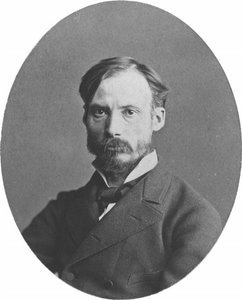
Pierre-Auguste Renoir
1841 - 1919 , Francia
Informazioni rapide
- Artisti Influenti:
- Rubens
- Watteau
- Camille Pissarro
- Édouard Manet
- Artisti Influenzati:
- Pierre Renoir
- Jean Renoir
- Claude Renoir
- Data Di Morte: 3 dicembre 1919
- Data Di Nascita: 25 febbraio 1841
- Luogo Di Nascita: Limoges, Francia
- Movimento Artistico: Impressionismo
- Nazionalità: Francese
- Nome Completo: Pierre-Auguste Renoir
- Opere Notevoli:
- Ballo al Moulin de la Galette
- Pranzo sulla barca
- Dopo il bagno
- Le Grandi Bagnanti
- Due sorelle (Sul Balcone)
Articoli correlati

Paul Cézanne: I 25 Capolavori che Hanno Rivoluzionato l'Arte Moderna | OriginalUniqueArt
Esplora i 25 capolavori di Paul Cézanne, il maestro dell'impressionismo e post-impressionismo. Scopri la storia, le tecniche e i colori iconici dietro opere come 'Le grandi bagnanti' e 'Mont Sainte-Victoire'. Trova riproduzioni artistiche di alta qualità per decorare la tua casa su OriginalUniqueArt.com.
Renoir: I 25 Capolavori Essenziali per Amare l'Impressionismo | OriginalUniqueArt
Esplora i 25 capolavori di Renoir, l'icona dell'Impressionismo! Scopri la storia, le tecniche e i colori vibranti dei suoi dipinti più famosi. Trova riproduzioni artistiche di alta qualità per decorare casa tua su OriginalUniqueArt.com.

Evocations of Place: A Historical Journey Through Landscape Art
Explore the rich history of landscape art with OriginalUniqueArt. Discover renowned artists, movements like Impressionism & Romanticism, and expert guidance for collecting timeless pieces. Find your perfect serene escape today!

I 10 Capolavori Impressionisti che Hanno Rivoluzionato il Paesaggio Pittorico
Esplora i 10 capolavori impressionisti che hanno rivoluzionato il paesaggio pittorico! Monet, Renoir e altri maestri catturati in stampe su tela di alta qualità. Scopri la storia dell'arte e trova l'opera perfetta per arredare casa tua con OriginalUniqueArt.com.

Evocations of Place: A Historical Journey Through Landscape Art
Explore the rich history of landscape art with OriginalUniqueArt. Discover renowned artists, movements like Impressionism & tonalism, and expert guidance for collecting timeless pieces. Find your perfect serene escape today!


