Anteprima in scala reale
 Invia
Invia Condividi
 Dettagli opera
 Guida
Guida

 Scarica
 Simili
 Radiografia
 Slideshow
 Domande e risposte
 Statistiche
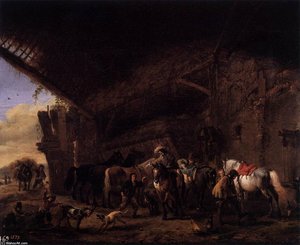
The Horse Fair

- 64.0 x 88.0 cm


 Espandi i dettagli
Giclée / Stampe d'arte
Stampa giclée o su tela di qualità museale, con produzione rapida e diverse opzioni di finitura. ( Acquista il dipinto realizzato a mano Passa all'immagine digitale)




P118B €10

P118H €10

P118W €10

P438Z €10

P508JH €12

P508YH €12

P805H €10

P805Z €10

P919BZ €10

P919G €10

P919XJ €10

P959ZH €10

P968JZ €12

W106C €8

W218G €10

W218JH €8

W218Y €10

W307PJ €10

W316G €10

W316PJ €8

W316Y €10

W398PJ €8

W4111J €10

W500HY €15

W500JH €15

W692G €12

W849H €8

W940BG €15

W953PJ €8




Scegli tra le nostre dimensioni predefinite, che rispettano le proporzioni originali dell'opera d'arte.

Inserisci la larghezza e l'altezza desiderate, per adattarle alla tua cornice o alla tua parete. Una stampa può essere solo ritagliata, mai resa più grande dell'immagine originale; pertanto, un formato con una forma differente comporterà la perdita di una parte dell'opera. Ti invieremo un mockup digitale da approvare prima di procedere con la stampa. L'immagine mostrata in questa pagina non rappresenta il ritaglio reale — solo il mockup lo mostra.
Consegna in tutto il mondo () in 2 settimane invece delle normali 4/5 settimane. (7 Novembre)

Spedizione espressa gratuita in tutto il mondo

Tela in lino di alta qualità

Assicurazione completa sulla spedizione

Garanzia di rimborso dei dazi doganali

Garanzia di fedeltà cromatica assoluta

Politica di reso entro 100 giorni (solo per difetti di fabbricazione)

Garanzia di rimborso al 100%

Offerta per acquisti multipli
 L'opzione vetro è disponibile solo per dimensioni inferiori a 110 cm

The Horse Fair
Giclée / Stampe d'arte
Dimensioni riproduzione
-


Prezzo finale calcolato
€ 72
A Symphony of Motion: The Spirit of the Dutch Golden Age
In the heart of the seventeenth century, amidst the burgeoning prosperity of the Netherlands, Philips Wouwerman captured a moment of vibrant, unbridled energy in his masterpiece, The Horse Fair. This expansive oil on canvas, dating from 1665, serves as more than just a depiction of commerce; it is a window into the soul of the Dutch Golden Age. As one gazes upon the scene, the viewer is immediately swept into a bustling open field where the rhythmic pulse of life is palpable. Wouwerman, a master of the genre, orchestrates a complex ballet of equine grace and human industry, creating a composition that feels both spontaneous and meticulously balanced. The sheer variety of horses—ranging from powerful, muscular stallions to more delicate breeds—adds a layer of dynamic tension, suggesting a world in constant motion, where every creature and character plays a vital role in the unfolding drama of the fair.
The technical brilliance of Wouwerman is most evident in his ability to render texture and light with breathtaking precision. Each brushstroke contributes to the tactile reality of the scene, from the shimmering coats of the horses to the heavy, period-specific fabrics worn by the gathered crowd. The artist employs a sophisticated palette that balances earthy, grounded tones with sudden bursts of brilliance, drawing the eye across the canvas in a choreographed journey. Notice how the overcast sky, filled with soft, billowing clouds, provides a diffused light that eliminates harsh shadows, allowing for a subtle interplay of luminosity across the landscape. This mastery of light not only defines the forms within the painting but also imbues the atmosphere with a sense of atmospheric depth, pulling the viewer toward the distant body of water and the quiet silhouettes of trees that anchor the horizon.
A Tapestry of Social Narrative and Artistic Legacy
Beyond the aesthetic splendor, The Horse Fair functions as a rich social document. The figures scattered throughout the landscape—traders negotiating prices, riders guiding their mounts, and peasants carrying baskets—represent a cross-section of seventeenth-century society. There is a profound sense of narrative potential in every interaction; one can almost hear the low murmur of bartering voices and the heavy thud of hooves against the earth. Wouwering uses these human elements to ground his grander landscapes in a relatable, earthly reality. The inclusion of such detailed character studies elevates the work from a mere landscape to a genre painting of significant psychological depth, where the themes of trade, status, and the shared experience of the marketplace are explored through the lens of animal husbandry.
For the discerning collector or interior designer, this reproduction offers an unparalleled opportunity to introduce a sense of historical grandeur and classical elegance into a contemporary space. The painting’s ability to command attention while maintaining a harmonious presence makes it a versatile centerpiece for any curated collection. It evokes a feeling of timelessness, bridging the gap between the historical splendor of the Haarlem school and the sophisticated tastes of the modern era. To possess such a work is to hold a piece of art history that celebrates the beauty of movement, the dignity of labor, and the enduring allure of the natural world, making it an evocative choice for those looking to inspire awe and contemplation within their homes or galleries.
Domande e risposte
Dove posso trovare le statistiche relative a "The Horse Fair" di Philips Wouwermans?
La pagina Statistiche di "The Horse Fair" di Philips Wouwermans presenta le statistiche delle visite pubbliche: il numero di visite mensili di quest'opera, un confronto con le opere dell'artista più visualizzate e la provenienza dei visitatori.
Dove posso acquistare una stampa di "The Horse Fair" di Philips Wouwermans?
Puoi ordinare una stampa di "The Horse Fair" di Philips Wouwermans direttamente nella sua pagina Stampa Fine Art: una stampa fine art su tela di cotone o carta canvas d'archivio.
Con quale tecnica è realizzato "The Horse Fair"?
La tecnica utilizzata per "The Horse Fair" di Philips Wouwermans è Oil On Canvas. Le riproduzioni mirano a restituire l'aspetto di questa tecnica.
Biografia dell'artista
Philips Wouwerman: Una Vita nell'Età dell'Oro Olandese
- Nato: Haarlem, Paesi Bassi (1619)
- Morto: 1668
Philips Wouwerman (battesimo il 24 maggio 1619 – morto il 19 maggio 1668) è stato un pittore olandese estremamente prolifico e versatile, rinomato per le sue rappresentazioni di scene di caccia, paesaggi e scene di battaglia. Si distingue come una figura significativa nel panorama artistico dell'Età dell'Oro Olandese.
Primi Anni e Formazione
Nato a Haarlem, nei Paesi Bassi, Philips Wouwerman era figlio di Pouwels Joostsz Wouwerman, anch’egli pittore, sebbene meno noto del figlio. I dettagli riguardanti la sua prima formazione artistica sono alquanto scarsi. Tuttavia, si ritiene che abbia studiato sotto Frans Hals (1581/85–1666), un importante ritrattista di Haarlem. Sebbene lo stile distintivo di Hals non abbia fortemente influenzato il lavoro maturo di Wouwerman, la formazione fondamentale ha probabilmente dimostrato essere preziosa. All'inizio della sua carriera, Wouwerman fu influenzato dalla tradizione dei *bamboccianti*, in particolare dalle opere di Pieter van Laer (1592/99–dopo il 1642), adottando la loro attenzione alla vita quotidiana e alle scene di genere.
Sviluppo Artistico e Stile
- Prime Influenze: Inizialmente emulando i pittori *bamboccianti*, le prime opere di Wouwerman presentavano raffigurazioni della vita quotidiana.
- Stile Emergente (Metà degli anni '40 del 1600): Emerse un elemento compositivo caratteristico: una pendenza diagonale del terreno spesso accompagnata da un albero che funge da repoussoir (un dispositivo utilizzato per creare profondità). Figure, frequentemente accompagnate da cavalli, popolavano queste scene.
- Periodo Maturo (c. 1650-1660): Wouwerman sviluppò il suo stile individuale, ampliando notevolmente la sua materia artistica. Dipinse scene di genere, paesaggi con viaggiatori, battaglie di cavalleria, accampamenti militari e raduni festivi di contadini.
- Maestria del Cavallo: Wouwerman è particolarmente celebrato per la sua eccezionale abilità nel raffigurare cavalli di varie razze in movimento dinamico. Il noto storico dell'arte Frederik J. Duparc lo ha definito "indubbiamente il pittore olandese più compiuto e di successo del XVII secolo nella rappresentazione dei cavalli."
- Caratteristiche Distintive: I suoi dipinti sono caratterizzati da colori tenui, un’atmosfera fresca e una meticolosa attenzione ai dettagli, creando narrazioni argute e aneddotiche all'interno delle sue scene. Spesso combinava paesaggi immaginari del sud con un'ambientazione distintamente olandese.
Realizzazioni Importanti ed Eredità
Le opere di Wouwerman furono molto richieste durante la sua vita e continuarono a guadagnare popolarità nel XVIII secolo. I suoi dipinti trovarono posto in importanti collezioni in tutta Europa, comprese quelle delle case principesche di Dresda e San Pietroburgo, dimostrando un'ampia ammirazione per la sua arte.
- Produzione Prolifica: Wouwerman era straordinariamente prolifico; i primi cataloghi elencavano circa 800 opere attribuite a lui, superando poi le 1200. Un catalogo ragionato più recente (Schumacher, 2006) identifica circa 570 opere autentiche, riconoscendo i numerosi seguaci e imitatori che hanno prodotto opere nel suo stile.
- Famiglia di Artisti: I suoi fratelli, Jan (1629–1666) e Pieter (1623–1682), erano anch'essi pittori, spesso inizialmente attribuiti a Philips. Sebbene il lavoro di Pieter riflettesse chiaramente l’influenza di Philips, sviluppò uno stile distinto. Jan fu riconosciuto come un pittore paesaggista più autonomo.
- Influenza su Artisti Successivi: Lo stile di Wouwerman influenzò numerosi artisti, tra cui Jan van Huchtenburgh (1647–1733), i fratelli Jan Frans e Joseph van Bredael (1688–1739) e Carel van Falens (1683–1733).
- Appartenenza alla Gilda e Ruolo Civico: Era membro della Gilda di San Luca di Haarlem, ricoprendo diverse posizioni ufficiali al suo interno. Oltre alle sue attività artistiche, Wouwerman servì anche come agente immobiliare a Haarlem, riflettendo il suo coinvolgimento nella vita civica.
Significato Storico
Il contributo di Philips Wouwerman all'Età dell'Oro Olandese risiede nella sua capacità di catturare un’ampia gamma di scene – da vivaci mercati e spedizioni di caccia a campi di battaglia drammatici e paesaggi tranquilli – con notevole dettaglio e dinamismo. La sua maestria nel raffigurare i cavalli, combinata con il suo acuto occhio per la narrazione aneddotica, consolidò il suo posto come uno dei pittori più celebrati e influenti del suo tempo. Una retrospettiva a Kassel e L'Aia (2009/2010) ha ulteriormente evidenziato la sua eredità duratura.

Philips Wouwermans
1619 - 1668 , Paesi Bassi
Dettagli rapidi
- Artistic Movement Or Style: Età dell'Oro Olandese
- Artists Or Movements Influenced By This Artist:
- Jan van Huchtenburgh
- Joseph van Bredael
- Carel van Falens
- Artists Who Influenced This Artist:
- Pieter van Laer
- Frans Hals
- Jan Wijnants
- Date Of Birth: 24 maggio 1619
- Date Of Death: 19 maggio 1668
- Full Name: Philips Wouwerman
- Nationality: Olandese
- Notable Artworks:
- Due Cavalli
- Cavalieri in un accampamento
- Paesaggio con segnale
- Mercato equestre
- Lago con pietra di confine
- Place Of Birth: Haarlem, Paesi Bassi
Articoli correlati

Golden Light & Dutch Skies: The Timeless Magic of Dutch Golden Age Landscapes
Discover the breathtaking beauty of Dutch Golden Age landscapes. Explore the mastery of light, chiaroscuro, and 17th-century realism through an expert art history lens, celebrating the enduring legacy of the Dutch Masters for discerning collectors and art lovers.
Charles Leickert: Capturing the Dutch Golden Age Light – A Comprehensive Study of Technique, Context, and Legacy
Explore the captivating winter landscapes of Charles Leickert, a master of Dutch Golden Age light & atmosphere. Discover his techniques, symbolism, and lasting legacy – a comprehensive study for art enthusiasts and collectors.
Nicolaes Berchem e l'Età dell'Oro Olandese: Un Rifugio Idilliaco tra Realismo e Mito
Esplora l'incantevole mondo di Nicolaes Berchem e la pittura del Secolo d'Oro Olandese. Analisi approfondita, simbolismo nascosto e l'eredità artistica di un maestro del paesaggio arcadiaco.

Orizzonti e Luce: Come i Paesaggi del Secolo d'Oro Olandese Trasformano la Tua Casa
Scopri come i paesaggi del Secolo d'Oro olandese trasformano la tua casa con luce e storia. Esplora la maestria dei grandi maestri oggi.

I 10 Capolavori dell'Età d'Oro Olandese: Arte, Storia e Stile per la Tua Casa
Esplora i 10 capolavori dell'Età d'Oro Olandese con ! Rembrandt, Vermeer e altri maestri rivivono in dipinti iconici. Scopri storia, tecnica e colori di opere senza tempo per arredare la tua casa con arte di qualità museale. Esplora la collezione online!