
 Anteprima in scala reale
 Condividi
 Condividi
 Dettagli

 Scarica immagine
 Articoli simili
 Radiografia
 Slideshow
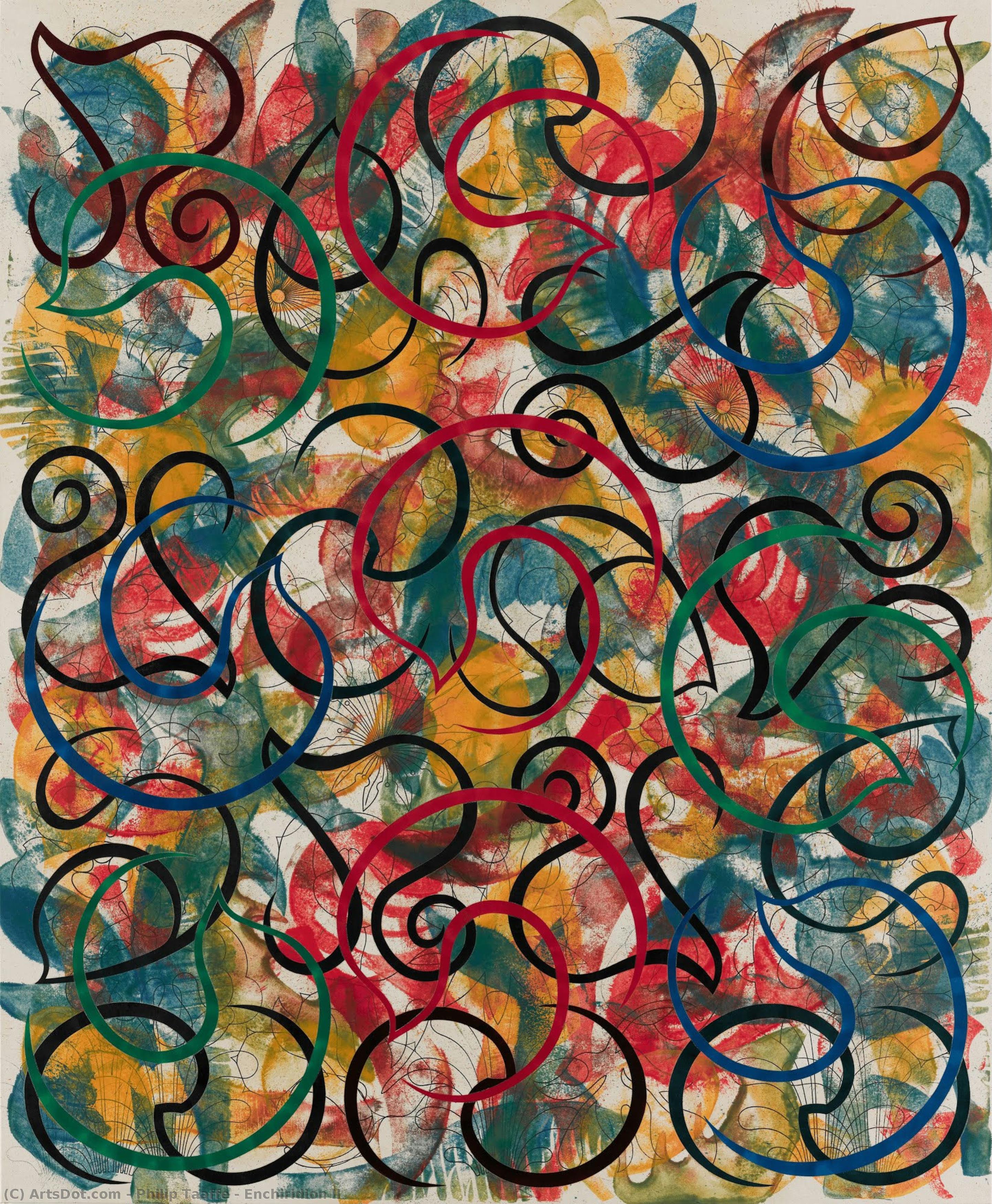
Enchiridion II


 Leggi tutto
Acquista un'immagine digitale ad alta risoluzione e ottimizzata, di qualità nettamente superiore all'anteprima online.
Ogni file è meticolosamente preparato dai nostri specialisti interni attraverso l'uso di strumenti avanzati e un sapiente ritocco manuale. Garantiamo che ogni immagine presenti una chiarezza eccezionale, una precisione cromatica impeccabile e dettagli raffinati.
Il file finale viene consegnato via e-mail entro 72 ore, ottimizzato per un uso immediato in contesti professionali, editoriali e di stampa. Si tratta della stessa qualità affidata ai più prestigiosi studi di design, editori e gallerie d'arte.
Immagine Digitale
Scarica un file ad alta risoluzione per uso personale, per la stampa e per progetti creativi. ( Acquista stampa Acquista dipinto fatto a mano)
Incluso in ogni acquisto di immagini digitali
Consegna digitale professionale e garantita
Quando scegli OriginalUniqueArt.com, non riceverai solo un'immagine: riceverai un'opera d'arte digitale professionalmente ottimizzata, realizzata con la massima precisione e accompagnata da una garanzia di soddisfazione. Ecco tutto ciò che include il tuo ordine, automaticamente:

Consegna rapida via email
Riceverai il file dell'immagine digitale ad alta risoluzione via email entro 72 ore dall'ordine, pronto per un uso immediato.

File digitale potenziato dall'IA
La tua opera d'arte viene ottimizzata professionalmente attraverso l'uso di strumenti avanzati di intelligenza artificiale e una revisione manuale, garantendo il massimo livello di dettaglio, nitidezza e accuratezza cromatica.

Riconsegna gratuita a vita
Hai eliminato o perso accidentalmente il tuo file? Non preoccuparti: te lo invieremo di nuovo in qualsiasi momento, gratuitamente.

Nessun costo di importazione, mai
Goditi la tua opera d'arte istantaneamente senza costi doganali, dazi o spese di spedizione: i download digitali sono sempre esenti da tasse.

Garanzia di fedeltà cromatica
Garantiamo che la tua immagine digitale rifletta i colori originali con la massima fedeltà, grazie all'uso di strumenti professionali e a una gestione accurata del colore.

Garanzia soddisfazione 60 giorni
Se non sei soddisfatto della tua immagine digitale, la revisioneremo o ti rimborseremo il 100% entro 60 giorni, senza domande.

Garanzia di rimborso al 100%
Non sei soddisfatto? Ricevi un rimborso completo entro 60 giorni dal ricevimento del tuo file digitale, senza dover fornire spiegazioni.

Sconti per ordini multipli
Acquista 3 immagini, risparmia il 10% - Acquista 5, risparmia il 15% - Acquista 10+, risparmia il 20%. Ideale per progetti creativi, gallerie e agenzie.
Descrizione del collezionabile
A Symphony of Form and Color
In the mesmerizing expanse of Enchiridion II, the viewer is immediately swept into a rhythmic dance of geometry and light. Created by the contemporary American master Philip Taaffe, this work serves as a vibrant testament to the power of abstract composition. The painting unfolds as a complex tapestry of interlocking circles, swirling motifs, and intricate patterns that seem to pulse with an internal energy. Each element is meticulously placed, creating a visual dialogue between movement and stillness. The palette is nothing short of celebratory, utilizing a spectrum of vivid hues that dance across the canvas, drawing the eye into a labyrinth of color where every turn reveals a new layer of depth and complexity.
The brilliance of this piece lies in its ability to balance chaos with profound harmony. While the surface appears as a dynamic explosion of shapes, there is an underlying structural integrity that anchors the composition. The varying sizes of the circular forms create a sense of perspective and weight, guiding the observer through a curated journey of visual discovery. For the discerning collector or interior designer, this painting offers more than mere decoration; it provides a focal point of intellectual and emotional stimulation, capable of transforming a contemporary space into a sanctuary of contemplative beauty.
The Legacy of Abstraction and Technique
To understand the soul of Enchiridion II, one must look toward the rich lineage of art history that informs Taaffe’s hand. The artist’s technique is deeply rooted in the principles of Synthetic Cubism and the revolutionary color explorations of Henri Matisse. Much like the fragmentation found in Cubist works, Taaffe utilizes layered shapes to deconstruct the canvas, yet he infuses them with a fluidity that avoids rigidity. His method is a sophisticated synthesis of tradition and vision, where the layering of pigment creates a sense of translucency and light, as if the colors themselves were glowing from within.
The artist’s ability to reinterpret the legacies of giants like Barnett Newman and Bridget Riley is evident in the way he manipulates optical rhythms. In Enchiridion II, the repetition of patterns evokes a hypnotic quality, inviting a meditative state in the viewer. This mastery of process-based abstraction ensures that the work remains timeless. For those seeking to adorn a high-end residence or a professional gallery with a hand-painted reproduction, this piece represents an exquisite opportunity to possess a fragment of modern art history—a work that bridges the gap between the avant-garde movements of the twentieth century and the vibrant sensibilities of the present day.
An Emotional Resonance for Modern Spaces
Beyond its technical prowess, Enchiridion II possesses an undeniable emotional magnetism. It is a piece that breathes life into a room, acting as a catalyst for conversation and introspection. The interplay of light and shadow within the painted swirls evokes feelings of joy, curiosity, and wonder. It is an artwork that does not merely sit upon a wall but actively engages with its environment, reflecting changes in ambient light and complementing the textures of a sophisticated interior.
Whether placed in a minimalist setting to provide a burst of chromatic energy or integrated into a richly textured room to add a layer of complex pattern, this painting serves as an anchor of elegance. It is an investment in atmosphere. For the art lover, it offers a window into Taaffe’s unique ability to harmonize disparate elements into a cohesive whole; for the designer, it provides a sophisticated tool to evoke luxury and intellectual depth within any architectural context.
Biografia dell'artista
Philip Taaffe: A Synthesis of Tradition and Vision
Philip Taaffe (born Elizabeth, New Jersey, 1955) stands as a singular figure in contemporary American painting, recognized for his distinctive approach to abstraction—a blend of meticulous technique and profound engagement with art history’s grand narratives. His artistic journey began amidst the burgeoning interest in Synthetic Cubism and Matisse's groundbreaking cut-out collages, influences that would shape his stylistic trajectory and inform his exploration of cultural iconography. Taaffe’s work isn’t merely decorative; it’s a deliberate confrontation with established artistic conventions, prompting viewers to reconsider notions of beauty and representation.- Early Influences: Matisse and Synthetic Cubism provided Taaffe with foundational visual vocabulary—the fragmentation of form and the layering of color—principles he would consistently revisit throughout his career.
- Process-Based Abstraction: Taaffe’s method distinguishes itself through a commitment to experimentation and observation. He meticulously documents his artistic process, utilizing techniques like paper marbling and pigment dispersion to generate complex textural surfaces that resist easy categorization.
- Iconographic Engagement: Recurring motifs—ranging from Roman mosaics to Byzantine altarpieces—are interwoven into Taaffe’s paintings, creating dialogues between past and present. These images aren't simply borrowed; they are transformed through his artistic vision, imbued with new meanings and resonances.
- Cooper Union Education: Studying under influential instructors instilled in Taaffe a disciplined approach to artmaking and fostered an appreciation for the legacy of European masters.
- Travel Experiences: Encounters with cultures beyond Western Europe broadened Taaffe’s artistic perspective, inspiring him to incorporate elements of Islamic art and design into his compositions.
- Newman Influence: Taaffe’s appropriation of Newman’s Zip motif signaled a deliberate engagement with art historical precedents, prompting reflection on the nature of visual experience.
- Riley Inspiration: Exploring Riley's optical illusions underscored Taaffe’s interest in disrupting viewers’ expectations and questioning assumptions about how images convey meaning.

philip taaffe
1955 -
In breve
- Artistic Movement Or Style: Synthetic Cubism
- Artists Or Movements Influenced By This Artist: ['Jackson Pollock']
- Artists Who Influenced This Artist:
- Matisse
- Barnett Newman
- Date Of Birth: 1955
- Date Of Death: Living
- Full Name: Philip Taaffe
- Nationality: American
- Notable Artworks:
- Painting with Gemstones
- Entrance with Palms
- Place Of Birth: Elizabeth, New Jersey

