

 Anteprima in scala reale
 Invia
Invia Condividi
 Dettagli opera

 Scarica immagine
 Simili
 Radiografia
 Slideshow
 Statistiche
The storm
 Acrylic On Canvas
- WallArt
- Biedermeier
 1837
1837 50.0 x 67.0 cm
 Galleria austriaca del Belvedere
 Espandi i dettagli
Giclée / Stampe d'arte
Stampa giclée o su tela di qualità museale, con produzione rapida e diverse opzioni di finitura. ( Acquista il dipinto realizzato a mano Passa all'immagine digitale)




P118B $10

P118H $10

P118W $10

P438Z $10

P508JH $12

P508YH $12

P805H $10

P805Z $10

P919BZ $10

P919G $10

P919XJ $10

P959ZH $10

P968JZ $12

W106C $8

W218G $10

W218JH $8

W218Y $10

W307PJ $10

W316G $10

W316PJ $8

W316Y $10

W398PJ $8

W4111J $10

W500HY $15

W500JH $15

W692G $12

W849H $8

W940BG $15

W953PJ $8




Scegli tra le nostre dimensioni predefinite, che rispettano le proporzioni originali dell'opera d'arte.

È possibile inserire dimensioni personalizzate per adattare l'opera a una cornice o a uno spazio specifico. Se la dimensione selezionata non corrisponde alle proporzioni dell'immagine originale, procederemo al ritaglio dell'opera o all'estensione dell'immagine con un bordo specchiato o a tinta unita. Un mockup digitale ti verrà inviato per approvazione prima dell'inizio della produzione.
Si prega di notare che l'anteprima a schermo non riflette il ritaglio o l'estensione effettivi. Solo il mockup mostrerà accuratamente la composizione finale.
Sebbene siano disponibili dimensioni personalizzate, si raccomanda di selezionare una dimensione dall'elenco predefinito per preservare le proporzioni originali.
Consegna in tutto il mondo () in 2 settimane invece delle normali 4/5 settimane. (12 Settembre)

Spedizione espressa gratuita in tutto il mondo

Tela in lino di alta qualità

Assicurazione completa sulla spedizione

Garanzia di rimborso dei dazi doganali

Garanzia di fedeltà cromatica

Politica di reso entro 100 giorni (solo per difetti)

Garanzia di rimborso al 100%

Offerta per acquisti multipli
 L'opzione vetro è disponibile solo per dimensioni inferiori a 110 cm

The storm
Giclée / Stampe d'arte
Dimensioni riproduzione
-


Prezzo totale calcolato
$ 80
A Window to a Turbulent Soul: Exploring Peter Fendi’s “The Storm”
Peter Fendi's "The Storm," painted in 1837, isn’t merely a depiction of a tempestuous sky; it’s a profound meditation on domesticity, vulnerability, and the quiet drama unfolding within a family’s sanctuary. This intimate scene, rendered with the characteristic warmth and realism of Biedermeier painting, immediately draws the viewer into a tableau of contained chaos – a woman cradling her child before a window that frames both the fury of nature and the steadfastness of home. The composition is deceptively simple: a mother and child, bathed in soft light, facing an exterior world rendered with dramatic brushstrokes and swirling clouds. Yet, within this apparent tranquility lies a palpable tension, a suggestion of unease that speaks volumes about the anxieties inherent in family life.
Fendi’s masterful use of color is crucial to conveying this emotional complexity. The palette leans heavily on muted browns, grays, and blues – colors associated with storm clouds and introspection. However, these somber tones are punctuated by flashes of warm light emanating from the interior, highlighting the figures and creating a subtle contrast between safety and the unknown. The woman’s posture is particularly telling; she isn't actively shielding her child, nor does she appear panicked. Instead, she gazes out with a thoughtful expression, suggesting an acceptance of the storm both outside and within. The inclusion of other family members – two children playing near the window and another figure on the right – subtly expands the narrative, hinting at a larger household grappling with shared experiences.
The Biedermeier Aesthetic: Intimacy and Observation
“The Storm” is a quintessential example of the Biedermeier style, which flourished in Austria during the early 19th century. This artistic movement prioritized realism and domestic scenes, often depicting everyday life with an emphasis on intimacy and observation. Unlike the grand historical or mythological subjects favored by earlier periods, Biedermeier artists sought to capture the beauty and simplicity of the ordinary – a shift reflecting the growing middle class’s desire for comfort and connection within their own homes. Fendi's work embodies this ethos perfectly; he doesn’t attempt to glorify the storm itself but rather focuses on how it affects those closest to him, creating a deeply personal and relatable image.
Fendi’s technical skill is evident in his meticulous attention to detail – from the texture of the fabrics to the subtle nuances of expression on the figures' faces. He employed a technique known as “pointillé,” using small, closely spaced brushstrokes to create an illusion of depth and texture, particularly noticeable in the depiction of the clouds. This method allowed him to capture the dynamic movement of the storm while maintaining a sense of realism and warmth. Furthermore, his use of light is masterful, creating a soft, diffused glow that illuminates the figures and imbues the scene with a feeling of quiet dignity.
Symbolism and Emotional Resonance
The window itself serves as a powerful symbol in “The Storm.” It represents not only a physical barrier between the interior and exterior but also a metaphorical one – separating the family from the uncertainties of the world. The storm raging outside can be interpreted as a representation of life’s challenges, anxieties, and hardships. However, within the confines of the home, the family finds solace and strength in their connection to one another. The child, nestled securely in his mother's arms, embodies innocence and hope, suggesting that even amidst turmoil, new beginnings are possible.
Fendi’s painting resonates with a timeless emotional truth. It speaks to the universal experience of navigating difficult times while cherishing the bonds of family. “The Storm” is more than just a beautiful artwork; it's a poignant reminder of the resilience of the human spirit and the enduring power of love in the face of adversity. Reproductions of this evocative piece offer a captivating glimpse into a bygone era, inviting viewers to contemplate their own relationships and find beauty amidst life’s inevitable storms.
Biografia dell'artista
Peter Fendi: Un Pioniero della Biedermeier Viennese
Peter Fendi, nato nel cuore di Vienna il 4 settembre 1796, fu molto più che un semplice pittore; si rivelò una figura chiave nello sviluppo dell'arte austriaca durante il periodo del Biedermeier. La sua vita, segnata da una precoce sfida fisica – una caduta da neonato da un fasciatoio che lo lasciò con problemi alla colonna vertebrale permanenti – alimentò paradossalmente un talento straordinario per il disegno e plasmò la sua visione artistica. Suo padre, insegnante, riconobbe questa innata capacità, iscrivendo giovane Peter all'illustre Accademia di Belle Arti di Vienna nel 1810. Lì, sotto la guida di artisti stimati come Johann Martin Fischer, Hubert Maurer e Johann Baptist von Lampi il Vecchio, Fendi affinò le sue abilità, ponendo le basi per una carriera prolifica che abbracciava dipinti a olio, acquerelli, stampe, incisioni, litografie e persino la scultura in legno.Influenze Olandesi e Ispirazione Veneziana
Lo stile artistico di Fendi fu profondamente influenzato da due fonti distinte ma complementari: i maestri olandesi e il Rinascimento italiano. Il realismo e le scene di genere prevalenti nelle opere di artisti come Adriaen Brouwer, Adriaen van Ostade e Rembrandt risuonarono profondamente con Fendi, plasmando la sua rappresentazione della vita quotidiana – vivaci mercati, scene di taverna e intimi momenti domestici. Questi dipinti sono caratterizzati da un'attenta osservazione del comportamento umano, spesso infusi da un sottile senso dell'umorismo o di commento sociale. Allo stesso tempo, il viaggio di Fendi a Venezia nel 1821 si rivelò trasformativo. Immerso nelle opulente collezioni d’arte di Giovanni Bellini, Tintoretto, Titian e Paolo Veronese, assorbì la loro drammaticità compositiva, i ricchi colori e l'abile uso della luce – elementi che avrebbero successivamente infuso anche il suo lavoro con un senso di grandezza e teatralità.Innovazione Litografica e Pittura di Ritratti
Oltre alle tecniche pittoriche tradizionali, Fendi fu un vero innovatore nel campo della litografia. Le sue stampe policromatiche, in particolare quelle prodotte negli anni '30 e '40, furono rivoluzionarie per il loro tempo, dimostrando una notevole abilità tecnica e sensibilità artistica. Queste stampe non erano semplici riproduzioni; erano opere d’arte indipendenti, spesso raffiguranti scene della vita viennese con una tavolozza vibrante e una composizione dinamica. Inoltre, Fendi era un pittore di ritratti molto richiesto, catturando la somiglianza di nobili e persone comuni allo stesso modo. I suoi ritratti sono notevoli per la loro profondità psicologica e la capacità di esprimere la personalità dei suoi soggetti – una testimonianza della sua acuta visione e comprensione del carattere umano. In particolare, incise una serie di cinque banconote austriache emesse nel 1841, dimostrando la sua versatilità come incisore.Un Ruolo Chiave nella Biedermeier
Peter Fendi svolse un ruolo cruciale nello sviluppo dell'estetica del Biedermeier – caratterizzata dalla sua scala intima, dalla rappresentazione realistica della vita quotidiana e dal sottile commento sociale. La sua influenza può essere vista nelle opere di generazioni successive di artisti austriaci. La sua meticolosa attenzione ai dettagli, combinata con il suo approccio innovativo alla litografia, ha cementato il suo posto come una delle figure più importanti del periodo Biedermeier. Oggi, i dipinti di Fendi sono conservati in collezioni prestigiose come il Museo Albertina, la Galleria Belvedere e la collezione del Principe di Liechtenstein a Vaduz, assicurando che i suoi contributi artistici siano apprezzati e studiati da generazioni future. Il suo lavoro offre uno sguardo prezioso sulla società austriaca del XIX secolo, catturando sia la sua bellezza che le sue complessità con notevole abilità e sensibilità.Fatti Chiave
- Nascita: 4 settembre 1796, Vienna, Austria
- Morte: 28 agosto 1842, Vienna, Austria
- Professione: Pittore, incisore, litografo
- Periodo Artistico: Biedermeier
- Influenze Principali: Maestri olandesi (Brouwer, van Ostade, Rembrandt), Rinascimento italiano (Bellini, Titian)
Opere Significative
- Vilenica (1821) – Dipinto a olio
- Serie di banconote austriache (1841) – Incisioni litografici
- Numerosi ritratti di nobili e persone comuni
Luoghi Importanti
- Accademia di Belle Arti di Vienna
- Vienna, Austria

Peter Fendi
1796 - 1842 , Austria
Dati rapidi
- Artistic Movement Or Style: Biedermeier
- Artists Or Movements Influenced By This Artist: ['Pittura olandese']
- Artists Who Influenced This Artist:
- Rembrandt
- Adriaen Brouwer
- Date Of Birth: 4 settembre 1796
- Date Of Death: 28 agosto 1842
- Full Name: Peter Fendi
- Nationality: Austriaca
- Notable Artworks:
- Vilenica
- Il riso
- Place Of Birth: Vienna, Austria
Articoli correlati

Evoluzione dei Ritratti di Famiglia: L'Arte Personalizzata come Cronaca della Vita Familiare Attraverso le Generazioni
Scopri l'evoluzione del ritratto di famiglia e commissiona un'opera d'arte unica! Artisti esperti, riproduzioni fedeli e consulenza personalizzata per immortalare la tua storia. OriginalUniqueArt.
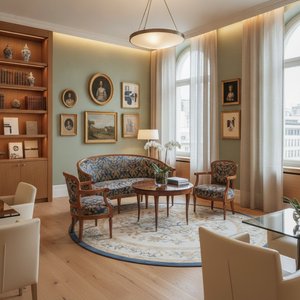
Biedermeier Style Guide: Integrating Elegant, Functional 19th-Century Art into Modern Hotel & Hospitality Interiors
Master the Biedermeier style for hospitality design. Our professional guide explores integrating 19th-century elegance and functional simplicity into modern hotel interiors through expert art procurement and large-scale custom reproductions.

Biedermeier: Art, Society & Intimacy in Restoration Europe
Explore the world of Biedermeier art & culture! Discover the history, aesthetic principles, and lasting influence of this fascinating European movement. Expert insights & beautiful reproductions at OriginalUniqueArt.
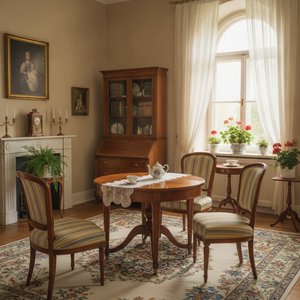
Biedermeier Style: The Art of Comfort, Elegance, and Home Harmony in 19th-Century Europe
Discover the soulful elegance of Biedermeier style. Explore how 19th-century Europe turned to domestic comfort and refined simplicity through art and design. A deep dive into the era of bourgeois sophistication for the true classic art enthusiast.

Biedermeier Style: The Elegant Art of Comfort, Simplicity, and Bourgeois Sophistication
Discover the refined elegance of Biedermeier style. Explore how this 19th-century movement blended simplicity with comfort, shaping the art and design of the middle class through Romanticism and functional beauty. An expert guide for classic art enthusiasts.