Anteprima in scala reale
 Condividi
 Condividi
 Dettagli
 Guida stampabile

 Scarica
 Articoli simili
 Radiografia
 Slideshow
 Statistiche
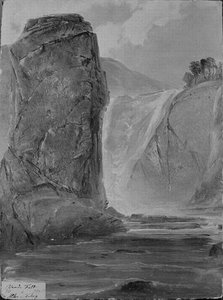
VUE DE MOSS


 Leggi tutto
Giclée / Stampe d'arte
Stampa giclée o su tela di qualità museale, con produzione rapida e diverse opzioni di finitura. ( Ordina la riproduzione dipinta a mano Passa all'immagine digitale)




P118B €10

P118H €10

P118W €10

P438Z €10

P508JH €12

P508YH €12

P805H €10

P805Z €10

P919BZ €10

P919G €10

P919XJ €10

P959ZH €10

P968JZ €12

W106C €8

W218G €10

W218JH €8

W218Y €10

W307PJ €10

W316G €10

W316PJ €8

W316Y €10

W398PJ €8

W4111J €10

W500HY €15

W500JH €15

W692G €12

W849H €8

W940BG €15

W953PJ €8




Scegli tra le nostre dimensioni predefinite, che rispettano le proporzioni originali dell'opera d'arte.

Inserisci la larghezza e l'altezza desiderate, per adattarle alla tua cornice o alla tua parete. Una stampa può essere solo ritagliata, mai resa più grande dell'immagine originale; pertanto, un formato con una forma differente comporterà la perdita di una parte dell'opera. Ti invieremo un mockup digitale da approvare prima di procedere con la stampa. L'immagine mostrata in questa pagina non rappresenta il ritaglio reale — solo il mockup lo mostra.
Consegna in tutto il mondo () in 2 settimane invece delle normali 4/5 settimane. (23 Ottobre)

Spedizione espressa gratuita in tutto il mondo

Tela in lino di alta qualità

Assicurazione completa sulla spedizione

Garanzia di rimborso dei dazi doganali

Garanzia di perfetta fedeltà cromatica

Politica di reso entro 100 giorni (solo per difetti di fabbricazione)

Garanzia di rimborso al 100%

Sconto per acquisti multipli
 L'opzione vetro è disponibile solo per dimensioni inferiori a 110 cm

VUE DE MOSS
Giclée / Stampe d'arte
Dimensioni della riproduzione
-


Prezzo totale
€ 70
Peder Balke’s “Vue de Moss”: A Norwegian Soulscape
Peder Balke’s “Vue de Moss,” painted in 1872, isn't merely a depiction of a coastal town; it’s a profound immersion into the heart of Norway – its rugged beauty, its melancholic spirit, and the enduring connection between humanity and the natural world. Born on the remote island of Helgøya in 1804, Balke’s life was inextricably linked to the dramatic landscapes of his homeland, shaping an artistic vision that would become both intensely personal and profoundly influential within the Romantic movement. This particular painting, now housed at the Louvre, offers a captivating glimpse into a world where light, atmosphere, and emotion reign supreme, revealing a masterclass in capturing the essence of Norwegian identity.
The scene unfolds along the harbor of Moss, a bustling port city nestled against the backdrop of the Oslofjord. A prominent sailboat dominates the left foreground, its white sails billowing against a sky pregnant with clouds – a visual anchor that draws the eye into the expansive vista. In the distance, the coastline recedes into a hazy blue, punctuated by the subtle outlines of buildings and the suggestion of rolling hills. Balke eschews meticulous detail in favor of capturing the *feeling* of the scene; the dampness of the air, the vastness of the sea, and the quiet contemplation evoked by the landscape. The composition is deliberately horizontal, emphasizing the scale of nature and inviting the viewer to lose themselves within its embrace.
A Symphony of Color and Light
Balke’s palette is remarkably restrained, dominated by muted blues, grays, browns, and subtle hints of ochre and white. These colors aren't applied with precision but rather blended in loose, gestural strokes – a hallmark of his distinctive technique. The sky, rendered in layers of gray and blue, seems to shift and change with the light, creating an atmospheric depth that is both captivating and slightly unsettling. Notice how he uses darker tones to define the water’s surface, suggesting movement and turbulence beneath the calm exterior. The subtle variations in color create a sense of realism while simultaneously imbuing the scene with a dreamlike quality.
Light plays an absolutely crucial role in “Vue de Moss.” It's not harsh or dramatic but rather diffused and atmospheric – a characteristic that Balke perfected through years of observing the fleeting effects of sunlight on the Norwegian coastline. The light seems to emanate from within the landscape itself, bathing everything in a soft, ethereal glow. This masterful use of light contributes significantly to the painting’s overall mood of tranquility and introspection. The artist skillfully employs atmospheric perspective – objects in the distance appear paler and less distinct, reinforcing the sense of depth and vastness.
Romanticism Rooted in Norwegian Identity
“Vue de Moss” is firmly rooted within the Romantic movement, a period characterized by an emphasis on emotion, imagination, and the sublime power of nature. However, Balke’s work transcends mere imitation; he infuses it with a uniquely Norwegian sensibility. His paintings weren't simply landscapes; they were expressions of national identity, celebrating the rugged beauty and untamed spirit of his homeland. The painting reflects the Romantic fascination with the wild, the solitary, and the spiritual connection between humanity and nature – themes that resonated deeply within Norway’s cultural landscape.
Beyond its aesthetic qualities, “Vue de Moss” carries a subtle undercurrent of melancholy. The overcast sky, the muted colors, and the sense of isolation evoke a feeling of quiet contemplation—a recognition of the beauty and fragility of the natural world. The sailboat, adrift on the horizon, could be interpreted as a symbol of human ambition or perhaps simply a reminder of our smallness in the face of nature’s grandeur. Balke's work invites viewers to pause, reflect, and connect with their own sense of place within the larger context of the natural world.
A Legacy of Vision
Peder Balke remains one of Norway’s most celebrated Romantic painters, his works continuing to captivate audiences today. “Vue de Moss” stands as a testament to his extraordinary talent and his profound understanding of the Norwegian landscape. Whether viewed in person or reproduced, this painting offers a powerful reminder of the enduring beauty and emotional resonance of nature – a timeless masterpiece that speaks to the soul.
Domande e risposte
Quanto è conosciuta "VUE DE MOSS" di Peder Balke?
"VUE DE MOSS" è classificata come Recognized.
Cosa rappresenta "VUE DE MOSS"?
I temi presenti in "VUE DE MOSS" di Peder Balke includono landscape, coastline, sailboat, norway, sky, atmosphere, romanticism. Insieme, essi riassumono il soggetto dell'opera.
In che modo "VUE DE MOSS" bilancia luci e ombre?
"VUE DE MOSS" ha una luminosità complessiva di bright, con una luminanza pari a Gentle Luminance.
Biografia dell'artista
Peder Balke: Un Visionario Romantico Norvegese
- Nato: Hegøy, Norvegia (1804)
- Morto: 1887
Primi Anni e Formazione Artistica
- Peder Andersen Balke nacque sull'isola di Helgøya nella contea di Hedmark, in Norvegia. Crebbe a Ringsaker.
- La sua famiglia erano agricoltori, ma ricevette il sostegno della comunità locale per perseguire le sue ambizioni artistiche. Gli agricoltori di Toten pagarono la sua istruzione.
- Iniziò il suo apprendistato come apprendista di Heinrich August Grosch nel 1827 e studiò anche sotto Jacob Munch.
- Dal 1829 al 1833, fu allievo di Carl Johan Fahlcrantz alla Royal Swedish Academy of Fine Arts a Stoccolma.
- Successivamente studiò con Johan Christian Dahl dal 1843 al 1844.
Stile Artistico e Opere Chiave
- Pittura di Paesaggio Romantica: Balke è noto soprattutto per le sue drammatiche rappresentazioni del paesaggio norvegese, caratterizzate da una sensibilità romantica. Le sue opere spesso presentano un'illuminazione intensa, effetti atmosferici e un senso di grandiosità sublime.
- Tecnica Pittorica Unica: Sviluppò uno stile distintivo con pennellate strutturate e un uso insolito del colore, creando una qualità onirica nei suoi dipinti.
- Opere Notabili: Alcune delle sue opere più celebrate includono:
- Vue de Christiania (aujourd'hui Oslo) (1872) - Un drammatico scorcio cittadino che cattura l'essenza di Oslo.
- Il Porto a Skjervøy (1846) – Mostra una scena portuale affascinante con dettagli realistici.
- Vecchi Alberi (1840) – Rappresenta un cupo paesaggio invernale norvegese con un'illuminazione potente.
- Paesaggio Marino (1845) - Un drammatico paesaggio marino che evidenzia la bellezza aspra della costa norvegese.
- Fredrikshald (1852) – Presenta un castello costiero e barche, mostrando la sua maestria del realismo.
- Il Capo Nord alla Luna (1848) - Cattura la bellezza mozzafiato del Capo Nord sotto la luce lunare.
Impegno Sociale e Vita Successiva
- Difensore della Giustizia Sociale: Balke non era solo un artista, ma anche un convinto riformatore sociale. Si impegnò attivamente in questioni di giustizia sociale.
- Progetto Balkeby: Guidò la costruzione di Balkeby, una nuova periferia di Oslo progettata per fornire migliori condizioni di vita ai lavoratori. Fornì prestiti e stabilì rigidi regolamenti edilizi.
- Difesa degli Artisti: Balke sostenne l'istituzione di sovvenzioni per gli artisti e pensioni sia per uomini che per donne.
- Eredità Familiare: Era il bisnonno dell'attrice Turid Balke e il trisnonno del pianista jazz Jon Balke.
Significato Storico e Riconoscimento
- Riscoperta e Apprezzamento: Sebbene inizialmente trascurato, il lavoro di Balke ha sperimentato una significativa ripresa di riconoscimento negli ultimi decenni.
- Mostre Internazionali: Importanti mostre del suo lavoro si sono tenute in prestigiose istituzioni come la National Gallery di Londra (2014-2015) e il Metropolitan Museum of Art (2017).
- Influenza sull'Arte Nordica: Lo stile e la visione unici di Balke hanno contribuito significativamente allo sviluppo dell'arte romantica in Norvegia e nella regione nordica più ampia. I suoi dipinti sono ora considerati esempi importanti dell'arte norvegese del XIX secolo, celebrati per i loro paesaggi drammatici e la profondità emotiva.
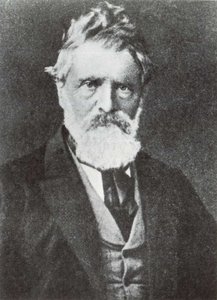
Peder Balke
1804 - 1887 , Norvegia
Informazioni rapide
- Artisti Influenti:
- Heinrich August Grosch
- Carl Johan Fahlcrantz
- Johan Christian Dahl
- Data Di Morte: 5 febbraio 1887
- Data Di Nascita: 4 novembre 1804
- Luogo Di Nascita: Hegøy, Norvegia
- Movimento Artistico: Romanticismo
- Nazionalità: Norvegese
- Nome Completo: Peder Balke
- Opere Notevoli:
- Vue de Christiania (Oslo)
- The Harbor at Skjervøy
- Old Trees
- Seascape
- Fredrikshald
- The North Cape by Moonlight
Articoli correlati

I 10 Capolavori del Paesaggio Romantico: Arte, Storia e Decorazioni di Lusso
Esplora i 10 capolavori del Paesaggio Romantico con OriginalUniqueArt.com! Caspar David Friedrich, Turner e altri maestri: storia, tecnica e colori che definiscono un'epoca. Trova riproduzioni d'arte di lusso per la tua casa. Scopri la collezione completa online!
Capturing Stillness: A Curated Exploration of the Most Iconic Lake Landscapes in Art History
Journey through art history's most serene lake landscapes. From Romantic vistas to light-drenched Impressionist waters, discover the stories behind these iconic masterpieces and find museum-quality, hand-painted oil reproductions for your private collection.

Johan Christian Dahl e l'Anima del Paesaggio Norvegese: Un Pioniere del Romanticismo Pittorico
Esplora la vita e le opere di Johan Christian Dahl, il pioniere del Romanticismo norvegese. Analisi approfondite dei suoi capolavori e guida per collezionisti appassionati. Scopri l'anima della natura nella sua arte.

John Constable: I 25 Capolavori che Celebrano la Bellezza della Campagna Inglese
Esplora i 25 capolavori di John Constable, il maestro del Romanticismo inglese. Paesaggi suggestivi, luce naturale e colori vibranti ti aspettano. Acquista riproduzioni d'arte di alta qualità su OriginalUniqueArt.com e porta la bellezza della campagna inglese nella tua casa.

Evocations of Place: A Historical Journey Through Landscape Art
Explore the rich history of landscape art with OriginalUniqueArt. Discover renowned artists, movements like Impressionism & Romanticism, and expert guidance for collecting timeless pieces. Find your perfect serene escape today!