Anteprima in scala reale
 Condividi
 Condividi
 Dettagli

 Scarica
 Articoli simili
 Radiografia
 Slideshow
 Statistiche
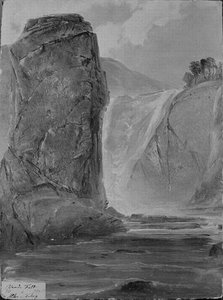
SARPS FOSSEN (CHUTE D'EAU)


 Leggi tutto
Giclée / Stampe d'arte
Stampa giclée o su tela di qualità museale, con produzione rapida e diverse opzioni di finitura. ( Ordina la riproduzione dipinta a mano Passa all'immagine digitale)




P118B $10

P118H $10

P118W $10

P438Z $10

P508JH $12

P508YH $12

P805H $10

P805Z $10

P919BZ $10

P919G $10

P919XJ $10

P959ZH $10

P968JZ $12

W106C $8

W218G $10

W218JH $8

W218Y $10

W307PJ $10

W316G $10

W316PJ $8

W316Y $10

W398PJ $8

W4111J $10

W500HY $15

W500JH $15

W692G $12

W849H $8

W940BG $15

W953PJ $8




Scegli tra le nostre dimensioni predefinite, che rispettano le proporzioni originali dell'opera d'arte.

È possibile inserire dimensioni personalizzate per adattare l'opera a una cornice o a uno spazio specifico. Se la dimensione selezionata non corrisponde alle proporzioni dell'immagine originale, procederemo al ritaglio dell'opera o all'estensione dell'immagine con un bordo specchiato o a tinta unita. Un mockup digitale ti verrà inviato per approvazione prima dell'inizio della produzione.
Si prega di notare che l'anteprima a schermo non riflette il ritaglio o l'estensione effettivi. Solo il mockup mostrerà accuratamente la composizione finale.
Sebbene siano disponibili dimensioni personalizzate, si raccomanda di selezionare una dimensione dall'elenco predefinito per preservare le proporzioni originali.
Consegna in tutto il mondo () in 2 settimane invece delle normali 4/5 settimane. (16 Settembre)

Spedizione espressa gratuita in tutto il mondo

Tela in lino di alta qualità

Assicurazione completa sulla spedizione

Garanzia di rimborso dei dazi doganali

Garanzia di perfetta fedeltà cromatica

Politica di reso entro 100 giorni (solo per difetti di fabbricazione)

Garanzia di rimborso al 100%

Sconto per acquisti multipli
 L'opzione vetro è disponibile solo per dimensioni inferiori a 110 cm

SARPS FOSSEN (CHUTE D'EAU)
Giclée / Stampe d'arte
Dimensioni della riproduzione
-


Prezzo totale
$ 80
A Symphony of Light and Landscape: Unveiling Peder Balkes "Sarps Fossen"
Peder Balke’s “Sarps Fossen (Chute d’Eau)” isn't merely a depiction of a waterfall; it’s an immersive experience, a carefully constructed meditation on the sublime power and quiet beauty of the Norwegian wilderness. Painted around 1860, this oil-on-canvas masterpiece transports the viewer to the heart of Telemark, capturing not just the physical form of Sarps Fossen but also the very spirit of Romanticism – a movement that sought to elevate nature as a source of spiritual and emotional resonance. The painting’s enduring appeal lies in its ability to evoke a profound sense of awe and tranquility simultaneously, inviting contemplation on humanity's place within the vastness of the natural world.
Balke, born into a farming family in rural Norway, possessed an innate sensitivity to the landscape that would define his artistic career. His early life amidst the rugged beauty of Hedmark instilled a deep connection to nature, a connection he translated onto canvas with remarkable skill and emotional depth. He wasn’t interested in precise realism; instead, he prioritized conveying the *feeling* of being present within this dramatic scene – the cool mist rising from the churning water, the echoing roar of the cascade, the diffused light filtering through the clouds.
Composition and Color: A Masterclass in Atmospheric Perspective
The composition of “Sarps Fossen” is meticulously balanced, employing a classic horizontal format that emphasizes the breadth of the landscape. The eye is immediately drawn to the mid-ground – the powerful waterfall itself – its white foam contrasting dramatically against the dark, textured cliffs that frame it. Foreground elements, including the shadowy shoreline and the small boat navigating the river, provide a sense of scale and human presence within this immense natural setting. Crucially, Balke utilizes atmospheric perspective with exquisite precision; distant elements are rendered in paler, less distinct tones, creating an illusion of depth and drawing the viewer’s gaze into the receding horizon.
The color palette is dominated by muted earth tones – browns, ochres, and yellows – reflecting the weathered stone and moss-covered terrain. Subtle blues and grays are woven throughout the sky and water, adding a touch of coolness and contrast to the warmer hues below. This restrained use of color contributes significantly to the painting’s overall sense of tranquility and age, suggesting that this landscape has witnessed centuries of change yet retains an enduring beauty.
Technique and Emotional Resonance: The Language of Romanticism
Balke's technique is characterized by loose, expressive brushstrokes – a hallmark of the Romantic style. He avoids overly detailed rendering, opting instead to capture the *essence* of the scene through broad washes of color and gestural marks. The texture of the rocks is suggested with visible impasto, while the water surface is rendered with smoother strokes that convey movement and fluidity. This deliberate lack of precision allows the viewer’s imagination to fill in the details, fostering a deeper connection with the artwork.
More than just a landscape painting, “Sarps Fossen” embodies the Romantic ideal of nature as a source of spiritual inspiration. The sheer scale of the waterfall evokes a sense of awe and humility, reminding us of our smallness in the face of nature’s power. The inclusion of the lone boat suggests humanity's tentative relationship with this untamed wilderness – an invitation to both admire and respect its grandeur. It is a painting that speaks to the heart, evoking feelings of peace, wonder, and perhaps even a touch of melancholy.
Historical Context and Legacy
Painted during a period of significant artistic and social change in Norway, “Sarps Fossen” reflects Balke’s own evolving artistic vision. He was deeply influenced by the Romantic movement, which emphasized emotion, imagination, and the beauty of nature. His work also aligns with the broader Norwegian tradition of landscape painting, which sought to capture the unique character of the country's diverse terrain. Today, “Sarps Fossen” is recognized as a seminal work in Norwegian art history, celebrated for its technical mastery, emotional depth, and enduring appeal.
Biografia dell'artista
Peder Balke: Un Visionario Romantico Norvegese
- Nato: Hegøy, Norvegia (1804)
- Morto: 1887
Primi Anni e Formazione Artistica
- Peder Andersen Balke nacque sull'isola di Helgøya nella contea di Hedmark, in Norvegia. Crebbe a Ringsaker.
- La sua famiglia erano agricoltori, ma ricevette il sostegno della comunità locale per perseguire le sue ambizioni artistiche. Gli agricoltori di Toten pagarono la sua istruzione.
- Iniziò il suo apprendistato come apprendista di Heinrich August Grosch nel 1827 e studiò anche sotto Jacob Munch.
- Dal 1829 al 1833, fu allievo di Carl Johan Fahlcrantz alla Royal Swedish Academy of Fine Arts a Stoccolma.
- Successivamente studiò con Johan Christian Dahl dal 1843 al 1844.
Stile Artistico e Opere Chiave
- Pittura di Paesaggio Romantica: Balke è noto soprattutto per le sue drammatiche rappresentazioni del paesaggio norvegese, caratterizzate da una sensibilità romantica. Le sue opere spesso presentano un'illuminazione intensa, effetti atmosferici e un senso di grandiosità sublime.
- Tecnica Pittorica Unica: Sviluppò uno stile distintivo con pennellate strutturate e un uso insolito del colore, creando una qualità onirica nei suoi dipinti.
- Opere Notabili: Alcune delle sue opere più celebrate includono:
- Vue de Christiania (aujourd'hui Oslo) (1872) - Un drammatico scorcio cittadino che cattura l'essenza di Oslo.
- Il Porto a Skjervøy (1846) – Mostra una scena portuale affascinante con dettagli realistici.
- Vecchi Alberi (1840) – Rappresenta un cupo paesaggio invernale norvegese con un'illuminazione potente.
- Paesaggio Marino (1845) - Un drammatico paesaggio marino che evidenzia la bellezza aspra della costa norvegese.
- Fredrikshald (1852) – Presenta un castello costiero e barche, mostrando la sua maestria del realismo.
- Il Capo Nord alla Luna (1848) - Cattura la bellezza mozzafiato del Capo Nord sotto la luce lunare.
Impegno Sociale e Vita Successiva
- Difensore della Giustizia Sociale: Balke non era solo un artista, ma anche un convinto riformatore sociale. Si impegnò attivamente in questioni di giustizia sociale.
- Progetto Balkeby: Guidò la costruzione di Balkeby, una nuova periferia di Oslo progettata per fornire migliori condizioni di vita ai lavoratori. Fornì prestiti e stabilì rigidi regolamenti edilizi.
- Difesa degli Artisti: Balke sostenne l'istituzione di sovvenzioni per gli artisti e pensioni sia per uomini che per donne.
- Eredità Familiare: Era il bisnonno dell'attrice Turid Balke e il trisnonno del pianista jazz Jon Balke.
Significato Storico e Riconoscimento
- Riscoperta e Apprezzamento: Sebbene inizialmente trascurato, il lavoro di Balke ha sperimentato una significativa ripresa di riconoscimento negli ultimi decenni.
- Mostre Internazionali: Importanti mostre del suo lavoro si sono tenute in prestigiose istituzioni come la National Gallery di Londra (2014-2015) e il Metropolitan Museum of Art (2017).
- Influenza sull'Arte Nordica: Lo stile e la visione unici di Balke hanno contribuito significativamente allo sviluppo dell'arte romantica in Norvegia e nella regione nordica più ampia. I suoi dipinti sono ora considerati esempi importanti dell'arte norvegese del XIX secolo, celebrati per i loro paesaggi drammatici e la profondità emotiva.
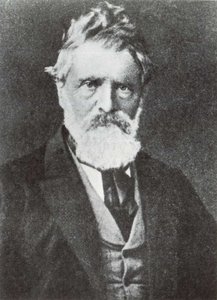
Peder Balke
1804 - 1887 , Norvegia
Informazioni rapide
- Artisti Influenti:
- Heinrich August Grosch
- Carl Johan Fahlcrantz
- Johan Christian Dahl
- Data Di Morte: 5 febbraio 1887
- Data Di Nascita: 4 novembre 1804
- Luogo Di Nascita: Hegøy, Norvegia
- Movimento Artistico: Romanticismo
- Nazionalità: Norvegese
- Nome Completo: Peder Balke
- Opere Notevoli:
- Vue de Christiania (Oslo)
- The Harbor at Skjervøy
- Old Trees
- Seascape
- Fredrikshald
- The North Cape by Moonlight
Articoli correlati

Johan Christian Dahl e l'Anima del Paesaggio Norvegese: Un Pioniere del Romanticismo Pittorico
Esplora la vita e le opere di Johan Christian Dahl, il pioniere del Romanticismo norvegese. Analisi approfondite dei suoi capolavori e guida per collezionisti appassionati. Scopri l'anima della natura nella sua arte.

Evocations of Place: A Historical Journey Through Landscape Art
Explore the rich history of landscape art with OriginalUniqueArt. Discover renowned artists, movements like Impressionism & Romanticism, and expert guidance for collecting timeless pieces. Find your perfect serene escape today!
Capturing Stillness: A Curated Exploration of the Most Iconic Lake Landscapes in Art History
Journey through art history's most serene lake landscapes. From Romantic vistas to light-drenched Impressionist waters, discover the stories behind these iconic masterpieces and find museum-quality, hand-painted oil reproductions for your private collection.

I 10 Capolavori del Paesaggio Romantico: Arte, Storia e Decorazioni di Lusso
Esplora i 10 capolavori del Paesaggio Romantico con OriginalUniqueArt.com! Caspar David Friedrich, Turner e altri maestri: storia, tecnica e colori che definiscono un'epoca. Trova riproduzioni d'arte di lusso per la tua casa. Scopri la collezione completa online!

John Constable: I 25 Capolavori che Celebrano la Bellezza della Campagna Inglese
Esplora i 25 capolavori di John Constable, il maestro del Romanticismo inglese. Paesaggi suggestivi, luce naturale e colori vibranti ti aspettano. Acquista riproduzioni d'arte di alta qualità su OriginalUniqueArt.com e porta la bellezza della campagna inglese nella tua casa.