Anteprima in scala reale
 Invia
Invia Condividi
 Dettagli opera
 Guida
Guida

 Scarica
 Simili
 Radiografia
 Slideshow
 Statistiche
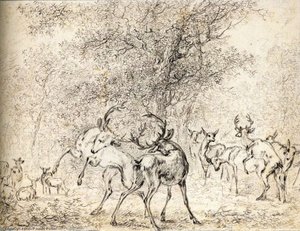
Resting Herd
 Acrylic On Canvas
- WallArt
- Romanticism
 1652
1652 36.0 x 47.0 cm
 Gemäldegalerie Alte Meister
 Espandi i dettagli
Giclée / Stampe d'arte
Stampa giclée o su tela di qualità museale, con produzione rapida e diverse opzioni di finitura. ( Acquista il dipinto realizzato a mano Passa all'immagine digitale)




P118B €10

P118H €10

P118W €10

P438Z €10

P508JH €12

P508YH €12

P805H €10

P805Z €10

P919BZ €10

P919G €10

P919XJ €10

P959ZH €10

P968JZ €12

W106C €8

W218G €10

W218JH €8

W218Y €10

W307PJ €10

W316G €10

W316PJ €8

W316Y €10

W398PJ €8

W4111J €10

W500HY €15

W500JH €15

W692G €12

W849H €8

W940BG €15

W953PJ €8




Scegli tra le nostre dimensioni predefinite, che rispettano le proporzioni originali dell'opera d'arte.

Inserisci la larghezza e l'altezza desiderate, per adattarle alla tua cornice o alla tua parete. Una stampa può essere solo ritagliata, mai resa più grande dell'immagine originale; pertanto, un formato con una forma differente comporterà la perdita di una parte dell'opera. Ti invieremo un mockup digitale da approvare prima di procedere con la stampa. L'immagine mostrata in questa pagina non rappresenta il ritaglio reale — solo il mockup lo mostra.
Consegna in tutto il mondo () in 2 settimane invece delle normali 4/5 settimane. (25 Ottobre)

Spedizione espressa gratuita in tutto il mondo

Tela in lino di alta qualità

Assicurazione completa sulla spedizione

Garanzia di rimborso dei dazi doganali

Garanzia di fedeltà cromatica assoluta

Politica di reso entro 100 giorni (solo per difetti di fabbricazione)

Garanzia di rimborso al 100%

Offerta per acquisti multipli
 L'opzione vetro è disponibile solo per dimensioni inferiori a 110 cm

Resting Herd
Giclée / Stampe d'arte
Dimensioni riproduzione
-


Prezzo finale calcolato
€ 70
Resting Herd: A Dutch Golden Age Vision of Pastoral Harmony
Paulus Potter’s “Resting Herd,” painted in 1652, is more than just a depiction of cattle; it's a profound meditation on the relationship between humanity and nature, a cornerstone of the Dutch Golden Age’s burgeoning interest in capturing the beauty and tranquility of the countryside. This remarkable work, now housed at the Staatliche Kunstsammlungen Dresden, offers a rare glimpse into the artistic sensibilities of a tragically short-lived talent – Paulus Potter himself, who died at just 28 years old. The painting immediately draws the viewer in with its remarkably low vantage point, placing us within the scene as if we’re standing amongst the animals, fostering an intimate and almost voyeuristic connection to this peaceful tableau.
Potter's style represents a pivotal shift in Dutch art. Moving beyond the prevalent genre scenes of his father, Pieter Symonsz Potter, he embraced a distinctly Romantic approach – not in the sense of the later movement, but rather in its emphasis on capturing raw emotion and naturalism. He eschewed the idealized representations favored by earlier artists, opting instead for a directness and immediacy that was revolutionary at the time. The composition is remarkably balanced, with the figures of the animals arranged in a loose, organic manner, suggesting a sense of spontaneous movement and life. The muted palette – dominated by earthy browns, greens, and greys – further enhances the painting’s serene atmosphere, creating a visual experience that is both calming and deeply evocative.
A Pioneer of Animal Painting
Paulus Potter's work stands as a significant departure from the established conventions of Dutch art. While animal subjects were certainly present in earlier paintings, they were typically relegated to secondary roles, serving primarily as decorative elements or symbols within larger narratives. Potter, however, elevates the animals to the central focus of his compositions, treating them with an unprecedented level of detail and respect. This shift reflects a broader cultural trend during the Dutch Golden Age – a growing appreciation for the natural world and its inherent beauty. The painting’s realism is remarkable; one can almost feel the warmth of the sun on the animals' hides and hear the gentle rustling of the grass.
The inclusion of a shepherd, identifiable by his simple clothing and attentive posture, adds another layer of meaning to the scene. He isn’t actively managing the herd but rather observing it with quiet contemplation – suggesting a harmonious coexistence between man and nature. The sheep, positioned on the left side of the composition, further reinforces this theme of pastoral tranquility. The subtle details—the varying textures of the animals' coats, the individual expressions on their faces, the dappled sunlight filtering through the trees—demonstrate Potter’s meticulous attention to detail and his profound understanding of animal anatomy.
Symbolism and Emotional Resonance
Beyond its technical brilliance, “Resting Herd” is rich in symbolic meaning. The scene evokes a sense of timelessness and stability, reflecting the values that were central to Dutch society during the 17th century – hard work, piety, and a deep connection to the land. The painting’s quietude speaks to a desire for respite from the pressures of urban life, offering viewers an opportunity to escape into a world of natural beauty and serenity. The low vantage point invites us to share in the animals' peaceful repose, fostering a sense of empathy and connection.
Potter’s untimely death at the age of 28 cut short a brilliant career, but his legacy endures through works like “Resting Herd.” It remains a powerful testament to the beauty of the natural world and a poignant reminder of the fleeting nature of artistic genius. Reproductions of this iconic painting offer a chance to bring this evocative scene into any space, inviting viewers to contemplate the timeless themes of harmony, tranquility, and the enduring connection between humanity and nature.
Domande e risposte
Quale armonia cromatica esprime "Resting Herd" di Paolo Potter?
"Resting Herd" di Paolo Potter presenta un'armonia cromatica Strong Color Unity.
È possibile visualizzare "Resting Herd" di Paolo Potter sotto diverse illuminazioni?
"Resting Herd" può essere esaminata strato dopo strato nella pagina Raggi X dell'opera, un visualizzatore ispirato al banco luminoso di un restauratore che offre undici letture ottiche dell'immagine.
Quale origine nazionale si cela dietro il Romanticism di "Resting Herd"?
L'opera Romanticism "Resting Herd" è stata realizzata da un artista nato in Paesi Bassi.
Biografia dell'artista
Primi Anni di Vita e Contesto Familiare
- Nascita e Battesimo: Paulus Potter nacque a Enkhuizen, nei Paesi Bassi, il 20 novembre 1625 e fu battezzato lo stesso giorno.
- Famiglia di Artisti: Proveniva da una famiglia con inclinazioni artistiche. Suo padre, Pieter Symonsz Potter, era un pittore specializzato in arazzi dorati e scene di genere. Sua madre, Aaltje Paulusdr Bartsius, era imparentata con il pittore Willem Bartsius.
- Trasferimento ad Amsterdam: La famiglia si trasferì prima a Leiden nel 1628 e poi ad Amsterdam nel 1631, dove Paulus iniziò la sua formazione artistica sotto la guida del padre.
- Primi Studi: Sebbene principalmente istruito dal padre, alcune fonti suggeriscono possibili studi con Claes Moeyaert ad Amsterdam.
Sviluppo Artistico e Carriera
- Iscrizione alla Gilda: Potter divenne membro della Gilda di San Luca a Delft.
- Trasferimento all'Aia: Entro il 1649, si era trasferito all'Aia, stabilendosi vicino al pittore paesaggista Jan van Goyen.
- Matrimonio e Relazioni Sociali: Nel luglio del 1650, Potter sposò Adriana van Balckeneynde. Suo suocero, un importante imprenditore edile, lo presentò a membri influenti della società olandese, tra cui Amalia di Solms-Braunfels.
- Ritorno ad Amsterdam: Nel maggio del 1652, tornò ad Amsterdam su invito di Nicolaes Tulp, un medico e appassionato d'arte che commissionò un ritratto di suo figlio, Dirck Tulp.
- Morte Prematura: Purtroppo, Paulus Potter morì ad Amsterdam il 17 gennaio 1654, in giovane età (28 anni), a causa della tubercolosi.
Stile e Opere Principali
- Dipinti di Animali in Paesaggi: Potter si specializzò nel dipingere animali – in particolare bovini – integrati in ampi paesaggi. Le sue composizioni presentavano spesso un punto di vista basso, enfatizzando la scala della natura.
- Il Toro Giovane (c. 1647): Considerata la sua opera più famosa, *Il Toro Giovane*, ora conservato al Mauritshuis all'Aia, è celebrata per la sua rappresentazione realistica di un animale all'interno di un vasto paesaggio. Inizialmente accolta con alcune critiche, in seguito ottenne il riconoscimento come un primo esempio del Romanticismo.
- Altre Opere Notevoli: Tra le sue altre opere significative figurano *Figure con Cavalli presso una Stalla* (1647), *Punizione di un Cacciatore* (c. 1647), *Due Maiali nella Porcilaia* (1649) e *Levriero* (c. 1650–1652).
- Incisioni: Potter produsse anche numerose incisioni, spesso raffiguranti bovini e altri animali.
Influenze e Significato Storico
- Influenza di Jan van Goyen: Il tempo trascorso vicino a Jan van Goyen all'Aia influenzò probabilmente il suo stile paesaggistico, in particolare l'enfasi sugli effetti atmosferici e sulla rappresentazione realistica della natura.
- Pioniere del Romanticismo: Potter è riconosciuto come un precursore del movimento romantico grazie al suo legame emotivo con la natura e alla sua attenzione nel ritrarne la grandezza. *Il Toro Giovane* divenne un'icona di questa sensibilità romantica precoce.
- Eredità e Riconoscimento: Nonostante la sua breve vita, Potter lasciò circa 100 dipinti. La sua opera fu ammirata nel XIX secolo per il suo naturalismo e la sua profondità emotiva.
- Monumenti Commemorativi: Una statua in memoria di Potter fu eretta a Enkhuizen nel 1991, raffigurandolo mentre schizza una capra.
Caratteristiche Artistiche
- Linee dell'Orizzonte Basse: Potter utilizzava frequentemente linee dell'orizzonte basse per creare un senso di vastità e enfatizzare la scala del paesaggio.
- Rappresentazione Realistica degli Animali: Era noto per la sua meticolosa attenzione ai dettagli nel rendere gli animali, catturandone l'anatomia e il comportamento con notevole accuratezza.
- Effetti Atmosferici: I suoi paesaggi presentano spesso sottili effetti atmosferici, come luce e ombra, che contribuiscono all'umore generale e al realismo della scena.
- Palette di Colori Sottile: Potter utilizzava tipicamente una tavolozza di colori tenui dominata da tonalità terrose, riflettendo i colori naturali della campagna olandese.

Paolo Potter
1625 - 1654 , Paesi Bassi
Dettagli rapidi
- Artisti Che Lo Influenzarono:
- Pieter Potter
- Jan van Goyen
- Artisti Influenzati: ['Albert Jansz Klomp']
- Data Di Morte: 17 gennaio 1654
- Data Di Nascita: 20 novembre 1625
- Luogo Di Nascita: Enkhuizen, Paesi Bassi
- Movimento Artistico: Romanticismo
- Nazionalità: Olandese
- Nome Completo: Paulus Potter
- Opere Notevoli: ['Il giovane toro']
Articoli correlati

Jan van Goyen: Maestro del Paesaggio Olandese e della Prospettiva Atmosferica
Scopri Jan van Goyen, maestro del paesaggio olandese e pioniere della prospettiva atmosferica. Approfondisci la sua vita, tecnica innovativa e l'eredità artistica che ha rivoluzionato la pittura del Secolo d'Oro.
Animalia: Esplorando la Presenza Duratura degli Animali nell'Arte e nel Design d'Interni
Esplora il ruolo affascinante degli animali nell'arte e nel design d'interni. Scopri simbolismi nascosti, capolavori iconici e come portare la bellezza della fauna nella tua casa con .

John Constable: I 25 Capolavori che Celebrano la Bellezza della Campagna Inglese
Esplora i 25 capolavori di John Constable, il maestro del Romanticismo inglese. Paesaggi suggestivi, luce naturale e colori vibranti ti aspettano. Acquista riproduzioni d'arte di alta qualità su OriginalUniqueArt.com e porta la bellezza della campagna inglese nella tua casa.

Golden Light & Dutch Skies: The Timeless Magic of Dutch Golden Age Landscapes
Discover the breathtaking beauty of Dutch Golden Age landscapes. Explore the mastery of light, chiaroscuro, and 17th-century realism through an expert art history lens, celebrating the enduring legacy of the Dutch Masters for discerning collectors and art lovers.
Serene Visions: Exploring Themes of Tranquility in Art History & Contemporary Practice
Explore the history of serene landscape art & discover artists who evoke tranquility. Find the perfect calming artwork for your home with expert guidance from OriginalUniqueArt.