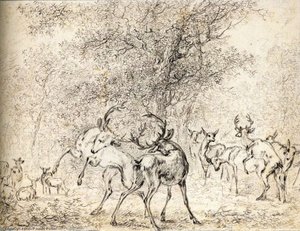
Anteprima in scala reale
 Condividi
 Condividi
 Dettagli

 Scarica
 Articoli simili
 Radiografia
 Slideshow
 Statistiche
Landscape with Two Cows and a Goat
 Acrylic On Canvas
- WallArt
- Romantic Landscape
 1652
1652- Early Modern
 31.0 x 35.0 cm
 Museo del Prado
 Leggi tutto
Riproduzione a olio fatta a mano
Olio su tela dipinto a mano nelle tue dimensioni e con la tua cornice, realizzato su ordinazione dai nostri artisti. ( Passa alle stampe Passa all'immagine digitale)




P118B $10

P118H $10

P118W $10

P438Z $10

P508JH $12

P508YH $12

P805H $10

P805Z $10

P919BZ $10

P919G $10

P919XJ $10

P959ZH $10

P968JZ $12

W106C $8

W218G $10

W218JH $8

W218Y $10

W307PJ $10

W316G $10

W316PJ $8

W316Y $10

W398PJ $8

W4111J $10

W500HY $15

W500JH $15

W692G $12

W849H $8

W940BG $15

W953PJ $8




Scegli tra le nostre dimensioni predefinite, che rispettano le proporzioni originali dell'opera d'arte.

È possibile inserire dimensioni personalizzate per adattare l'opera a una cornice o a uno spazio specifico. Se la dimensione selezionata non corrisponde alle proporzioni dell'immagine originale, provvederemo a ritagliare l'opera o a estendere il dipinto con elementi aggiuntivi dipinti a mano. Un mockup digitale ti sarà inviato per approvazione prima dell'inizio della produzione.
Si prega di notare che l'anteprima a schermo non riflette il ritaglio o l'estensione effettivi. Solo il mockup mostrerà accuratamente la composizione finale.
Sebbene siano disponibili dimensioni personalizzate, consigliamo di selezionare una dimensione dall'elenco predefinito per preservare le proporzioni originali.
Dopo l'ordine, il team di OriginalUniqueArt.com contatterà il cliente via e-mail per ricevere le istruzioni e fornirà un'anteprima del mockup
Consegna in tutto il mondo () in 3/4 settimane anziché nelle normali 5 settimane. (13 Settembre). Nessun compromesso sulla qualità.

Spedizione espressa gratuita in tutto il mondo

Tela in lino di alta qualità

Assicurazione completa sulla spedizione

Garanzia di rimborso dei dazi doganali

Garanzia di perfetta fedeltà cromatica

Politica di reso entro 100 giorni (solo per difetti di fabbricazione)

Garanzia di rimborso al 100%

Sconto per acquisti multipli
 L'opzione vetro è disponibile solo per dimensioni inferiori a 110 cm

Landscape with Two Cows and a Goat
Tecnica di riproduzione
Dimensioni della riproduzione
-


Prezzo totale
$ 300
A Window Into Dutch Pastoralism: Paulus Potter’s “Landscape with Two Cows and a Goat”
Paulus Potter's "Landscape with Two Cows and a Goat," painted in 1652, isn’t merely a depiction of livestock; it’s a carefully constructed tableau brimming with the quiet dignity and profound connection to nature that defined the Dutch Golden Age. This remarkable work, now meticulously reproduced as a hand-painted artwork, offers a glimpse into a world where rural life was not just observed but deeply felt – a sentiment increasingly valued during a period of burgeoning artistic exploration and philosophical reflection.
The scene unfolds within a modestly sized canvas, measuring 31 x 35 cm. Potter’s masterful technique immediately draws the eye. He employs a remarkably low vantage point, placing the viewer almost amongst the animals themselves, fostering an intimate and immersive experience. The brushstrokes are deliberate yet loose, creating a sense of atmospheric depth – the hazy blue sky, the rolling hills rendered in subtle gradations of green and brown, all contribute to a believable and inviting landscape. Notice particularly the meticulous detail lavished upon the cows; their coats are rendered with an almost photographic realism, capturing the texture of their hides and the gentle curve of their forms. This dedication to naturalism was revolutionary for its time, moving beyond simple representation towards a deeper understanding of animal anatomy and behavior.
The Painter’s Vision: Romanticism Before Its Time
Paulus Potter's work is often cited as a pivotal precursor to the Romantic movement in art. While he predates many of the key figures associated with Romanticism, his emphasis on emotion, the sublime beauty of nature, and the dignity of rural life resonates powerfully with its core tenets. The painting’s mood isn’t one of grand drama or heroic action; instead, it exudes a sense of peaceful contemplation. The inclusion of the solitary goat, seemingly lost in thought, adds to this feeling of quiet introspection. It's a scene that invites the viewer to pause and appreciate the simple pleasures of existence – the warmth of the sun, the scent of fresh grass, the companionship of animals.
Furthermore, Potter’s choice of subject matter—ordinary farm animals in a natural setting—was deliberately subversive for its time. Dutch art had traditionally focused on portraits, historical scenes, and genre paintings depicting urban life. Potter's focus on the rural world offered a refreshing change of pace, elevating the status of the working class and celebrating the beauty of everyday existence. This shift reflects a broader cultural trend during the 17th century – a growing appreciation for the value of nature and a desire to connect with the roots of Dutch identity.
Symbolism and Emotional Resonance
Beyond its technical brilliance, “Landscape with Two Cows and a Goat” is rich in symbolic meaning. The cows themselves represent fertility, abundance, and the vital connection between humanity and the land. Their placid demeanor suggests contentment and harmony – a reflection of Potter’s own vision for a balanced and fulfilling life. The presence of the goat, often associated with stubbornness and independence, adds an element of complexity to the scene, hinting at the challenges and uncertainties that inevitably accompany rural existence.
The painting's emotional impact is profound. It evokes a sense of nostalgia for a simpler time, a longing for connection with nature, and a quiet appreciation for the beauty of the natural world. It’s a work that speaks to our deepest desires – a desire for peace, tranquility, and a sense of belonging within the larger tapestry of life. The hand-painted reproductions capture this essence perfectly, allowing viewers to experience the painting's subtle nuances and emotional depth in a way that is impossible with digital images.
A Timeless Masterpiece: Perfect for Your Space
Whether adorning a living room wall or gracing a study, “Landscape with Two Cows and a Goat” brings a touch of Dutch pastoral charm to any setting. Its muted palette, evocative composition, and masterful technique create a timeless aesthetic that will complement a wide range of interior design styles. The reproduction’s meticulous detail ensures that every brushstroke, every nuance of light and shadow, is faithfully preserved, offering an authentic representation of Potter's artistic vision. Invest in this stunning artwork – a window into the heart of Dutch Golden Age artistry and a source of enduring beauty and tranquility.
Biografia dell'artista
Primi Anni di Vita e Contesto Familiare
- Nascita e Battesimo: Paulus Potter nacque a Enkhuizen, nei Paesi Bassi, il 20 novembre 1625 e fu battezzato lo stesso giorno.
- Famiglia di Artisti: Proveniva da una famiglia con inclinazioni artistiche. Suo padre, Pieter Symonsz Potter, era un pittore specializzato in arazzi dorati e scene di genere. Sua madre, Aaltje Paulusdr Bartsius, era imparentata con il pittore Willem Bartsius.
- Trasferimento ad Amsterdam: La famiglia si trasferì prima a Leiden nel 1628 e poi ad Amsterdam nel 1631, dove Paulus iniziò la sua formazione artistica sotto la guida del padre.
- Primi Studi: Sebbene principalmente istruito dal padre, alcune fonti suggeriscono possibili studi con Claes Moeyaert ad Amsterdam.
Sviluppo Artistico e Carriera
- Iscrizione alla Gilda: Potter divenne membro della Gilda di San Luca a Delft.
- Trasferimento all'Aia: Entro il 1649, si era trasferito all'Aia, stabilendosi vicino al pittore paesaggista Jan van Goyen.
- Matrimonio e Relazioni Sociali: Nel luglio del 1650, Potter sposò Adriana van Balckeneynde. Suo suocero, un importante imprenditore edile, lo presentò a membri influenti della società olandese, tra cui Amalia di Solms-Braunfels.
- Ritorno ad Amsterdam: Nel maggio del 1652, tornò ad Amsterdam su invito di Nicolaes Tulp, un medico e appassionato d'arte che commissionò un ritratto di suo figlio, Dirck Tulp.
- Morte Prematura: Purtroppo, Paulus Potter morì ad Amsterdam il 17 gennaio 1654, in giovane età (28 anni), a causa della tubercolosi.
Stile e Opere Principali
- Dipinti di Animali in Paesaggi: Potter si specializzò nel dipingere animali – in particolare bovini – integrati in ampi paesaggi. Le sue composizioni presentavano spesso un punto di vista basso, enfatizzando la scala della natura.
- Il Toro Giovane (c. 1647): Considerata la sua opera più famosa, *Il Toro Giovane*, ora conservato al Mauritshuis all'Aia, è celebrata per la sua rappresentazione realistica di un animale all'interno di un vasto paesaggio. Inizialmente accolta con alcune critiche, in seguito ottenne il riconoscimento come un primo esempio del Romanticismo.
- Altre Opere Notevoli: Tra le sue altre opere significative figurano *Figure con Cavalli presso una Stalla* (1647), *Punizione di un Cacciatore* (c. 1647), *Due Maiali nella Porcilaia* (1649) e *Levriero* (c. 1650–1652).
- Incisioni: Potter produsse anche numerose incisioni, spesso raffiguranti bovini e altri animali.
Influenze e Significato Storico
- Influenza di Jan van Goyen: Il tempo trascorso vicino a Jan van Goyen all'Aia influenzò probabilmente il suo stile paesaggistico, in particolare l'enfasi sugli effetti atmosferici e sulla rappresentazione realistica della natura.
- Pioniere del Romanticismo: Potter è riconosciuto come un precursore del movimento romantico grazie al suo legame emotivo con la natura e alla sua attenzione nel ritrarne la grandezza. *Il Toro Giovane* divenne un'icona di questa sensibilità romantica precoce.
- Eredità e Riconoscimento: Nonostante la sua breve vita, Potter lasciò circa 100 dipinti. La sua opera fu ammirata nel XIX secolo per il suo naturalismo e la sua profondità emotiva.
- Monumenti Commemorativi: Una statua in memoria di Potter fu eretta a Enkhuizen nel 1991, raffigurandolo mentre schizza una capra.
Caratteristiche Artistiche
- Linee dell'Orizzonte Basse: Potter utilizzava frequentemente linee dell'orizzonte basse per creare un senso di vastità e enfatizzare la scala del paesaggio.
- Rappresentazione Realistica degli Animali: Era noto per la sua meticolosa attenzione ai dettagli nel rendere gli animali, catturandone l'anatomia e il comportamento con notevole accuratezza.
- Effetti Atmosferici: I suoi paesaggi presentano spesso sottili effetti atmosferici, come luce e ombra, che contribuiscono all'umore generale e al realismo della scena.
- Palette di Colori Sottile: Potter utilizzava tipicamente una tavolozza di colori tenui dominata da tonalità terrose, riflettendo i colori naturali della campagna olandese.

Paolo Potter
1625 - 1654 , Paesi Bassi
Informazioni rapide
- Artisti Che Lo Influenzarono:
- Pieter Potter
- Jan van Goyen
- Artisti Influenzati: ['Albert Jansz Klomp']
- Data Di Morte: 17 gennaio 1654
- Data Di Nascita: 20 novembre 1625
- Luogo Di Nascita: Enkhuizen, Paesi Bassi
- Movimento Artistico: Romanticismo
- Nazionalità: Olandese
- Nome Completo: Paulus Potter
- Opere Notevoli: ['Il giovane toro']
Articoli correlati
Animalia: Esplorando la Presenza Duratura degli Animali nell'Arte e nel Design d'Interni
Esplora il ruolo affascinante degli animali nell'arte e nel design d'interni. Scopri simbolismi nascosti, capolavori iconici e come portare la bellezza della fauna nella tua casa con .

Golden Light & Dutch Skies: Bringing the Magic of Dutch Golden Age Landscapes into Your Home
Transform your home with the breathtaking light of Dutch Golden Age landscapes. Discover how hand-painted oil reproductions of masterworks like Ruisdael and Vermeer bring timeless elegance, atmosphere, and soulful texture to modern interiors. Elevate your space with museum-quality art.
Charles Leickert: Capturing the Dutch Golden Age Light – A Comprehensive Study of Technique, Context, and Legacy
Explore the captivating winter landscapes of Charles Leickert, a master of Dutch Golden Age light & atmosphere. Discover his techniques, symbolism, and lasting legacy – a comprehensive study for art enthusiasts and collectors.
Jacob van Ruisdael: Maestro del Paesaggio Olandese e l'Evocazione dell'Identità Nazionale
Esplora la vita e le opere di Jacob van Ruisdael, maestro del paesaggio olandese. Approfondisci il simbolismo nei suoi dipinti e il contesto storico del Secolo d'Oro. Scopri l'eredità artistica di questo iconico pittore su OriginalUniqueArt.

Golden Light & Dutch Skies: The Timeless Magic of Dutch Golden Age Landscapes
Discover the breathtaking beauty of Dutch Golden Age landscapes. Explore the mastery of light, chiaroscuro, and 17th-century realism through an expert art history lens, celebrating the enduring legacy of the Dutch Masters for discerning collectors and art lovers.