Anteprima in scala reale
 Condividi
 Condividi
 Dettagli
 Guida stampabile

 Scarica
 Articoli simili
 Radiografia
 Slideshow
 Statistiche
Concarneau (study)
 Oil On Canvas
- WallArt
- Impressionism
 1891
1891- 19th Century
 24.0 x 33.0 cm
 Leggi tutto
Giclée / Stampe d'arte
Stampa giclée o su tela di qualità museale, con produzione rapida e diverse opzioni di finitura. ( Ordina la riproduzione dipinta a mano Passa all'immagine digitale)




P118B €10

P118H €10

P118W €10

P438Z €10

P508JH €12

P508YH €12

P805H €10

P805Z €10

P919BZ €10

P919G €10

P919XJ €10

P959ZH €10

P968JZ €12

W106C €8

W218G €10

W218JH €8

W218Y €10

W307PJ €10

W316G €10

W316PJ €8

W316Y €10

W398PJ €8

W4111J €10

W500HY €15

W500JH €15

W692G €12

W849H €8

W940BG €15

W953PJ €8




Scegli tra le nostre dimensioni predefinite, che rispettano le proporzioni originali dell'opera d'arte.

Inserisci la larghezza e l'altezza desiderate, per adattarle alla tua cornice o alla tua parete. Una stampa può essere solo ritagliata, mai resa più grande dell'immagine originale; pertanto, un formato con una forma differente comporterà la perdita di una parte dell'opera. Ti invieremo un mockup digitale da approvare prima di procedere con la stampa. L'immagine mostrata in questa pagina non rappresenta il ritaglio reale — solo il mockup lo mostra.
Consegna in tutto il mondo () in 2 settimane invece delle normali 4/5 settimane. (22 Ottobre)

Spedizione espressa gratuita in tutto il mondo

Tela in lino di alta qualità

Assicurazione completa sulla spedizione

Garanzia di rimborso dei dazi doganali

Garanzia di perfetta fedeltà cromatica

Politica di reso entro 100 giorni (solo per difetti di fabbricazione)

Garanzia di rimborso al 100%

Sconto per acquisti multipli
 L'opzione vetro è disponibile solo per dimensioni inferiori a 110 cm

Concarneau (study)
Giclée / Stampe d'arte
Dimensioni della riproduzione
-


Prezzo totale
€ 70
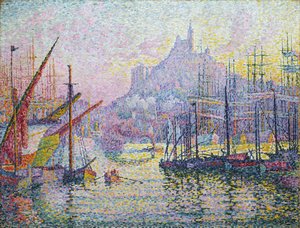
A Luminous Study in Coastal Light
To gaze upon this study of Concarneau is to be transported to a moment suspended between dawn and afternoon—a breath of salty air captured on canvas. The painting immerses the viewer in an atmosphere saturated with warm, golden hues, creating a luminous haze that seems to emanate from the water itself. It is not merely a depiction of a seaside vista; it is an evocation of light’s ephemeral dance upon liquid surfaces. The composition guides the eye across the calm expanse where sailboats drift like painted dreams toward a distant, softened horizon. Here, the artist masterfully prioritizes the feeling of movement and the play of reflected color over any need for sharp, photographic detail.
The Science and Soul of Impressionism
This work stands as a beautiful testament to the enduring spirit of Impressionism, filtered through the thoughtful lens of Paul Signac. While the scene speaks with the immediacy of Monet’s later works, the underlying structure hints at the systematic approach that defined his career. The visible brushstrokes—short, broken dabs of pure color—are not mere stylistic flourishes; they are records of perception itself. They capture how light fractures upon water and rock, giving texture to what might otherwise appear smooth. Notice the foreground: the rocky shoreline and large boulders are rendered with a palpable impasto, allowing one to almost feel the grit beneath the fingertips. This tactile quality is central to the painting’s power.
Rhythm, Reflection, and Form
The interplay between horizontal lines—the vast sweep of the water and sky—and the vertical accents provided by the masts and shoreline anchors the piece in a profound sense of rhythm. The sailboats themselves become rhythmic punctuation marks against the expansive canvas. Signac’s handling here suggests that the subject matter, while maritime, is deeply concerned with optical experience. The way the light catches the sails, making them glow against the deeper tones of the water, speaks to an understanding of color theory as a structural element. It is a study in atmospheric perspective, where distance softens edges until the cityscape recedes into a gentle wash of color.
Symbolism of Passage and Freedom
Beyond its technical brilliance, this painting resonates with universal themes. The sea, eternally restless yet momentarily calm, has always symbolized the journey of life itself. These graceful sailboats are potent symbols of freedom, of passage, and of humanity’s enduring connection to nature's vast, beautiful indifference. For the collector or designer, owning this piece means bringing into a space not just a painting, but a mood—a sense of open possibility and tranquil escape. It invites contemplation on journeys taken and those yet to come.
Domande e risposte
In quale ambiente si consiglia di collocare "Concarneau (study)" di Paul Signac?
Lo spazio consigliato per "Concarneau (study)" di Paul Signac è un Lounge. Il suggerimento può naturalmente essere adattato ai vostri interni.
Per quale motivo lo stato del copyright di "Concarneau (study)" è questo?
"Concarneau (study)" di Paul Signac è di di pubblico dominio - il suo copyright è scaduto. La durata del copyright decorre dalla morte dell'artista, avvenuta nel 1935.
A quale periodo della carriera di Paul Signac appartiene "Concarneau (study)"?
All'interno della carriera di Paul Signac, "Concarneau (study)" appartiene al Mature Period. Questa fase permette di confrontarla con le altre opere dell'artista.
Biografia dell'artista
Primi anni e formazione
Paul Victor Jules Signac, pittore neo-impressionista francese, nacque l'11 novembre 1863 a Parigi. Inizialmente intraprese un corso di architettura prima di decidere di diventare pittore all'età di 18 anni. Questa decisione fu influenzata da una mostra delle opere di Claude Monet.Stile artistico e influenze
Lo stile di Signac era caratterizzato dall'uso di piccoli punti di colore puro, che accostava per creare un senso di profondità e luce. Questa tecnica, nota come puntinismo, fu sviluppata in collaborazione con Georges Seurat. Il lavoro di Signac fu anche influenzato dai suoi viaggi lungo la costa europea, dove catturò la bellezza delle città portuali in acquerelli.Opere notevoli e associazioni
- Boulevard de Clichy (1886), un'opera post-impressionista che mette in mostra lo stile meticoloso di Signac.
- Il Boetta Rossa, Saint-Tropez (1895), una vibrante pittura marina con un boetta rosso-arancio su uno sfondo blu intenso.
- Membro fondatore della Société des Artistes Indépendants, che organizzò mostre annuali che stabilirono tendenze nell'arte del primo XX secolo.
Eredità e influenza
Il lavoro di Signac ebbe un profondo impatto sullo sviluppo del fauvismo, influenzando artisti come Henri Matisse e André Derain. In qualità di presidente della Société des Artistes Indépendants, Signac sostenne gli artisti più giovani ed espose opere controverse dei Fauves e dei Cubisti.- Visualizza altre opere di Paul Signac su https://OriginalUniqueArt.com/@/paul-signac
- Esplora la tecnica del puntinismo e la sua influenza sul neoimpressionismo su https://en.wikipedia.org/wiki/pointillism
- Scopri il movimento artistico del simbolismo, emerso come reazione al realismo nel campo della cultura nel XIX secolo, su https://en.wikipedia.org/wiki/symbolist_painting
Date chiave
- 11 novembre 1863: nato a Parigi
- 1884: ha co-fondato la Société des Artistes Indépendants
- 15 agosto 1935: è deceduto all'età di 71 anni

Paul Signac
1863 - 1935 , Francia
Informazioni rapide
- Artisti Influenti:
- Claude Monet
- Georges Seurat
- Artisti Influenzati:
- Henri Matisse
- André Derain
- Data Di Nascita: 11 novembre 1863
- Luogo Di Nascita: Parigi, Francia
- Movimento Artistico: Neo-Impressionismo
- Nazionalità: Francese
- Nome Completo: Paul Signac
- Opere Notevoli:
- Boulevard de Clichy (1886)
- Il Boia Rosso, Saint-Tropez (1895)
Articoli correlati
La Scienza della Luce: Come l'Ottica ha Guidato la Tecnica di Seurat e Signac nel Puntinismo
Scopri come la scienza dell'ottica ha rivoluzionato il puntinismo di Seurat e Signac. Approfondisci la tecnica del colore ora.
Paul Klee: Le 25 Opere Più Iconiche per Arricchire la Tua Casa con l'Arte
Esplora le 25 opere più iconiche di Paul Klee, maestro dell'arte astratta e del colore. Scopri la storia, lo stile unico e il significato dei suoi capolavori. Trova riproduzioni d'arte di alta qualità per decorare casa con OriginalUniqueArt.com.

Paul Cézanne: I 25 Capolavori che Hanno Rivoluzionato l'Arte Moderna | OriginalUniqueArt
Esplora i 25 capolavori di Paul Cézanne, il maestro dell'impressionismo e post-impressionismo. Scopri la storia, le tecniche e i colori iconici dietro opere come 'Le grandi bagnanti' e 'Mont Sainte-Victoire'. Trova riproduzioni artistiche di alta qualità per decorare la tua casa su OriginalUniqueArt.com.

The Enduring Legacy of Oil on Canvas: Technique, History & Aesthetic Impact
Explore the rich history & techniques of oil painting – from Renaissance masters to Impressionism. Discover pigments, layering methods, and why this timeless medium endures. Expert insights for artists & art enthusiasts.

Paul Signac: Puntinismo, Politica e la Ricerca dell'Armonia nell'Arte Moderna
Esplora il puntinismo e il divisionismo con OriginalUniqueArt. Scopri la rivoluzione tecnica di Seurat, l'impegno politico di Signac e la ricerca dell'armonia nell'arte moderna. Approfondimenti storici e analisi approfondite.