Anteprima in scala reale
 Invia
Invia Condividi
 Dettagli opera
 Guida
Guida

 Scarica
 Simili
 Radiografia
 Slideshow
 Q&A
Q&A Statistiche
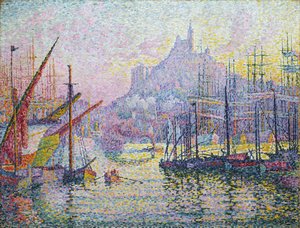
Antibes. Mattina
 Acrilico su tela
- Opere da parete
- Neoimpressionismo
 120.0 x 80.0 cm
 Museo Nazionale di Varsavia
 Espandi i dettagli
Giclée / Stampe d'arte
Stampa giclée o su tela di qualità museale, con produzione rapida e diverse opzioni di finitura. ( Acquista il dipinto realizzato a mano Passa all'immagine digitale)




P118B €10

P118H €10

P118W €10

P438Z €10

P508JH €12

P508YH €12

P805H €10

P805Z €10

P919BZ €10

P919G €10

P919XJ €10

P959ZH €10

P968JZ €12

W106C €8

W218G €10

W218JH €8

W218Y €10

W307PJ €10

W316G €10

W316PJ €8

W316Y €10

W398PJ €8

W4111J €10

W500HY €15

W500JH €15

W692G €12

W849H €8

W940BG €15

W953PJ €8




Scegli tra le nostre dimensioni predefinite, che rispettano le proporzioni originali dell'opera d'arte.

Inserisci la larghezza e l'altezza desiderate, per adattarle alla tua cornice o alla tua parete. Una stampa può essere solo ritagliata, mai resa più grande dell'immagine originale; pertanto, un formato con una forma differente comporterà la perdita di una parte dell'opera. Ti invieremo un mockup digitale da approvare prima di procedere con la stampa. L'immagine mostrata in questa pagina non rappresenta il ritaglio reale — solo il mockup lo mostra.
Consegna in tutto il mondo () in 2 settimane invece delle normali 4/5 settimane. (30 Ottobre)

Spedizione espressa gratuita in tutto il mondo

Tela in lino di alta qualità

Assicurazione completa sulla spedizione

Garanzia di rimborso dei dazi doganali

Garanzia di fedeltà cromatica assoluta

Politica di reso entro 100 giorni (solo per difetti di fabbricazione)

Garanzia di rimborso al 100%

Offerta per acquisti multipli
 L'opzione vetro è disponibile solo per dimensioni inferiori a 110 cm

Antibes. Mattina
Giclée / Stampe d'arte
Dimensioni riproduzione
-


Prezzo finale calcolato
€ 71
Antibes. Morning: A Symphony of Light and Color by Paul Signac
Paul Signac’s “Antibes. Morning” stands as a cornerstone of Neo-Impressionism, embodying the movement's revolutionary approach to capturing visual experience through scientific observation and meticulous color theory. Painted in 1913–1914 during Signac’s formative years on the French Riviera—a period marked by intense artistic experimentation and collaboration with Georges Seurat—the canvas presents a tranquil seascape infused with vibrant hues that shimmer and dance under the influence of shifting sunlight. More than just a depiction of a picturesque coastal scene, “Antibes. Morning” represents Signac's unwavering commitment to unlocking the secrets of perception itself.The Science Behind Impressionism’s Evolution
Before delving into the artwork’s aesthetic qualities, it’s crucial to understand the intellectual impetus behind Neo-Impressionism. Following the groundbreaking innovations of Monet and Renoir—artists who championed Impressionism's focus on capturing fleeting moments of light—Signac and Seurat sought to transcend mere sensory representation. Inspired by Henri Poincaré’s theories on optics and color perception, they adopted Pointillism – a technique that deliberately eschewed blending brushstrokes altogether. Instead, artists painstakingly applied tiny dots of pure pigment onto the canvas, allowing the viewer's eye to synthesize these individual colors into a unified impression of light and atmosphere. This method wasn’t merely stylistic; it was a deliberate attempt to mimic how the human retina perceives color, grounding painting in scientific principles.A Detailed Examination of Composition and Technique
The painting’s composition is deceptively simple yet remarkably effective. Three sailboats dominate the foreground, positioned strategically against the backdrop of a rocky shoreline and punctuated by the prominent lighthouse beacon. Signac skillfully utilizes perspective to create depth, guiding the viewer's gaze from the boats towards the distant hills bathed in golden light. The artist’s meticulous application of Pointillism is evident throughout—a dense tapestry of minuscule dots meticulously arranged to reproduce the nuances of color and luminosity. Notice how Signac captures the subtle variations in hue as sunlight filters through the clouds, creating an ethereal glow that imbues the scene with a palpable sense of serenity.Symbolic Resonance: Antibes and Artistic Inspiration
Antibes itself holds significance beyond its visual beauty; it served as a crucible for artistic innovation during Signac’s time on the Riviera. The town welcomed artists like Monet and Cézanne, fostering an environment conducive to experimentation and intellectual discourse. Signac's fascination with the interplay of light and color—a preoccupation that permeates “Antibes. Morning”—reflects this broader cultural landscape. Furthermore, the lighthouse symbolizes guidance and vigilance, perhaps mirroring Signac’s own unwavering dedication to his artistic vision.Emotional Impact: Capturing Tranquility and Wonder
Ultimately, “Antibes. Morning” succeeds in conveying a profound sense of tranquility and wonder. The painting invites contemplation—encouraging viewers to immerse themselves in the beauty of nature and appreciate the transformative power of light. Signac’s masterful technique captures not just what he sees but how he feels—translating visual observation into an emotionally resonant experience that speaks to the enduring fascination with capturing sublime landscapes. It remains a testament to Signac's genius and a cornerstone of Neo-Impressionist legacy.Domande e risposte
Come viene descritta la tavolozza di "Antibes. Mattina" di Paul Signac?
I colori di "Antibes. Mattina" compongono una tavolozza Toni neutri. Questa classificazione descrive le famiglie di colori dominanti.
Che intensità cromatica ha "Antibes. Mattina" di Paul Signac?
"Antibes. Mattina" di Paul Signac presenta un'intensità cromatica Equilibrato.
Qual è la tecnica utilizzata per "Antibes. Mattina" e quali sono le sue dimensioni?
L'originale "Antibes. Mattina" di Paul Signac è un'opera in Acrilico su tela di dimensioni 120 x 80 cm. La tecnica e le dimensioni si riferiscono all'opera originale.
Biografia dell'artista
Primi anni e formazione
Paul Victor Jules Signac, pittore neo-impressionista francese, nacque l'11 novembre 1863 a Parigi. Inizialmente intraprese un corso di architettura prima di decidere di diventare pittore all'età di 18 anni. Questa decisione fu influenzata da una mostra delle opere di Claude Monet.Stile artistico e influenze
Lo stile di Signac era caratterizzato dall'uso di piccoli punti di colore puro, che accostava per creare un senso di profondità e luce. Questa tecnica, nota come puntinismo, fu sviluppata in collaborazione con Georges Seurat. Il lavoro di Signac fu anche influenzato dai suoi viaggi lungo la costa europea, dove catturò la bellezza delle città portuali in acquerelli.Opere notevoli e associazioni
- Boulevard de Clichy (1886), un'opera post-impressionista che mette in mostra lo stile meticoloso di Signac.
- Il Boetta Rossa, Saint-Tropez (1895), una vibrante pittura marina con un boetta rosso-arancio su uno sfondo blu intenso.
- Membro fondatore della Société des Artistes Indépendants, che organizzò mostre annuali che stabilirono tendenze nell'arte del primo XX secolo.
Eredità e influenza
Il lavoro di Signac ebbe un profondo impatto sullo sviluppo del fauvismo, influenzando artisti come Henri Matisse e André Derain. In qualità di presidente della Société des Artistes Indépendants, Signac sostenne gli artisti più giovani ed espose opere controverse dei Fauves e dei Cubisti.- Visualizza altre opere di Paul Signac su https://OriginalUniqueArt.com/@/paul-signac
- Esplora la tecnica del puntinismo e la sua influenza sul neoimpressionismo su https://en.wikipedia.org/wiki/pointillism
- Scopri il movimento artistico del simbolismo, emerso come reazione al realismo nel campo della cultura nel XIX secolo, su https://en.wikipedia.org/wiki/symbolist_painting
Date chiave
- 11 novembre 1863: nato a Parigi
- 1884: ha co-fondato la Société des Artistes Indépendants
- 15 agosto 1935: è deceduto all'età di 71 anni

Paul Signac
1863 - 1935 , Francia
Dettagli rapidi
- Artisti Influenti:
- Claude Monet
- Georges Seurat
- Artisti Influenzati:
- Henri Matisse
- André Derain
- Data Di Nascita: 11 novembre 1863
- Luogo Di Nascita: Parigi, Francia
- Movimento Artistico: Neo-Impressionismo
- Nazionalità: Francese
- Nome Completo: Paul Signac
- Opere Notevoli:
- Boulevard de Clichy (1886)
- Il Boia Rosso, Saint-Tropez (1895)
Articoli correlati

I 25 capolavori di Paul Klee: un viaggio tra astrazione e musica
Scopri i 25 capolavori di Paul Klee tra astrazione e Bauhaus. Esplora la collezione su OriginalUniqueArt.com.

I 10 Capolavori Impressionisti che Hanno Rivoluzionato il Paesaggio Pittorico
Esplora i 10 capolavori impressionisti che hanno rivoluzionato il paesaggio pittorico! Monet, Renoir e altri maestri catturati in stampe su tela di alta qualità. Scopri la storia dell'arte e trova l'opera perfetta per arredare casa tua con OriginalUniqueArt.com.

Evocations of Place: A Historical Journey Through Landscape Art
Explore the rich history of landscape art with OriginalUniqueArt. Discover renowned artists, movements like Impressionism & Romanticism, and expert guidance for collecting timeless pieces. Find your perfect serene escape today!

I 25 Capolavori di Paul Cézanne: L'Architetto della Forma
Scopri i 25 capolavori di Paul Cézanne e la rivoluzione post-impressionista. Esplora la collezione su OriginalUniqueArt.com.

La Scienza della Luce: Come l'Ottica ha Guidato la Tecnica di Seurat e Signac nel Puntinismo
Scopri come la scienza dell'ottica ha rivoluzionato il puntinismo di Seurat e Signac. Approfondisci la tecnica del colore ora.