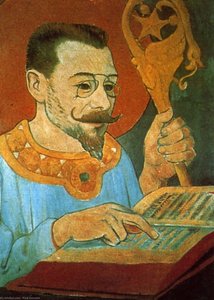
Anteprima in scala reale
 Condividi
 Condividi
 Dettagli
 Guida stampabile

 Scarica
 Articoli simili
 Radiografia
 Slideshow
 Statistiche
Landscape


 Leggi tutto
Giclée / Stampe d'arte
Stampa giclée o su tela di qualità museale, con produzione rapida e diverse opzioni di finitura. ( Ordina la riproduzione dipinta a mano Passa all'immagine digitale)




P118B €10

P118H €10

P118W €10

P438Z €10

P508JH €12

P508YH €12

P805H €10

P805Z €10

P919BZ €10

P919G €10

P919XJ €10

P959ZH €10

P968JZ €12

W106C €8

W218G €10

W218JH €8

W218Y €10

W307PJ €10

W316G €10

W316PJ €8

W316Y €10

W398PJ €8

W4111J €10

W500HY €15

W500JH €15

W692G €12

W849H €8

W940BG €15

W953PJ €8




Scegli tra le nostre dimensioni predefinite, che rispettano le proporzioni originali dell'opera d'arte.

Inserisci la larghezza e l'altezza desiderate, per adattarle alla tua cornice o alla tua parete. Una stampa può essere solo ritagliata, mai resa più grande dell'immagine originale; pertanto, un formato con una forma differente comporterà la perdita di una parte dell'opera. Ti invieremo un mockup digitale da approvare prima di procedere con la stampa. L'immagine mostrata in questa pagina non rappresenta il ritaglio reale — solo il mockup lo mostra.
Consegna in tutto il mondo () in 2 settimane invece delle normali 4/5 settimane. (22 Ottobre)

Spedizione espressa gratuita in tutto il mondo

Tela in lino di alta qualità

Assicurazione completa sulla spedizione

Garanzia di rimborso dei dazi doganali

Garanzia di perfetta fedeltà cromatica

Politica di reso entro 100 giorni (solo per difetti di fabbricazione)

Garanzia di rimborso al 100%

Sconto per acquisti multipli
 L'opzione vetro è disponibile solo per dimensioni inferiori a 110 cm

Landscape
Giclée / Stampe d'arte
Dimensioni della riproduzione
-


Prezzo totale
€ 70
Paul Sérusier’s “Landscape”: A Pioneer of Color and Light
Paul Sérusier's "Landscape," painted in 1912, isn’t merely a depiction of a green field; it’s a pivotal moment in the history of modern art. Born in Paris in 1864, Sérusier was a key figure in the Nabis movement – a group of Symbolist painters who sought to move beyond traditional academic styles and explore the expressive potential of color and form. This particular work embodies the core tenets of that revolutionary approach, representing a radical departure from representational accuracy and a profound embrace of subjective experience.
The painting immediately captivates with its vibrant palette – not a realistic rendering of nature, but an orchestration of pure hues. Deep greens dominate, punctuated by flashes of ochre, cerulean blue, and the warm tones of tree trunks. Sérusier eschewed meticulous detail, opting instead for broad, gestural brushstrokes that suggest movement and atmosphere rather than precise form. The trees themselves are simplified into blocks of color, their outlines blurred and indistinct, contributing to a sense of dreamlike abstraction. This technique, heavily influenced by the theories of Paul Gauguin, who had mentored Sérusier during his time at Pont-Aven in Brittany, was known as “cloisonnism,” where forms were defined by flat planes of color rather than shading or modeling.
The Influence of Breton Symbolism
Sérusier’s journey to this style began with a transformative summer spent in the coastal village of Pont-Aven. There, he encountered a community of artists deeply influenced by Breton folklore and spirituality. The landscape of Brittany, with its rugged coastline, ancient forests, and mystical traditions, provided fertile ground for artistic exploration. Gauguin encouraged Sérusier to “paint what you see, not what you think you should see,” urging him to capture the essence of the scene through color and emotion rather than strict adherence to photographic realism. This instruction proved crucial in shaping Sérusier’s distinctive style – a bold move towards abstraction that would profoundly impact subsequent generations of artists.
The painting's composition subtly evokes Breton legends, with the central tree acting as a focal point, reminiscent of ancient standing stones or sacred groves. The distant figures, barely discernible against the horizon, hint at human presence within this wild and untamed landscape, suggesting a connection between humanity and nature. The cat perched atop one of the trees adds an element of whimsical charm, perhaps symbolizing intuition or a primal connection to the natural world – a recurring motif in Symbolist art.
A Bridge Between Impressionism and Abstraction
"Landscape" stands as a crucial bridge between Impressionism and the nascent movements of abstraction. While rooted in the vibrant color palettes and atmospheric effects of Impressionism, Sérusier’s work transcends mere optical representation. He deliberately simplifies forms, reduces space, and prioritizes emotional expression over objective accuracy – characteristics that would become increasingly prominent in early 20th-century abstract art. It's a testament to his willingness to experiment and push the boundaries of artistic convention.
Emotional Resonance and Artistic Legacy
More than just a beautiful landscape, “Landscape” is an invitation to contemplate the relationship between nature, spirituality, and human perception. The painting’s luminous colors and fluid brushstrokes evoke a sense of tranquility and wonder, inviting the viewer to lose themselves in its dreamlike atmosphere. Sérusier's pioneering work paved the way for artists like Kandinsky and Mondrian, demonstrating that art could be more than just a mirror reflecting reality; it could be a powerful vehicle for expressing inner experience and exploring the depths of human consciousness. Reproductions of this piece offer a captivating glimpse into the heart of early modernism, inviting viewers to appreciate the enduring power of color and form.
Domande e risposte
Posso visualizzare "Landscape" come una presentazione a schermo intero?
È disponibile un diaporama: la pagina Slideshow di "Landscape" di Paul Sérusier.
Quali tecnica e stile caratterizzano "Landscape" di Paul Sérusier?
"Landscape" di Paul Sérusier combina la tecnica Acrylic On Canvas con lo stile Nabis Movement. La tecnica e il movimento descrivono la realizzazione e lo stile dell'opera.
Che emozione trasmette "Landscape" di Paul Sérusier?
"Landscape" di Paul Sérusier trasmette una sensazione Tranquil all'interno di un'atmosfera complessivamente Calm.
Biografia dell'artista
Primi anni e formazione
Paul Sérusier, nato Louis-Paul-Henri Sérusier il 9 novembre 1864 a Parigi, intraprese un percorso artistico che lo avrebbe portato a pioniere dell'arte astratta e a ispirare il movimento d’avanguardia dei Nabi, il sintetismo e il cloisonnismo. Studiò all'Académie Julian, dove divenne monitor negli anni '80 dell'Ottocento.Carriera Artistica
Nell'estate del 1888, Sérusier si recò a Pont-Aven, dove si unì a un piccolo gruppo di artisti incentrato attorno a Paul Gauguin. Sotto la stretta supervisione di Gauguin, dipinse "Il Talismano", un esercizio estremo nel cloisonnismo che si avvicinava alla pura astrazione. Quest'opera presentò il suo stile innovativo e la sua volontà di sperimentare nuove tecniche. Come pittore post-impressionista, Sérusier faceva parte del gruppo Les Nabis, insieme a Pierre Bonnard, Édouard Vuillard e Maurice Denis. Sebbene non sia ampiamente riconosciuto come alcuni dei suoi pari, i contributi di Sérusier allo sviluppo dell'arte astratta sono innegabili.Opere Principali e Eredità
Tra le opere più significative di Sérusier si annoverano:- L’Averse (1893), Musée d'Orsay, Parigi
- Ritratto di Paul Ranson (1890), Musée d'Orsay, Parigi
- Melanconia (1890)
- I mangiatori di serpenti (1894), Muzeum Narodowe, Varsavia
Influenze e Movimenti Artistici
Il lavoro di Sérusier fu influenzato dal cloisonnismo, uno stile caratterizzato da forme audaci e piatte separate da contorni scuri. Questo movimento, emerso alla fine del XIX secolo, ha svolto un ruolo significativo nella formazione dello sviluppo dell'arte moderna. Sérusier si è anche ispirato alle teorie di Gauguin sul sintetismo, che incoraggiavano gli artisti a semplificare la natura e ad esprimere le proprie emozioni attraverso colori audaci e forme stilizzate. Il suo coinvolgimento con i Nabi ha portato alla sperimentazione con simbolismo, decorazione e una ricerca di armonia tra arte e vita.Sviluppo Artistico e Significato Storico
L'evoluzione artistica di Sérusier può essere tracciata attraverso la sua transizione da un approccio più realista a uno sempre più astratto. "Il Talismano" segna un punto cruciale in questa evoluzione, dimostrando il suo impegno per una rappresentazione non oggettiva della realtà e aprendo la strada all'arte astratta. Il suo ruolo come leader dei Nabi ha contribuito alla diffusione di nuove idee artistiche e ha influenzato generazioni successive di artisti. La sua enfasi sull’espressione personale e sulla sintesi tra arte, natura e spiritualità lo rende una figura chiave nella storia dell'arte moderna.
Paul Sérusier
1864 - 1927 , Francia
Informazioni rapide
- Artisti Influenti:
- Paul Gauguin
- Émile Bernard
- Artisti Influenzati:
- Maurice Denis
- Pierre Bonnard
- Édouard Vuillard
- Data Di Nascita: 9 novembre 1864
- Luogo Di Nascita: Parigi, Francia
- Movimento Artistico: Post-Impressionismo, Nabis
- Nazionalità: Francese
- Nome Completo: Paul Sérusier
- Opere Notevoli:
- L'Averse (1893)
- Ritratto di Paul Ranson (1890)
- Melanconia (1890)
- I mangiatori di serpenti (1894)
Articoli correlati
Paul Klee: Le 25 Opere Più Iconiche per Arricchire la Tua Casa con l'Arte
Esplora le 25 opere più iconiche di Paul Klee, maestro dell'arte astratta e del colore. Scopri la storia, lo stile unico e il significato dei suoi capolavori. Trova riproduzioni d'arte di alta qualità per decorare casa con OriginalUniqueArt.com.

I 10 Capolavori Impressionisti che Hanno Rivoluzionato il Paesaggio Pittorico
Esplora i 10 capolavori impressionisti che hanno rivoluzionato il paesaggio pittorico! Monet, Renoir e altri maestri catturati in stampe su tela di alta qualità. Scopri la storia dell'arte e trova l'opera perfetta per arredare casa tua con OriginalUniqueArt.com.

Paul Cézanne: I 25 Capolavori che Hanno Rivoluzionato l'Arte Moderna | OriginalUniqueArt
Esplora i 25 capolavori di Paul Cézanne, il maestro dell'impressionismo e post-impressionismo. Scopri la storia, le tecniche e i colori iconici dietro opere come 'Le grandi bagnanti' e 'Mont Sainte-Victoire'. Trova riproduzioni artistiche di alta qualità per decorare la tua casa su OriginalUniqueArt.com.
Paul Sérusier: Il Pioniere del Sintetismo e la Rivoluzione Simbolica dei Nabis
Scopri Paul Sérusier, il pioniere del Sintetismo e la sua rivoluzionaria influenza sui Nabis. Analisi approfondita di 'Le Talisman' e l'esplorazione del Simbolismo nell'arte post-impressionista.

Evocations of Place: A Historical Journey Through Landscape Art
Explore the rich history of landscape art with OriginalUniqueArt. Discover renowned artists, movements like Impressionism & Romanticism, and expert guidance for collecting timeless pieces. Find your perfect serene escape today!