 Anteprima in scala reale
 Condividi
 Condividi
 Dettagli
 Guida stampabile

 Scarica
 Articoli simili
 Radiografia
 Slideshow
 Statistiche
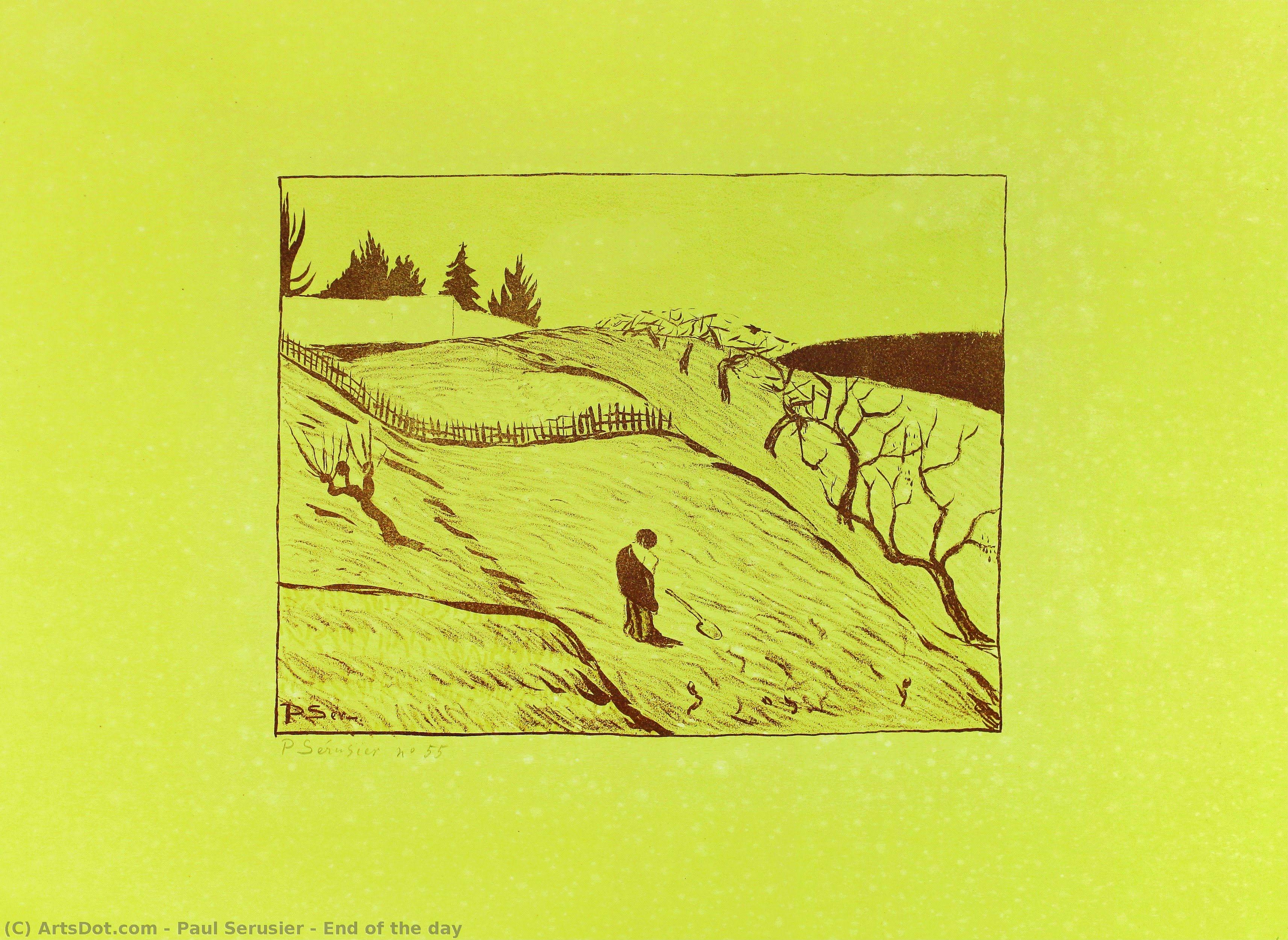
End of the day
 Acrylic On Canvas
- WallArt
- Post-Impressionism
 1893
1893- 19th Century
 23.0 x 30.0 cm
 Musée de Pont-Aven
 Leggi tutto
Giclée / Stampe d'arte
Stampa giclée o su tela di qualità museale, con produzione rapida e diverse opzioni di finitura. ( Ordina la riproduzione dipinta a mano Passa all'immagine digitale)




P118B $10

P118H $10

P118W $10

P438Z $10

P508JH $12

P508YH $12

P805H $10

P805Z $10

P919BZ $10

P919G $10

P919XJ $10

P959ZH $10

P968JZ $12

W106C $8

W218G $10

W218JH $8

W218Y $10

W307PJ $10

W316G $10

W316PJ $8

W316Y $10

W398PJ $8

W4111J $10

W500HY $15

W500JH $15

W692G $12

W849H $8

W940BG $15

W953PJ $8




Scegli tra le nostre dimensioni predefinite, che rispettano le proporzioni originali dell'opera d'arte.

È possibile inserire dimensioni personalizzate per adattare l'opera a una cornice o a uno spazio specifico. Se la dimensione selezionata non corrisponde alle proporzioni dell'immagine originale, procederemo al ritaglio dell'opera o all'estensione dell'immagine con un bordo specchiato o a tinta unita. Un mockup digitale ti verrà inviato per approvazione prima dell'inizio della produzione.
Si prega di notare che l'anteprima a schermo non riflette il ritaglio o l'estensione effettivi. Solo il mockup mostrerà accuratamente la composizione finale.
Sebbene siano disponibili dimensioni personalizzate, si raccomanda di selezionare una dimensione dall'elenco predefinito per preservare le proporzioni originali.
Consegna in tutto il mondo () in 2 settimane invece delle normali 4/5 settimane. (26 Settembre)

Spedizione espressa gratuita in tutto il mondo

Tela in lino di alta qualità

Assicurazione completa sulla spedizione

Garanzia di rimborso dei dazi doganali

Garanzia di perfetta fedeltà cromatica

Politica di reso entro 100 giorni (solo per difetti di fabbricazione)

Garanzia di rimborso al 100%

Sconto per acquisti multipli
 L'opzione vetro è disponibile solo per dimensioni inferiori a 110 cm

End of the day
Giclée / Stampe d'arte
Dimensioni della riproduzione
-


Prezzo totale
$ 80
The End of the Day – A Pioneering Vision of Synthetism
Paul Sérusier’s “End of the Day,” painted in 1893 during his formative summer at Pont-Aven, France alongside Vincent van Gogh and Gauguin, stands as a cornerstone of Impressionist abstraction and arguably the genesis of Synthetism – a movement that would profoundly influence the artistic landscape of the early 20th century. More than just a depiction of a tranquil Breton landscape, it’s an audacious experiment in conveying emotion through simplified forms and flattened color palettes.
The painting captures a hazy afternoon scene: a solitary man stands amidst a field dotted with trees, bathed in muted yellows and greens. Sérusier deliberately eschewed meticulous realism, prioritizing instead the expression of feeling. This approach aligns perfectly with Gauguin’s influence – he championed a symbolic language where color and form coalesce to communicate ideas rather than merely representing visual reality.
- Style: Synthetism - Rejecting Impressionistic optical blending, Sérusier sought to distill the essence of his subject into pure pigment.
- Technique: Cloisonnism – This technique involved applying paint in separate blocks or cells of color onto a toned surface, creating a textured and visually arresting effect reminiscent of Byzantine mosaics.
- Color Palette: Dominated by warm yellows and greens, mirroring the golden light filtering through the trees—a deliberate choice to evoke serenity and contemplation.
The composition itself is strikingly simple yet powerfully evocative. The man’s posture suggests introspection, gazing towards an unseen horizon – a gesture that speaks to the broader humanist concerns of the era. Critics noted Sérusier's bold departure from traditional artistic conventions, recognizing him as a visionary who anticipated the stylistic innovations of Cubism and Futurism.
Pont-Aven: A Crucible of Artistic Innovation
Pont-Aven served as an epicenter for artistic experimentation during this period. The group of artists gathered there – Sérusier, Gauguin, Cézanne, Bernard—were united by a desire to transcend Impressionism’s limitations and explore new avenues for artistic expression. They were deeply influenced by Celtic mythology and symbolism, seeking inspiration in ancient traditions.
Sérusier's fascination with Breton landscapes stemmed from his belief that nature possessed inherent spiritual significance. He aimed to capture not just what he saw but what he *felt*, translating visual impressions into emotionally resonant color harmonies. This pursuit of subjective experience was a hallmark of the Symbolist movement, which flourished alongside Synthetism.
The Talisman: An Emblematic Synthesis
"The Talisman," painted shortly before “End of the Day,” solidified Sérusier’s reputation as a pioneer of abstraction. Considered by many to be the first truly non-representational painting in France, it exemplifies the Synthetist aesthetic with its almost entirely flat surface and restricted color range.
This artwork is notable for its deliberate rejection of illusionistic perspective—a technique championed by Cézanne—and instead prioritizing a flattened space that emphasizes color and texture. The talisman itself symbolizes protection and guidance, reflecting Sérusier’s spiritual quest and his desire to communicate profound ideas through visual language.
Legacy and Influence
Paul Sérusier's contribution to art history extends far beyond the stylistic innovations of Synthetism. He instilled a spirit of experimentation and openness in subsequent generations of artists, encouraging them to challenge conventions and pursue their own artistic visions. “End of the Day” remains an enduring testament to his pioneering spirit—a painting that continues to inspire awe and contemplation decades after its creation.
Biografia dell'artista
Primi anni e formazione
Paul Sérusier, nato Louis-Paul-Henri Sérusier il 9 novembre 1864 a Parigi, intraprese un percorso artistico che lo avrebbe portato a pioniere dell'arte astratta e a ispirare il movimento d’avanguardia dei Nabi, il sintetismo e il cloisonnismo. Studiò all'Académie Julian, dove divenne monitor negli anni '80 dell'Ottocento.Carriera Artistica
Nell'estate del 1888, Sérusier si recò a Pont-Aven, dove si unì a un piccolo gruppo di artisti incentrato attorno a Paul Gauguin. Sotto la stretta supervisione di Gauguin, dipinse "Il Talismano", un esercizio estremo nel cloisonnismo che si avvicinava alla pura astrazione. Quest'opera presentò il suo stile innovativo e la sua volontà di sperimentare nuove tecniche. Come pittore post-impressionista, Sérusier faceva parte del gruppo Les Nabis, insieme a Pierre Bonnard, Édouard Vuillard e Maurice Denis. Sebbene non sia ampiamente riconosciuto come alcuni dei suoi pari, i contributi di Sérusier allo sviluppo dell'arte astratta sono innegabili.Opere Principali e Eredità
Tra le opere più significative di Sérusier si annoverano:- L’Averse (1893), Musée d'Orsay, Parigi
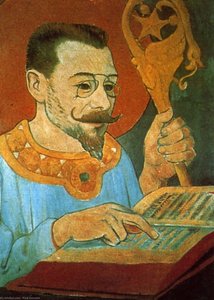
- Ritratto di Paul Ranson (1890), Musée d'Orsay, Parigi
- Melanconia (1890)
- I mangiatori di serpenti (1894), Muzeum Narodowe, Varsavia
Influenze e Movimenti Artistici
Il lavoro di Sérusier fu influenzato dal cloisonnismo, uno stile caratterizzato da forme audaci e piatte separate da contorni scuri. Questo movimento, emerso alla fine del XIX secolo, ha svolto un ruolo significativo nella formazione dello sviluppo dell'arte moderna. Sérusier si è anche ispirato alle teorie di Gauguin sul sintetismo, che incoraggiavano gli artisti a semplificare la natura e ad esprimere le proprie emozioni attraverso colori audaci e forme stilizzate. Il suo coinvolgimento con i Nabi ha portato alla sperimentazione con simbolismo, decorazione e una ricerca di armonia tra arte e vita.Sviluppo Artistico e Significato Storico
L'evoluzione artistica di Sérusier può essere tracciata attraverso la sua transizione da un approccio più realista a uno sempre più astratto. "Il Talismano" segna un punto cruciale in questa evoluzione, dimostrando il suo impegno per una rappresentazione non oggettiva della realtà e aprendo la strada all'arte astratta. Il suo ruolo come leader dei Nabi ha contribuito alla diffusione di nuove idee artistiche e ha influenzato generazioni successive di artisti. La sua enfasi sull’espressione personale e sulla sintesi tra arte, natura e spiritualità lo rende una figura chiave nella storia dell'arte moderna.
Paul Sérusier
1864 - 1927 , Francia
Informazioni rapide
- Artisti Influenti:
- Paul Gauguin
- Émile Bernard
- Artisti Influenzati:
- Maurice Denis
- Pierre Bonnard
- Édouard Vuillard
- Data Di Nascita: 9 novembre 1864
- Luogo Di Nascita: Parigi, Francia
- Movimento Artistico: Post-Impressionismo, Nabis
- Nazionalità: Francese
- Nome Completo: Paul Sérusier
- Opere Notevoli:
- L'Averse (1893)
- Ritratto di Paul Ranson (1890)
- Melanconia (1890)
- I mangiatori di serpenti (1894)
Articoli correlati

Giclée Prints: Archival Quality & Aesthetic Nuances for the Discerning Collector
Explore the world of giclée prints with OriginalUniqueArt. Learn about archival quality, aesthetic nuances & investment potential. Expert guidance for discerning art collectors seeking museum-quality reproductions and lasting value.
Verdant Visions: Exploring the Symbolism & Aesthetic Impact of Green in Art History
Explore the rich history & symbolism of green in art! Discover iconic paintings, techniques, and how to bring verdant harmony into your home with OriginalUniqueArt's expert guide.
I 10 Dipinti Più Famosi Inondati di Giallo Cromatico: Arte e Decorazioni Raffinate
Esplora i 10 dipinti più iconici dominati dal giallo cromatico! Van Gogh, Monet e altri maestri celebrano questo colore vibrante. Scopri storie, tecniche e acquista stampe di alta qualità su OriginalUniqueArt.com.
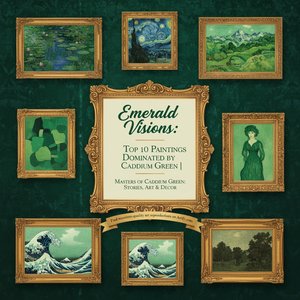
I 10 Dipinti Più Famosi Dominati dal Verde Cadmio: Arte e Decorazioni Raffinate
Esplora i 10 dipinti più celebri dominati dal verde cadmio! Scopri la storia di Monet, Van Gogh e altri maestri. Trova riproduzioni d'arte di alta qualità per decorare casa con stile su .

The Enduring Legacy of Fine Art Prints: Technique, History & Aesthetic Impact
Explore the rich history & techniques of fine art prints. Discover investment potential, assess authenticity, and learn how to preserve your collection with expert guidance. Trusted insights for discerning collectors.