
 Anteprima in scala reale
 Invia
Invia Condividi
 Dettagli opera
 Guida
Guida

 Scarica
 Simili
 Radiografia
 Slideshow
 Domande e risposte
 Statistiche
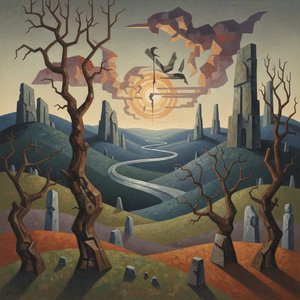
Sunrise, Inverness Copse

- 25.0 x 36.0 cm


 Espandi i dettagli
Giclée / Stampe d'arte
Stampa giclée o su tela di qualità museale, con produzione rapida e diverse opzioni di finitura. ( Acquista il dipinto realizzato a mano Passa all'immagine digitale)




P118B €10

P118H €10

P118W €10

P438Z €10

P508JH €12

P508YH €12

P805H €10

P805Z €10

P919BZ €10

P919G €10

P919XJ €10

P959ZH €10

P968JZ €12

W106C €8

W218G €10

W218JH €8

W218Y €10

W307PJ €10

W316G €10

W316PJ €8

W316Y €10

W398PJ €8

W4111J €10

W500HY €15

W500JH €15

W692G €12

W849H €8

W940BG €15

W953PJ €8




Scegli tra le nostre dimensioni predefinite, che rispettano le proporzioni originali dell'opera d'arte.

Inserisci la larghezza e l'altezza desiderate, per adattarle alla tua cornice o alla tua parete. Una stampa può essere solo ritagliata, mai resa più grande dell'immagine originale; pertanto, un formato con una forma differente comporterà la perdita di una parte dell'opera. Ti invieremo un mockup digitale da approvare prima di procedere con la stampa. L'immagine mostrata in questa pagina non rappresenta il ritaglio reale — solo il mockup lo mostra.
Consegna in tutto il mondo () in 2 settimane invece delle normali 4/5 settimane. (3 Novembre)

Spedizione espressa gratuita in tutto il mondo

Tela in lino di alta qualità

Assicurazione completa sulla spedizione

Garanzia di rimborso dei dazi doganali

Garanzia di fedeltà cromatica assoluta

Politica di reso entro 100 giorni (solo per difetti di fabbricazione)

Garanzia di rimborso al 100%

Offerta per acquisti multipli
 L'opzione vetro è disponibile solo per dimensioni inferiori a 110 cm

Sunrise, Inverness Copse
Giclée / Stampe d'arte
Dimensioni riproduzione
-


Prezzo finale calcolato
€ 72
A Vision of Desolation Amidst Beauty
In the hauntingly beautiful watercolor "Sunrise, Inverness Copse," painted in 1918, Paul Nash invites us into a landscape that is simultaneously devastating and transcendent. Created during the height of World War I, this masterpiece serves as a profound meditation on the scars left by conflict upon the natural world. The scene captures the Western Front near Ypres, Belgium, not through the lens of traditional combat, but through the quiet, eerie aftermath of destruction. As the sun begins to crest over the horizon, it illuminates a skeletal forest of shattered trees, their broken trunks silhouetted against a bruised and atmospheric sky. It is a work that captures a singular, breathless moment where the dawn of hope meets the heavy reality of loss.
Nash’s technical mastery is evident in his delicate yet impactful use of watercolor on paper. Eschewing the rigid lines of traditional realism, he employed a layered washing technique to achieve subtle gradations of tone and texture. This method allows for an ethereal quality to permeate the piece; the sky feels heavy with moisture and memory, while the earth appears saturated with the mud and ochre hues characteristic of the battlefield. The artist’s use of geometric shapes and fractured compositions mirrors the psychological trauma of the era, creating a visual language that speaks to the splintered psyche of a generation. For the discerning collector, this technique offers a depth of texture that makes a high-quality reproduction feel remarkably alive and atmospheric.
Symbolism and the Spirit of Resilience
Beyond its striking visual impact, "Sunrise, Inverness Copse" is rich with complex symbolism that resonates deeply with the human experience. The towering, broken trees stand as poignant metaphors for strength and endurance; though they have been violently uprooted and broken by the machinery of war, they remain stubbornly anchored to the earth, clinging to life amidst the wreckage. Nash further weaves a narrative of interconnectedness through the inclusion of a still lake, which acts as a mirror reflecting the sky, bridging the gap between the celestial and the terrestrial. Even the sparse presence of birds scattered across the canvas suggests a fragile, persistent beauty that refuses to be extinguished by darkness.
For interior designers and art enthusiasts alike, this painting offers a unique emotional resonance. It is not merely a depiction of war, but an exploration of resilience. The interplay between the somber browns of the devastated earth and the luminous light of the rising sun provides a sophisticated palette that can anchor a room with both gravity and grace. Whether placed in a quiet study or as a focal point in a contemporary living space, Nash’s work invites contemplation, offering a sense of peace found within the struggle. It is an exquisite choice for those seeking art that possesses both historical weight and a timeless, poetic soul.
Domande e risposte
"Sunrise, Inverness Copse" è una delle opere più celebri di Paul Nash?
Il livello di popolarità registrato per "Sunrise, Inverness Copse" di Paul Nash è Iconic.
Dove si consiglia di esporre il formato Landscape di "Sunrise, Inverness Copse"?
Il formato (Landscape) e l'ambiente consigliato (Living Room) sono i due dettagli di posizionamento registrati per "Sunrise, Inverness Copse" di Paul Nash.
"Sunrise, Inverness Copse" di Paul Nash è di pubblico dominio?
"Sunrise, Inverness Copse" di Paul Nash è di pubblico dominio - il copyright è scaduto. Questo stato determina le modalità con cui l'immagine dell'opera può essere riprodotta.
Biografia dell'artista
Primi Anni e Influenze
- Nato: Kensington, Regno Unito (1889)
- Morto: 1946
- Paul Nash nacque l'11 maggio 1889 a Londra. Suo padre, William Harry Nash, era un avvocato e sua madre, Caroline Maude, mostrava segni di malattia mentale fin dalla giovane età. La famiglia si trasferì a Iver Heath, Buckinghamshire, quando Paul era ancora bambino, una mossa intesa a beneficio della salute di sua madre.
- Formazione: Frequentò la Parsons School of Art e successivamente la Slade School of Fine Art. Sebbene fosse abile nella pittura paesaggistica, faticava con il disegno di figure.
- Prime Influenze: Nash fu pesantemente influenzato da William Blake e J.M.W. Turner, come si evince dai suoi primi lavori. Trasse anche ispirazione da paesaggi che presentavano elementi storici antichi come tumuli funerari e fortezze collinari dell'età del bronzo.
Stile Artistico e Sviluppo
- Stile: Lo stile di Paul Nash fondeva il modernismo con tecniche tradizionali. Utilizzava colori audaci, forme geometriche e forme astratte, distinguendosi dai suoi contemporanei.
- Influenze Surrealiste: Sebbene non fosse strettamente un surrealista, Nash fu influenzato dal movimento, in particolare dopo aver visto una mostra di Giorgio de Chirico nel 1928. Il suo lavoro incorporava paesaggi simbolici con oggetti quotidiani.
- Arte Bellica: Durante la prima e la seconda guerra mondiale, Nash servì come artista bellico ufficiale. Le sue rappresentazioni dei campi di battaglia erano notevoli per la loro bellezza inquietante ed esploravano l'impatto del conflitto sul paesaggio. Opere degne di nota includono "The Menin Road".
- "Creature Aeree": Una serie prodotta durante la seconda guerra mondiale che presentava raffigurazioni antropomorfe di aeroplani schiantati in paesaggi, dimostrando il suo stile e simbolismo in evoluzione.
Realizzazioni Importanti e Riconoscimenti
- Pioniere del Modernismo Britannico: Nash ha svolto un ruolo cruciale nel plasmare l'arte moderna britannica, colmando il divario tra la pittura paesaggistica tradizionale e l'estetica modernista.
- Eredità dell'Arte Bellica: I suoi dipinti di guerra sono considerati rappresentazioni iconiche dell'impatto del conflitto sia sui soldati che sull'ambiente.
- Gruppo Unit One: Co-fondò Unit One nel 1933 insieme a Ben Nicholson e Barbara Hepworth, un gruppo significativo nella scena artistica britannica.
- Scrittore e Designer: Oltre alla pittura, Nash era anche uno scrittore rispettato sull'arte e progettava arti applicate come scenografie teatrali, tessuti e poster.
Influenze e Eredità
- Influenza su Artisti Successivi: Lo stile unico di Nash e il suo uso del colore hanno influenzato generazioni di artisti che lo hanno seguito.
- Connessione con il Romanticismo: Il suo lavoro è spesso collegato alla tradizione romantica inglese, in particolare attraverso la sua connessione con William Blake e J.M.W. Turner.
- Esplorazione dell'Uomo contro la Natura: Un tema ricorrente nei lavori successivi di Nash era il rapporto tra l'umanità e la natura, esplorato attraverso immagini simboliche.
- Rilevanza Continua: I suoi dipinti continuano a essere celebrati per la loro bellezza, il loro simbolismo e la loro importanza storica, rimanendo rilevanti per il pubblico contemporaneo.
Mostre ed Esposizioni
- Ruskin Gallery: Le opere di Nash sono state esposte alla Ruskin Gallery nel Regno Unito.
- Tate Britain: I suoi pezzi possono essere trovati nella collezione della Tate Britain.
- Imperial War Museum: Diversi dei suoi dipinti d'arte bellica sono ospitati nell'Imperial War Museum.
- York Art Gallery: Il suo lavoro fa anche parte della collezione di York Art Gallery.
- Government Art Collection: Una selezione delle opere d'arte di Nash è esposta nella Government Art Collection.

Paul Nash
1889 - 1946 , Regno Unito
Dettagli rapidi
- Artistic Movement Or Style: Modernismo, Surrealismo
- Artists Or Movements Influenced By This Artist: ['Artisti moderni']
- Artists Who Influenced This Artist:
- William Blake
- J.M.W. Turner
- Date Of Birth: 11 maggio 1889
- Date Of Death: 11 luglio 1946
- Full Name: Paul Nash
- Nationality: Britannico
- Notable Artworks: ['The Menin Road']
- Place Of Birth: Kensington, Regno Unito
Articoli correlati

I 25 capolavori di Paul Klee: un viaggio tra astrazione e musica
Scopri i 25 capolavori di Paul Klee tra astrazione e Bauhaus. Esplora la collezione su OriginalUniqueArt.com.

I 25 Capolavori di Paul Cézanne: L'Architetto della Forma
Scopri i 25 capolavori di Paul Cézanne e la rivoluzione post-impressionista. Esplora la collezione su OriginalUniqueArt.com.

I 10 Capolavori dell'Acquerello che Hanno Rivoluzionato l'Arte | OriginalUniqueArt
Esplora i 10 capolavori dell'acquerello che hanno cambiato la storia dell'arte! Da Turner a Monet, scopri le storie e le tecniche di questi artisti iconici. Trova riproduzioni di alta qualità e idee per decorare casa con OriginalUniqueArt.com.
Paul Nash: Modernismo, Mito e Paesaggio Britannico – La Visione di un Artista Innovatore
Esplora la vita e l'opera di Paul Nash, figura chiave del modernismo inglese. Analisi approfondita delle sue influenze surrealiste, della rappresentazione del paesaggio britannico e dell'impatto della guerra sulla sua arte.

Ephemeral Visions: Exploring the Artistic Legacy & Contemporary Practice of Watercolor Painting
Explore the captivating world of watercolor painting! Discover its rich history, essential techniques, influential artists & collecting tips. A comprehensive guide for art enthusiasts from OriginalUniqueArt.
