

 Anteprima in scala reale
 Invia
Invia Condividi
 Dettagli opera

 Scarica immagine
 Simili
 Radiografia
 Slideshow
 Statistiche
The Acrobats


 Espandi i dettagli
Giclée / Stampe d'arte
Stampa giclée o su tela di qualità museale, con produzione rapida e diverse opzioni di finitura. ( Acquista il dipinto realizzato a mano Passa all'immagine digitale)




P118B $10

P118H $10

P118W $10

P438Z $10

P508JH $12

P508YH $12

P805H $10

P805Z $10

P919BZ $10

P919G $10

P919XJ $10

P959ZH $10

P968JZ $12

W106C $8

W218G $10

W218JH $8

W218Y $10

W307PJ $10

W316G $10

W316PJ $8

W316Y $10

W398PJ $8

W4111J $10

W500HY $15

W500JH $15

W692G $12

W849H $8

W940BG $15

W953PJ $8




Scegli tra le nostre dimensioni predefinite, che rispettano le proporzioni originali dell'opera d'arte.

È possibile inserire dimensioni personalizzate per adattare l'opera a una cornice o a uno spazio specifico. Se la dimensione selezionata non corrisponde alle proporzioni dell'immagine originale, procederemo al ritaglio dell'opera o all'estensione dell'immagine con un bordo specchiato o a tinta unita. Un mockup digitale ti verrà inviato per approvazione prima dell'inizio della produzione.
Si prega di notare che l'anteprima a schermo non riflette il ritaglio o l'estensione effettivi. Solo il mockup mostrerà accuratamente la composizione finale.
Sebbene siano disponibili dimensioni personalizzate, si raccomanda di selezionare una dimensione dall'elenco predefinito per preservare le proporzioni originali.
Consegna in tutto il mondo () in 2 settimane invece delle normali 4/5 settimane. (12 Settembre)

Spedizione espressa gratuita in tutto il mondo

Tela in lino di alta qualità

Assicurazione completa sulla spedizione

Garanzia di rimborso dei dazi doganali

Garanzia di fedeltà cromatica

Politica di reso entro 100 giorni (solo per difetti)

Garanzia di rimborso al 100%

Offerta per acquisti multipli
 L'opzione vetro è disponibile solo per dimensioni inferiori a 110 cm

The Acrobats
Giclée / Stampe d'arte
Dimensioni riproduzione
-


Prezzo totale calcolato
$ 80
A Moment Frozen in Time: Paul Gustave Doré’s “The Acrobats”
Paul Gustave Doré's "The Acrobats" is not merely a depiction of a scene; it’s an immersion into a world brimming with theatricality, melancholy, and the quiet drama of everyday life. Painted in his signature style – a masterful blend of Romanticism and burgeoning Realism – this work captures a fleeting moment, likely intended for illustration within a larger narrative, yet possessing a profound emotional resonance that transcends its original purpose. The scene unfolds with an almost photographic precision, meticulously rendered with Doré’s characteristic use of dramatic chiaroscuro, where pools of light illuminate the figures while deep shadows envelop them, intensifying their expressions and creating a palpable sense of atmosphere.
- Subject Matter: The painting centers around a woman seated on the ground, her head nestled in an unseen lap – a posture that immediately evokes vulnerability and perhaps a longing for comfort. Surrounding her are other figures, including a standing performer and a seated companion, suggesting a troupe of acrobats or entertainers. A loyal dog adds to the domesticity of the scene, grounding the fantastical elements with a touch of familiar warmth.
- Technique: Doré’s mastery is evident in his detailed rendering of textures – the rough fabric of the woman's dress, the polished surface of the clock, the worn leather of the books. His use of cross-hatching and stippling creates a remarkable sense of depth and volume, bringing the figures to life with an almost tactile quality.
- Color Palette: The color scheme is dominated by muted tones – blues, browns, and grays – contributing to the painting’s somber mood. However, strategic highlights of brighter colors, such as the blue dress worn by the central figure, draw the viewer's eye and emphasize key elements within the composition.
A Window into Victorian Society
"The Acrobats" was created during a pivotal period in European history – the mid-19th century, a time of rapid industrialization, social upheaval, and artistic experimentation. Doré’s work reflects this era's fascination with both the grandeur of the aristocracy and the struggles of the urban poor. The presence of acrobats, often associated with entertainment and spectacle, speaks to the Victorian public’s appetite for diversion and escapism. Furthermore, the inclusion of objects like a clock and books hints at the growing importance of timekeeping and literacy in this era of increasing social complexity.
- Historical Context: Doré's illustrations were frequently commissioned for novels and religious texts, reflecting the Victorian obsession with storytelling and moral instruction. His work often explored themes of good versus evil, faith versus doubt, and the human condition – all concerns that resonated deeply with his audience.
- Literary Connections: While not explicitly linked to a specific text, the scene’s composition and mood align with the sensibilities of Victorian literature, particularly works exploring themes of social alienation and the search for meaning in a rapidly changing world.
Symbolism and Emotional Resonance
Beyond its realistic depiction, “The Acrobats” is rich in symbolic potential. The woman’s posture suggests a need for solace or perhaps a moment of reflection amidst the demands of her life. The clock hanging above her head serves as a poignant reminder of the passage of time – a recurring motif in Doré's work that often underscores themes of mortality and impermanence. The scattered objects—the books, the bowls—could represent forgotten knowledge, sustenance, or perhaps the fragments of a shattered dream.
- Emotional Impact: The painting’s overall effect is one of quiet melancholy and understated drama. Doré masterfully evokes a sense of intimacy and vulnerability, inviting the viewer to contemplate the lives and emotions of these seemingly ordinary figures.
- Compositional Elements: The careful arrangement of elements within the composition – the diagonal lines created by the woman’s posture, the converging lines of the clock and books – contributes to the painting's dynamic tension and visual interest.
A Timeless Masterpiece for Your Collection
OriginalUniqueArt.com is proud to offer a meticulously crafted hand-painted reproduction of Paul Gustave Doré’s “The Acrobats,” capturing the essence of this iconic artwork with unparalleled detail and fidelity. Whether you are an art enthusiast, a collector seeking to expand your collection, or an interior designer looking for a statement piece, this reproduction provides a beautiful and authentic representation of Doré's genius. Experience the power and beauty of this timeless masterpiece in stunning detail – a true testament to the enduring legacy of one of history’s most celebrated illustrators.
Biografia dell'artista
Paul Gustave Doré: Una Vita Dedicata all'Illustrazione
Primi Anni e Formazione Artistica
- Nascita: 6 gennaio 1832, a Strasburgo, Francia.
- Fin da giovanissimo, Doré dimostrò un talento artistico eccezionale e una personalità precoce. Si narravano storie dei suoi primi scherzi che rivelavano una maturità insolita per la sua età.
- Prime Inclinazioni: Iniziò a disegnare in tenera età, mostrando rapidamente un'abilità straordinaria.
- All’età di 15 anni, Doré intraprese la sua carriera professionale come caricaturista per il giornale francese Le Journal pour rire.
Sviluppo Artistico e Primi Lavori
- Prime Commissioni: Le sue prime opere includevano libri illustrati come Les Travaux d'Hercule (1847), Trois artistes incompris et mécontents (1851), e Les Dés-agréments d'un voyage d'agrément (1851).
- Influenze: Le illustrazioni di J.J. Grandville furono un’influenza significativa sul suo stile iniziale.
- Doré ottenne rapidamente riconoscimento per le sue composizioni dinamiche e l'uso drammatico della luce e dell’ombra, anche in queste prime opere.
- Iniziò a ricevere commissioni per illustrare la letteratura classica, inclusi lavori di Cervantes, Rabelais, Balzac, Milton e Dante.
Riconoscimento Internazionale e Opere Principali
- Illustrazione di Grandi Scrittori: Nel 1853, fu incaricato di illustrare le opere di Lord Byron, seguito da un monumentale progetto di Bibbia illustrata.
- Il Pellegrino Errante (1856): Quest'opera, pur essendo popolare, conteneva sfumature antisemite riflettive del tempo.
- Don Chisciotte: Le sue illustrazioni degli anni '60 per Don Chisciotte di Cervantes hanno profondamente influenzato le successive interpretazioni dei personaggi e della storia.
- Il Corvo (1883): L'edizione oversize de “Il Corvo” di Edgar Allan Poe gli fece guadagnare 30.000 franchi da Harper & Brothers.
- Londra: Un Pellegrinaggio (1872): Questa collaborazione con Blanchard Jerrold rappresentò la cruda realtà della Londra vittoriana e suscitò controversie per il suo focus sulla povertà.
Stile Artistico e Tecniche
- Maestria nell'Incisione a Blocchi: Doré era un maestro nell’incisione a blocchi, creando immagini incredibilmente dettagliate e drammatiche.
- Composizione Drammatica: Il suo lavoro è caratterizzato da composizioni dinamiche, forti contrasti tra luce e ombra (chiaroscuro) e un senso di grandezza.
- Spesso impiegava una vasta squadra di scalpellini per tradurre i suoi disegni in incisioni a blocchi, consentendo la produzione di massa.
- Romanticismo: Il suo stile è fermamente radicato nella tradizione romantica, enfatizzando l'emozione, l'immaginazione e il sublime.
Eredità e Significato Storico
- Premi e Onori: Doré fu nominato Chevalier de la Légion d’honneur dal governo francese nel 1861.
- Le sue illustrazioni hanno avuto un impatto diffuso sulla cultura visiva, influenzando artisti e lettori per generazioni.
- Influenza su Artisti Successivi: Ha ispirato artisti come Vincent van Gogh, che ammirava le sue rappresentazioni della sofferenza e della difficoltà.
- Nonostante alcune critiche contemporanee, l'opera di Doré è ora celebrata per il suo valore artistico e la sua importanza storica. Le sue illustrazioni continuano a plasmare la nostra comprensione della letteratura classica e della società vittoriana.
- Morte: Paul Gustave Doré morì il 23 gennaio 1883, lasciando dietro di sé un'eredità vasta e duratura.
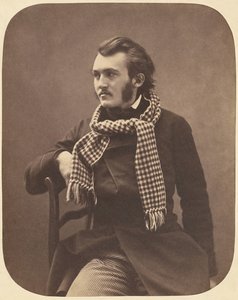
Paul Gustave Doré
1832 - 1883 , Francia
Dati rapidi
- Artistic Movement Or Style: Romanticismo
- Artists Or Movements Influenced By This Artist: ['Vincent van Gogh']
- Artists Who Influenced This Artist: ['J.J. Grandville']
- Date Of Birth: 6 gennaio 1832
- Date Of Death: 23 gennaio 1883
- Full Name: Paul Gustave Doré
- Nationality: Francese
- Notable Artworks:
- Les Travaux d'Hercule
- Don Chisciotte
- L'Inferno di Dante
- The Raven
- London: A Pilgrimage
- Place Of Birth (City And Country): Strasburgo, Francia
Articoli correlati

I 10 Dipinti Più Famosi Dominati dal Blu Ardesia: Storia, Arte e Decorazioni Raffinate
Esplora i 10 dipinti più iconici dominati dal blu ardesia! Scopri la storia, gli artisti e le tecniche dietro capolavori impressionisti e moderni. Trova riproduzioni artistiche di alta qualità per decorare casa con .

I 10 Capolavori del Realismo Romantico che hanno Incantato la Storia dell'Arte
Esplora l'emozione del Realismo Romantico attraverso 10 capolavori senza tempo. Scopri la storia di maestri come Constable e Friedrich e lasciati ispirare da opere iconiche per il tuo arredamento. Trova riproduzioni d'arte di qualità museale su OriginalUniqueArt.com.
Paul Gustave Doré: Il Maestro Romantico dell'Immaginazione e del Realismo Pittorico
Scopri la vita e le opere di Gustave Doré, il maestro del Romanticismo e del Realismo. Approfondimenti sulla sua arte, dalle illustrazioni dell'Inferno ai temi sociali. Esplora musei e riproduzioni d'arte su OriginalUniqueArt.

Giclée Prints: Archival Quality & Aesthetic Nuances for the Discerning Collector
Explore the world of giclée prints with OriginalUniqueArt. Learn about archival quality, aesthetic nuances & investment potential. Expert guidance for discerning art collectors seeking museum-quality reproductions and lasting value.
Gustav Klimt: I 25 Capolavori Immortali dell'Arte e Decorazioni di Lusso
Esplora i 25 capolavori di Gustav Klimt, pittore simbolo dell'Art Nouveau. Scopri la storia, le tecniche e l'oro iconico delle sue opere più famose come 'Il Bacio'. Trova riproduzioni d'arte di alta qualità per decorare casa con stile su OriginalUniqueArt.com


