
 Anteprima in scala reale
 Invia
Invia Condividi
 Dettagli opera
 Guida
Guida

 Scarica
 Simili
 Radiografia
 Slideshow
 Domande e risposte
 Statistiche
L'Avventura con i Mulini


 Espandi i dettagli
Giclée / Stampe d'arte
Stampa giclée o su tela di qualità museale, con produzione rapida e diverse opzioni di finitura. ( Acquista il dipinto realizzato a mano Passa all'immagine digitale)




P118B €10

P118H €10

P118W €10

P438Z €10

P508JH €12

P508YH €12

P805H €10

P805Z €10

P919BZ €10

P919G €10

P919XJ €10

P959ZH €10

P968JZ €12

W106C €8

W218G €10

W218JH €8

W218Y €10

W307PJ €10

W316G €10

W316PJ €8

W316Y €10

W398PJ €8

W4111J €10

W500HY €15

W500JH €15

W692G €12

W849H €8

W940BG €15

W953PJ €8




Scegli tra le nostre dimensioni predefinite, che rispettano le proporzioni originali dell'opera d'arte.

Inserisci la larghezza e l'altezza desiderate, per adattarle alla tua cornice o alla tua parete. Una stampa può essere solo ritagliata, mai resa più grande dell'immagine originale; pertanto, un formato con una forma differente comporterà la perdita di una parte dell'opera. Ti invieremo un mockup digitale da approvare prima di procedere con la stampa. L'immagine mostrata in questa pagina non rappresenta il ritaglio reale — solo il mockup lo mostra.
Consegna in tutto il mondo () in 2 settimane invece delle normali 4/5 settimane. (6 Novembre)

Spedizione espressa gratuita in tutto il mondo

Tela in lino di alta qualità

Assicurazione completa sulla spedizione

Garanzia di rimborso dei dazi doganali

Garanzia di fedeltà cromatica assoluta

Politica di reso entro 100 giorni (solo per difetti di fabbricazione)

Garanzia di rimborso al 100%

Offerta per acquisti multipli
 L'opzione vetro è disponibile solo per dimensioni inferiori a 110 cm

L'Avventura con i Mulini
Giclée / Stampe d'arte
Dimensioni riproduzione
-


Prezzo finale calcolato
€ 72
A Bold Vision of Illusion and Reality: Gustave Doré’s “The Adventure with the Windmills”
Gustave Doré's engraving, "The Adventure with the Windmills," stands as a testament to Romanticism’s fascination with dramatic narrative and psychological exploration. Created around 1868, this artwork isn’t merely a depiction of Cervantes’ iconic tale; it’s an embodiment of the era’s preoccupation with idealism colliding head-on with disillusionment—a theme powerfully conveyed through Doré's masterful technique and compositional choices.
- Subject Matter: The engraving captures Don Quixote’s legendary delusion – his unwavering belief that windmills are colossal giants, prompting him to charge valiantly against them. This central image serves as a cornerstone of the narrative, representing the protagonist's struggle to reconcile fantasy with tangible reality.
- Composition & Perspective: Doré employs a dynamic diagonal thrust, positioning Don Quixote and Rocinante prominently in the foreground. Three imposing windmills dominate the background, establishing a scale that underscores Quixote’s fantastical perception. Figures observing from below contribute depth and perspective, enhancing the dramatic impact of the scene.
- Style & Technique: Doré's engraving exemplifies Romantic illustration—characterized by meticulous detail and expressive tonal shading. The artist skillfully utilizes hatching and cross-hatching to sculpt form and texture, creating a palpable sense of movement and conveying the urgency of Quixote’s quest. Fine lines delineate figures and windmills with precision, reflecting the era’s commitment to realism within an emotionally charged framework.
Symbolism: Windmills as Embodiments of Illusion
Beyond its narrative depiction, “The Adventure with the Windmills” resonates deeply with symbolic significance. The windmills themselves represent Quixote's delusion—his inability to discern between imaginative grandeur and mundane reality. They symbolize not just physical obstacles but also the psychological barriers that prevent him from achieving his heroic aspirations. Doré’s portrayal underscores the Romantic preoccupation with confronting irrational beliefs and accepting the limitations of human experience.
Color Palette & Lighting: Monochromatic Drama
The engraving's monochrome palette—primarily shades of gray—amplifies its emotional intensity. Absence of color contributes to a sense of bleakness and reinforces the psychological drama at play. Subtle shading creates depth and highlights textural variations, mirroring the Romantic impulse to capture mood and atmosphere with uncompromising honesty. Diffusion of light lends an ethereal quality to the landscape, furthering the impression of grandeur and vulnerability.
Historical Context & Legacy
"The Adventure with the Windmills" emerged during a pivotal moment in artistic history—the waning years of Romanticism as realism began to gain ascendancy. Doré’s engraving cemented his reputation as a visionary illustrator, influencing subsequent artists and captivating audiences for generations. Its enduring appeal lies in its ability to distill complex themes into a visually arresting image that continues to inspire contemplation on the nature of imagination, delusion, and heroic aspiration—a timeless reflection of Cervantes' masterpiece.
Domande e risposte
Quale soggetto e quale atmosfera si incontrano in "L'Avventura con i Mulini" di Paul Gustave Doré?
"L'Avventura con i Mulini" di Paul Gustave Doré ritrae don quixote, windmills symbolism, illustration style, fantasy reality, dramatic composition, medieval art, detail engraving, heroic quest, con un'atmosfera Drammatico. Il soggetto e l'atmosfera insieme descrivono l'opera.
Quanti anni aveva Paul Gustave Doré quando ha creato "L'Avventura con i Mulini" nel 1868?
Paul Gustave Doré aveva 36 anni quando ha creato "L'Avventura con i Mulini" nel 1868. L'età è calcolata sulla base dell'anno di nascita dell'artista, 1832.
Che tipo di opera è "L'Avventura con i Mulini"?
Nel catalogo, "L'Avventura con i Mulini" di Paul Gustave Doré è classificato come Opere da parete. La categoria permette di trovare opere simili.
Biografia dell'artista
Paul Gustave Doré: Una Vita Dedicata all'Illustrazione
Primi Anni e Formazione Artistica
- Nascita: 6 gennaio 1832, a Strasburgo, Francia.
- Fin da giovanissimo, Doré dimostrò un talento artistico eccezionale e una personalità precoce. Si narravano storie dei suoi primi scherzi che rivelavano una maturità insolita per la sua età.
- Prime Inclinazioni: Iniziò a disegnare in tenera età, mostrando rapidamente un'abilità straordinaria.
- All’età di 15 anni, Doré intraprese la sua carriera professionale come caricaturista per il giornale francese Le Journal pour rire.
Sviluppo Artistico e Primi Lavori
- Prime Commissioni: Le sue prime opere includevano libri illustrati come Les Travaux d'Hercule (1847), Trois artistes incompris et mécontents (1851), e Les Dés-agréments d'un voyage d'agrément (1851).
- Influenze: Le illustrazioni di J.J. Grandville furono un’influenza significativa sul suo stile iniziale.
- Doré ottenne rapidamente riconoscimento per le sue composizioni dinamiche e l'uso drammatico della luce e dell’ombra, anche in queste prime opere.
- Iniziò a ricevere commissioni per illustrare la letteratura classica, inclusi lavori di Cervantes, Rabelais, Balzac, Milton e Dante.
Riconoscimento Internazionale e Opere Principali
- Illustrazione di Grandi Scrittori: Nel 1853, fu incaricato di illustrare le opere di Lord Byron, seguito da un monumentale progetto di Bibbia illustrata.
- Il Pellegrino Errante (1856): Quest'opera, pur essendo popolare, conteneva sfumature antisemite riflettive del tempo.
- Don Chisciotte: Le sue illustrazioni degli anni '60 per Don Chisciotte di Cervantes hanno profondamente influenzato le successive interpretazioni dei personaggi e della storia.
- Il Corvo (1883): L'edizione oversize de “Il Corvo” di Edgar Allan Poe gli fece guadagnare 30.000 franchi da Harper & Brothers.
- Londra: Un Pellegrinaggio (1872): Questa collaborazione con Blanchard Jerrold rappresentò la cruda realtà della Londra vittoriana e suscitò controversie per il suo focus sulla povertà.
Stile Artistico e Tecniche
- Maestria nell'Incisione a Blocchi: Doré era un maestro nell’incisione a blocchi, creando immagini incredibilmente dettagliate e drammatiche.
- Composizione Drammatica: Il suo lavoro è caratterizzato da composizioni dinamiche, forti contrasti tra luce e ombra (chiaroscuro) e un senso di grandezza.
- Spesso impiegava una vasta squadra di scalpellini per tradurre i suoi disegni in incisioni a blocchi, consentendo la produzione di massa.
- Romanticismo: Il suo stile è fermamente radicato nella tradizione romantica, enfatizzando l'emozione, l'immaginazione e il sublime.
Eredità e Significato Storico
- Premi e Onori: Doré fu nominato Chevalier de la Légion d’honneur dal governo francese nel 1861.
- Le sue illustrazioni hanno avuto un impatto diffuso sulla cultura visiva, influenzando artisti e lettori per generazioni.
- Influenza su Artisti Successivi: Ha ispirato artisti come Vincent van Gogh, che ammirava le sue rappresentazioni della sofferenza e della difficoltà.
- Nonostante alcune critiche contemporanee, l'opera di Doré è ora celebrata per il suo valore artistico e la sua importanza storica. Le sue illustrazioni continuano a plasmare la nostra comprensione della letteratura classica e della società vittoriana.
- Morte: Paul Gustave Doré morì il 23 gennaio 1883, lasciando dietro di sé un'eredità vasta e duratura.
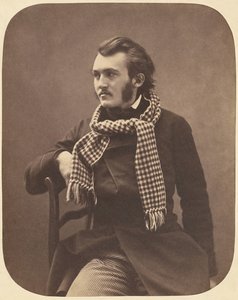
Paul Gustave Doré
1832 - 1883 , Francia
Dettagli rapidi
- Artistic Movement Or Style: Romanticismo
- Artists Or Movements Influenced By This Artist: ['Vincent van Gogh']
- Artists Who Influenced This Artist: ['J.J. Grandville']
- Date Of Birth: 6 gennaio 1832
- Date Of Death: 23 gennaio 1883
- Full Name: Paul Gustave Doré
- Nationality: Francese
- Notable Artworks:
- Les Travaux d'Hercule
- Don Chisciotte
- L'Inferno di Dante
- The Raven
- London: A Pilgrimage
- Place Of Birth (City And Country): Strasburgo, Francia
Articoli correlati

I 25 Capolavori d'Oro di Gustav Klimt: Un Viaggio tra Splendore e Emozione
Scopri i 25 capolavori d'oro di Gustav Klimt e la Secessione Viennese. Esplora la collezione su OriginalUniqueArt.com.
I 10 Capolavori dell'Incisione che Hanno Rivoluzionato l'Arte | OriginalUniqueArt
Esplora i 10 capolavori dell'incisione che hanno segnato la storia dell'arte! Dürer, Rembrandt, Goya e altri maestri. Scopri tecniche uniche e storie affascinanti. Stampe d'arte di alta qualità per decorare casa con stile su OriginalUniqueArt.com
Paul Gustave Doré: Il Maestro Romantico dell'Immaginazione e del Realismo Pittorico
Scopri la vita e le opere di Gustave Doré, il maestro del Romanticismo e del Realismo. Approfondimenti sulla sua arte, dalle illustrazioni dell'Inferno ai temi sociali. Esplora musei e riproduzioni d'arte su OriginalUniqueArt.

Engraving: A Historical Survey of Technique, Artistic Expression & Enduring Legacy
Explore the rich history of engraving with OriginalUniqueArt. Discover techniques, iconic artists like Dürer & Callot, collecting tips, and expert guidance for preserving your art investment. Learn about intaglio printing & more!

L'Anima del Segno: Storia e Segreti della Maestria nell'Incisione Artistica
Scopri i segreti della tecnica calcografica tra bulino e acquaforte. Esplora la maestria dei grandi maestri dell'incisione.


