

 Anteprima in scala reale
 Invia
Invia Condividi
 Dettagli opera

 Scarica immagine
 Simili
 Radiografia
 Slideshow
 Statistiche
I Riconvenienti Tardivi


 Espandi i dettagli
Giclée / Stampe d'arte
Stampa giclée o su tela di qualità museale, con produzione rapida e diverse opzioni di finitura. ( Acquista il dipinto realizzato a mano Passa all'immagine digitale)




P118B $10

P118H $10

P118W $10

P438Z $10

P508JH $12

P508YH $12

P805H $10

P805Z $10

P919BZ $10

P919G $10

P919XJ $10

P959ZH $10

P968JZ $12

W106C $8

W218G $10

W218JH $8

W218Y $10

W307PJ $10

W316G $10

W316PJ $8

W316Y $10

W398PJ $8

W4111J $10

W500HY $15

W500JH $15

W692G $12

W849H $8

W940BG $15

W953PJ $8




Scegli tra le nostre dimensioni predefinite, che rispettano le proporzioni originali dell'opera d'arte.

È possibile inserire dimensioni personalizzate per adattare l'opera a una cornice o a uno spazio specifico. Se la dimensione selezionata non corrisponde alle proporzioni dell'immagine originale, procederemo al ritaglio dell'opera o all'estensione dell'immagine con un bordo specchiato o a tinta unita. Un mockup digitale ti verrà inviato per approvazione prima dell'inizio della produzione.
Si prega di notare che l'anteprima a schermo non riflette il ritaglio o l'estensione effettivi. Solo il mockup mostrerà accuratamente la composizione finale.
Sebbene siano disponibili dimensioni personalizzate, si raccomanda di selezionare una dimensione dall'elenco predefinito per preservare le proporzioni originali.
Consegna in tutto il mondo () in 2 settimane invece delle normali 4/5 settimane. (9 Settembre)

Spedizione espressa gratuita in tutto il mondo

Tela in lino di alta qualità

Assicurazione completa sulla spedizione

Garanzia di rimborso dei dazi doganali

Garanzia di fedeltà cromatica

Politica di reso entro 100 giorni (solo per difetti)

Garanzia di rimborso al 100%

Offerta per acquisti multipli
 L'opzione vetro è disponibile solo per dimensioni inferiori a 110 cm

I Riconvenienti Tardivi
Giclée / Stampe d'arte
Dimensioni riproduzione
-


Prezzo totale calcolato
$ 80
The Late Repenters: A Descent into Dante’s Inferno
Paul Gustave Doré's “The Late Repenters” is not merely an illustration; it’s a visceral plunge into the heart of Dante Alighieri’s *Inferno*, a testament to the artist’s unparalleled ability to translate literary torment into a profoundly moving visual experience. Executed in meticulously detailed monochrome engraving, this scene from Canto IX captures the agonizing fate of those souls who, having briefly tasted repentance, ultimately succumbed to despair and returned to their original sins. The composition immediately commands attention with its dramatic verticality, drawing the viewer’s eye down into the oppressive depths of Hell itself. Doré masterfully employs a tightly controlled group of figures – huddled, prone, and seemingly lost in perpetual anguish – against a backdrop of jagged rock formations and looming shadows, creating an atmosphere thick with dread and hopelessness.
The core of this image lies within its technical brilliance. Doré’s skill as an engraver is breathtaking. The image is built entirely from lines—a complex tapestry of hatching and cross-hatching that generates a remarkable sense of texture and depth. Stone, fabric, and flesh are rendered with astonishing realism, each surface imbued with a palpable weight and vulnerability. Notice the deliberate use of chiaroscuro – the dramatic interplay of light and dark – which amplifies the emotional impact, casting deep shadows that accentuate the figures’ postures and heighten the feeling of claustrophobia. The precision required to execute this level of detail is immense, reflecting Doré's mastery of the engraving process, a technique perfected over decades of dedicated practice. The copper plate itself would have been painstakingly etched using specialized tools, a labor-intensive process that ultimately produced an image of extraordinary power and resonance. This meticulous approach elevates the engraving beyond a simple depiction; it becomes a sculpted representation of suffering, frozen in time.
Beyond its technical prowess, “The Late Repenters” is profoundly symbolic, embodying core themes from Dante’s epic poem. The scene depicts those souls who, having momentarily felt the pull of repentance, ultimately succumbed to their ingrained sins and were cast back into the darkest recesses of Hell. These figures – slumped, defeated, and utterly devoid of hope – speak volumes about the futility of belated remorse. Their postures are not merely dramatic; they represent a poignant meditation on human fallibility and the enduring struggle between good and evil. The setting itself—a desolate, rocky landscape—mirrors the spiritual barrenness experienced by these lost souls, emphasizing the irreversible consequences of sin. The scene is a stark reminder that redemption requires genuine transformation, not just fleeting regret.
Doré’s work was deeply rooted in the Baroque aesthetic, characterized by its dramatic intensity and emotional depth. This influence is evident in the image's powerful composition, dynamic lighting, and expressive rendering of human form. The engraving reflects a fascination with classical antiquity – particularly Roman sculpture – which informed Doré’s understanding of anatomy and his ability to convey movement and emotion through line alone. The scene’s overall effect is one of profound unease and spiritual terror, reflecting the anxieties and moral concerns prevalent in 19th-century Europe. The image's enduring power lies not only in its technical skill but also in its capacity to evoke a visceral emotional response – a sense of dread, sorrow, and the inescapable weight of judgment.
Reproductions of “The Late Repenters” offer a unique opportunity to bring this iconic artwork into your home or office. Whether displayed as a statement piece in a contemporary setting or incorporated into a collection of classic engravings, this image will undoubtedly spark conversation and inspire contemplation. Its dramatic composition and evocative symbolism make it a timeless addition to any art lover’s collection.
Biografia dell'artista
Paul Gustave Doré: Una Vita Dedicata all'Illustrazione
Primi Anni e Formazione Artistica
- Nascita: 6 gennaio 1832, a Strasburgo, Francia.
- Fin da giovanissimo, Doré dimostrò un talento artistico eccezionale e una personalità precoce. Si narravano storie dei suoi primi scherzi che rivelavano una maturità insolita per la sua età.
- Prime Inclinazioni: Iniziò a disegnare in tenera età, mostrando rapidamente un'abilità straordinaria.
- All’età di 15 anni, Doré intraprese la sua carriera professionale come caricaturista per il giornale francese Le Journal pour rire.
Sviluppo Artistico e Primi Lavori
- Prime Commissioni: Le sue prime opere includevano libri illustrati come Les Travaux d'Hercule (1847), Trois artistes incompris et mécontents (1851), e Les Dés-agréments d'un voyage d'agrément (1851).
- Influenze: Le illustrazioni di J.J. Grandville furono un’influenza significativa sul suo stile iniziale.
- Doré ottenne rapidamente riconoscimento per le sue composizioni dinamiche e l'uso drammatico della luce e dell’ombra, anche in queste prime opere.
- Iniziò a ricevere commissioni per illustrare la letteratura classica, inclusi lavori di Cervantes, Rabelais, Balzac, Milton e Dante.
Riconoscimento Internazionale e Opere Principali
- Illustrazione di Grandi Scrittori: Nel 1853, fu incaricato di illustrare le opere di Lord Byron, seguito da un monumentale progetto di Bibbia illustrata.
- Il Pellegrino Errante (1856): Quest'opera, pur essendo popolare, conteneva sfumature antisemite riflettive del tempo.
- Don Chisciotte: Le sue illustrazioni degli anni '60 per Don Chisciotte di Cervantes hanno profondamente influenzato le successive interpretazioni dei personaggi e della storia.
- Il Corvo (1883): L'edizione oversize de “Il Corvo” di Edgar Allan Poe gli fece guadagnare 30.000 franchi da Harper & Brothers.
- Londra: Un Pellegrinaggio (1872): Questa collaborazione con Blanchard Jerrold rappresentò la cruda realtà della Londra vittoriana e suscitò controversie per il suo focus sulla povertà.
Stile Artistico e Tecniche
- Maestria nell'Incisione a Blocchi: Doré era un maestro nell’incisione a blocchi, creando immagini incredibilmente dettagliate e drammatiche.
- Composizione Drammatica: Il suo lavoro è caratterizzato da composizioni dinamiche, forti contrasti tra luce e ombra (chiaroscuro) e un senso di grandezza.
- Spesso impiegava una vasta squadra di scalpellini per tradurre i suoi disegni in incisioni a blocchi, consentendo la produzione di massa.
- Romanticismo: Il suo stile è fermamente radicato nella tradizione romantica, enfatizzando l'emozione, l'immaginazione e il sublime.
Eredità e Significato Storico
- Premi e Onori: Doré fu nominato Chevalier de la Légion d’honneur dal governo francese nel 1861.
- Le sue illustrazioni hanno avuto un impatto diffuso sulla cultura visiva, influenzando artisti e lettori per generazioni.
- Influenza su Artisti Successivi: Ha ispirato artisti come Vincent van Gogh, che ammirava le sue rappresentazioni della sofferenza e della difficoltà.
- Nonostante alcune critiche contemporanee, l'opera di Doré è ora celebrata per il suo valore artistico e la sua importanza storica. Le sue illustrazioni continuano a plasmare la nostra comprensione della letteratura classica e della società vittoriana.
- Morte: Paul Gustave Doré morì il 23 gennaio 1883, lasciando dietro di sé un'eredità vasta e duratura.
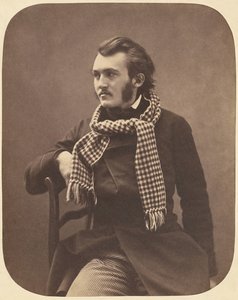
Paul Gustave Doré
1832 - 1883 , Francia
Dati rapidi
- Artistic Movement Or Style: Romanticismo
- Artists Or Movements Influenced By This Artist: ['Vincent van Gogh']
- Artists Who Influenced This Artist: ['J.J. Grandville']
- Date Of Birth: 6 gennaio 1832
- Date Of Death: 23 gennaio 1883
- Full Name: Paul Gustave Doré
- Nationality: Francese
- Notable Artworks:
- Les Travaux d'Hercule
- Don Chisciotte
- L'Inferno di Dante
- The Raven
- London: A Pilgrimage
- Place Of Birth (City And Country): Strasburgo, Francia
Articoli correlati
Paul Gustave Doré: Il Maestro Romantico dell'Immaginazione e del Realismo Pittorico
Scopri la vita e le opere di Gustave Doré, il maestro del Romanticismo e del Realismo. Approfondimenti sulla sua arte, dalle illustrazioni dell'Inferno ai temi sociali. Esplora musei e riproduzioni d'arte su OriginalUniqueArt.

Gustav Klimt: I 25 Capolavori Immortali dell'Arte e Decorazioni di Lusso
Esplora i 25 capolavori di Gustav Klimt, pittore simbolo dell'Art Nouveau. Scopri la storia, le tecniche e l'oro iconico delle sue opere più famose come 'Il Bacio'. Trova riproduzioni d'arte di alta qualità per decorare casa con stile su OriginalUniqueArt.com
I 10 Capolavori dell'Incisione che Hanno Rivoluzionato l'Arte | OriginalUniqueArt
Esplora i 10 capolavori dell'incisione che hanno segnato la storia dell'arte! Dürer, Rembrandt, Goya e altri maestri. Scopri tecniche uniche e storie affascinanti. Stampe d'arte di alta qualità per decorare casa con stile su OriginalUniqueArt.com

Engraving: A Historical Survey of Technique, Artistic Expression & Enduring Legacy
Explore the rich history of engraving with OriginalUniqueArt. Discover techniques, iconic artists like Dürer & Callot, collecting tips, and expert guidance for preserving your art investment. Learn about intaglio printing & more!

Dante Gabriel Rossetti: I 25 Capolavori che Definiscono un Maestro del Simbolismo
Esplora i 25 capolavori di Dante Gabriel Rossetti, pittore preraffaellita simbolo del romanticismo vittoriano. Scopri storie, tecniche e colori unici delle sue opere più famose. Trova riproduzioni d'arte di alta qualità per la tua casa su OriginalUniqueArt.com


