- Home

- Riproduzione di dipinto a olio
- Paul Gustave Doré
- Devil's Acre, Westminster

 Acquista stampa Acquista download
 Invia
Invia
 Condividi
 Dettagli opera
 Aggiungi ai preferiti

 Scarica
 Simili
 Radiografia
 Slideshow
Devil's Acre, Westminster

 Scopri di più
Riproduzione a olio fatta a mano
Olio su tela dipinto a mano nelle tue dimensioni e con la tua cornice, realizzato su ordinazione dai nostri artisti.




































Scegli tra le nostre dimensioni predefinite, che rispettano le proporzioni originali dell'opera d'arte.

È possibile inserire dimensioni personalizzate per adattare l'opera a una cornice o a uno spazio specifico. Se la dimensione selezionata non corrisponde alle proporzioni dell'immagine originale, provvederemo a ritagliare l'opera o a estendere il dipinto con elementi aggiuntivi dipinti a mano. Un mockup digitale ti sarà inviato per approvazione prima dell'inizio della produzione.
Si prega di notare che l'anteprima a schermo non riflette il ritaglio o l'estensione effettivi. Solo il mockup mostrerà accuratamente la composizione finale.
Sebbene siano disponibili dimensioni personalizzate, consigliamo di selezionare una dimensione dall'elenco predefinito per preservare le proporzioni originali.
Dopo l'ordine, il team di OriginalUniqueArt.com invierà un'e-mail al cliente per le istruzioni e fornirà un'anteprima del mockup
Consegna in tutto il mondo () in 3/4 settimane anziché nelle normali 5 settimane. (16 Luglio). Nessun compromesso sulla qualità.

Spedizione espressa gratuita in tutto il mondo

Tela in lino di alta qualità

Assicurazione completa sulla spedizione

Garanzia di rimborso dei dazi doganali

Garanzia di fedeltà cromatica

Politica di reso entro 60 giorni (solo per difetti)

Garanzia di rimborso al 100%

Sconto per acquisti multipli
 L'opzione vetro è disponibile solo per dimensioni inferiori a 110 cm

Devil's Acre, Westminster
Tecnica di riproduzione
Dimensioni riproduzione
-


Prezzo totale finale
-
Descrizione dell'opera
The Devil’s Acre – Westminster: A Glimpse of Victorian Despair
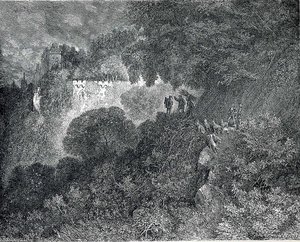
Gustave Doré's “Devil’s Acre – Westminster,” created in 1872, isn’t merely an illustration; it’s a haunting tableau of urban decay and social injustice. This powerful wood engraving offers a starkly realistic depiction of the infamous Devil’s Half Acre, a notorious slum nestled alongside the grand façade of Westminster Abbey in Victorian London. More than just a visual record, Doré's work serves as a poignant commentary on poverty, overcrowding, and the moral failings of an era grappling with rapid industrialization and its attendant social consequences.
The scene unfolds within a narrow, shadowed street – St. Anne’s Lane – choked by dilapidated buildings and overflowing refuse. The figures depicted are not idealized heroes or romanticized subjects; they are the marginalized inhabitants of this forgotten corner of London: a weary vendor hawking his wares, a man burdened with a bundle, and countless others lost in the grim reality of their existence. Doré masterfully employs chiaroscuro – the dramatic contrast between light and shadow – to heighten the sense of despair and claustrophobia. The muted palette of browns, grays, and blacks reinforces this atmosphere of gloom, while strategically placed shafts of light illuminate pockets of misery, drawing the viewer’s eye to the suffering within.
Doré's Technique: A Masterclass in Wood Engraving
Gustave Doré was a virtuoso of wood engraving, a technique demanding immense skill and patience. He began by meticulously transferring his detailed pencil sketches onto a block of hardwood – typically boxwood or pearwood – using a stylus. Each line, each shading effect, had to be painstakingly carved into the surface of the block with specialized gouges. This process was incredibly laborious, requiring countless hours of work for each image. The resulting print, however, possessed an astonishing level of detail and tonal richness, achieved through careful control of ink distribution and pressure during printing.
Doré’s mastery extended beyond technical skill; he understood how to use the limitations of wood engraving to his advantage. He skillfully created a sense of texture and depth by varying the line weight and density, mimicking the effects of brushstrokes or charcoal shading. The subtle gradations in tone – achieved through multiple passes with the ink roller – contribute significantly to the image’s emotional impact, conveying both the harshness and the vulnerability of the scene.
Historical Context: London's Dark Underbelly
The Devil’s Acre wasn’t a random slum; it was a deliberate consequence of Victorian urban planning. As London swelled with population during the Industrial Revolution, many impoverished families were pushed into overcrowded, unsanitary areas on the fringes of the city. The area surrounding Westminster Abbey, despite its proximity to power and wealth, became a haven for crime, disease, and despair. Charles Waterton, a wealthy eccentric, famously described it as “a place where the devil might find employment,” encapsulating the grim reality of the district.
Doré’s illustration emerged during a period of intense social reform in Britain. The plight of the poor was increasingly recognized, and reformers like Charles Dickens sought to expose the injustices faced by the working class. “Devil’s Acre” served as a powerful visual indictment of this societal failure, prompting reflection on the responsibilities of government and society towards its most vulnerable citizens.
Symbolism and Emotional Resonance
Beyond its documentary value, “Devil’s Acre” is rich in symbolism. The darkness enveloping the scene represents not only physical poverty but also moral decay and spiritual emptiness. The figures themselves embody resilience and suffering, their faces etched with hardship and resignation. The juxtaposition of the imposing grandeur of Westminster Abbey – a symbol of power and faith – against the squalor of the Devil’s Acre creates a profound sense of contrast and injustice.
Doré's work evokes a complex range of emotions: pity, outrage, and perhaps even a touch of melancholy. It is a reminder of the human cost of progress and a testament to the enduring power of art to expose uncomfortable truths and challenge viewers to confront difficult realities. Reproductions of this iconic image continue to resonate today, serving as a poignant symbol of social inequality and the importance of compassion.
Biografia dell'artista
Paul Gustave Doré: Una Vita Dedicata all'Illustrazione
Primi Anni e Formazione Artistica
- Nascita: 6 gennaio 1832, a Strasburgo, Francia.
- Fin da giovanissimo, Doré dimostrò un talento artistico eccezionale e una personalità precoce. Si narravano storie dei suoi primi scherzi che rivelavano una maturità insolita per la sua età.
- Prime Inclinazioni: Iniziò a disegnare in tenera età, mostrando rapidamente un'abilità straordinaria.
- All’età di 15 anni, Doré intraprese la sua carriera professionale come caricaturista per il giornale francese Le Journal pour rire.
Sviluppo Artistico e Primi Lavori
- Prime Commissioni: Le sue prime opere includevano libri illustrati come Les Travaux d'Hercule (1847), Trois artistes incompris et mécontents (1851), e Les Dés-agréments d'un voyage d'agrément (1851).
- Influenze: Le illustrazioni di J.J. Grandville furono un’influenza significativa sul suo stile iniziale.
- Doré ottenne rapidamente riconoscimento per le sue composizioni dinamiche e l'uso drammatico della luce e dell’ombra, anche in queste prime opere.
- Iniziò a ricevere commissioni per illustrare la letteratura classica, inclusi lavori di Cervantes, Rabelais, Balzac, Milton e Dante.
Riconoscimento Internazionale e Opere Principali
- Illustrazione di Grandi Scrittori: Nel 1853, fu incaricato di illustrare le opere di Lord Byron, seguito da un monumentale progetto di Bibbia illustrata.
- Il Pellegrino Errante (1856): Quest'opera, pur essendo popolare, conteneva sfumature antisemite riflettive del tempo.
- Don Chisciotte: Le sue illustrazioni degli anni '60 per Don Chisciotte di Cervantes hanno profondamente influenzato le successive interpretazioni dei personaggi e della storia.
- Il Corvo (1883): L'edizione oversize de “Il Corvo” di Edgar Allan Poe gli fece guadagnare 30.000 franchi da Harper & Brothers.
- Londra: Un Pellegrinaggio (1872): Questa collaborazione con Blanchard Jerrold rappresentò la cruda realtà della Londra vittoriana e suscitò controversie per il suo focus sulla povertà.
Stile Artistico e Tecniche
- Maestria nell'Incisione a Blocchi: Doré era un maestro nell’incisione a blocchi, creando immagini incredibilmente dettagliate e drammatiche.
- Composizione Drammatica: Il suo lavoro è caratterizzato da composizioni dinamiche, forti contrasti tra luce e ombra (chiaroscuro) e un senso di grandezza.
- Spesso impiegava una vasta squadra di scalpellini per tradurre i suoi disegni in incisioni a blocchi, consentendo la produzione di massa.
- Romanticismo: Il suo stile è fermamente radicato nella tradizione romantica, enfatizzando l'emozione, l'immaginazione e il sublime.
Eredità e Significato Storico
- Premi e Onori: Doré fu nominato Chevalier de la Légion d’honneur dal governo francese nel 1861.
- Le sue illustrazioni hanno avuto un impatto diffuso sulla cultura visiva, influenzando artisti e lettori per generazioni.
- Influenza su Artisti Successivi: Ha ispirato artisti come Vincent van Gogh, che ammirava le sue rappresentazioni della sofferenza e della difficoltà.
- Nonostante alcune critiche contemporanee, l'opera di Doré è ora celebrata per il suo valore artistico e la sua importanza storica. Le sue illustrazioni continuano a plasmare la nostra comprensione della letteratura classica e della società vittoriana.
- Morte: Paul Gustave Doré morì il 23 gennaio 1883, lasciando dietro di sé un'eredità vasta e duratura.
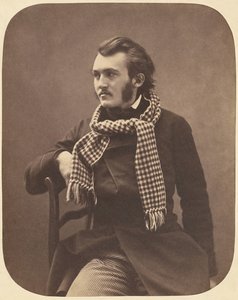
Paul Gustave Doré
1832 - 1883 , Francia
Dati rapidi
- Artistic Movement Or Style: Romanticismo
- Artists Or Movements Influenced By This Artist: ['Vincent van Gogh']
- Artists Who Influenced This Artist: ['J.J. Grandville']
- Date Of Birth: 6 gennaio 1832
- Date Of Death: 23 gennaio 1883
- Full Name: Paul Gustave Doré
- Nationality: Francese
- Notable Artworks:
- Les Travaux d'Hercule
- Don Chisciotte
- L'Inferno di Dante
- The Raven
- London: A Pilgrimage
- Place Of Birth (City And Country): Strasburgo, Francia
Articoli correlati
George Frederic Watts: Symbolism, Spirituality & Victorian Ideal Beauty
Explore the captivating Symbolist art of George Frederic Watts. Discover his allegorical masterpieces, classical influences & spiritual themes. Learn about his legacy and find high-quality reproductions at OriginalUniqueArt.
Frederick Waters Watts: A Victorian Vision of Aestheticism & Spiritual Symbolism
Explore the captivating world of Frederick Watts, a key Victorian painter blending aestheticism & spiritual symbolism. Discover his allegorical masterpieces like 'Hope' and delve into his artistic journey with OriginalUniqueArt.
The Gaze of a Changing World: Victorian Realism & Modern Life
Explore the captivating world of Victorian Realism! Discover genre painting's rise, social commentary in art, & masters like Fedotov and Wilkie. Expert analysis & high-quality reproductions at OriginalUniqueArt.
Walter Greaves: A Study in Victorian Realism & the Social Landscape of British Art
Explore the life & work of Walter Greaves, a key Victorian realist painter influenced by Whistler. Discover his London streetscapes, portraits, and enduring legacy. Learn about art appraisal & reproduction options at OriginalUniqueArt.

George Goodwin Kilburne: Capturing Victorian Sentimentality Through Genre Painting
Explore the evocative Victorian paintings of George Goodwin Kilburne. Discover his detailed scenes of domestic life, masterful use of light, and lasting impact on British genre painting. Learn more at OriginalUniqueArt.