

 Anteprima in scala reale
 Invia
Invia Condividi
 Dettagli opera
 Guida
Guida

 Scarica
 Simili
 Radiografia
 Slideshow
 Statistiche
Bear Hunt
 Baroque
 1630
1630 205.0 x 345.0 cm
 Museo dell'Ermitage
 Espandi i dettagli
L'opera d'arte visualizzata in questa pagina è protetta dalle leggi sul diritto d'autore, il che significa che non possiamo legalmente creare o vendere una riproduzione identica. Tale protezione è garantita da accordi internazionali quali la Convenzione di Berna e dalle leggi nazionali, incluse quelle stabilite da Legge sul copyright degli Stati Uniti - Titolo 17. Tutti i diritti riservati. Le immagini presenti su questo sito sono protette da copyright e non possono essere riprodotte o utilizzate senza l'autorizzazione scritta di WahooArt.com o dei rispettivi proprietari del copyright.
Come alternativa rispettosa e legale, offriamo opere d'arte personalizzate e dipinte a mano, ispirate all'originale. I nostri artisti esperti e professionisti studiano con cura lo stile, l'atmosfera e l'essenza artistica dell'opera originale per creare un pezzo nuovo e unico che evochi la stessa emozione, pur rimanendo una creazione originale a pieno titolo.
Questo metodo è pienamente conforme alle normative sul diritto d'autore poiché non prevede la copia o la duplicazione dell'opera protetta. Si tratta invece di una rielaborazione creativa: un nuovo dipinto che trae ispirazione dall'originale, senza tuttavia esserne identico.
Riproduzione a olio fatta a mano
Olio su tela dipinto a mano nelle tue dimensioni e con la tua cornice, realizzato su ordinazione dai nostri artisti. ( Passa alle stampe Passa all'immagine digitale)




































Scegli tra le nostre dimensioni predefinite, che rispettano le proporzioni originali dell'opera d'arte.

Inserisci la larghezza e l'altezza desiderate, per adattarle alla tua cornice o alla tua parete. Trattandosi di un'opera dipinta a mano, in caso di dimensioni con un formato differente, l'artista può estendere leggermente il dipinto oltre i bordi dell'immagine o ritagliare una piccola parte — la scelta spetta a te. Ti invieremo un mockup digitale da approvare prima che la realizzazione abbia inizio. L'immagine mostrata in questa pagina non rappresenta il risultato finale — solo il mockup lo fa.
Dopo l'ordine, il team di OriginalUniqueArt.com contatterà il cliente via e-mail per ricevere le istruzioni e fornirà un'anteprima del mockup
Consegna in tutto il mondo () in 3/4 settimane anziché nelle normali 5 settimane. (28 Ottobre). Nessun compromesso sulla qualità.

Spedizione espressa gratuita in tutto il mondo

Tela in lino di alta qualità

Assicurazione completa sulla spedizione

Garanzia di rimborso dei dazi doganali

Garanzia di fedeltà cromatica assoluta

Politica di reso entro 100 giorni (solo per difetti di fabbricazione)

Garanzia di rimborso al 100%

Offerta per acquisti multipli
 L'opzione vetro è disponibile solo per dimensioni inferiori a 110 cm

Bear Hunt
Tecnica di riproduzione
Dimensioni riproduzione
-


Prezzo finale calcolato
€ 264
Detailed Composition
The scene depicts a intense moment of action, with several dogs and a bear as the main subjects. The dogs are various breeds, all focused on the bear, which appears to be in a defensive posture. The background features a cloudy sky, adding to the dramatic effect of the scene. The use of light and shadow creates a sense of depth and realism, characteristic of Baroque art.The painting is rich in detail, from the fur textures of the animals to the expressions on their faces. This level of detail demonstrates the artist's commitment to creating a realistic and engaging scene.
Artistic Significance
Paul De Vos was known for his detailed animal paintings, and Bear Hunt is one of his most notable works. The painting's composition and subject matter suggest that it was likely commissioned for its narrative appeal or as a depiction of a historical event.For more information on Paul De Vos and his works, visit /art/list/?Filter=8Y3LQ4-Paul-De-Vos-Bear-Hunt. To explore other notable paintings at The Hermitage, including works by Michelangelo Buonarroti such as Crouching Boy, visit /art/list/?Filter=crouching+boy,crouching.
- Artist: Paul De Vos
- Painting Title: Bear Hunt
- Museum: The Hermitage
Domande e risposte
È disponibile una guida per "Bear Hunt" di Paul De Vos?
La guida a "Bear Hunt" è la pagina Schede didattiche dell'opera: una scheda informativa stampabile che presenta l'opera con la sua didascalia, i crediti e la tabella identificativa (artista, date, tecnica, dimensioni originali, collezione).
È possibile riprodurre legalmente l'opera "Bear Hunt" di Paul De Vos, conservata presso Museo dell'Ermitage?
L'originale "Bear Hunt" si trova presso Museo dell'Ermitage e l'opera è ancora protetta dal diritto d'autore.
Quali sono le dimensioni reali di "Bear Hunt" di Paul De Vos?
L'originale "Bear Hunt" di Paul De Vos misura 205 x 345 cm.
Biografia dell'artista
Il Maestro della Natura Fiamminga: La Vita e l'Eredità di Paul de Vos
Nell'età dell'oro del Barocco fiammingo, un'epoca in cui i grandi drammi mitologici e i maestosi ritratti dominavano spesso le sale della nobiltà europea, stava prendendo piede un'arte più intima ma altrettanto profonda. Paul de Vos emerse come una voce singolare all'interno di questo periodo vibrante, distogliendo lo sguardo dai cieli per rivolgerlo verso la terra. Mentre i suoi contemporanei cercavano di immortalare dei e sovrani, De Vos trovò la sua musa nell'energia cruda e pulsante del mondo naturale. Le sue tele divennero finestre sulla natura selvaggia, catturando la tensione della caccia e la quieta dignità della natura morta con una precisione che imponeva rispetto persino dai maestri che definirono la sua epoca.
Nato a Hulst, nei Paesi Bassi, il destino di De Vos fu indissolubilmente legato al cuore pulsante di Anversa. Trasferitosi in questa metropoli frenetica fin dalla tenera età, si trovò immerso in un ambiente dove la creatività era la moneta principale della città. La sua formazione fu un rigoroso percorso attraverso la prestigiosa Gilda di San Luca, studiando sotto maestri come Denijs van Hove, David Remee lo e Eduard Snayers. Questa profonda immersione nella tradizione di Anversa gli fornì molto più della semplice abilità tecnica; gli garantì l'accesso a un circolo d'élite di innovatori. L'influenza di suo cognato, il leggendario Frans Snyders, e la presenza monumentale di Peter Paul Rubens agirono sia come fondamenta che come sfida, spingendo De Vos a perfezionare uno stile che fosse unicamente suo.
Una Simbiosi tra Tecnica e Natura
Il vero genio di De Vos risiede nella sua capacità di coniugare il vigore drammatico del periodo Barocco con una devozione quasi scientifica all'accuratezza anatomica. La sua opera è caratterizzata da un straordinario senso del movimento; si può quasi udire il fruscio delle foglie o il respiro improvviso e affannoso di un predatore in piena inseguimento. A differenza della scala spesso travolgente delle composizioni di Rubens, De Vos padroneggiò un'estetica più contenuta ma altrettanto d'impatto. Utilizzò colori luminosi — gialli caldi e ocra terrosi — per creare una profondità atmosferica che infondeva vita ai suoi soggetti.
La sua maestria tecnica era così stimata che divenne un collaboratore ricercato dai giganti del suo tempo. La documentazione storica rivela un profondo rispetto professionale tra De Vos e Peter Paul Rubens, con quest'ultimo che affidò celebremente a De Vos l'esecuzione di figure animali all'interno di composizioni più ampie e complesse. Questa partnership permise a De Vos di contribuire ad alcune delle opere più significative del XVII secolo, fondendo il suo talento specializzato nella fauna selvatica con le grandi strutture narrative dei maestri barocchi. La sua capacità di rendere la consistenza della pelliccia, il luccichio nell'occhio di un predatore e il delicato decadimento di una natura morta lo distinse come uno specialista dall'abilità senza pari.
Significato Storico e Resistenza Artistica
L'eredità di Paul de Vos si estende ben oltre i confini delle Fiandre del XVII secolo. Egli giocò un ruolo cruciale nell'elevare la pittura di animali da semplice accompagnamento decorativo a genere rispettato delle belle arti. Concentrandosi sulla bellezza intrinseca e sul dramma del mondo naturale, offrì uno spettacolo differente, capace di risuonare con il crescente interesse per la storia naturale e con la realtà viscerale della vita e della morte.
Oggi, i suoi contributi sono riconosciuti come una componente vitale del mosaico Barocco fiammingo. La sua opera funge da testimonianza della capacità dell'epoca di trovare un significato profondo nei minimi dettagli dell'esistenza. Attraverso la sua maestria nella luce, nel colore e nel movimento, De Vos ha assicurato che le creature selvagge occupino per sempre un posto d'onore negli annali della storia dell'arte. I suoi dipinti rimangono studi intramontabili in:
- Composizione Dinamica: L'uso della tensione e del movimento per guidare l'occhio dello spettatore attraverso le scene di caccia.
- Precisione Anatomica: Una meticolosa dedizione alla rappresentazione realistica della fauna.
- Maestria Atmosferica: La creazione di profondità e atmosfera attraverso una sofisticata tavolozza di toni caldi e naturali.
- Eccellenza Collaborativa: Il suo ruolo nel plasmare il linguaggio visivo della scuola di Anversa insieme a Rubens e Van Dyck.

Paul De Vos
1916 - 2006 , Paesi Bassi
Dettagli rapidi
- Artistic Movement Or Style: Baroque
- Artists Who Influenced This Artist:
- Anthony van Dyck
- Peter Paul Rubens
- Date Of Birth: Hulst, Netherlands (1595)
- Date Of Death: Antwerp (1678)
- Full Name: Paul de Vos
- Nationality: Flemish
- Notable Artworks:
- Diana the Huntress
- Peacock and Cock Fighting
- Place Of Birth: Hulst
Articoli correlati
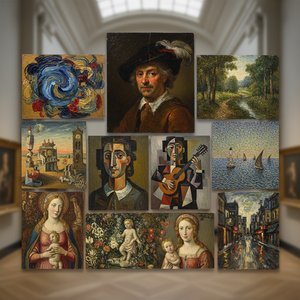
I 10 Capolavori a Olio su Tavola che Hanno Rivoluzionato l'Arte | OriginalUniqueArt
Esplora i 10 capolavori a olio su tavola che hanno segnato la storia dell'arte! Da Van Eyck a Monet, scopri le storie e le tecniche di artisti iconici. Trova riproduzioni di alta qualità per arredare con stile: colori, emozioni e bellezza senza tempo ti aspettano su OriginalUniqueArt.com.

Goya: I 25 Capolavori Immortali dell'Anima Spagnola | OriginalUniqueArt
Esplora i 25 capolavori di Francisco Goya, il genio spagnolo tra Romanticismo e Realismo. Ritratti iconici, 'Los Caprichos' e le toccanti 'Disastri della Guerra'. Trova stampe su tela e riproduzioni artistiche di alta qualità per la tua casa su OriginalUniqueArt.com.

Riguardo a noi
Scopri la nostra storia! Portiamo l'arte di livello mondiale nella tua vita grazie a una selezione esperta, creazioni personalizzate e anteprime gratuite. Approvato da privati e aziende dal 2000.
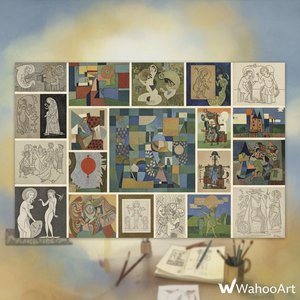
Paul Klee: Le 25 Opere Più Iconiche per Arricchire la Tua Casa con l'Arte
Esplora le 25 opere più iconiche di Paul Klee, maestro dell'arte astratta e del colore. Scopri la storia, lo stile unico e il significato dei suoi capolavori. Trova riproduzioni d'arte di alta qualità per decorare casa con OriginalUniqueArt.com.

Paul Cézanne: I 25 Capolavori che Hanno Rivoluzionato l'Arte Moderna | OriginalUniqueArt
Esplora i 25 capolavori di Paul Cézanne, il maestro dell'impressionismo e post-impressionismo. Scopri la storia, le tecniche e i colori iconici dietro opere come 'Le grandi bagnanti' e 'Mont Sainte-Victoire'. Trova riproduzioni artistiche di alta qualità per decorare la tua casa su OriginalUniqueArt.com.
