Anteprima in scala reale
 Invia
Invia Condividi
 Dettagli opera
 Guida
Guida

 Scarica
 Simili
 Radiografia
 Slideshow
 Domande e risposte
 Statistiche
Trees and houses

- 54.0 x 73.0 cm


 Espandi i dettagli
Giclée / Stampe d'arte
Stampa giclée o su tela di qualità museale, con produzione rapida e diverse opzioni di finitura. ( Acquista il dipinto realizzato a mano Passa all'immagine digitale)




P118B €10

P118H €10

P118W €10

P438Z €10

P508JH €12

P508YH €12

P805H €10

P805Z €10

P919BZ €10

P919G €10

P919XJ €10

P959ZH €10

P968JZ €12

W106C €8

W218G €10

W218JH €8

W218Y €10

W307PJ €10

W316G €10

W316PJ €8

W316Y €10

W398PJ €8

W4111J €10

W500HY €15

W500JH €15

W692G €12

W849H €8

W940BG €15

W953PJ €8




Scegli tra le nostre dimensioni predefinite, che rispettano le proporzioni originali dell'opera d'arte.

Inserisci la larghezza e l'altezza desiderate, per adattarle alla tua cornice o alla tua parete. Una stampa può essere solo ritagliata, mai resa più grande dell'immagine originale; pertanto, un formato con una forma differente comporterà la perdita di una parte dell'opera. Ti invieremo un mockup digitale da approvare prima di procedere con la stampa. L'immagine mostrata in questa pagina non rappresenta il ritaglio reale — solo il mockup lo mostra.
Consegna in tutto il mondo () in 2 settimane invece delle normali 4/5 settimane. (7 Novembre)

Spedizione espressa gratuita in tutto il mondo

Tela in lino di alta qualità

Assicurazione completa sulla spedizione

Garanzia di rimborso dei dazi doganali

Garanzia di fedeltà cromatica assoluta

Politica di reso entro 100 giorni (solo per difetti di fabbricazione)

Garanzia di rimborso al 100%

Offerta per acquisti multipli
 L'opzione vetro è disponibile solo per dimensioni inferiori a 110 cm

Trees and houses
Giclée / Stampe d'arte
Dimensioni riproduzione
-


Prezzo finale calcolato
€ 72
Trees and Houses: A Symphony of Rural Tranquility
Paul Cézanne’s “Trees and Houses,” completed in 1886, transcends mere depiction; it embodies the very essence of Post-Impressionist philosophy—a deliberate rejection of fleeting optical impressions in favor of capturing underlying structure and emotion. This painting isn't simply a landscape; it’s an exploration of perception itself, reflecting Cézanne’s profound conviction that art should strive to represent not what we see but how we *feel* about what we see.Composition and Technique: Embracing Geometric Harmony
The artwork’s masterful composition immediately draws the eye inward. Cézanne eschews traditional perspective, opting instead for a flattened space where planes intersect and overlap—a technique characteristic of his groundbreaking approach to painting. Several trees dominate the scene, their branches reaching upwards with assertive curves that create a palpable sense of depth despite the absence of linear recession. These branches aren’t merely decorative; they are meticulously rendered to convey solidity and resistance, mirroring Cézanne's fascination with geological forms. Behind these monumental trees stand two houses—one positioned on the left side of the canvas and another slightly further to its center—creating a harmonious juxtaposition between organic and constructed elements. Cézanne achieves this balance through careful layering of paint, applying thin glazes over thicker impasto strokes to build up texture and luminosity. The resulting surface is rich with visual information, inviting contemplation and stimulating the imagination.Historical Context: Bridging Impressionism and Cubism
“Trees and Houses” stands as a pivotal moment in Cézanne’s artistic evolution—a decisive step away from Impressionistic idealism toward the more assertive geometric explorations that would foreshadow Cubism. Cézanne was reacting against the limitations of Impressionism's preoccupation with capturing atmospheric effects, arguing instead for a more fundamental understanding of visual reality. He sought to distill nature into its essential forms, prioritizing structure and solidity over fleeting color variations. This approach aligns perfectly with the burgeoning intellectual currents of the time—particularly Nietzsche’s philosophy of perspectivism—which questioned accepted notions of truth and championed subjective experience as paramount. The painting's placement in the Musée de l'Orangerie underscores its significance within the broader canon of Impressionist and Post-Impressionist art, alongside masterpieces by Monet and Matisse.Symbolism: Capturing the Spirit of Provence
Beyond its formal innovations, “Trees and Houses” resonates with deeper symbolic meanings rooted in Cézanne’s Provençal homeland. The trees represent resilience and permanence—symbols of enduring life against the backdrop of human endeavor. The houses symbolize domesticity and stability, yet they are rendered as simplified geometric shapes, subtly undermining their conventional associations. Cézanne's deliberate use of color—primarily yellows and greens—evokes the vibrancy of the Mediterranean landscape and imbues the scene with a feeling of tranquil serenity. It’s a visual meditation on the relationship between humanity and nature, suggesting that true beauty lies in recognizing the underlying order and harmony of both realms.Legacy: An Influence That Endures
“Trees and Houses” cemented Cézanne's reputation as an innovator who fundamentally reshaped the trajectory of modern art. His pioneering techniques—particularly his use of impasto and planar geometry—inspired generations of artists, including Picasso and Matisse, who would subsequently develop Cubism and other radical stylistic developments. More broadly, Cézanne’s insistence on capturing inner feeling alongside outward appearance continues to resonate with contemporary artists and viewers alike, reminding us that art's true power resides in its ability to communicate profound truths about the human condition.Domande e risposte
Quante persone visualizzano "Trees and houses"?
La pagina Statistiche di "Trees and houses" di Paul Cézanne presenta le statistiche delle visite pubbliche: il numero di visite mensili di quest'opera, un confronto con le opere dell'artista più visualizzate e la provenienza dei visitatori.
Qual è il ruolo di "Trees and houses" di Paul Cézanne nella storia dell'arte?
Storicamente, "Trees and houses" è un'opera Post-Impressionism appartenente alla più ampia epoca Età Moderna.
In che anno è stata realizzata "Trees and houses"?
"Trees and houses" di Paul Cézanne è stata creata nel 1886.
Biografia dell'artista
vitae e influenze
paul cézanne, pittore post-impressionista francese, nacque il 19 gennaio 1839 ad Aix-en-Provence, Francia. La sua giovinezza fu segnata da un forte legame con la famiglia e la sua attività bancaria, che gli fornirono sicurezza finanziaria. Ciò gli permise di concentrarsi sulle sue aspirazioni artistiche senza il peso dello stress finanziario. les nabis, neo-impressionismo e simbolismo influenzarono le prime opere di Cézanne, caratterizzate dall'enfasi sulle forme geometriche e su una tavolozza cromatica limitata. Il suo interesse per le opere di paul gauguin e georges seurat ha ulteriormente consolidato il suo stile post-impressionista.stile artistico e tecniche
L'uso innovativo di Cézanne dei piani cromatici e delle piccole pennellate ripetitive creava campi complessi che esprimevano il suo intenso studio dei soggetti. Il suo approccio spesso esploratorio all’arte portò allo sviluppo di una nuova lingua pittorica, che enfatizzava la struttura sottostante degli oggetti in una composizione.- caratteristiche principali:
- forme geometriche e faccette
- tavolozza cromatica ridotta
- enfasi sull'essenza costruttiva del mondo fisico
- prospettiva multipla e simultaneità
- opere influenti:
- the pond at jas de bouffan (1880)
- portrait of emile zola (1866)
- bosco (1892)
- musei che espongono le opere di Cézanne:
- musée marmottan monet a Parigi, Francia
- the museum of fine arts a Houston, Stati Uniti
eredità e impatto
L'opera pionieristica di Cézanne nel post-impressionismo ha aperto la strada a vari movimenti d’avanguardia, tra cui il cubismo, il fauvismo e il surrealismo. La sua influenza può essere vista nelle opere di pablo picasso, henri matisse e georges braque. L'eredità di Cézanne continua a ispirare artisti ed appassionati d’arte, consolidando il suo posto come figura fondamentale nella storia dell’arte moderna.- movimenti artistici correlati:
- visualizza le opere di Cézanne:
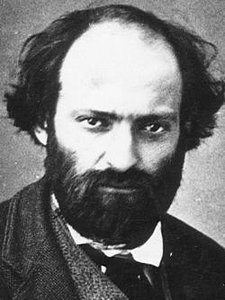
Paul Cézanne
1839 - 1906 , Francia
Dettagli rapidi
- Artisti Che Hanno Influenzato:
- Paul Gauguin
- Georges Seurat
- Artisti Influenzati:
- Pablo Picasso
- Henri Matisse
- Georges Braque
- Data Di Nascita: 19 gennaio 1839
- Luogo Di Nascita: Aix-en-Provence, Francia
- Movimento Artistico: Post-Impressionismo
- Nazionalità: Francese
- Nome Completo: Paul Cézanne
- Opere Notevoli:
- Lo stagno a Jas de Bouffan
- Ritratto di Émile Zola
- Bosco
- Grandi Bagnanti
Articoli correlati

Impressionismo: I 10 Capolavori che Rivoluzionarono la Pittura | OriginalUniqueArt
Esplora i 10 capolavori dell'Impressionismo con OriginalUniqueArt. Scopri Monet, Renoir e Degas: storia, tecnica e colori che hanno rivoluzionato l'arte. Stampe di alta qualità per la tua casa! Esplora la collezione online.

I 10 Capolavori Impressionisti che Hanno Rivoluzionato il Paesaggio Pittorico
Esplora i 10 capolavori impressionisti che hanno rivoluzionato il paesaggio pittorico! Monet, Renoir e altri maestri catturati in stampe su tela di alta qualità. Scopri la storia dell'arte e trova l'opera perfetta per arredare casa tua con OriginalUniqueArt.com.

I 25 capolavori di John Constable: la poesia della natura inglese
Scopri i 25 capolavori di John Constable e il Romanticismo inglese. Esplora la collezione su OriginalUniqueArt.com.

I 25 Capolavori di Paul Cézanne: L'Architetto della Forma
Scopri i 25 capolavori di Paul Cézanne e la rivoluzione post-impressionista. Esplora la collezione su OriginalUniqueArt.com.

Beyond Impressionism: Exploring the Emotional Depth of Post-Impressionist Painting
Explore the profound emotional depth & innovative techniques of Post-Impressionism with OriginalUniqueArt. Discover Cézanne, Van Gogh, Gauguin & more – and their lasting impact on modern art.