Anteprima in scala reale
 Condividi
 Condividi
 Dettagli

 Scarica
 Articoli simili
 Radiografia
 Slideshow
 Statistiche
Preparation for the Funeral
 Oil
Oil- WallArt
- Romanticism
 1869
1869- 19th Century
 49.0 x 80.0 cm
 Leggi tutto
Giclée / Stampe d'arte
Stampa giclée o su tela di qualità museale, con produzione rapida e diverse opzioni di finitura. ( Ordina la riproduzione dipinta a mano Passa all'immagine digitale)




P118B $10

P118H $10

P118W $10

P438Z $10

P508JH $12

P508YH $12

P805H $10

P805Z $10

P919BZ $10

P919G $10

P919XJ $10

P959ZH $10

P968JZ $12

W106C $8

W218G $10

W218JH $8

W218Y $10

W307PJ $10

W316G $10

W316PJ $8

W316Y $10

W398PJ $8

W4111J $10

W500HY $15

W500JH $15

W692G $12

W849H $8

W940BG $15

W953PJ $8




Scegli tra le nostre dimensioni predefinite, che rispettano le proporzioni originali dell'opera d'arte.

È possibile inserire dimensioni personalizzate per adattare l'opera a una cornice o a uno spazio specifico. Se la dimensione selezionata non corrisponde alle proporzioni dell'immagine originale, procederemo al ritaglio dell'opera o all'estensione dell'immagine con un bordo specchiato o a tinta unita. Un mockup digitale ti verrà inviato per approvazione prima dell'inizio della produzione.
Si prega di notare che l'anteprima a schermo non riflette il ritaglio o l'estensione effettivi. Solo il mockup mostrerà accuratamente la composizione finale.
Sebbene siano disponibili dimensioni personalizzate, si raccomanda di selezionare una dimensione dall'elenco predefinito per preservare le proporzioni originali.
Consegna in tutto il mondo () in 2 settimane invece delle normali 4/5 settimane. (19 Settembre)

Spedizione espressa gratuita in tutto il mondo

Tela in lino di alta qualità

Assicurazione completa sulla spedizione

Garanzia di rimborso dei dazi doganali

Garanzia di perfetta fedeltà cromatica

Politica di reso entro 100 giorni (solo per difetti di fabbricazione)

Garanzia di rimborso al 100%

Sconto per acquisti multipli
 L'opzione vetro è disponibile solo per dimensioni inferiori a 110 cm

Preparation for the Funeral
Giclée / Stampe d'arte
Dimensioni della riproduzione
-


Prezzo totale
$ 80
A Moment Frozen in Twilight: The Somber Resonance of Cézanne’s Vision
In the quiet, shadowed corners of art history, few works possess the haunting stillness found in Paul Cézanne's 1869 masterpiece, "Preparation for the Funeral." This is not merely a depiction of three figures gathered in a dimly lit room; it is an evocative embodiment of Romanticism’s deepest preoccupation with emotion, mortality, and the weight of contemplation. Created during a formative period of Cézanne’s life—a time defined by intense experimentation as he grappled with the burgeoning light of Impressionism—the painting stands as a profound testament to his commitment to capturing more than just visual reality. He sought to paint how a moment felt, freezing a sense of grief and remembrance in a way that continues to captivate the modern soul.
The atmosphere of the piece is one of heavy, palpable silence. As the viewer enters this space, they are met with a monochrome palette dominated by somber shades of grey and black. This deliberate stylistic choice strips away the distractions of vibrant color, forcing an intimate confrontation with the subject's gravity. The room feels thick with memory, where the very air seems to vibrate with a latent, mournful energy. For collectors and decorators alike, this painting offers a profound sense of depth, making it a centerpiece that commands attention through its quiet, psychological intensity rather than through loud or garish displays.
The Architecture of Grief: Technique and Composition
Cézanne’s approach to the canvas in this work reveals a revolutionary departure from traditional academic standards. Eschewing the shimmering, ephemeral surfaces favored by his Impressionist contemporaries, he instead embraced a more tactile and structural language. He employed thick impasto brushstrokes, layering paint with a physical deliberate force that creates textured surfaces. This technique does not just represent objects; it gives them a sculptural presence, making the grief within the room feel as tangible as the canvas itself.
The composition further challenges the viewer's perception of space. Cézanne avoids traditional linear perspective, opting instead to flatten the scene and present figures and objects as geometric forms. This fragmentation reflects a deeper exploration of subjective experience—a way of breaking down reality to find its essential truth. The arrangement of the three seated figures creates a balanced yet tension-filled triangle, drawing the eye through the gloom. For those looking to integrate such a piece into an interior design scheme, its structural integrity and monochromatic elegance allow it to anchor a room, providing a sophisticated focal point that complements both minimalist and classical aesthetics.
Symbolic Vessels and Eternal Reflections
Beyond the figures themselves, the painting is rich with symbolic weight, particularly in the subtle placement of everyday objects. The two bowls positioned within the scene serve as much more than mere household items; they act as vessels of sorrow, metaphorically holding not just liquid, but the heavy accumulation of memories and unspoken emotions. Their strategic placement guides the viewer's gaze across the darkened landscape of the room, connecting the human subjects to the inanimate objects that witness their mourning.
A single cup, tucked near the top right corner, adds a final note of quietude to the composition. Every element in "Preparation for the Funeral" is a deliberate part of a larger narrative regarding the cycle of life and the permanence of loss. To own a reproduction of this work is to possess a fragment of art history's most transformative era—a bridge between the emotional depth of Romanticism and the structural revolution of Post-Impressionism. It is an invitation to pause, to reflect, and to find beauty in the profound stillness of the human condition.
Biografia dell'artista
vitae e influenze
paul cézanne, pittore post-impressionista francese, nacque il 19 gennaio 1839 ad Aix-en-Provence, Francia. La sua giovinezza fu segnata da un forte legame con la famiglia e la sua attività bancaria, che gli fornirono sicurezza finanziaria. Ciò gli permise di concentrarsi sulle sue aspirazioni artistiche senza il peso dello stress finanziario. les nabis, neo-impressionismo e simbolismo influenzarono le prime opere di Cézanne, caratterizzate dall'enfasi sulle forme geometriche e su una tavolozza cromatica limitata. Il suo interesse per le opere di paul gauguin e georges seurat ha ulteriormente consolidato il suo stile post-impressionista.stile artistico e tecniche
L'uso innovativo di Cézanne dei piani cromatici e delle piccole pennellate ripetitive creava campi complessi che esprimevano il suo intenso studio dei soggetti. Il suo approccio spesso esploratorio all’arte portò allo sviluppo di una nuova lingua pittorica, che enfatizzava la struttura sottostante degli oggetti in una composizione.- caratteristiche principali:
- forme geometriche e faccette
- tavolozza cromatica ridotta
- enfasi sull'essenza costruttiva del mondo fisico
- prospettiva multipla e simultaneità
- opere influenti:
- the pond at jas de bouffan (1880)
- portrait of emile zola (1866)
- bosco (1892)
- musei che espongono le opere di Cézanne:
- musée marmottan monet a Parigi, Francia
- the museum of fine arts a Houston, Stati Uniti
eredità e impatto
L'opera pionieristica di Cézanne nel post-impressionismo ha aperto la strada a vari movimenti d’avanguardia, tra cui il cubismo, il fauvismo e il surrealismo. La sua influenza può essere vista nelle opere di pablo picasso, henri matisse e georges braque. L'eredità di Cézanne continua a ispirare artisti ed appassionati d’arte, consolidando il suo posto come figura fondamentale nella storia dell’arte moderna.- movimenti artistici correlati:
- visualizza le opere di Cézanne:
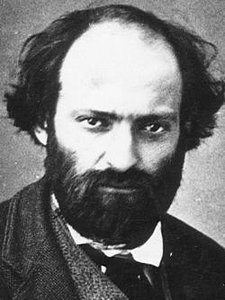
Paul Cézanne
1839 - 1906 , Francia
Informazioni rapide
- Artisti Che Hanno Influenzato:
- Paul Gauguin
- Georges Seurat
- Artisti Influenzati:
- Pablo Picasso
- Henri Matisse
- Georges Braque
- Data Di Nascita: 19 gennaio 1839
- Luogo Di Nascita: Aix-en-Provence, Francia
- Movimento Artistico: Post-Impressionismo
- Nazionalità: Francese
- Nome Completo: Paul Cézanne
- Opere Notevoli:
- Lo stagno a Jas de Bouffan
- Ritratto di Émile Zola
- Bosco
- Grandi Bagnanti
Articoli correlati

Bianco Sublime: I 10 Dipinti Più Famosi Dominati dal Colore Bianco | .it
Esplora i 10 dipinti più celebri dominati dal bianco, da Monet a Malevich. Scopri la storia, le tecniche e l'impatto di queste opere iconiche. Trova stampe su tela e riproduzioni d'arte di alta qualità per decorare casa con stile su .

The Enduring Legacy of Oil on Canvas: Technique, History & Aesthetic Impact
Explore the rich history & techniques of oil painting – from Renaissance masters to Impressionism. Discover pigments, layering methods, and why this timeless medium endures. Expert insights for artists & art enthusiasts.

Paul Cézanne: I 25 Capolavori che Hanno Rivoluzionato l'Arte Moderna | OriginalUniqueArt
Esplora i 25 capolavori di Paul Cézanne, il maestro dell'impressionismo e post-impressionismo. Scopri la storia, le tecniche e i colori iconici dietro opere come 'Le grandi bagnanti' e 'Mont Sainte-Victoire'. Trova riproduzioni artistiche di alta qualità per decorare la tua casa su OriginalUniqueArt.com.

I 10 Dipinti Più Famosi Dominati dal Nero: Maestri e Storie d'Arte
Esplora i 10 dipinti più iconici dominati dal nero, da Caravaggio a Munch. Scopri storie, tecniche e il potere espressivo di artisti come Rembrandt e Goya. Trova stampe d'arte di alta qualità per la tua casa su .

L'Arte del Bianco e Nero: Trasforma i Tuoi Ricordi in Capolavori Senza Tempo con la Maestria dell'Olio su Tela
Trasforma i tuoi ricordi più preziosi in eterni capolavori. OriginalUniqueArt.com offre riproduzioni artigianali a olio su tela, realizzate da maestri per un lusso senza tempo. Scopri l'eleganza del bianco e nero e crea la tua eredità artistica con la nostra eccellenza certificata.