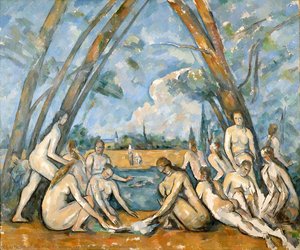
Anteprima in scala reale
 Invia
Invia Condividi
 Dettagli opera
 Guida
Guida

 Scarica
 Simili
 Radiografia
 Slideshow
 Domande e risposte
 Statistiche
Harlequin

- 92.0 x 65.0 cm


 Espandi i dettagli
Giclée / Stampe d'arte
Stampa giclée o su tela di qualità museale, con produzione rapida e diverse opzioni di finitura. ( Acquista il dipinto realizzato a mano Passa all'immagine digitale)




P118B €10

P118H €10

P118W €10

P438Z €10

P508JH €12

P508YH €12

P805H €10

P805Z €10

P919BZ €10

P919G €10

P919XJ €10

P959ZH €10

P968JZ €12

W106C €8

W218G €10

W218JH €8

W218Y €10

W307PJ €10

W316G €10

W316PJ €8

W316Y €10

W398PJ €8

W4111J €10

W500HY €15

W500JH €15

W692G €12

W849H €8

W940BG €15

W953PJ €8




Scegli tra le nostre dimensioni predefinite, che rispettano le proporzioni originali dell'opera d'arte.

Inserisci la larghezza e l'altezza desiderate, per adattarle alla tua cornice o alla tua parete. Una stampa può essere solo ritagliata, mai resa più grande dell'immagine originale; pertanto, un formato con una forma differente comporterà la perdita di una parte dell'opera. Ti invieremo un mockup digitale da approvare prima di procedere con la stampa. L'immagine mostrata in questa pagina non rappresenta il ritaglio reale — solo il mockup lo mostra.
Consegna in tutto il mondo () in 2 settimane invece delle normali 4/5 settimane. (8 Novembre)

Spedizione espressa gratuita in tutto il mondo

Tela in lino di alta qualità

Assicurazione completa sulla spedizione

Garanzia di rimborso dei dazi doganali

Garanzia di fedeltà cromatica assoluta

Politica di reso entro 100 giorni (solo per difetti di fabbricazione)

Garanzia di rimborso al 100%

Offerta per acquisti multipli
 L'opzione vetro è disponibile solo per dimensioni inferiori a 110 cm

Harlequin
Giclée / Stampe d'arte
Dimensioni riproduzione
-


Prezzo finale calcolato
€ 72
Un Istante Sospeso nel Tempo: L’‘Arlecchino’ di Paul Cézanne
L’“Arlecchino” di Paul Cézanne, dipinto nel 1890, non è una semplice rappresentazione di un personaggio teatrale; è un’esplorazione profonda della forma, del colore e dell’essenza stessa della percezione. Questa tela ad olio, dalle dimensioni di 92 x 65 cm, cattura un momento fugace del mondo della Commedia dell'arte – un vibrante tableau vivant che rivela molto dell'approccio rivoluzionario di Cézella alla pittura. L'immagine presenta una donna, ritratta in un suggestivo costume a scacchi rossi e neri, che impugna una spada con un'aria di silenziosa autorità. Il suo sguardo è diretto, quasi di sfida, mentre lo sfondo – una semplice parete blu – offre un contrasto netto, enfatizzando la sua presenza e trascinando lo spettatore all'interno della scena. È un dipinto che cattura immediatamente l'attenzione, non attraverso un'azione drammatica, ma grazie alla sua geometria accuratamente costruita e alle sue tonalità intensamente sature.Post-Impressionismo: Un Cambio di Prospettiva
Cézanne si pone come una figura cardine nella transizione dall'Impressionismo al Cubismo, e l’“Arlecchino” esemplifica magnificamente questo mutamento. L'artista non era interessato a catturare semplicemente un'impressione ottica della realtà; cercava invece di distillare la struttura sottostante degli oggetti – le loro forme e volumi essenziali – sulla tela. Si può notare come Cézanne scomponga la figura in una serie di piani interconnessi, creando un senso di profondità che appare allo stesso tempo solido e leggermente astratto. Questa tecnica, fortemente influenzata dai suoi studi sulle stampe giapponesi, si allontana dagli effetti fugaci di luce e colore prediletti dagli Impressionisti per muoversi verso una rappresentazione più duratura della forma. La composizione del dipinto non mira a ritrarre una scena, ma a rivelare i mattoni fondamentali della percezione stessa. È una testimonianania della convinzione di Cézanne che l'arte debba riguardare la comprensione, e non solo l'imitazione, di ciò che vediamo.Colore e Simbolismo: Una Tavolozza Drammatica
L'audace schema cromatico – il rosso ardente del costume contro il netto scaccato bianco e nero – cattura immediatamente lo sguardo. Questi non sono colori usati per imitare la natura; sono scelti deliberatamente per il loro potere espressivo. Il rosso, spesso associato alla passione, all'energia e al dramma, domina la figura, attirando l'attenzione sulla sua forza e presenza. Lo sfondo blu funge da ancora neutra, impedendo alla composizione di diventare opprimente e permettendo alle forme accuratamente costruite da Cézanne di risplendere. L'inclusione della spada non è puramente decorativa; simboleggia il ruolo dell'Arlecchino come burlone e intrattenitore – una figura che usa l'arguzia e la furbizia per navigare nel mondo. La posa stessa – una posizione calma, quasi di sfida – suggerisce un personaggio abituato sia alla rappresentazione che all'osservazione.L'Eredità di Cézanne: Un Ponte tra Movimenti
L’“Arlecchino” è spesso considerato un ponte tra le prime esplorazioni impressioniste di Cézanne e il suo stile successivo, più geometrico. Dimostra il suo crescente interesse nel semplificare le forme e ridurre gli oggetti alle loro sagome essenziali – un precursore del movimento Cubista che sarebbe emerso decenni dopo. Opere come “Pierrot e Arlecchino (Mardi Gras)” dello stesso periodo esplorano ulteriormente questo tema, mostrando la fascinazione di Cézanne per i personaggi teatrali e la sua capacità di infondere loro un senso di atemporalità. La sua influenza si estende ben oltre la pittura; artisti come Matisse e Picasso riconobbero l'impatto profondo di Cézanne sul proprio sviluppo artistico. Il fascino duraturo del dipinto risiede nella sua capacità di catturare non solo un'immagine visiva, ma anche lo spirito di un'epoca – la fine del XIX secolo, un periodo di rapidi cambiamenti e sperimentazione artistica.Riproduzioni Dipinte a Mano: Portare Cézanne in Casa Propria
OriginalUniqueArt offre riproduzioni meticolosamente dipinte a mano dell’“Arlecchino”, catturando l'essenza dello stile unico di Cézanne con eccezionale dettaglio e fedeltà. I nostri artisti utilizzano pigmenti di alta qualità e tecniche tradizionali di pittura a olio per ricreare quest'opera iconica, garantendo un pezzo d'arte autentico e duraturo per la vostra casa o collezione. Ogni riproduzione è una testimonianza della visione artistica di Cézanne, permettendovi di sperimentare la bellezza e la complessità dell’“Arlecchino” in modo tangibile. Esplorate oggi la nostra selezione di riproduzioni di alta qualità e portate un tocco di brillantezza post-impressionista nel vostro spazio.Domande e risposte
Che atmosfera saprebbe conferire a una stanza una riproduzione di "Harlequin" di Paul Cézanne?
L'atmosfera Elegante di "Harlequin" di Paul Cézanne si sposa perfettamente con lo spazio consigliato: un/una Zona living.
Con quale tecnica è realizzato "Harlequin"?
Paul Cézanne ha utilizzato la tecnica del Olio su tela per "Harlequin". La tecnica definisce la natura materica dell'opera originale.
A quale corrente artistica appartiene "Harlequin" di Paul Cézanne?
"Harlequin" è un'opera di Post-Impressionism. Il movimento indica la tradizione artistica di cui l'opera fa parte.
Biografia dell'artista
vitae e influenze
paul cézanne, pittore post-impressionista francese, nacque il 19 gennaio 1839 ad Aix-en-Provence, Francia. La sua giovinezza fu segnata da un forte legame con la famiglia e la sua attività bancaria, che gli fornirono sicurezza finanziaria. Ciò gli permise di concentrarsi sulle sue aspirazioni artistiche senza il peso dello stress finanziario. les nabis, neo-impressionismo e simbolismo influenzarono le prime opere di Cézanne, caratterizzate dall'enfasi sulle forme geometriche e su una tavolozza cromatica limitata. Il suo interesse per le opere di paul gauguin e georges seurat ha ulteriormente consolidato il suo stile post-impressionista.stile artistico e tecniche
L'uso innovativo di Cézanne dei piani cromatici e delle piccole pennellate ripetitive creava campi complessi che esprimevano il suo intenso studio dei soggetti. Il suo approccio spesso esploratorio all’arte portò allo sviluppo di una nuova lingua pittorica, che enfatizzava la struttura sottostante degli oggetti in una composizione.- caratteristiche principali:
- forme geometriche e faccette
- tavolozza cromatica ridotta
- enfasi sull'essenza costruttiva del mondo fisico
- prospettiva multipla e simultaneità
- opere influenti:
- the pond at jas de bouffan (1880)
- portrait of emile zola (1866)
- bosco (1892)
- musei che espongono le opere di Cézanne:
- musée marmottan monet a Parigi, Francia
- the museum of fine arts a Houston, Stati Uniti
eredità e impatto
L'opera pionieristica di Cézanne nel post-impressionismo ha aperto la strada a vari movimenti d’avanguardia, tra cui il cubismo, il fauvismo e il surrealismo. La sua influenza può essere vista nelle opere di pablo picasso, henri matisse e georges braque. L'eredità di Cézanne continua a ispirare artisti ed appassionati d’arte, consolidando il suo posto come figura fondamentale nella storia dell’arte moderna.- movimenti artistici correlati:
- visualizza le opere di Cézanne:
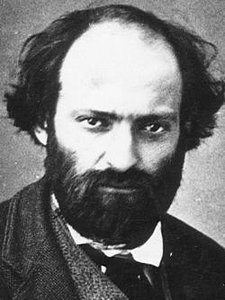
Paul Cézanne
1839 - 1906 , Francia
Dettagli rapidi
- Artisti Che Hanno Influenzato:
- Paul Gauguin
- Georges Seurat
- Artisti Influenzati:
- Pablo Picasso
- Henri Matisse
- Georges Braque
- Data Di Nascita: 19 gennaio 1839
- Luogo Di Nascita: Aix-en-Provence, Francia
- Movimento Artistico: Post-Impressionismo
- Nazionalità: Francese
- Nome Completo: Paul Cézanne
- Opere Notevoli:
- Lo stagno a Jas de Bouffan
- Ritratto di Émile Zola
- Bosco
- Grandi Bagnanti
Articoli correlati

L'Eleganza Teatrale di Erté: Genio della Linea e Icona dell'Art Déco
Scopri il genio di Erté e l'eleganza dell'Art Déco tra moda e teatro. Immergiti nell'iconica storia del design con la nostra guida esclusiva.

The Gilded Age Reimagined: Exploring the Aesthetic Principles & Enduring Legacy of Art Deco
Explore the captivating world of Art Deco! Discover its origins, defining features, cultural impact & enduring legacy. Expert insights for collectors and design enthusiasts. Shop handmade reproductions at OriginalUniqueArt.
Art Deco Unveiled: The Glamour and Geometry of a Timeless Era
Discover the breathtaking allure of Art Deco. Explore the era's iconic geometry, legendary designers like Erté, and timeless glamour. Perfect for discerning collectors seeking to infuse their spaces with sophisticated modernist elegance and historical prestige.

I 25 Capolavori di Paul Cézanne: L'Architetto della Forma
Scopri i 25 capolavori di Paul Cézanne e la rivoluzione post-impressionista. Esplora la collezione su OriginalUniqueArt.com.

The Gleaming Geometry of Desire: Exploring Art Deco's Enduring Influence on Visual Culture
Explore the captivating world of Art Deco! Discover its history, key characteristics, enduring influence on design & collecting with expert insights from OriginalUniqueArt.com.