Anteprima in scala reale
 Invia
Invia Condividi
 Dettagli opera
 Guida
Guida

 Scarica
 Simili
 Radiografia
 Slideshow
 Q&A
Q&A Statistiche
Château Noir


 Espandi i dettagli
Riproduzione a olio fatta a mano
Olio su tela dipinto a mano nelle tue dimensioni e con la tua cornice, realizzato su ordinazione dai nostri artisti. ( Passa alle stampe Passa all'immagine digitale)




P118B €10

P118H €10

P118W €10

P438Z €10

P508JH €12

P508YH €12

P805H €10

P805Z €10

P919BZ €10

P919G €10

P919XJ €10

P959ZH €10

P968JZ €12

W106C €8

W218G €10

W218JH €8

W218Y €10

W307PJ €10

W316G €10

W316PJ €8

W316Y €10

W398PJ €8

W4111J €10

W500HY €15

W500JH €15

W692G €12

W849H €8

W940BG €15

W953PJ €8




Scegli tra le nostre dimensioni predefinite, che rispettano le proporzioni originali dell'opera d'arte.

Inserisci la larghezza e l'altezza desiderate, per adattarle alla tua cornice o alla tua parete. Trattandosi di un'opera dipinta a mano, in caso di dimensioni con un formato differente, l'artista può estendere leggermente il dipinto oltre i bordi dell'immagine o ritagliare una piccola parte — la scelta spetta a te. Ti invieremo un mockup digitale da approvare prima che la realizzazione abbia inizio. L'immagine mostrata in questa pagina non rappresenta il risultato finale — solo il mockup lo fa.
Dopo l'ordine, il team di OriginalUniqueArt.com contatterà il cliente via e-mail per ricevere le istruzioni e fornirà un'anteprima del mockup
Consegna in tutto il mondo () in 3/4 settimane anziché nelle normali 5 settimane. (28 Ottobre). Nessun compromesso sulla qualità.

Spedizione espressa gratuita in tutto il mondo

Tela in lino di alta qualità

Assicurazione completa sulla spedizione

Garanzia di rimborso dei dazi doganali

Garanzia di fedeltà cromatica assoluta

Politica di reso entro 100 giorni (solo per difetti di fabbricazione)

Garanzia di rimborso al 100%

Offerta per acquisti multipli
 L'opzione vetro è disponibile solo per dimensioni inferiori a 110 cm

Château Noir
Tecnica di riproduzione
Dimensioni riproduzione
-


Prezzo finale calcolato
€ 264
A Citadel of Stone and Sky: Paul Cézanne’s *Château Noir*
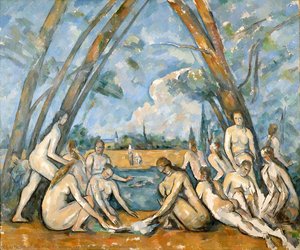
Paul Cézanne's *Château Noir*, painted in 1904, isn’t merely a depiction of a castle; it’s an invitation into the heart of a revolutionary artistic vision. This oil on canvas, currently residing within the hallowed halls of the Musée du Louvre in Paris, embodies the culmination of Cézanne's lifelong pursuit to capture not just what he saw, but *how* he perceived – a profound shift away from traditional representation and towards an exploration of form, color, and structure. The painting immediately draws the eye with its bold contrasts: the fiery red of the castle’s roof against the deep azure of the sky, creating a visual tension that speaks to both power and tranquility.
Cézanne's approach to landscape painting was profoundly influenced by the Impressionists, particularly their focus on capturing fleeting moments of light. However, he quickly moved beyond mere observation, seeking to distill the essence of his subjects into fundamental geometric shapes. *Château Noir* exemplifies this shift brilliantly. The castle itself isn’t rendered with meticulous detail; instead, it's broken down into a series of interlocking planes and angles – rectangles, triangles, and cylinders – that suggest volume and depth. This deliberate simplification wasn’t an abandonment of realism but rather a conscious decision to prioritize the underlying structure of the scene, anticipating the radical innovations of Cubism by decades.
The Language of Color and Form
Cézanne's masterful use of color is equally significant. He employs a palette of rich, saturated hues – deep blues, vibrant reds, earthy greens – not to mimic reality but to convey emotional resonance. The red roof, for instance, isn’t simply painted red; it pulsates with energy and warmth, dominating the composition and drawing the viewer’s attention. Notice how Cézanne uses color to define space and create a sense of atmosphere. He employs broken brushstrokes, layering colors in small, distinct patches, rather than blending them smoothly – a technique that adds texture and dynamism to the surface of the canvas.
The surrounding landscape is rendered with equally expressive strokes. The trees, positioned strategically in the foreground and background, aren’t depicted as individual forms but as masses of color and shape, contributing to the overall sense of spatial ambiguity. Cézanne deliberately obscures precise details, inviting the viewer to actively participate in constructing the image – a hallmark of his unique style.
Historical Context and Cézanne’s Vision
Painted at the cusp of the 20th century, *Château Noir* represents a pivotal moment in artistic history. Cézanne's work emerged from the waning days of Impressionism, yet he decisively rejected its preoccupation with optical illusion. Instead, he sought to express an inner vision—a way of perceiving the world that transcended mere visual representation. Influenced by thinkers like Nietzsche and Bergson, Cézanne embraced ideas about time and intuition, rejecting the mechanistic worldview prevalent in scientific circles.
The painting reflects Cézanne’s fascination with Mont Sainte-Victoire, a towering limestone massif overlooking Aix-en-Provence—a subject he revisited obsessively throughout his career. Cézanne saw Mont Sainte-Victoire as embodying permanence and solidity, representing the antithesis of the fleeting beauty captured by Impressionists. He aimed to convey not just what he saw but also how he felt—the profound connection between artist and landscape.
Symbolism and Emotional Impact
*Château Noir* is laden with symbolic significance. The castle itself represents resilience, strength, and permanence—themes that resonate throughout Cézanne’s oeuvre. Its imposing presence commands attention, conveying a sense of grandeur and majesty. Simultaneously, the azure sky symbolizes serenity, contemplation, and transcendence.
The painting's subdued palette contributes to its contemplative mood, inviting viewers to immerse themselves in the scene and contemplate its deeper meanings. Cézanne’s deliberate simplification of form—the flattened planes and geometric shapes—challenges conventional notions of perspective and invites a more active engagement with the artwork. Ultimately, *Château Noir* speaks to the human desire for beauty, harmony, and connection with nature—a timeless masterpiece that continues to inspire artists and collectors alike.
If you’re seeking a high-quality reproduction of this iconic masterpiece, OriginalUniqueArt offers meticulously crafted oil painting reproductions that capture the essence of Cézanne’s artistic genius. Explore Paul Cézanne: Château Noir today and bring a piece of art history into your home.
Domande e risposte
È possibile vedere una radiografia di "Château Noir" di Paul Cézanne?
"Château Noir" può essere esaminata strato dopo strato nella pagina Raggi X dell'opera, un visualizzatore ispirato al banco luminoso di un restauratore che offre undici letture ottiche dell'immagine.
"Château Noir" è rimasta nel paese d'origine dell'artista?
Sì - l'opera è conservata nel paese d'origine dell'artista. "Château Noir" è conservata in Francia, mentre Paul Cézanne è nato/a in Francia.
Qual è la spiegazione relativa allo stato del copyright di "Château Noir" di Paul Cézanne?
Lo stato del copyright di "Château Noir" - di pubblico dominio - il copyright è scaduto - è determinato dalla data di morte dell'artista, avvenuta nel 1906.
Biografia dell'artista
vitae e influenze
paul cézanne, pittore post-impressionista francese, nacque il 19 gennaio 1839 ad Aix-en-Provence, Francia. La sua giovinezza fu segnata da un forte legame con la famiglia e la sua attività bancaria, che gli fornirono sicurezza finanziaria. Ciò gli permise di concentrarsi sulle sue aspirazioni artistiche senza il peso dello stress finanziario. les nabis, neo-impressionismo e simbolismo influenzarono le prime opere di Cézanne, caratterizzate dall'enfasi sulle forme geometriche e su una tavolozza cromatica limitata. Il suo interesse per le opere di paul gauguin e georges seurat ha ulteriormente consolidato il suo stile post-impressionista.stile artistico e tecniche
L'uso innovativo di Cézanne dei piani cromatici e delle piccole pennellate ripetitive creava campi complessi che esprimevano il suo intenso studio dei soggetti. Il suo approccio spesso esploratorio all’arte portò allo sviluppo di una nuova lingua pittorica, che enfatizzava la struttura sottostante degli oggetti in una composizione.- caratteristiche principali:
- forme geometriche e faccette
- tavolozza cromatica ridotta
- enfasi sull'essenza costruttiva del mondo fisico
- prospettiva multipla e simultaneità
- opere influenti:
- the pond at jas de bouffan (1880)
- portrait of emile zola (1866)
- bosco (1892)
- musei che espongono le opere di Cézanne:
- musée marmottan monet a Parigi, Francia
- the museum of fine arts a Houston, Stati Uniti
eredità e impatto
L'opera pionieristica di Cézanne nel post-impressionismo ha aperto la strada a vari movimenti d’avanguardia, tra cui il cubismo, il fauvismo e il surrealismo. La sua influenza può essere vista nelle opere di pablo picasso, henri matisse e georges braque. L'eredità di Cézanne continua a ispirare artisti ed appassionati d’arte, consolidando il suo posto come figura fondamentale nella storia dell’arte moderna.- movimenti artistici correlati:
- visualizza le opere di Cézanne:
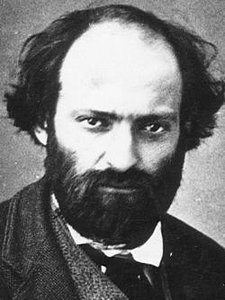
Paul Cézanne
1839 - 1906 , Francia
Dettagli rapidi
- Artisti Che Hanno Influenzato:
- Paul Gauguin
- Georges Seurat
- Artisti Influenzati:
- Pablo Picasso
- Henri Matisse
- Georges Braque
- Data Di Nascita: 19 gennaio 1839
- Luogo Di Nascita: Aix-en-Provence, Francia
- Movimento Artistico: Post-Impressionismo
- Nazionalità: Francese
- Nome Completo: Paul Cézanne
- Opere Notevoli:
- Lo stagno a Jas de Bouffan
- Ritratto di Émile Zola
- Bosco
- Grandi Bagnanti
Articoli correlati

Impressionismo: I 10 Capolavori che Rivoluzionarono la Pittura | OriginalUniqueArt
Esplora i 10 capolavori dell'Impressionismo con OriginalUniqueArt. Scopri Monet, Renoir e Degas: storia, tecnica e colori che hanno rivoluzionato l'arte. Stampe di alta qualità per la tua casa! Esplora la collezione online.

I 10 Capolavori Impressionisti che Hanno Rivoluzionato il Paesaggio Pittorico
Esplora i 10 capolavori impressionisti che hanno rivoluzionato il paesaggio pittorico! Monet, Renoir e altri maestri catturati in stampe su tela di alta qualità. Scopri la storia dell'arte e trova l'opera perfetta per arredare casa tua con OriginalUniqueArt.com.
Beyond Impressionism: Exploring the Emotional Depth of Post-Impressionist Painting
Explore the profound emotional depth & innovative techniques of Post-Impressionism with OriginalUniqueArt. Discover Cézanne, Van Gogh, Gauguin & more – and their lasting impact on modern art.

Paul Cézanne: I 25 Capolavori che Hanno Rivoluzionato l'Arte Moderna | OriginalUniqueArt
Esplora i 25 capolavori di Paul Cézanne, il maestro dell'impressionismo e post-impressionismo. Scopri la storia, le tecniche e i colori iconici dietro opere come 'Le grandi bagnanti' e 'Mont Sainte-Victoire'. Trova riproduzioni artistiche di alta qualità per decorare la tua casa su OriginalUniqueArt.com.

Paul Klee: Le 25 Opere Più Iconiche per Arricchire la Tua Casa con l'Arte
Esplora le 25 opere più iconiche di Paul Klee, maestro dell'arte astratta e del colore. Scopri la storia, lo stile unico e il significato dei suoi capolavori. Trova riproduzioni d'arte di alta qualità per decorare casa con OriginalUniqueArt.com.