Anteprima in scala reale
 Condividi
 Condividi
 Dettagli
 Guida stampabile

 Scarica
 Articoli simili
 Radiografia
 Slideshow
 Statistiche
Cesto di Mele
 Olio su tela
- Arte da parete
- Post-Impressionismo
 1895
1895- XIX Secolo
 62.0 x 79.0 cm
 Art Institute of Chicago
 Leggi tutto
Riproduzione a olio fatta a mano
Olio su tela dipinto a mano nelle tue dimensioni e con la tua cornice, realizzato su ordinazione dai nostri artisti. ( Passa alle stampe Passa all'immagine digitale)




P118B €10

P118H €10

P118W €10

P438Z €10

P508JH €12

P508YH €12

P805H €10

P805Z €10

P919BZ €10

P919G €10

P919XJ €10

P959ZH €10

P968JZ €12

W106C €8

W218G €10

W218JH €8

W218Y €10

W307PJ €10

W316G €10

W316PJ €8

W316Y €10

W398PJ €8

W4111J €10

W500HY €15

W500JH €15

W692G €12

W849H €8

W940BG €15

W953PJ €8




Scegli tra le nostre dimensioni predefinite, che rispettano le proporzioni originali dell'opera d'arte.

Inserisci la larghezza e l'altezza di cui hai bisogno, per adattarle alla tua cornice o alla tua parete. Trattandosi di un'opera dipinta a mano, in caso di dimensioni con una forma differente, l'artista può dipingere un po' più oltre i bordi dell'immagine o ritagliare leggermente — la scelta spetta a te. Ti invieremo un mockup digitale da approvare prima che la pittura abbia inizio. L'immagine mostrata in questa pagina non rappresenta il risultato reale — solo il mockup lo fa.
Dopo l'ordine, il team di OriginalUniqueArt.com contatterà il cliente via e-mail per ricevere le istruzioni e fornirà un'anteprima del mockup
Consegna in tutto il mondo () in 3/4 settimane anziché nelle normali 5 settimane. (20 Ottobre). Nessun compromesso sulla qualità.

Spedizione espressa gratuita in tutto il mondo

Tela in lino di alta qualità

Assicurazione completa sulla spedizione

Garanzia di rimborso dei dazi doganali

Garanzia di perfetta fedeltà cromatica

Politica di reso entro 100 giorni (solo per difetti di fabbricazione)

Garanzia di rimborso al 100%

Sconto per acquisti multipli
 L'opzione vetro è disponibile solo per dimensioni inferiori a 110 cm

Cesto di Mele
Tecnica di riproduzione
Dimensioni della riproduzione
-


Prezzo totale
€ 262
Paul Cézanne’s “Basket of Apples”: A Revolutionary Vision
Paul Cézanne (1839–1906) stands as a monumental figure bridging the gap between Impressionism and Cubism. His journey was not one of immediate acclaim; rather, it was a slow burn of artistic exploration, marked by periods of self-doubt and critical dismissal, ultimately culminating in a legacy that would irrevocably alter the course of modern art. Born to a prosperous family – his father initially a hatmaker who later became a banker – Cézanne enjoyed a financial security unusual for aspiring artists, allowing him the freedom to dedicate himself to his passion without the immediate pressures of commercial success. Though initially steered towards a legal career by his father’s ambitions, the pull of artistic expression proved too strong, and he eventually abandoned law to pursue painting, a decision that would revolutionize art history.- The Subject Matter: Cézanne’s “Basket of Apples” isn't merely about fruit; it embodies fundamental concepts of abundance, nourishment, and the fleeting nature of life—themes prevalent throughout Cézanne’s oeuvre. The artist deliberately chose commonplace objects – apples, pears, oranges, bread rolls, and a bottle – elevating them to levels of significance that transcend their everyday appearance.
- Post-Impressionist Style: Cézanne's work firmly establishes itself as Post-Impressionism, rejecting Impressionism’s focus on capturing fleeting moments of light and color in favor of exploring underlying structure and form. This stylistic shift represents a decisive break from the prevailing artistic conventions of his time.
- Technique: Cézanne employed a distinctive technique characterized by visible brushstrokes—a hallmark of Post-Impressionism—that convey the essence of objects rather than precise visual representation. He meticulously built up textures and contours using thick impasto, creating palpable surfaces that invite tactile engagement.
A Symphony of Color and Light
The painting’s color palette is rich and varied, dominated by warm hues—primarily reds, oranges, and yellows emanating from the apples and pears—contrasting with cooler greens found in some pears. These colors aren't blended smoothly like Impressionists would have done; instead, Cézanne applied them boldly, creating vibrant patches that capture the intensity of natural light. The muted blues and grays in the background provide depth and balance, allowing the luminous hues of the still life to dominate the composition. Cézanne’s masterful use of color contributes significantly to the painting's emotional impact—evoking feelings of freshness, vitality, and a profound appreciation for beauty.Exploring Form and Perspective
Cézanne’s approach to perspective differs radically from that of earlier artists like Leonardo da Vinci or Raphael. Rather than striving for illusionistic realism, he deliberately flattened the pictorial space, emphasizing geometric forms—particularly cubes—to represent underlying structure. This technique is evident in the tilted table upon which the fruit rests and the bottle, creating an impossible rectangle devoid of right angles. Cézanne’s decision to challenge conventional perspective was a pivotal moment in art history, paving the way for Cubism and influencing generations of artists who followed.Symbolism and Emotional Resonance
“Basket of Apples” transcends mere visual representation; it communicates deeper symbolic meanings related to cycles of life, decay, and regeneration—themes frequently explored by Cézanne throughout his artistic career. The arrangement of objects—the basket itself, the fruit, the bottle—is carefully considered to convey a sense of harmony and balance. Cézanne’s work invites contemplation on these fundamental concepts, prompting viewers to consider the beauty inherent in simplicity and the enduring power of art to inspire emotion.Legacy and Influence
Paul Cézanne's “Basket of Apples” stands as an icon of Post-Impressionism and a cornerstone of modern art history. Its groundbreaking technique—characterized by visible brushstrokes, flattened perspective, and bold color palettes—inspired artists such as Pablo Picasso and Henri Matisse, who embraced Cézanne’s vision to forge new artistic paths. As Picasso famously declared, “Cézanne is the father of us all,” acknowledging the profound impact of Cézanne's work on subsequent generations of painters. Today, reproductions of “Basket of Apples” continue to captivate audiences worldwide, demonstrating the enduring beauty and intellectual depth of this seminal masterpiece.Domande e risposte
Quali sono la tecnica e le dimensioni dell'originale "Cesto di Mele" di Paul Cézanne?
La tecnica di "Cesto di Mele" di Paul Cézanne è Olio su tela e le sue dimensioni riportate sono 62 x 79 cm.
Quale posto occupa "Cesto di Mele" tra i soggetti ricorrenti di Paul Cézanne?
"Cesto di Mele" raffigura natura morta, frutta, mele, panini, cézanne, schemi cromatici, oggetti quotidiani, composizione, mentre i temi ricorrenti di Paul Cézanne sono ponte al cubismo, esplorazione formale, focus su serie, impressionismo, forme geometriche, teoria del colore, domesticità, abbondanza. Il confronto tra i due evidenzia come l'opera si relazionazioni con i soggetti abituali dell'artista.
Che intensità cromatica ha "Cesto di Mele" di Paul Cézanne?
L'intensità cromatica di "Cesto di Mele" è Equilibrato. L'intensità descrive quanto appaiano marcati i colori.
Biografia dell'artista
vitae e influenze
paul cézanne, pittore post-impressionista francese, nacque il 19 gennaio 1839 ad Aix-en-Provence, Francia. La sua giovinezza fu segnata da un forte legame con la famiglia e la sua attività bancaria, che gli fornirono sicurezza finanziaria. Ciò gli permise di concentrarsi sulle sue aspirazioni artistiche senza il peso dello stress finanziario. les nabis, neo-impressionismo e simbolismo influenzarono le prime opere di Cézanne, caratterizzate dall'enfasi sulle forme geometriche e su una tavolozza cromatica limitata. Il suo interesse per le opere di paul gauguin e georges seurat ha ulteriormente consolidato il suo stile post-impressionista.stile artistico e tecniche
L'uso innovativo di Cézanne dei piani cromatici e delle piccole pennellate ripetitive creava campi complessi che esprimevano il suo intenso studio dei soggetti. Il suo approccio spesso esploratorio all’arte portò allo sviluppo di una nuova lingua pittorica, che enfatizzava la struttura sottostante degli oggetti in una composizione.- caratteristiche principali:
- forme geometriche e faccette
- tavolozza cromatica ridotta
- enfasi sull'essenza costruttiva del mondo fisico
- prospettiva multipla e simultaneità
- opere influenti:
- the pond at jas de bouffan (1880)
- portrait of emile zola (1866)
- bosco (1892)
- musei che espongono le opere di Cézanne:
- musée marmottan monet a Parigi, Francia
- the museum of fine arts a Houston, Stati Uniti
eredità e impatto
L'opera pionieristica di Cézanne nel post-impressionismo ha aperto la strada a vari movimenti d’avanguardia, tra cui il cubismo, il fauvismo e il surrealismo. La sua influenza può essere vista nelle opere di pablo picasso, henri matisse e georges braque. L'eredità di Cézanne continua a ispirare artisti ed appassionati d’arte, consolidando il suo posto come figura fondamentale nella storia dell’arte moderna.- movimenti artistici correlati:
- visualizza le opere di Cézanne:
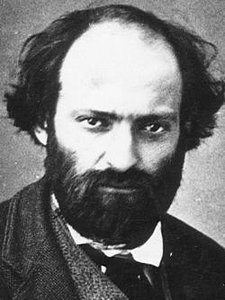
Paul Cézanne
1839 - 1906 , Francia
Informazioni rapide
- Artisti Che Hanno Influenzato:
- Paul Gauguin
- Georges Seurat
- Artisti Influenzati:
- Pablo Picasso
- Henri Matisse
- Georges Braque
- Data Di Nascita: 19 gennaio 1839
- Luogo Di Nascita: Aix-en-Provence, Francia
- Movimento Artistico: Post-Impressionismo
- Nazionalità: Francese
- Nome Completo: Paul Cézanne
- Opere Notevoli:
- Lo stagno a Jas de Bouffan
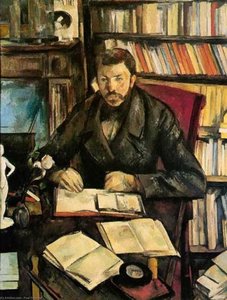
- Ritratto di Émile Zola
- Bosco
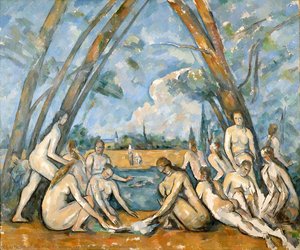
- Grandi Bagnanti
Articoli correlati
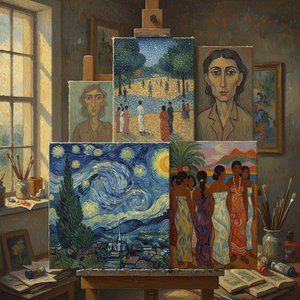
Beyond Impressionism: Exploring the Emotional Depth of Post-Impressionist Painting
Explore the profound emotional depth & innovative techniques of Post-Impressionism with OriginalUniqueArt. Discover Cézanne, Van Gogh, Gauguin & more – and their lasting impact on modern art.

Paul Cézanne: I 25 Capolavori che Hanno Rivoluzionato l'Arte Moderna | OriginalUniqueArt
Esplora i 25 capolavori di Paul Cézanne, il maestro dell'impressionismo e post-impressionismo. Scopri la storia, le tecniche e i colori iconici dietro opere come 'Le grandi bagnanti' e 'Mont Sainte-Victoire'. Trova riproduzioni artistiche di alta qualità per decorare la tua casa su OriginalUniqueArt.com.
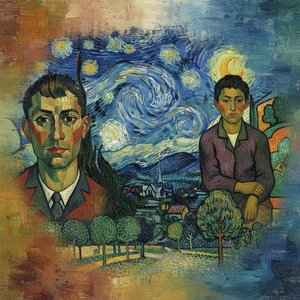
Beyond Impressionism: Exploring Emotional Depth & Formal Innovation in Post-Impressionist Art
Explore the profound emotional depth & formal innovations of Post-Impressionism with our expert guide. Discover Cézanne, Van Gogh, Gauguin & more. Learn about art history, collecting, and investing in this pivotal movement.

I 10 Capolavori Post-Impressionisti che Hanno Rivoluzionato l'Arte e la Decorazione d'Interni
Esplora i 10 capolavori del Post-Impressionismo con Van Gogh, Monet e Cézanne. Scopri le storie dietro questi dipinti iconici e lasciati ispirare per la tua decorazione d'interni. Stampe su tela di alta qualità su !

Impressionismo: I 10 Capolavori che Rivoluzionarono la Pittura | OriginalUniqueArt
Esplora i 10 capolavori dell'Impressionismo con OriginalUniqueArt. Scopri Monet, Renoir e Degas: storia, tecnica e colori che hanno rivoluzionato l'arte. Stampe di alta qualità per la tua casa! Esplora la collezione online.