

 Anteprima in scala reale
 Condividi
 Condividi
 Dettagli
 Guida stampabile

 Scarica
 Articoli simili
 Radiografia
 Slideshow
 Statistiche
Japanese Children


 Leggi tutto
L'opera d'arte visualizzata in questa pagina è protetta dalle leggi sul diritto d'autore, il che significa che non possiamo legalmente creare o vendere una riproduzione identica. Tale protezione è garantita da accordi internazionali quali la Convenzione di Berna e dalle leggi nazionali, incluse quelle stabilite da Legge sul copyright degli Stati Uniti - Titolo 17. Tutti i diritti riservati. Le immagini presenti su questo sito sono protette da copyright e non possono essere riprodotte o utilizzate senza l'autorizzazione scritta di WahooArt.com o dei rispettivi proprietari del copyright.
Questo metodo è pienamente conforme alle normative sul diritto d'autore poiché non prevede la copia o la duplicazione dell'opera protetta. Si tratta invece di una rielaborazione creativa: un nuovo dipinto che trae ispirazione dall'originale, senza tuttavia esserne identico.
Giclée / Stampe d'arte
Stampa giclée o su tela di qualità museale, con produzione rapida e diverse opzioni di finitura. ( Ordina la riproduzione dipinta a mano Passa all'immagine digitale)




P118B €10

P118H €10

P118W €10

P438Z €10

P508JH €12

P508YH €12

P805H €10

P805Z €10

P919BZ €10

P919G €10

P919XJ €10

P959ZH €10

P968JZ €12

W106C €8

W218G €10

W218JH €8

W218Y €10

W307PJ €10

W316G €10

W316PJ €8

W316Y €10

W398PJ €8

W4111J €10

W500HY €15

W500JH €15

W692G €12

W849H €8

W940BG €15

W953PJ €8




Scegli tra le nostre dimensioni predefinite, che rispettano le proporzioni originali dell'opera d'arte.

È possibile inserire dimensioni personalizzate per adattare l'opera a una cornice o a uno spazio specifico. Se la dimensione selezionata non corrisponde alle proporzioni dell'immagine originale, procederemo al ritaglio dell'opera o all'estensione dell'immagine con un bordo specchiato o a tinta unita. Un mockup digitale ti verrà inviato per approvazione prima dell'inizio della produzione.
Si prega di notare che l'anteprima a schermo non riflette il ritaglio o l'estensione effettivi. Solo il mockup mostrerà accuratamente la composizione finale.
Sebbene siano disponibili dimensioni personalizzate, si raccomanda di selezionare una dimensione dall'elenco predefinito per preservare le proporzioni originali.
Consegna in tutto il mondo () in 2 settimane invece delle normali 4/5 settimane. (7 Ottobre)

Spedizione espressa gratuita in tutto il mondo

Tela in lino di alta qualità

Assicurazione completa sulla spedizione

Garanzia di rimborso dei dazi doganali

Garanzia di perfetta fedeltà cromatica

Politica di reso entro 100 giorni (solo per difetti di fabbricazione)

Garanzia di rimborso al 100%

Sconto per acquisti multipli
 L'opzione vetro è disponibile solo per dimensioni inferiori a 110 cm

Japanese Children
Giclée / Stampe d'arte
Dimensioni della riproduzione
-


Prezzo totale
€ 69
Biografia dell'artista
Un obiettivo tra realtà e mito: la vita di Patrick Nagatani
La vita di Patrick Nagatani ebbe inizio sotto l'opprimente ombra storica della devastazione nucleare. Nato il 19 agosto 1945 a Chicago, il suo arrivo avvenne appena dieci giorni dopo il bombardamento atomico di Nagasaki, una coincidenza temporale che avrebbe per sempre colorato la sua coscienza artistica. In quanto Sansei, Nagatani portava con sé l'eredità profonda dell'esperienza giapplo-americana, in particolare i ricordi della deportazione forzata e dei campi di internamento che avevano rimodellato la sua comunità. Trasferitosi a Los Angeles nel 1955, crebbe nel vibrante distretto di Crenshaw, un'area che fungeva da cuore pulsante culturale per i giapponesi d'America. Questa educazione, radicata sia nella resilienza delle sue origini sia nello spettro minaccioso della storia nucleare, fornì le fondamenta emotive per una carriera definita dalla tensione tra ciò che è visibile e ciò che è immaginato.
Il percorso di Nagatani, da disciplinato studente-atleta alla Dorsey High School a fotografo visionario, fu tracciato da un rigoroso impegno accademico nelle arti. La sua formazione formale alla Cal State L.A. e il successivo Master of Fine Arts presso la UCLA lo misero sotto la guida di figure influenti come Robert Heinecken e Judith Golden. Questi educatori incoraggiarono un allontanamento dalle convenzioni fotografiche tradizionali, spingendolo verso l'esperimento e un'interrogazione critica del mezzo espressivo. Prima di immergersi pienamente nel mondo della fine art, lo spirito creativo di Nagatani trovò espressione nella cinematografia e nella modellazione di effetti speciali, competenze che sarebbero poi diventate indispensabili per il suo stile distintivo, caratterizzato da una messa in scena teatrale e una composizione meticolosa.
L'arte delle verità messe in scena
La pratica fotografica di Nagati era molto più di una semplice documentazione; era una deliberata costruzione cinematografica della realtà. Egli possedeva un'abilità singolare nel fondere la precisione del documentario sociale con il surrealismo della narrazione mitica. La sua opera fungeva spesso da ponte tra le lotte tangibili dell'identità e dello spostamento e un regno fantastico e onirico. In opere come Japanese Children, utilizzò immagini surreali — come un grande pesce con un volto dipinto che si protende verso il cielo — per esplorare temi profondi di identità culturale attraverso una lente di incanto. Questa tecnica gli permise di confrontarsi con verità storiche scomode, come il trauma dell'internamento, avvolgendole in strati di metafora e teatralità.
La maestria tecnica evidente nel suo lavoro si basava spesso su un uso sofisticato di luce, ombra e consistenza. Che stesse catturando l'anima antica e logora di un reperto storico come la Star of Hope badge o costruendo elaborate scene messe in scena, l'occhio di Nagatani per il dettaglio era impareggiabile. La sua capacità di manipolare la percezione dello spettatore attraverso ambienti accuratamente curati trasformava ogni fotografia in una finestra su un altro tempo o una dimensione differente. Questa dualità — la capacità di essere al contempo testimone della storia e architetto dell'immaginazione — è ciò che definisce il suo contributo duraturo alla fotografia contemporanea.
Eredità e significato storico
Nel corso della sua carriera, l'opera di Nagati ottenne riconoscimento internazionale, con mostre che spaziavano dai Paesi Bassi a New York. Le sue esposizioni personali, come Nuclear Enchantment e la serie Chromatherapy, mostrarono la sua evolutiva fascinazione per l'intersezione tra luce, colore e memoria. Al di fuori delle pareti delle gallerie, la sua influenza si estese all'ambito accademico, dove condivise la sua competenza come educatore alla Loyola Marymount University e all'Università del New Mexico, guidando una nuova generazione di artisti nelle sfumature della narrazione visiva.
Il significato di Patrick Nagati risiede nel suo rifiuto di separare il politico dal poetico. Egli non si limitò a registrare la storia dell'esperienza giapplo-americana; la reinventò, dando voce agli sradicati e ai dimenticati attraverso un mezzo che appariva allo stesso tempo antico e d'avanguardia. La sua morte nel 2017 ad Albuquerque segnò la fine di un profondo viaggio creativo, eppure la sua opera rimane una testimonianza vitale del potere della fotografia nell'agire sia come specchio delle nostre storie più oscure, sia come portale verso i nostri sogni più belli.

Patrick Nagatani
1945 - 2017 , Stati Uniti d'America
Informazioni rapide
- Artistic Movement Or Style: Staged Photography
- Artists Or Movements Influenced By This Artist: ['Hiroshige']
- Artists Who Influenced This Artist: ['Robert Heinecken']
- Date Of Birth: August 19, 1945
- Date Of Death: October 27, 2017
- Full Name: Patrick Nagatani
- Nationality: American
- Notable Artworks:
- Japanese Children
- Fin de Siecle, Bat Flight Amphitheater
- Place Of Birth: Chicago, United States
Articoli correlati
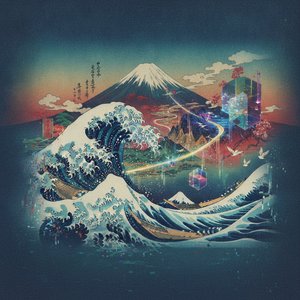
Beyond the Great Wave: The High-Impact Visual Revolution of Japanese Landscape Art
Go beyond Hokusai's Great Wave. Explore the high-impact, graphic world of Japanese Ukiyo-e landscapes and urban prints. Discover how these bold, vibrant woodblock masterpieces continue to shape modern pop culture and contemporary design aesthetics.
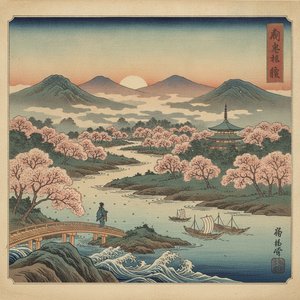
Zen on Canvas: The Timeless Artistry and Spiritual Depth of Japanese Landscape Painting
Explore the profound beauty of Japanese landscape painting. From Hokusai's iconic vistas to Zen-inspired compositions, discover the spiritual depth and historical mastery of Ukiyo-e art in this expert cultural retrospective.

Katsushika Hokusai: Le 25 Opere Più Iconiche per Amare l'Arte Giapponese
Esplora le 25 opere più iconiche di Katsushika Hokusai, maestro dell'ukiyo-e. Scopri la storia dietro 'La Grande Onda', il Monte Fuji e altre stampe giapponesi senza tempo. Trova riproduzioni d'arte di alta qualità per decorare la tua casa su OriginalUniqueArt.com.

Timeless Elegance: Capturing the Spirit of Japanese Culture Through the Lens of Ukiyo-e Fine Art
Explore the profound beauty of Japanese Ukiyo-e art. Discover the legacy of Hokusai and the Utagawa school through an expert exploration of Edo-period aesthetics, seasonal motifs, and the enduring global influence of Japan's 'Floating World' on fine art history.

Floating Worlds: The Captivating Magic and Timeless Legacy of Japanese Ukiyo-e Art
Explore the ephemeral beauty of Japanese Ukiyo-e art. From the dynamic warriors of Kuniyoshi to serene landscapes, discover the profound history, masterful techniques, and global influence of these iconic woodblock prints in our deep cultural retrospective.