Anteprima in scala reale
 Condividi
 Condividi
 Dettagli

 Scarica
 Articoli simili
 Radiografia
 Slideshow
 Statistiche
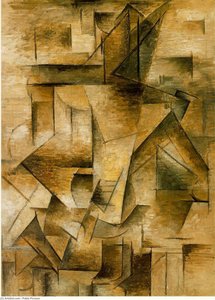
Nudo Seduto


 Leggi tutto
Riproduzione a olio fatta a mano
Olio su tela dipinto a mano nelle tue dimensioni e con la tua cornice, realizzato su ordinazione dai nostri artisti. ( Passa alle stampe Passa all'immagine digitale)




P118B $10

P118H $10

P118W $10

P438Z $10

P508JH $12

P508YH $12

P805H $10

P805Z $10

P919BZ $10

P919G $10

P919XJ $10

P959ZH $10

P968JZ $12

W106C $8

W218G $10

W218JH $8

W218Y $10

W307PJ $10

W316G $10

W316PJ $8

W316Y $10

W398PJ $8

W4111J $10

W500HY $15

W500JH $15

W692G $12

W849H $8

W940BG $15

W953PJ $8




Scegli tra le nostre dimensioni predefinite, che rispettano le proporzioni originali dell'opera d'arte.

È possibile inserire dimensioni personalizzate per adattare l'opera a una cornice o a uno spazio specifico. Se la dimensione selezionata non corrisponde alle proporzioni dell'immagine originale, provvederemo a ritagliare l'opera o a estendere il dipinto con elementi aggiuntivi dipinti a mano. Un mockup digitale ti sarà inviato per approvazione prima dell'inizio della produzione.
Si prega di notare che l'anteprima a schermo non riflette il ritaglio o l'estensione effettivi. Solo il mockup mostrerà accuratamente la composizione finale.
Sebbene siano disponibili dimensioni personalizzate, consigliamo di selezionare una dimensione dall'elenco predefinito per preservare le proporzioni originali.
Dopo l'ordine, il team di OriginalUniqueArt.com contatterà il cliente via e-mail per ricevere le istruzioni e fornirà un'anteprima del mockup
Consegna in tutto il mondo () in 3/4 settimane anziché nelle normali 5 settimane. (12 Settembre). Nessun compromesso sulla qualità.

Spedizione espressa gratuita in tutto il mondo

Tela in lino di alta qualità

Assicurazione completa sulla spedizione

Garanzia di rimborso dei dazi doganali

Garanzia di perfetta fedeltà cromatica

Politica di reso entro 100 giorni (solo per difetti di fabbricazione)

Garanzia di rimborso al 100%

Sconto per acquisti multipli
 L'opzione vetro è disponibile solo per dimensioni inferiori a 110 cm

Nudo Seduto
Tecnica di riproduzione
Dimensioni della riproduzione
-


Prezzo totale
$ 300
A Pivotal Moment in Modern Art: Exploring Picasso’s 1910 “Seated Nude”
This striking work by Pablo Picasso, painted in 1910, represents a crucial juncture in the artist's revolutionary development towards Cubism. More than simply a depiction of the human form, it embodies a deliberate departure from traditional representation and an embrace of fragmented perspectives – a visual manifesto signaling the dawn of modern art.
Deconstructing Form: Style & Technique
The painting features a female nude seated on a chair, her hands clasped delicately before her face in a gesture that simultaneously conveys introspection and vulnerability. A simple necklace provides a subtle focal point within the evolving abstraction. Picasso doesn’t offer conventional beauty; instead, he begins to deconstruct the figure, subtly shifting planes and angles. To the right, another partially obscured figure hints at spatial complexity. A bowl in the lower left anchors the composition, contributing to an intimate, observed atmosphere.
Executed with a limited palette of black and white, Picasso emphasizes form over color, intensifying the intellectual engagement with the subject matter. The brushwork is deliberate yet varied – areas are smoothly blended while others retain visible strokes, adding texture and depth. This technique underscores the painting’s exploration of perception and representation.
Proto-Cubism & Influences
Painted during Picasso's “proto-Cubist” period (roughly 1907-1912), this work marks a clear break from Post-Impressionism. This phase is characterized by simplification and geometricization of form, heavily influenced by Paul Cézanne’s emphasis on underlying geometric structures in nature. Picasso wasn't merely copying what he saw; he was analyzing it, breaking it down into its constituent parts, and reassembling them on the canvas.
1910 was a particularly fertile year for Picasso. His engagement with African sculpture further encouraged him to move away from realistic representation towards more abstracted forms. This exploration of non-Western art profoundly impacted the development of Cubism, challenging conventional Western artistic traditions.
Symbolism & Emotional Resonance
The clasped hands before the face are often interpreted as a symbol of self-reflection or perhaps even a veiled expression of anxiety. The fragmented form doesn’t diminish the figure's humanity; rather, it invites viewers to consider multiple perspectives simultaneously. It isn’t about seeing a nude woman, but about experiencing her presence in a new and intellectually stimulating way.
The painting evokes a sense of quiet contemplation and psychological depth. The austerity of the palette and composition focuses attention on the underlying structure and emotional weight of the subject matter.
Display & Interior Design Considerations
- Setting: A minimalist space with neutral tones will allow the painting’s subtle complexities to shine. Avoid overly busy backgrounds that might distract from its impact.
- Lighting: Soft, diffused lighting is ideal to avoid harsh shadows and highlight the nuances of the black and white composition. Consider directional lighting to emphasize texture.
- Companion Pieces: Pair this work with other examples of proto-Cubist paintings or drawings by Picasso, or works by Cézanne that demonstrate similar explorations of form. Abstract sculptures can also complement its aesthetic.
- Framing: A simple, elegant frame in a dark wood or metal will complement the painting without overpowering it. Consider a floating frame for a contemporary look.
Owning a reproduction of Seated Nude is an investment in artistic legacy – a testament to the power of innovation and the enduring influence of Pablo Picasso, bringing a touch of modern art history into your space.
Photo Description: --Overall Impression-- The image presents a photograph of Pablo Picasso's "Seated Nude," painted in 1910. It’s a black and white composition depicting a seated female figure with a fragmented, Cubist style. The subject is rendered through geometric shapes and planes, breaking down the traditional representation of the human form. --Composition-- The painting features a central figure of a woman seated on a chair. Her hands are clasped before her face, creating a sense of introspection or vulnerability. To the right, another partially obscured figure suggests spatial complexity. A bowl is positioned in the lower left corner, anchoring the composition and contributing to an intimate atmosphere. The overall arrangement feels deliberate and structured. --Color Palette-- The artwork utilizes a limited palette of black and white, emphasizing form over color. Shades of grey are prevalent throughout the image, creating tonal variations and depth. --Use of Lines & Shapes-- Sharp, angular lines dominate the composition, defining the fragmented planes that make up the figure and surrounding objects. Geometric shapes – triangles, rectangles, and trapezoids – are used to deconstruct and reassemble the subject matter. The lines are not smooth or flowing; instead, they create a sense of dynamism and visual tension. --Textures-- While primarily monochromatic, variations in brushwork contribute to textural interest. Some areas appear smoothly blended, while others retain visible strokes, adding depth and dimension. --Lighting-- The lighting appears diffused and even, without strong highlights or shadows. This contributes to the painting’s overall sense of quiet contemplation. --Perspective & Depth-- Traditional perspective is abandoned in favor of multiple viewpoints presented simultaneously, a hallmark of Cubism. Depth is created through overlapping planes and tonal variations rather than linear recession. --Subject Matter-- The primary subject is a seated nude female figure, depicted in a fragmented and abstracted style. Secondary elements include a chair, a necklace, another partially visible figure, and a bowl. --Symbolic/Emotional Elements-- The clasped hands before the face suggest introspection or anxiety. The fragmentation of the form invites viewers to consider multiple perspectives simultaneously, challenging conventional notions of representation. --Style & Technique-- The painting exemplifies Picasso’s proto-Cubist style, characterized by simplification, geometricization, and a departure from realistic representation. The technique involves breaking down forms into their constituent parts and reassembling them on the canvas. --Materials Used-- Based on the description, the artwork was likely executed using oil paints on canvas. Size: Unknown Date: 1910Biografia dell'artista
Pablo Picasso: Un Artista Rivoluzionario
Primi Anni di Vita e Formazione (1881-1904)
- Nato il 25 ottobre 1881 a Málaga, in Spagna, Pablo Ruiz y Picasso dimostrò un talento artistico fin da piccolissimo.
- Suo padre, José Ruiz y Blasco, era un insegnante d'arte che gli fornì una formazione precoce. Si dice che le prime parole di Picasso fossero “piz, piz” – cercando di dire ‘matita’.
- Picasso superò rapidamente le capacità del suo padre, mostrando un’abilità notevole nelle rappresentazioni naturalistiche.
- La famiglia si trasferì a A Coruña e successivamente a Barcellona dopo la tragica perdita della sorella di Picasso.
- A Barcellona, frequentò la Scuola d'Arti Visive ma spesso entrò in conflitto con le istruzioni accademiche tradizionali. Studiò brevemente alla Royal Academy of San Fernando a Madrid, trovandola soffocante e preferendo studiare i maestri come Velázquez e Goya in modo indipendente.
Il Periodo Blu e Rosa (1901-1906)
- Il Periodo Blu (circa 1901-1904) è caratterizzato da dipinti malinconici dominati da sfumature di blu e verde acqua.
- Questi lavori raffigurano spesso figure emarginate – mendicanti, ciechi, prostitute – riflettendo malinconia e commento sociale. Esempi chiave includono La Vie (1903) e L'Oldista (1903-1904).
- Successivamente, il Periodo Rosa (1904-1906) emerse con tonalità più calde – rosa, arancione e rosso.
- Questo periodo riflette una prospettiva più ottimista, spesso ritraendo artisti di circo, harlequini e acrobati. Famiglia dei Saltimbanchi (1905) ne è un esempio.
Gli Anni Rivoluzionari: Cubismo e Oltre (1907-1919)
- Il 1907 ha segnato un momento cruciale con Les Demoiselles d'Avignon, influenzato dalla scultura iberica e dalle maschere africane. Questo dipinto infranse la prospettiva tradizionale, aprendo la strada al Cubismo.
- Lavorando a stretto contatto con Georges Braque, Picasso co-fondò il Cubismo, trasformando radicalmente il modo in cui gli artisti rappresentavano la realtà.
- Cubismo Analitico (1909-1912) presentava forme frammentate, colori tenui e una dissezione degli oggetti in forme geometriche.
- Cubismo Sintetico (1912-1919) incorporava elementi di collage – ritagli di giornale, stracci – per creare superfici testurizzate e nuovi livelli visivi.
Neoclassicismo e Surrealismo (Anni '20 - Anni '30)
- Gli anni '20 hanno visto Picasso esplorare stili neoclassici con figure monumentali che enfatizzavano le forme classiche.
- Ha anche interagito con il movimento surrealista, pur non allineandosi pienamente ai suoi principi. La sua opera ha combinato stili precedenti con immagini surrealiste e prospettive distorte.
Anni Successivi e Eredità (1940-1973)
- Durante la Seconda Guerra Mondiale, Picasso è rimasto in Francia, producendo dichiarazioni anti-guerra potenti come Guernica (1937), una risposta viscera al bombardamento di Guernica durante la guerra civile spagnola.
- Guernica è diventata un simbolo duraturo degli orrori della guerra e rimane uno dei suoi lavori più celebrati.
- Nel corso degli anni '50 e '60, Picasso ha continuato a sperimentare con vari mezzi – ceramiche, sculture, stampe – dimostrando una versatilità notevole.
- Si è sposato con Jacqueline Roque nel 1961. È morto il 8 aprile 1973 a Mougins, in Francia.
Influenze e Significato Storico
- Lo sviluppo artistico di Picasso fu plasmato da maestri spagnoli come Velázquez e Goya, dalla scultura iberica, dall'arte africana e da Henri Matisse.
- Il suo impatto sull'arte del XX secolo è incommensurabile. Ha co-fondato il Cubismo, ha pionieristicamente utilizzato collage e sculture costruite e ha costantemente sfidato le convenzioni artistiche.
- L'incessante sperimentazione di Picasso ha ridefinito l'arte moderna e continua a ispirare gli artisti oggi.
- La sua produzione prolifica – stimata in oltre 50.000 opere – consolida la sua posizione come uno degli artisti più importanti e influenti della storia.

Pablo Picasso
1881 - 1973 , Spagna
Informazioni rapide
- Artisti Che Hanno Influenzato Questo Artista:
- Velázquez
- Goya
- Henri Matisse
- Data Di Morte: 8 aprile 1973
- Data Di Nascita: 25 ottobre 1881
- Luogo Di Nascita: Malaga, Spagna
- Movimento Artistico: Cubismo, Surrealismo
- Nazionalità: Spagnola
- Nome Completo: Pablo Ruiz y Picasso
- Opere Notevoli:
- Les Demoiselles d'Avignon
- Guernica
- La Vie
- L'Oldista
- Famiglia dei Saltimbanchi
Articoli correlati
Cubismo Espressivo: 10 Capolavori che Hanno Definito un Movimento Artistico Rivoluzionario
Esplora i 10 capolavori del Cubismo Espressivo con OriginalUniqueArt.com! Scopri Picasso, Braque e Gris, la storia di questo rivoluzionario movimento artistico e lasciati ispirare per decorare casa con arte di alta qualità. Esplora la collezione online!

I 10 Dipinti Più Famosi Dominati dal Nero: Maestri e Storie d'Arte
Esplora i 10 dipinti più iconici dominati dal nero, da Caravaggio a Munch. Scopri storie, tecniche e il potere espressivo di artisti come Rembrandt e Goya. Trova stampe d'arte di alta qualità per la tua casa su .
Cubismo: I 10 Capolavori Che Hanno Rivoluzionato l'Arte Moderna | OriginalUniqueArt
Esplora i 10 capolavori del Cubismo con OriginalUniqueArt. Scopri Picasso, Braque e Gris e la rivoluzione artistica delle forme geometriche e dei colori audaci. Quadri iconici per decorare casa con stile! Esplora la collezione online.
I 10 Capolavori Cubisti che Hanno Rivoluzionato il Ritratto | OriginalUniqueArt
Esplora i 10 capolavori cubisti che hanno rivoluzionato il ritratto! Scopri Picasso, Braque e Gris e la storia di questo movimento artistico. Trova riproduzioni d'arte di alta qualità per decorare casa con stile su OriginalUniqueArt.com.
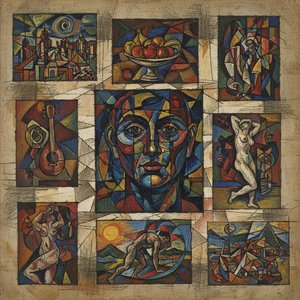
Cubismo Espressionista: 10 Capolavori che Hanno Definito un Movimento Artistico Rivoluzionario
Esplora i 10 capolavori che hanno rivoluzionato l'arte con il Cubismo Espressionista! Scopri Picasso, Braque e altri maestri. Quadri famosi, tecniche innovative e colori audaci ti aspettano su OriginalUniqueArt.com. Trova la tua prossima opera d'arte!