

 Anteprima in scala reale
 Condividi
 Condividi
 Dettagli

 Scarica
 Articoli simili
 Radiografia
 Slideshow
 Statistiche
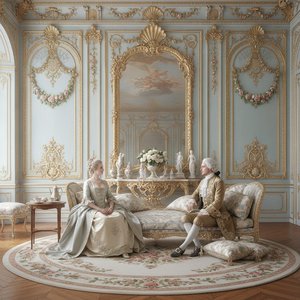
Gossip on the Stairs


 Leggi tutto
Giclée / Stampe d'arte
Stampa giclée o su tela di qualità museale, con produzione rapida e diverse opzioni di finitura. ( Ordina la riproduzione dipinta a mano Passa all'immagine digitale)




































Scegli tra le nostre dimensioni predefinite, che rispettano le proporzioni originali dell'opera d'arte.

È possibile inserire dimensioni personalizzate per adattare l'opera a una cornice o a uno spazio specifico. Se la dimensione selezionata non corrisponde alle proporzioni dell'immagine originale, procederemo al ritaglio dell'opera o all'estensione dell'immagine con un bordo specchiato o a tinta unita. Un mockup digitale ti verrà inviato per approvazione prima dell'inizio della produzione.
Si prega di notare che l'anteprima a schermo non riflette il ritaglio o l'estensione effettivi. Solo il mockup mostrerà accuratamente la composizione finale.
Sebbene siano disponibili dimensioni personalizzate, si raccomanda di selezionare una dimensione dall'elenco predefinito per preservare le proporzioni originali.
Consegna in tutto il mondo () in 2 settimane invece delle normali 4/5 settimane. (16 Settembre)

Spedizione espressa gratuita in tutto il mondo

Tela in lino di alta qualità

Assicurazione completa sulla spedizione

Garanzia di rimborso dei dazi doganali

Garanzia di perfetta fedeltà cromatica

Politica di reso entro 100 giorni (solo per difetti di fabbricazione)

Garanzia di rimborso al 100%

Sconto per acquisti multipli
 L'opzione vetro è disponibile solo per dimensioni inferiori a 110 cm

Gossip on the Stairs
Giclée / Stampe d'arte
Dimensioni della riproduzione
-


Prezzo totale
$ 80
Biografia dell'artista
The Elegance of an Era: The Life and Art of Otto Erdmann
In the golden twilight of the nineteenth century, as the industrial world began its rapid, soot-stained ascent, there existed a profound longing for the vanished splendor of the past. It was within this cultural tension that Otto Erdmann (1834–1905) carved his legacy, acting as a master weaver of nostalgia. Born in Leipzig to the chemist Otto Linné Erdmann, the artist inherited a sense of scientific precision that would later manifest in the meticulous textures of his brushwork. His journey through the prestigious academies of Leipzig, Dresden, and Munich allowed him to absorb the finest traditions of German genre painting, yet it was his encounter with the works of Ludwig von Hagn that truly ignited his passion for the Rococo Revival.
Erdmann’s artistic soul found its true home in Düsseldorf, a city then pulsating with creative energy. Settling there in 1858, he became a cornerstone of the illustrious Malkasten artists' association, serving on its board and contributing to a community that bridged the gap between classical tradition and modern observation. His work did not merely depict scenes; it resurrected an entire atmosphere of courtly grace. Through his eyes, the viewer is transported into opulent salons and sun-drenched corridors where the light dances across silk gowns and gilded ornaments, capturing a world of aristocratic leisure that felt both intimately real and dreamily distant.
A Mastery of Light and Rococo Revival
The brilliance of Erdmann’s technique lies in his ability to balance the decorative flourishes of the Rococo style with a profound sense of realism. He did not simply mimic the ornamentation of Louis XIV’s France; he reinterpreted it through a nineteenth-century lens, infusing his compositions with a psychological depth that elevated them above mere decoration. His paintings, such as the captivating Gossip on the Stairs, serve as windows into a highly choreographed social dance. Every fold of fabric, every glint of light on a porcelain tea service, and every subtle glance between figures is rendered with an almost tactile clarity.
This dedication to detail extended beyond the canvas into the realm of illustration, where his ability to capture character and atmosphere made him a sought-after talent for scholarly and high-society publications. His contributions to the Belgian journal L'Illustration Européenne in 1870 demonstrate his versatility as a visual storyteller. Whether he was documenting the intricate patterns of a ballroom or the quiet dignity of an interior scene, Erdmann possessed a unique gift for finding the extraordinary within the elegant.
Legacy and Historical Significance
While some might view the Rococo Revival as a retreat from the pressing realities of the late nineteenth century, Erdmann’s work represents something much more complex: a sophisticated preservation of cultural heritage. He was an artist who understood that beauty is a vital component of the human experience, even when it feels like a memory. His life was a tapestry of diverse interests, ranging from his involvement in theatrical performances to his recognition with the prestigious Order of the Red Eagle in 1898.
Today, the significance of Otto Erdmann resides in his role as a chronicler of an idealized European elegance. His paintings remain enduring testaments to a period of transition, offering a serene refuge of color and light. To study his oeuvre is to witness a master at work, navigating the delicate boundary between historical homage and personal artistic expression, ensuring that the charm of the aristocratic past would never truly fade from the collective memory of the art world.

otto erdmann
1834 - 1905
Informazioni rapide
- Artistic Movement Or Style: Rococo Revival
- Artists Or Movements Influenced By This Artist: ['American Modernism']
- Artists Who Influenced This Artist: ['Ludwig von Hagen']
- Date Of Birth: 1834
- Date Of Death: 1905
- Full Name: Otto Erdmann
- Nationality: German
- Notable Artworks:
- Gossip on the Stairs
- Interior Scene
- Place Of Birth: Germany
Articoli correlati

Il XIX Secolo nell'Arte: 10 Capolavori da Ammirare e Riscoprire
Esplora i 10 capolavori del XIX secolo! Da Manet a Klimt, scopri la storia e l'arte di dipinti iconici. Impressionismo, realismo e romanticismo ti aspettano su OriginalUniqueArt.com. Scopri tutta la collezione online.

The Elegance of Rococo: A Journey Through Pastel Dreams and Ornate Splendor
Embark on an elegant journey through the Rococo era. Discover the delicate beauty of pastel masterpieces, the intricate artistry of 18th-century French masters, and how this era of ornate splendor continues to inspire timeless luxury in fine art collecting.

I 10 Capolavori Rococò che Hanno Definito un'Epoca | Arte e Decorazioni di Lusso
Esplora i 10 capolavori del Rococò con ! Scopri Fragonard, Boucher e Tiepolo e lasciati ispirare da colori pastello e decorazioni di lusso. Quadri antichi e riproduzioni d'arte per interni eleganti. Esplora la collezione online!

The Rococo Aesthetic: Opulence, Rebellion & the Pursuit of Pleasure in 18th-Century Art
Explore the opulent world of Rococo art! Discover its origins, key artists like Watteau & Boucher, and lasting influence on design. Expert insights for collectors & enthusiasts.
Rococo Art Guide: Elegance, Ornamentation, and the Era of Luxury
Explore the elegance of Rococo art. From Watteau to Fragonard, discover the history, aesthetics, and masters of 18th-century luxury in this expert guide for art lovers and collectors.