 Espandi i dettagli


 Per opere d'arte o riproduzioni con un lato superiore a 105 cm (circa 41 pollici), la cornice verrà spedita in forma di kit smontato. Questo metodo garantisce una consegna sicura e previene danni durante il trasporto.


Maggiori informazioni su questo dipinto
Dimensione testo

() ·
Un dipinto creato per te, a mano
Riproduzione a olio fatta a mano
Olio su tela dipinto a mano nelle tue dimensioni e con la tua cornice, realizzato su ordinazione dai nostri artisti. ( Passa alle stampe Passa all'immagine digitale)
Biografia dell'artista
Scopri Orcagna, pittore e scultore italiano (ca. 1308-1368). Maestro di Firenze, celebre per i mosaici di Orvieto. Esplora la sua eredità!
da ·
Capitolo 1
Di che dimensioni dovrebbe essere?
Scorri per cambiare la dimensione; l'immagine a sinistra mostra la cornice nella sua larghezza reale. Le proporzioni dell'originale vengono mantenute.
Formato standard
su misura
CM
INCH
Scegli tra le nostre dimensioni predefinite, che rispettano le proporzioni originali dell'opera d'arte.
Caricamento dimensioni...

larghezza
altezza
Inserisci la larghezza e l'altezza desiderate, per adattarle alla tua cornice o alla tua parete. Trattandosi di un'opera dipinta a mano, in caso di dimensioni con un formato differente, l'artista può estendere leggermente il dipinto oltre i bordi dell'immagine o ritagliare una piccola parte — la scelta spetta a te. Ti invieremo un mockup digitale da approvare prima che la realizzazione abbia inizio. L'immagine mostrata in questa pagina non rappresenta il risultato finale — solo il mockup lo fa.
Capitolo 2
Come desideri che venga consegnato?
Scegli il tipo di bordo per la tela tesa
Scegli la tua cornice

Bianco €1

Bordi sfumati €1

Bordi estesi €1

P118B €10

P118H €10

P118W €10

P438Z €10

P508JH €12

P508YH €12

P805H €10

P805Z €10

P919BZ €10

P919G €10

P919XJ €10

P959ZH €10

P968JZ €12

W106C €8

W218G €10

W218JH €8

W218Y €10

W307PJ €10

W316G €10

W316PJ €8

W316Y €10

W398PJ €8

W4111J €10

W500HY €15

W500JH €15

W692G €12

W849H €8

W940BG €15

W953PJ €8

H24-GOLD €30

H24-SILVER €30

H36-GOLD €45

H36-SILVER €45
Con cornice
Cornice: . Dimensioni complessive con cornice: .
Capitolo 3
Chi lo dipinge, e dovrebbe cambiare qualcosa?
Esempi di ciò che può essere modificato: Sostituire il volto con la foto del cliente; Aggiungere un animale domestico (ad es. sostituire il gatto con un cane); Inserire un messaggio nascosto nello sfondo; Cambiare il paesaggio o gli elementi dello sfondo.
Dopo l'ordine, il team di OriginalUniqueArt.com invierà un'e-mail al cliente per le istruzioni e fornirà un'anteprima del mockup
Dopo l'ordine, il team di OriginalUniqueArt.com invierà un'e-mail al cliente per le istruzioni e fornirà un'anteprima del mockup
Consegna in tutto il mondo () in 3/4 settimane anziché nelle normali 5 settimane. (18 Novembre). Nessun compromesso sulla qualità.
Capitolo 4
Le ultime rifiniture
Una targhetta, come quella di un museo?
Dettagli della targhetta in bronzo inciso
This elegant plaque features the artist's name and the title of the artwork, finely engraved for a timeless presentation.
It is made from bronze with a refined, elegant finish. The text is precisely laser-engraved for a sharp and permanent result. Measuring 9x2 cm, the plaque is compact yet easy to read. It's built to be durable and scratch-resistant, offering a professional, museum-quality look. Mounting is simple thanks to the included adhesive backing.
Dettagli della targhetta in acrilico trasparente
The plaque includes essential engraved details such as the artist's name, the title of the artwork, the date it was created, the type of media used-like oil on canvas or watercolor-a brief description of the piece, and a QR code that links to the complete artwork information.
It is crafted from clear acrylic, offering a sleek, modern appearance. The text is UV-engraved in black to ensure strong visual contrast. With a size of 10x15 cm, it ensures optimal readability. It comes equipped with two metal hooks for secure wall mounting. The plaque is designed to be weather-resistant, making it suitable for various environments, and it includes interactive features that work seamlessly with smartphone scanning.
Dettagli della targhetta in acrilico nero
This elegant plaque includes engraved information such as the artist's name, the title of the artwork, the date it was created, the type of media used (like oil on canvas or watercolor), a short description of the artwork, and a QR code for quick access to more information.
The plaque itself is made from refined black acrylic with a premium finish. The text is laser-engraved in white for high contrast and readability. Its size is 10x15 cm, designed to be easy to read. It comes with two metal hooks for professional mounting. The design is sleek and fits any interior style. It is also weather-resistant and durable, with built-in digital integration for mobile compatibility.
Una vernice protettiva?
Quando ti serve?
Capitolo 5
Il tuo dipinto, esattamente come lo hai ordinato
Hell (fragment)
Tecnica di riproduzione
Dimensioni riproduzione
-
Artisti di alto livello
Maggiore dettaglio, finezza e tempi di produzione dedicati
-
Cornice per riproduzione
-
-
Per opere d'arte o riproduzioni con un lato superiore a 105 cm (circa 41 pollici), la cornice verrà spedita in forma di kit smontato. Questo metodo garantisce una consegna sicura e previene danni durante il trasporto.
Montaggio professionale richiesto - non è un prodotto fai-da-te.
Il kit deve essere assemblato e la tela tesa da un esperto cornice professionista, utilizzando colla per legno (non inclusa), una pinza per tendere la tela e morsetti per mantenere i listelli in squadra durante l'asciugatura della colla. Un montaggio errato o una tensione non uniforme della tela possono danneggiare permanentemente l'opera d'arte e non sono coperti dalla nostra garanzia.
Tutte le barre in legno massello sono incluse, tagliate con precisione alle dimensioni corrette.
Da assemblare con le viti fornite e con la colla per legno per gli incastri degli angoli, che non è inclusa e dovrà essere reperita dal vostro corniceio.
Sono necessari strumenti professionali non inclusi: una pinza tendicanvas (tenditore) e dei morsetti per mantenere i listelli in squadra durante l'asciugatura della colla.
Importante:
Gli incastri d'angolo richiedono colla per legno, i listelli devono essere mantenuti in posizione con dei morsetti finché la colla non è completamente asciutta, e il tensionamento della tela sulla cornice assemblata richiede una pinza per tendere la tela. Nessuno di questi strumenti è incluso nel kit. Si prega di consultare un incorniciatore professionista esperto prima di ordinare questa misura.
Didascalia
-
-
Vernice protettiva
Vernice lucida (esalta i colori, protegge da luce e umidità)
-
Personalizza la mia opera
Esempi di personalizzazione: sostituire il volto con una foto del cliente; aggiungere un animale domestico (ad esempio, sostituire un gatto con un cane); inserire un messaggio nascosto nello sfondo; cambiare il paesaggio o gli elementi dello sfondo.
-
Consegna rapida
Consegna in tutto il mondo () in 3/4 settimane anziché nelle normali 5 settimane. (18 Novembre). Nessun compromesso sulla qualità.
-
Spedizione espressa
Spedizione in tutto il mondo () in 5 settimane. (25 Novembre).
Spedizione inclusa
Prezzo finale calcolato
€ 267
L'opzione vetro è disponibile solo per dimensioni inferiori a 110 cm
Incluso in ogni ordine
- Spedizione espressa gratuita in tutto il mondo
- Tela in lino di alta qualità
- Assicurazione completa sulla spedizione
- Garanzia di rimborso dei dazi doganali
- Garanzia di fedeltà cromatica assoluta
- Politica di reso entro 100 giorni (solo per difetti di fabbricazione)
- Garanzia di rimborso al 100%
- Offerta per acquisti multipli
 Anteprima in scala reale
 Invia
Invia Condividi
 Dettagli opera
 Guida
Guida

 Scarica
 Simili
 Radiografia
 Slideshow
 Domande e risposte
 Statistiche
In numeri
- 1345l'anno in cui è stata dipinta
- 29cornici tra cui scegliere
- dimensioni standard, nelle proprie proporzioni
- 5settimane per la realizzazione e la consegna
Informazioni sull'originale


Orcagna
1315 - 1368, Italia
Informazioni rapide su Orcagna
- Artistic Movement Or Style: Gotico-Tardo Gotico
- Artists Or Movements Influenced By This Artist:
- Jacopo di Cione
- Nardo di Cione
- Artists Who Influenced This Artist:
- Giotto
- Bernardo Daddi
- Date Of Birth: 1310
- Date Of Death: 1368
- Full Name: Andrea di Cione di Arcangelo
- Nationality: Italiano
- Notable Artworks:
- Trittico con la Vergine
- Espulsione del Duca di Atene
- Polittico Strozzi
- Mosaici di Orvieto
- Tabernacolo di Orsanmichele
- Place Of Birth: Firenze, Italia
Biografia dell'artista
Andrea di Cione: L'Architetto della Visione Fiorentina
Il nome Orcagna—un soprannome concesso dagli artigiani locali—racchiude una figura straordinaria nella storia dell'arte italiana: Andrea di Cione, pittore, scultore, architetto e maestro artigiano che dominò il panorama artistico di Firenze nella seconda metà del XIV secolo. Nato intorno al 1308 nel cuore pulsante della città, la vita di Orcagna fu indissolubilmente legata alla sua crescente ricchezza, alle intrigu politiche e alla fervente devozione religiosa, elementi che plasmarono profondamente il suo stile distintivo e la sua eredità duratura. La sua storia non è quella di un genio solitario, ma piuttosto una testimonianzione di arte collaborativa, pianificazione meticolosa e un impegno incrollabile sia verso la maestria tecnica che verso la potenza espressiva.
I primi anni di Orcagna rimangono avvolti in parte nel mistero, sebbene si creda che abbia appreso l'arte sotto il rinomato scultore Andrea Pisano. Questa esperienza formativa gli instillò un profondo apprezzamento per le forme classiche e una sofisticata comprensione dello spazio tridimensionale, qualità che si sarebbero manifestate più tardi nel suo monumentale tabernacolo marmoreo per Orsanmichele. Tuttavia, la traiettoria artistica di Orcagna si allontanò rapidamente da quella del suo maestro, sviluppando uno stile distintamente fiorentino caratterizzato da figure drammatiche, colori vibranti e un approccio innovativo alla composizione. Fu formalmente ammesso nella corporazione dei pittori nel 1343-44 e successivamente si unì alla corporazione dei maestri scalpellini nel 1352, dimostrando la sua versatilità e ambizione attraverso molteplici discipline artistiche.
La Grandezza di Orvieto: Maestro del Mosaico
Il suo traguardo più celebrato risiede senza dubbio nel suo contributo alla magnifica facciata della cattedrale di Orvieto. Commissionato nel 1358, questo progetto richiese un livello di abilità tecnica e visione artistica che spinse Orcagna ai limiti delle sue capacità. Egli supervisionò la creazione di un'estesa decorazione musiva, incluso uno splendido rosone—un capolello di design di ispirazione bizantina che esemplifica la lussuosità e l'intensità spirituale tipiche del periodo. I mosaici stessi sono caratterizzati da una tavolozza ricca, dettagli intricati e un potente impatto emotivo, riflettendo la maestria di Orcagna nella teoria del colore e la sua capacità di infondere ai soggetti religiosi un dramma palpabile.
La portata di questa impresa era immensa, richiedendo una pianificazione e una coordinazione meticolose. Il ruolo di Orcagna andò oltre la mera esecuzione; egli agì come consulente, guidando il lavoro di numerosi abili artigiani e assicurando che ogni elemento armonizzasse all'interno del disegno complessivo. I mosaici di Orvieto rimangono una testimonianza della sua abilità organizzativa e della sua capacità di sintetizzare diversi talenti artistici in un insieme coeso.
Il Trionfo Scultoreo: Il Tabernacolo di Orsanmichele
Forse l'eredità più duratura di Orcagna risiede nel monumentale tabernacolo in marmo che progettò e supervisionò per Orsanmichele, un'antica sala confraternale che oggi funge da galleria d'arte pubblica. Completato tra il 1352 e il 1359, questo prodigio architettonico è un'opera complessa e ambiziosa che mette in mostra l'eccezionale abilità di Orcagna come architetto e scultore. L'intricata facciata del tabernacolo è adornata da una moltitudine di figure scolpite—una vera enciclopedia di narrazioni bibliche, simboli allegorici e motivi classici. Ogni figura è resa con straordinario dettaglio e forza espressiva, riflettendo la profonda conoscenza dell'anatomia umana da parte di Orcagna e la sua capacità di trasmettere emozioni complesse attraverso il gesto e l'espressione.
Il design del tabernacolo incorpora un sofisticato sistema di archi, volte e nicchie, creando un dinamico gioco di luci e ombre. L'uso del colore—in particolare le tonalità vibranti del marmo intarsiato—ne esalta ulteriormente l'impatto visivo. Il lavoro di Orcagna su Orsanmichele dimostra la sua maestria sia nella forma architettonica che nella tecnica scultorea, consolidando la sua reputazione come uno degli artisti più compiuti di Firenze.
Un'Eredità di Innovazione
L'influenza di Orcagna si estese ben oltre le commissioni immediate che intraprese. Il suo approccio innovativo alla composizione—caratterizzato da figure dinamiche, un'illuminazione drammatica e un accentuato senso del realismo—aiutò a plasmare il corso della pittura fiorentina alla fine del XIV secolo. Egli colmò il divario tra le tradizioni gotiche ereditate dai suoi predecessori e l'emergente stile rinascimentale, aprendo la strada alle generazioni future di artisti. La sua opera servì da ispirazione per molti dei principali pittori fiorentini, incluso suo fratello Jacopo di Cione, che continuò l'eredità artistica di Orcagna dopo la sua morte nel 1368.
La prematura morte di Orcagna all'età di sessant'anni è un toccante promemoria della fragilità della vita e dell'immensa perdita subita dal mondo dell'arte fiorentina. Nonostante una carriera relativamente breve, egli lasciò dietro di sé un corpo di opere straordinario che continua a affascinare il pubblico odierno—una testimonianza del suo talento eccezionale, della sua incrollabile dedizione e della sua visione eterna.
Articoli correlati

I 25 Capolavori di Duccio di Buoninsegna: L'Anima della Scuola Senese
Esplora i 25 capolavori di Duccio di Buoninsegna: un viaggio tra l'oro bizantino e il gotico senese. Scopri la storia e l'emozione dietro ogni opera e trova riproduzioni d'arte di qualità museale per i tuoi interni su OriginalUniqueArt.com. Esplora l'intera collezione online.

Decoding the Veil: Symbolism in Art – A Comprehensive Exploration of Meaning & Interpretation
Explore the rich world of art symbolism! Uncover hidden meanings in masterpieces from Renaissance allegories to modern movements. A comprehensive guide for enthusiasts & collectors.

I 25 capolavori di Fra Angelico: i tesori più iconici del Rinascimento
Scopri i 25 capolavori di Fra Angelico e la luce del Rinascimento. Esplora la collezione su OriginalUniqueArt.com.
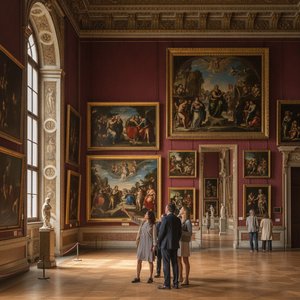
25 Capolavori da non perdere alla Gallerie dell'Accademia di Venezia
Un viaggio emozionante tra i 25 capolavori della Gallerie dell'Accademia di Venezia. Scopri la magia di Tintoretto, Bellini e Veronese attraverso i loro colori e tecniche senza tempo. Trova ispirazione e riproduzioni d'arte di alta qualità su OriginalUniqueArt.com. Esplora la collezione online.