Anteprima in scala reale
 Condividi
 Condividi
 Dettagli

 Scarica
 Articoli simili
 Radiografia
 Slideshow
 Statistiche
The Finding of Moses
 Oil On Canvas
- WallArt
- Baroque Painting
 1630
1630- Early Modern
 257.0 x 301.0 cm
 National Gallery
 Leggi tutto
Giclée / Stampe d'arte
Stampa giclée o su tela di qualità museale, con produzione rapida e diverse opzioni di finitura. ( Ordina la riproduzione dipinta a mano Passa all'immagine digitale)




P118B $10

P118H $10

P118W $10

P438Z $10

P508JH $12

P508YH $12

P805H $10

P805Z $10

P919BZ $10

P919G $10

P919XJ $10

P959ZH $10

P968JZ $12

W106C $8

W218G $10

W218JH $8

W218Y $10

W307PJ $10

W316G $10

W316PJ $8

W316Y $10

W398PJ $8

W4111J $10

W500HY $15

W500JH $15

W692G $12

W849H $8

W940BG $15

W953PJ $8




Scegli tra le nostre dimensioni predefinite, che rispettano le proporzioni originali dell'opera d'arte.

È possibile inserire dimensioni personalizzate per adattare l'opera a una cornice o a uno spazio specifico. Se la dimensione selezionata non corrisponde alle proporzioni dell'immagine originale, procederemo al ritaglio dell'opera o all'estensione dell'immagine con un bordo specchiato o a tinta unita. Un mockup digitale ti verrà inviato per approvazione prima dell'inizio della produzione.
Si prega di notare che l'anteprima a schermo non riflette il ritaglio o l'estensione effettivi. Solo il mockup mostrerà accuratamente la composizione finale.
Sebbene siano disponibili dimensioni personalizzate, si raccomanda di selezionare una dimensione dall'elenco predefinito per preservare le proporzioni originali.
Consegna in tutto il mondo () in 2 settimane invece delle normali 4/5 settimane. (17 Settembre)

Spedizione espressa gratuita in tutto il mondo

Tela in lino di alta qualità

Assicurazione completa sulla spedizione

Garanzia di rimborso dei dazi doganali

Garanzia di perfetta fedeltà cromatica

Politica di reso entro 100 giorni (solo per difetti di fabbricazione)

Garanzia di rimborso al 100%

Sconto per acquisti multipli
 L'opzione vetro è disponibile solo per dimensioni inferiori a 110 cm

The Finding of Moses
Giclée / Stampe d'arte
Dimensioni della riproduzione
-


Prezzo totale
$ 80
A Divine Encounter in the Bulrushes
In the heart of the early seventeenth century, a period defined by the dramatic tension between light and shadow, Orazio Gentileschi captured a moment of profound destiny. The Finding of Moses is far more than a mere depiction of a biblical event; it is a breathtaking window into a world where the miraculous intersects with the earthly. The canvas brings to life that pivotal instant from the Book of Exodus, where the infant Moses, hidden away by his mother to escape Pharaoh’s decree, is discovered amidst the swaying reeds of the Nile. As the eye wanders through the composition, one is immediately struck by the monumental scale and the palpable sense of a world held in breathless anticipation.
The scene unfolds with a group of figures gathered around a small basket, their faces illuminated by a light that feels both natural and divine. There is an intimate, nurturing atmosphere present as women—some standing in regal grace, others kneeling in humble reverence—interact with the child. This gathering serves as a testament to human compassion, illustrating how a moment of potential tragedy is transformed into one of celebration and care. For the discerning collector or interior designer, this piece offers a profound narrative of protection and the unexpected arrival of hope.
The Mastery of Light and Baroque Grandeur
Gentileschi’s command over chiaroscuro—the dramatic interplay between light and dark—is nothing short of masterful. Drawing deeply from the revolutionary influence of Caravaggio, the artist employs a technique known as tenebrism to heighten the emotional intensity of the scene. A luminous yellow gown worn by Pharaoh's daughter dominates the central visual space, acting as a beacon that draws the viewer’s gaze upward toward an idealized depiction of royal splendor. This brilliance is contrasted sharply against deep, enveloping shadows that shroud the figures in the lower periphery, emphasizing their humility and the secrecy of the infant's survival.
Beyond the dramatic lighting, the artist’s dedication to texture and anatomical accuracy provides a sense of profound realism. One can almost feel the smooth sheen of the fine fabrics, the delicate folds of heavy drapery, and the organic textures of the riverbank surroundings. The brushstrokes are confident yet refined, achieving a rare balance between dynamic movement and a sacred stillness. This technical virtuosity ensures that the painting remains a captivating focal point in any high-end setting, offering a sophisticated layer of visual interest and historical depth.
A Legacy of Royal Patronage and Symbolism
The historical weight of this masterpiece is as significant as its aesthetic beauty. Completed around 1630, the work was commissioned by King Charles I for his wife, Queen Henrietta Maria. This was a deeply personal gesture intended to celebrate the birth of their son and to solidify royal legitimacy through biblical parallel. Consequently, the painting functions as an emblem of divine grace and the continuity of lineage. Every element within the frame is layered with deliberate meaning: the basket represents both the vulnerability of life and the strength of concealment; the watchful gaze of Miriam embodies unwavering faith; and the presence of the Queen's daughter symbolizes a royal authority tempered by profound compassion.
For those seeking to adorn a space with art that inspires contemplation, The Finding of Moses offers an unparalleled emotional resonance. It is a symphony of color, light, and sacred storytelling that transcends time. Whether placed in a grand gallery or a curated private study, this reproduction serves as a powerful reminder of the beauty found in moments of divine intervention and the enduring strength of human devotion.
Biografia dell'artista
Primi Anni e Formazione
- Nato: Toscana, Italia (1563)
- Morto: 1639
- Orazio Gentileschi iniziò la sua carriera a Roma, dipingendo in uno stile manierista. Gran parte del suo lavoro iniziale consisteva nel dipingere figure all'interno di schemi decorativi creati da altri artisti.
- Si formò con il pittore umbro, Cola dell'Amata.
- Gentileschi fu anche influenzato dall'opera di Francesco da Sangallo, un importante architetto e scultore del tempo.
Stile Artistico e Influenze
- Il suo stile era caratterizzato da colori vivaci e composizioni drammatiche.
- Fu influenzato dall'opera di Caravaggio dopo il 1600, adottando uno stile più naturalistico.
- I dipinti di Gentileschi spesso presentavano scene bibliche e temi mitologici.
- Influenze Chiave: Manierismo, Caravaggio
Opere Principali e Realizzazioni
- "Danae": Considerata una delle sue opere più importanti, che mostra la sua abilità nel catturare l'essenza delle storie mitologiche.
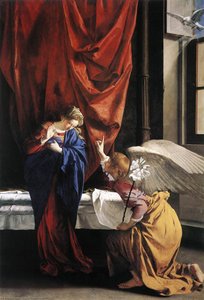
- "L'Annunciazione": Ospitata nella Galleria Borghese a Roma.
- "La Vergine Maria": Anch'essa ospitata nella Galleria Borghese a Roma.
- I suoi affreschi e mosaici per chiese come Santa Maria Maggiore e San Giovanni Laterano dimostrano la sua padronanza della pittura decorativa su larga scala.
Sviluppo ed Evoluzione
- Inizialmente lavorò all'interno di uno stile manierista, incorporando gradualmente elementi del naturalismo caravaggesco.
- Sviluppò una versione più morbida e raffinata dello stile drammatico di Caravaggio, caratterizzata da una tavolozza più chiara e dettagli precisi.
- Le sue opere successive mostrano uno stile elegante e cortese, che riflette il suo mecenatismo alla corte di Maria de' Medici a Parigi e Carlo I a Londra.
Significato Storico e Legacy
- L'uso di colori vivaci e composizioni drammatiche da parte di Gentileschi influenzò lo sviluppo dell'arte barocca.
- Fu uno dei primi praticanti del caravaggismo in Inghilterra, incidendo significativamente sul panorama artistico lì.
- Sua figlia, Artemisia Gentileschi, divenne una rinomata artista a sua volta, portando avanti la sua eredità e sviluppando ulteriormente la tradizione artistica della famiglia.
- Le sue opere si trovano in importanti musei e gallerie di tutto il mondo, tra cui la Galleria degli Uffizi a Firenze e la Galleria dell'Accademia a Venezia.

Orazio Gentileschi
1563 - 1639 , Italia
Informazioni rapide
- Artisti Influenti:
- Cola dell'Amata
- Caravaggio
- Artisti Influenzati: ['Artemisia Gentileschi']
- Data Di Morte: 7 febbraio 1639
- Data Di Nascita: 9 luglio 1563 (battezzato)
- Luogo Di Nascita: Toscana, Italia
- Movimento Artistico: Barocco
- Nazionalità: Italiana
- Nome Completo: Orazio Gentileschi
- Opere Notevoli:
- Danae
- Annunciazione
- Vergine Maria
Articoli correlati

Beyond the Shadows: The Powerful Legacies of Artemisia Gentileschi and Berthe Morisot
Explore the profound legacies of Artemisia Gentileschi and Berthe Morisot. Discover how these female masters redefined the Baroque and Impressionist eras through dramatic chiaroscuro and luminous light in this expert art-history guide for collectors and enthusiasts.

The Dramatic Flourish: Exploring the Baroque Movement's Enduring Legacy in Art History
Explore the dramatic world of Baroque art! Discover iconic artists like Caravaggio & Rubens, defining techniques, and its lasting impact on art history. Expert insights for collectors & enthusiasts at OriginalUniqueArt.

Il Dramma Barocco: Portare Splendore ed Emozione negli Interni Contemporanei
Scopri come portare il dramma e lo splendore dell'arte barocca nei tuoi interni con . Riproduzioni di alta qualità, consulenza d'arte personalizzata e ispirazione per uno stile unico.

I 10 Capolavori Barocchi che Hanno Definito un'Epoca | Arte e Decorazioni di Lusso
Esplora i 10 capolavori barocchi di Caravaggio, Bernini e Rembrandt che hanno rivoluzionato l'arte. Scopri storie, tecniche e colori iconici. Trova riproduzioni d'arte di alta qualità per la tua casa su !
I 10 Capolavori del Barocco che Hanno Definito la Pittura: Stile, Artisti e Decorazioni di Lusso
Esplora i 10 capolavori della pittura barocca: Caravaggio, Rembrandt e altri maestri. Scopri la storia, le tecniche e l'impatto di questi dipinti iconici. Trova riproduzioni d'arte di qualità museale su OriginalUniqueArt.com.