

 Anteprima in scala reale
 Condividi
 Condividi
 Dettagli
 Guida stampabile

 Scarica
 Articoli simili
 Radiografia
 Slideshow
 Statistiche
The Child
 Acrilico su tela
- Opere da parete
- Symbolist Painting
 1894
1894 27.0 x 26.0 cm
 Musée Des Beaux
 Leggi tutto
Riproduzione a olio fatta a mano
Olio su tela dipinto a mano nelle tue dimensioni e con la tua cornice, realizzato su ordinazione dai nostri artisti. ( Passa alle stampe Passa all'immagine digitale)




P118B €10

P118H €10

P118W €10

P438Z €10

P508JH €12

P508YH €12

P805H €10

P805Z €10

P919BZ €10

P919G €10

P919XJ €10

P959ZH €10

P968JZ €12

W106C €8

W218G €10

W218JH €8

W218Y €10

W307PJ €10

W316G €10

W316PJ €8

W316Y €10

W398PJ €8

W4111J €10

W500HY €15

W500JH €15

W692G €12

W849H €8

W940BG €15

W953PJ €8




Scegli tra le nostre dimensioni predefinite, che rispettano le proporzioni originali dell'opera d'arte.

Inserisci la larghezza e l'altezza di cui hai bisogno, per adattarle alla tua cornice o alla tua parete. Trattandosi di un'opera dipinta a mano, in caso di dimensioni con una forma differente, l'artista può dipingere un po' più oltre i bordi dell'immagine o ritagliare leggermente — la scelta spetta a te. Ti invieremo un mockup digitale da approvare prima che la pittura abbia inizio. L'immagine mostrata in questa pagina non rappresenta il risultato reale — solo il mockup lo fa.
Dopo l'ordine, il team di OriginalUniqueArt.com contatterà il cliente via e-mail per ricevere le istruzioni e fornirà un'anteprima del mockup
Consegna in tutto il mondo () in 3/4 settimane anziché nelle normali 5 settimane. (24 Ottobre). Nessun compromesso sulla qualità.

Spedizione espressa gratuita in tutto il mondo

Tela in lino di alta qualità

Assicurazione completa sulla spedizione

Garanzia di rimborso dei dazi doganali

Garanzia di perfetta fedeltà cromatica

Politica di reso entro 100 giorni (solo per difetti di fabbricazione)

Garanzia di rimborso al 100%

Sconto per acquisti multipli
 L'opzione vetro è disponibile solo per dimensioni inferiori a 110 cm

The Child
Tecnica di riproduzione
Dimensioni della riproduzione
-


Prezzo totale
€ 263
A Dreamscape in Pastel: Unveiling Odilon Redon’s “The Child”
Odilon Redon's "The Child," painted in 1894 and currently residing within the hallowed halls of the Musée des Beaux-Arts in Dijon, France, is not merely a depiction of a young figure; it’s an immersion into a realm of potent symbolism and haunting beauty. This work, rendered primarily in delicate pastel hues, exemplifies Redon's signature style – a deliberate blurring of reality and dream, where familiar forms are subtly distorted and imbued with layers of psychological depth. Redon, a pivotal figure within the Symbolist movement, sought to capture not just what was seen, but what lay beneath the surface of perception, translating inner states into visual language.
The painting immediately draws the viewer in with its ethereal atmosphere. The child’s face, rendered with an almost unnerving clarity despite the soft pastel application, possesses a gaze that seems to pierce through the canvas, directed towards something just beyond our field of vision. Blue eyes, framed by rosy cheeks and a delicate nose, convey both innocence and a hint of melancholy. This directness is juxtaposed against the background – a vibrant, almost aggressively bright orange—a color choice that immediately creates tension and intrigue. Redon masterfully uses this contrast to draw attention to the child’s face, elevating it as the focal point of the composition while simultaneously suggesting an unsettling disconnect between the subject and its surroundings.
The Language of Symbolism: Decoding Redon's Palette
Redon’s artistic journey was deeply influenced by a fascination with the subconscious and the exploration of hidden meanings. He frequently employed recurring motifs – children, animals, and fantastical creatures—to represent universal themes such as mortality, transformation, and the fragility of human existence. In “The Child,” these symbolic elements are subtly interwoven into the scene. The bright orange background, often interpreted as representing primal energy or even danger, could symbolize the unknown forces that shape a child’s development and perception of the world. The child's averted gaze suggests a contemplation of something beyond immediate experience, perhaps hinting at an awareness of mortality or the mysteries of life.
Furthermore, Redon’s choice of pastel as his primary medium is crucial to understanding the painting’s emotional impact. Pastels offer a remarkable ability to capture subtle nuances of light and shadow, creating a sense of softness and vulnerability. The hazy quality of the colors contributes to the dreamlike atmosphere, inviting viewers to project their own emotions and interpretations onto the scene. Redon's technique involved layering thin washes of pastel pigment, building up color gradually to achieve depth and luminosity – a process that demanded immense patience and control.
A Historical Context: Symbolism and the Dawn of Modern Art
To fully appreciate “The Child,” it’s essential to understand the artistic climate in which Redon was working. The late 19th century witnessed a growing disillusionment with academic realism, as artists sought new ways to express subjective experience and explore the darker aspects of human psychology. Symbolism emerged as a direct response to this shift, rejecting literal representation in favor of evocative imagery and symbolic narratives. Artists like Redon, alongside Monet, Renoir, and Degas, were pushing the boundaries of traditional painting, paving the way for the radical innovations of the 20th century.
Redon’s work aligns closely with the Symbolist movement's interest in exploring the subconscious mind and its influence on perception. He was also deeply influenced by Japanese art, particularly woodblock prints, which he admired for their use of flattened perspective, bold colors, and symbolic imagery. This influence is evident in the painting’s composition and color palette, contributing to its distinctive dreamlike quality.
A Timeless Masterpiece: Reproduction and Beyond
"The Child" remains a profoundly moving work of art, captivating viewers with its haunting beauty and enigmatic symbolism. Today, high-quality reproductions offer an accessible way to experience the power of Redon’s vision. Whether displayed in a private residence or a public space, this painting continues to spark contemplation and invite us to delve into the depths of our own imaginations. For those seeking a piece that transcends mere decoration, “The Child” is a testament to the enduring legacy of Odilon Redon – an artist who dared to paint not what he saw, but what he felt.
Domande e risposte
Che emozione trasmette "The Child" di Odilon Redon?
L'atmosfera impressa in "The Child" di Odilon Redon è Eterea, e il suo tono emotivo è Enigmatico.
Qual è la dimensione di stampa consigliata per "The Child"?
Per "The Child", si consiglia un formato di stampa Formato standard. Sono disponibili altri formati con le stesse proporzioni.
Dove posso vedere un'anteprima di "The Child"?
Per visualizzare un'anteprima della riproduzione di "The Child" di Odilon Redon, apri la pagina Anteprima dell'opera.
Biografia dell'artista
Primi Anni e Formazione
Odilon Redon (nato Bertrand-Jean Redon) nacque il 20 aprile 1840 a Bordeaux, in Aquitania, da una famiglia benestante. Il padre accumulò una fortuna nel commercio di schiavi in Louisiana negli anni '30 del XIX secolo. La madre, Marie Guérin, era una donna creola francese. Redon ricevette il soprannome "Odilon" dalla madre, Odile. Dimostrò un talento precoce per il disegno e a dieci anni vinse un premio di disegno a scuola. Iniziò gli studi formali di disegno all'età di quindici anni, ma su insistenza del padre si dedicò all'architettura. Non superando gli esami d'ammissione alla École des Beaux-Arts di Parigi, abbandonò i piani per una carriera da architetto, sebbene abbia brevemente studiato pittura sotto Jean-Léon Gérôme nel 1864. Tornò a Bordeaux e si dedicò alla scultura, perfezionando poi le sue abilità nell'incisione e nella litografia sotto la guida di Rodolphe Bresdin. Il suo percorso artistico fu interrotto nel 1870 quando venne arruolato nell’esercito durante la guerra franco-prussiana.L’Evoluzione Artistica e i "Noirs"
Al termine della guerra, Redon si trasferì a Parigi e riprese a lavorare principalmente con carboncino e litografia. Queste opere visionarie, realizzate in sfumature di nero, divennero note come i suoi “noirs”. Questi lavori presentano spesso figure enigmatiche e creature fantastiche che evocano un mondo onirico e simbolico. Il riconoscimento arrivò nel 1878 con "Spirito guardiano delle acque" e la pubblicazione del suo primo album di litografie, "Dans le Rêve", nel 1879. Un momento cruciale fu il 1884, quando i suoi disegni furono menzionati nel romanzo decadente “Contro Natura” (À rebours) di Joris-Karl Huysmans, che contribuì a diffondere la sua fama. Redon partecipò alle mostre degli Impressionisti nel 1886 e successivamente alle esposizioni di Les XX a Bruxelles.Pastelli, Olii e l'Influenza Orientale
Negli anni '90 del XIX secolo, Redon iniziò a sperimentare con pastelli e colori ad olio, abbandonando completamente lo stile dei "noirs" dopo il 1900. Sviluppò un profondo interesse per la religione e la cultura induista e buddista, che si riflettono sempre più nel suo lavoro. L'influenza del giapponismo è evidente in opere come La morte di Buddha (1899), Giacomo e l’angelo (1905) e "Vaso con guerriero giapponese" (1905). Nel 1899, il barone Robert de Domecy gli commissionò la creazione di 17 pannelli decorativi per la sala da pranzo del castello di Domecy-sur-le-Vault. Questi lavori segnarono una transizione dalla pittura ornamentale all'astrazione, caratterizzata da paesaggi indefiniti e colori tenui che richiamano le tradizionali paraventi giapponesi (byōbu).Riconoscimenti e Eredità
Nel 1903, Redon fu insignito della Legion d’Onore. La sua popolarità crebbe ulteriormente con la pubblicazione di un catalogo delle sue incisioni e litografie da parte di André Mellerio nel 1913, seguita da una mostra retrospettiva alla New York Armory Show. Odilon Redon è oggi considerato un precursore del Surrealismo per la sua esplorazione dell'inconscio e l’uso di immagini oniriche. La sua opera ha influenzato profondamente numerosi artisti successivi, consolidando il suo posto nella storia dell'arte come uno dei più importanti esponenti del Simbolismo francese. La sua capacità di evocare emozioni profonde attraverso immagini enigmatiche continua ad affascinare e ispirare gli appassionati d’arte in tutto il mondo.Riferimenti
- Pagina dell'artista Odilon Redon su OriginalUniqueArt.com: https://OriginalUniqueArt.com/@/odilon-redon
- Roland a Roncevaux di Odilon Redon: https://OriginalUniqueArt.com/@@/8ewmpa-odilon-redon-roland-at-roncevaux
- Scopri il Musée d'Art et d'Histoire de Meudon, Francia su OriginalUniqueArt.com: /it/art/show/art-d3aqck-it/

Odilon Redon
1840 - 1916 , Francia
Informazioni rapide
- Artisti Influenti:
- Rodolphe Bresdin
- Jean-Léon Gérôme
- Artisti Influenzati: ['Surrealismo']
- Data Di Nascita: 20 aprile 1840
- Luogo Di Nascita: Bordeaux, Francia
- Movimento Artistico: Simbolismo
- Nazionalità: Francese
- Nome Completo: Odilon Redon (Bertrand-Jean)
- Opere Notevoli:
- Spirito guardiano delle acque
- Dans le Rêve
- La morte di Buddha
- Giacomo e l'angelo
- Vaso con guerriero giapponese
Articoli correlati

Soft Texture, High Impact: The Ultimate Buyer's Guide to Mastering Pastel Art for Modern Interiors
Master the art of texture with our ultimate guide to pastel art. Discover how to select high-impact, soft-textured pieces that transform modern interiors, from hand-painted masterpieces to custom AI-remixed portraits. Elevate your space with expert curation and bold design.

The Subdued Radiance of Pastel: Exploring Nuance & Emotion in Art
Explore the nuanced world of pastel art! Discover its history, techniques & emotional power with expert insights from OriginalUniqueArt.com. Find museum-quality reproductions and learn about collecting this delicate medium.
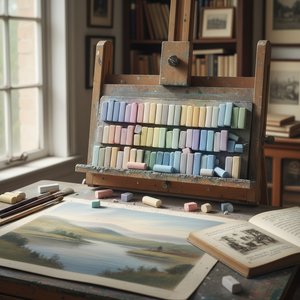
The Subtleties of Pastel: A Comprehensive Exploration of Technique, History & Emotional Resonance
Explore the captivating world of pastel art! Discover its rich history, Impressionistic masters like Degas, emotional power & unique techniques. Find museum-quality reproductions at OriginalUniqueArt.
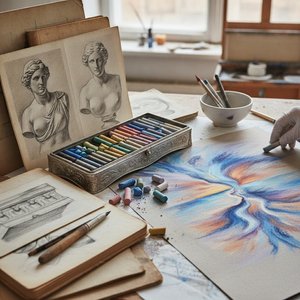
The Magic of Pastel Art: A Guide to Soft Colors and Velvately Textures in Impressionist Masterpieces
Explore the ethereal beauty of pastel art. Discover how Impressionist masters used soft hues and velvety textures to capture light. A professional guide for art enthusiasts seeking to understand, collect, and appreciate the delicate magic of this timeless medium.
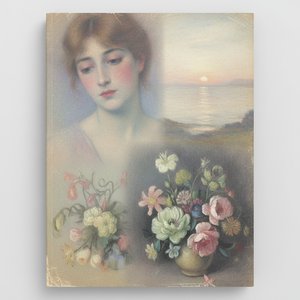
The Subdued Radiance of Pastel Palettes: Exploring Emotional Resonance in Art History
Explore the emotional power of pastel palettes in art history! Discover Impressionism, Post-Impressionism & color psychology insights. Find museum-quality reproductions at OriginalUniqueArt.


