

 Anteprima in scala reale
 Condividi
 Condividi
 Dettagli
 Guida stampabile

 Scarica
 Articoli simili
 Radiografia
 Slideshow
 Statistiche
Mystical Conversation


 Leggi tutto
Giclée / Stampe d'arte
Stampa giclée o su tela di qualità museale, con produzione rapida e diverse opzioni di finitura. ( Ordina la riproduzione dipinta a mano Passa all'immagine digitale)




P118B €10

P118H €10

P118W €10

P438Z €10

P508JH €12

P508YH €12

P805H €10

P805Z €10

P919BZ €10

P919G €10

P919XJ €10

P959ZH €10

P968JZ €12

W106C €8

W218G €10

W218JH €8

W218Y €10

W307PJ €10

W316G €10

W316PJ €8

W316Y €10

W398PJ €8

W4111J €10

W500HY €15

W500JH €15

W692G €12

W849H €8

W940BG €15

W953PJ €8




Scegli tra le nostre dimensioni predefinite, che rispettano le proporzioni originali dell'opera d'arte.

Inserisci la larghezza e l'altezza desiderate, per adattarle alla tua cornice o alla tua parete. Una stampa può essere solo ritagliata, mai resa più grande dell'immagine originale; pertanto, un formato con una forma differente comporterà la perdita di una parte dell'opera. Ti invieremo un mockup digitale da approvare prima di procedere con la stampa. L'immagine mostrata in questa pagina non rappresenta il ritaglio reale — solo il mockup lo mostra.
Consegna in tutto il mondo () in 2 settimane invece delle normali 4/5 settimane. (21 Ottobre)

Spedizione espressa gratuita in tutto il mondo

Tela in lino di alta qualità

Assicurazione completa sulla spedizione

Garanzia di rimborso dei dazi doganali

Garanzia di perfetta fedeltà cromatica

Politica di reso entro 100 giorni (solo per difetti di fabbricazione)

Garanzia di rimborso al 100%

Sconto per acquisti multipli
 L'opzione vetro è disponibile solo per dimensioni inferiori a 110 cm

Mystical Conversation
Giclée / Stampe d'arte
Dimensioni della riproduzione
-


Prezzo totale
€ 70
A Journey Into Shadowed Realms: Exploring Odilon Redon’s Mystical Conversation
Odilon Redon's "Mystical Conversation," completed in 1892, stands as a testament to the artist’s unwavering fascination with the subconscious and his masterful manipulation of visual language. More than just a depiction of two figures—a woman and a man—within an ambiguous space, it embodies a profound meditation on spirituality, isolation, and the elusive nature of human experience. The painting resides within The Art Institute of Chicago's collection, offering visitors a glimpse into Redon’s distinctive artistic vision.Style and Technique: Impasto Texture and Dreamlike Atmosphere
Redon eschewed the conventions of academic realism, opting instead for an expressive style characterized by thick impasto—a technique where paint is applied in heavy layers—creating palpable textural surfaces that seem to pulsate with inner energy. This deliberate disregard for conventional representation prioritizes mood and emotion over precise detail. The artist’s use of muted colors – predominantly ochre, umber, and shades of grey – contributes to the painting's ethereal atmosphere, transporting viewers into a realm beyond the visible world. Light plays an integral role, casting dramatic shadows that heighten the sense of mystery and reinforce the psychological depth of the scene.Historical Context: Symbolism in Late Impressionism
“Mystical Conversation” emerged during the waning years of Impressionism, marking a pivotal moment in artistic evolution. While Impressionists sought to capture fleeting moments of sensory experience, Redon delved into the realm of symbolism—drawing inspiration from mythology, folklore, and esoteric traditions. The figures themselves are deliberately indistinct, representing archetypal representations rather than identifiable individuals. Their posture suggests contemplation and dialogue, hinting at a quest for understanding or perhaps confronting unspoken anxieties. The presence of a solitary plant – positioned prominently on the right side of the canvas – symbolizes resilience and growth amidst darkness, mirroring the overarching theme of spiritual transformation.Symbolism Unveiled: Figures, Space, and the Essence of Contemplation
The painting’s symbolism extends beyond its immediate visual elements. The ambiguous space—characterized by curving lines and undefined boundaries—represents the labyrinthine pathways of consciousness, reflecting the artist's preoccupation with exploring inner landscapes. The woman’s arms encircling the man convey a sense of protection and intimacy, yet also underscore their separation from each other and from the outside world. These figures are not merely present; they embody concepts – contemplation, vulnerability, and perhaps even fear—that resonate deeply within the viewer's psyche. Redon skillfully utilizes visual cues to communicate these intangible ideas, inviting interpretation and fostering a connection between the artwork and its audience.Emotional Impact: A Resonance of Quiet Mystery
Ultimately, “Mystical Conversation” succeeds in evoking a powerful emotional response. Its subdued palette and textured surface create an immersive experience that encourages introspection. The painting’s haunting beauty lies not in grand spectacle but in its ability to capture the subtle nuances of human emotion—the quiet yearning for connection, the apprehension of the unknown, and the enduring fascination with the mysteries of existence. It remains a captivating example of Redon's artistic prowess and his profound engagement with the spiritual dimension of art.Domande e risposte
Quali stati d'animo ed emozioni si fondono in "Mystical Conversation"?
L'atmosfera impressa in "Mystical Conversation" di Odilon Redon è Mystical, e il suo tono emotivo è Mysterious.
Chi ha realizzato "Mystical Conversation" e in quale anno?
"Mystical Conversation" è stata creata da Odilon Redon nel 1896."
L'opera "Mystical Conversation" è complessivamente più luminosa o più scura?
La luminosità di "Mystical Conversation" di Odilon Redon è registrata come bright, con una luminanza di Gentle Luminance.
Biografia dell'artista
Primi Anni e Formazione
Odilon Redon (nato Bertrand-Jean Redon) nacque il 20 aprile 1840 a Bordeaux, in Aquitania, da una famiglia benestante. Il padre accumulò una fortuna nel commercio di schiavi in Louisiana negli anni '30 del XIX secolo. La madre, Marie Guérin, era una donna creola francese. Redon ricevette il soprannome "Odilon" dalla madre, Odile. Dimostrò un talento precoce per il disegno e a dieci anni vinse un premio di disegno a scuola. Iniziò gli studi formali di disegno all'età di quindici anni, ma su insistenza del padre si dedicò all'architettura. Non superando gli esami d'ammissione alla École des Beaux-Arts di Parigi, abbandonò i piani per una carriera da architetto, sebbene abbia brevemente studiato pittura sotto Jean-Léon Gérôme nel 1864. Tornò a Bordeaux e si dedicò alla scultura, perfezionando poi le sue abilità nell'incisione e nella litografia sotto la guida di Rodolphe Bresdin. Il suo percorso artistico fu interrotto nel 1870 quando venne arruolato nell’esercito durante la guerra franco-prussiana.L’Evoluzione Artistica e i "Noirs"
Al termine della guerra, Redon si trasferì a Parigi e riprese a lavorare principalmente con carboncino e litografia. Queste opere visionarie, realizzate in sfumature di nero, divennero note come i suoi “noirs”. Questi lavori presentano spesso figure enigmatiche e creature fantastiche che evocano un mondo onirico e simbolico. Il riconoscimento arrivò nel 1878 con "Spirito guardiano delle acque" e la pubblicazione del suo primo album di litografie, "Dans le Rêve", nel 1879. Un momento cruciale fu il 1884, quando i suoi disegni furono menzionati nel romanzo decadente “Contro Natura” (À rebours) di Joris-Karl Huysmans, che contribuì a diffondere la sua fama. Redon partecipò alle mostre degli Impressionisti nel 1886 e successivamente alle esposizioni di Les XX a Bruxelles.Pastelli, Olii e l'Influenza Orientale
Negli anni '90 del XIX secolo, Redon iniziò a sperimentare con pastelli e colori ad olio, abbandonando completamente lo stile dei "noirs" dopo il 1900. Sviluppò un profondo interesse per la religione e la cultura induista e buddista, che si riflettono sempre più nel suo lavoro. L'influenza del giapponismo è evidente in opere come La morte di Buddha (1899), Giacomo e l’angelo (1905) e "Vaso con guerriero giapponese" (1905). Nel 1899, il barone Robert de Domecy gli commissionò la creazione di 17 pannelli decorativi per la sala da pranzo del castello di Domecy-sur-le-Vault. Questi lavori segnarono una transizione dalla pittura ornamentale all'astrazione, caratterizzata da paesaggi indefiniti e colori tenui che richiamano le tradizionali paraventi giapponesi (byōbu).Riconoscimenti e Eredità
Nel 1903, Redon fu insignito della Legion d’Onore. La sua popolarità crebbe ulteriormente con la pubblicazione di un catalogo delle sue incisioni e litografie da parte di André Mellerio nel 1913, seguita da una mostra retrospettiva alla New York Armory Show. Odilon Redon è oggi considerato un precursore del Surrealismo per la sua esplorazione dell'inconscio e l’uso di immagini oniriche. La sua opera ha influenzato profondamente numerosi artisti successivi, consolidando il suo posto nella storia dell'arte come uno dei più importanti esponenti del Simbolismo francese. La sua capacità di evocare emozioni profonde attraverso immagini enigmatiche continua ad affascinare e ispirare gli appassionati d’arte in tutto il mondo.Riferimenti
- Pagina dell'artista Odilon Redon su OriginalUniqueArt.com: https://OriginalUniqueArt.com/@/odilon-redon
- Roland a Roncevaux di Odilon Redon: https://OriginalUniqueArt.com/@@/8ewmpa-odilon-redon-roland-at-roncevaux
- Scopri il Musée d'Art et d'Histoire de Meudon, Francia su OriginalUniqueArt.com: /it/art/show/art-d3aqck-it/

Odilon Redon
1840 - 1916 , Francia
Informazioni rapide
- Artisti Influenti:
- Rodolphe Bresdin
- Jean-Léon Gérôme
- Artisti Influenzati: ['Surrealismo']
- Data Di Nascita: 20 aprile 1840
- Luogo Di Nascita: Bordeaux, Francia
- Movimento Artistico: Simbolismo
- Nazionalità: Francese
- Nome Completo: Odilon Redon (Bertrand-Jean)
- Opere Notevoli:
- Spirito guardiano delle acque
- Dans le Rêve
- La morte di Buddha
- Giacomo e l'angelo
- Vaso con guerriero giapponese
Articoli correlati
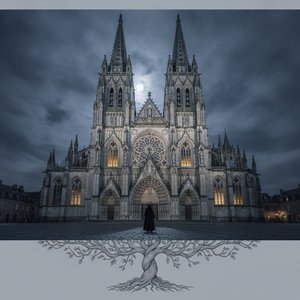
Shadows & Splendor: A Journey Through the Soul of Gothic Art and Architectural Grandeur
Embark on a profound journey through the spiritual intensity of Gothic art. Explore the architectural marvels, luminous stained glass, and sacred sculptures that define this era of grandeur and human devotion.

The Enduring Legacy of Oil on Canvas: Technique, History & Aesthetic Impact
Explore the rich history & techniques of oil painting – from Renaissance masters to Impressionism. Discover pigments, layering methods, and why this timeless medium endures. Expert insights for artists & art enthusiasts.

Gothic Vibes: From Dark Shadows to Bold Modern Edge | The Ultimate Trend Forecast
Explore the evolution of Gothic vibes, from historical shadows to bold modern edge. Discover how dark aesthetics, noir interiors, and contemporary subcultures are redefining modern design through a high-impact, trend-focused lens.

Oil on Canvas: A Historical & Technical Exploration of a Timeless Artistic Medium
Explore the rich history & enduring techniques of oil painting on canvas. Discover the science behind its longevity, conservation practices, and contemporary relevance. Expert insights for art enthusiasts.

The Enduring Power of Painting: A Historical & Contemporary Exploration of Form and Emotion
Explore the rich history & enduring techniques of oil painting with OriginalUniqueArt. Discover masterpieces, learn about art collecting, and find authentic handmade reproductions crafted by skilled artists.


