

 Anteprima in scala reale
 Condividi
 Condividi
 Dettagli
 Guida stampabile

 Scarica
 Articoli simili
 Radiografia
 Slideshow
 Statistiche
Spring Tonic


 Leggi tutto
L'opera d'arte visualizzata in questa pagina è protetta dalle leggi sul diritto d'autore, il che significa che non possiamo legalmente creare o vendere una riproduzione identica. Tale protezione è garantita da accordi internazionali quali la Convenzione di Berna e dalle leggi nazionali, incluse quelle stabilite da Legge sul copyright degli Stati Uniti - Titolo 17. Tutti i diritti riservati. Le immagini presenti su questo sito sono protette da copyright e non possono essere riprodotte o utilizzate senza l'autorizzazione scritta di WahooArt.com o dei rispettivi proprietari del copyright.
Questo metodo è pienamente conforme alle normative sul diritto d'autore poiché non prevede la copia o la duplicazione dell'opera protetta. Si tratta invece di una rielaborazione creativa: un nuovo dipinto che trae ispirazione dall'originale, senza tuttavia esserne identico.
Giclée / Stampe d'arte
Stampa giclée o su tela di qualità museale, con produzione rapida e diverse opzioni di finitura. ( Ordina la riproduzione dipinta a mano Passa all'immagine digitale)




P118B €10

P118H €10

P118W €10

P438Z €10

P508JH €12

P508YH €12

P805H €10

P805Z €10

P919BZ €10

P919G €10

P919XJ €10

P959ZH €10

P968JZ €12

W106C €8

W218G €10

W218JH €8

W218Y €10

W307PJ €10

W316G €10

W316PJ €8

W316Y €10

W398PJ €8

W4111J €10

W500HY €15

W500JH €15

W692G €12

W849H €8

W940BG €15

W953PJ €8




Scegli tra le nostre dimensioni predefinite, che rispettano le proporzioni originali dell'opera d'arte.

Inserisci la larghezza e l'altezza desiderate, per adattarle alla tua cornice o alla tua parete. Una stampa può essere solo ritagliata, mai resa più grande dell'immagine originale; pertanto, un formato con una forma differente comporterà la perdita di una parte dell'opera. Ti invieremo un mockup digitale da approvare prima di procedere con la stampa. L'immagine mostrata in questa pagina non rappresenta il ritaglio reale — solo il mockup lo mostra.
Consegna in tutto il mondo () in 2 settimane invece delle normali 4/5 settimane. (20 Ottobre)

Spedizione espressa gratuita in tutto il mondo

Tela in lino di alta qualità

Assicurazione completa sulla spedizione

Garanzia di rimborso dei dazi doganali

Garanzia di perfetta fedeltà cromatica

Politica di reso entro 100 giorni (solo per difetti di fabbricazione)

Garanzia di rimborso al 100%

Sconto per acquisti multipli
 L'opzione vetro è disponibile solo per dimensioni inferiori a 110 cm

Spring Tonic
Giclée / Stampe d'arte
Dimensioni della riproduzione
-


Prezzo totale
€ 70
A Tender Moment Captured in Time
In the quiet intimacy of "Spring Tonic," created in 1936, Norman Rockwell invites us into a domestic sanctuary where the weight of maternal devotion is palpable. The scene unfolds with a profound sense of tenderness, focusing on a mother cradling her ailing son as she administers a restorative remedy. There is an undeniable warmth in the way the light falls upon the pair, highlighting the gentle strength required to navigate the anxieties of parenthood. As the child drinks from his cup, the surrounding environment—cluttered with various bottles and medicinal vessels—tells a silent story of care, trial, and the hope for recovery. This is not merely a depiction of illness, but a celebration of the resilient bond between parent and child, rendered with the masterful storytelling that defined Rockwell's illustrious career.
The composition is enriched by the presence of two loyal dogs, whose watchful eyes add a layer of soulful companionship to the room. One dog rests near the center, while another lingers to the right, their calm demeanor acting as an emotional anchor amidst the tension of the child's sickness. The arrangement of objects, from the scattered bottles to the solitary chair positioned at the edge of the frame, creates a lived-in atmosphere that feels both nostalgic and deeply personal. For the collector or interior designer, this piece offers more than just visual beauty; it provides a narrative depth that can transform a room into a space of reflection and comfort.
The Mastery of American Realism
Technically, "Spring Tonic" stands as a testament to Rockwell's unparalleled ability to blend meticulous realism with emotional resonance. His technique allows for a rich texture in the fabrics and a lifelike quality in the expressions of his subjects, making the scene feel as though it were captured in a single, breathless moment. The use of light and shadow serves to direct the viewer's eye toward the central interaction, ensuring that the emotional core of the painting remains the focal point. Every brushstroke contributes to a sense of authenticity, capturing the subtle nuances of skin tones, the glint of glass bottles, and the soft textures of the domestic setting.
As a piece of historical significance, this work emerges from an era when Rockwell was beginning to solidify his role as the visual chronicler of the American soul. Created during the mid-1930s, the painting reflects a period where themes of family stability and communal care were deeply resonant. For those seeking to adorn their homes with high-quality reproductions, this artwork serves as an exquisite centerpiece. It brings a sense of timelessness and a touch of classic Americana that complements both traditional and contemporary interiors, offering a window into a world where even the smallest act of care is treated with monumental importance.
Domande e risposte
"Spring Tonic" di Norman Rockwell utilizza forti contrasti o armonie delicate?
L'analisi cromatica di "Spring Tonic" di Norman Rockwell registra un Statement contrasto e una Balanced Harmony armonia.
Chi vende copie dipinte a mano di "Spring Tonic" di Norman Rockwell?
Puoi ordinare una riproduzione dipinta a mano di "Spring Tonic" di Norman Rockwell direttamente sulla sua pagina Riproduzione dipinta a mano: una riproduzione a olio dipinta a mano su tela di lino, realizzata su ordinazione.
Quali stati d'animo ed emozioni si fondono in "Spring Tonic"?
In "Spring Tonic", un'atmosfera Nostalgic accompagna un'emozione Comforting.
Biografia dell'artista
Primi anni e carriera
Norman Perceval Rockwell, autore, pittore e illustratore americano del XX secolo, nacque il 3 febbraio 1894 a New York City. Il suo antenato americano più antico, John Rockwell (1588–1662), emigrò in Nord America coloniale nel 1635. La famiglia di Rockwell ebbe una forte influenza sulle sue future aspirazioni artistiche. A 14 anni, Rockwell lasciò la scuola superiore per iscriversi alla Chase Art School. Successivamente frequentò il National Academy of Design e infine l'Art Students League, dove fu istruito da Thomas Fogarty, George Bridgman e Frank Vincent Dumond.Contributi artistici
Le opere di Rockwell hanno un ampio appeal popolare negli Stati Uniti per la loro riflessione della cultura americana. È più famoso per le illustrazioni sulla copertina della rivista *The Saturday Evening Post* per quasi cinque decenni. Tra le sue opere notevoli figurano:- La serie Willie Gillis, che ha mostrato il lato umano della guerra.
- Rosie the Riveter, una rappresentazione iconica dell'emancipazione femminile durante la seconda guerra mondiale.
- The Problem We All Live With, una toccante raffigurazione dell'integrazione scolastica razziale, esposta alla Casa Bianca quando Ruby Bridges incontrò il presidente Obama nel 2011.
Evoluzione e sviluppo artistico
Rockwell sviluppò uno stile distintivo caratterizzato da un realismo dettagliato e una narrazione avvincente. Le sue opere spesso catturavano momenti di vita quotidiana, esplorando temi come la famiglia, l'innocenza infantile, il patriottismo e i cambiamenti sociali. La sua capacità di osservare e rappresentare le emozioni umane con precisione e sensibilità gli valse un ampio riconoscimento e apprezzamento. Nel corso della sua carriera, Rockwell sperimentò con diversi soggetti e tecniche, ma rimase fedele al suo impegno per l'illustrazione e la narrazione visiva.Realizzazioni principali e impatto storico
Rockwell fu un artista prolifico, producendo oltre 4.000 opere originali nella sua vita. Fu incaricato di illustrare più di 40 libri, tra cui *Tom Sawyer* e *Huckleberry Finn*, nonché dipingere ritratti per i presidenti Eisenhower, Kennedy, Johnson e Nixon. Nonostante sia stato respinto da critici d'arte seri durante la sua vita, il lavoro di Rockwell è diventato parte integrante del patrimonio culturale americano. I suoi contributi annuali ai calendari dello Boy Scouts tra il 1925 e il 1976 sono una testimonianza della sua eredità duratura.Eredità e influenza
L'eredità artistica di Norman Perceval Rockwell ha lasciato un segno indelebile sulla cultura americana. Le sue opere, sebbene spesso definite "rockwelliane" o sentimentali, continuano a ispirare e riflettere i valori di un'epoca passata. Come illustratore, autore e pittore, l'arte di Rockwell rimane una testimonianza del potere della riflessione e del patrimonio culturale.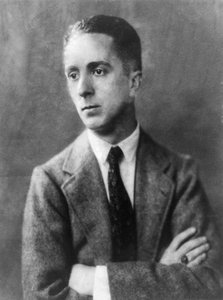
Norman Rockwell
1894 - 1978 , Stati Uniti d'America
Informazioni rapide
- Artisti Influenti:
- Thomas Fogarty
- George Bridgman
- Data Di Nascita: 3 febbraio 1894
- Luogo Di Nascita: New York City, USA
- Nazionalità: Americana
- Nome Completo: Norman Perceval Rockwell
- Opere Notevoli:
- Willie Gillis Series
- Rosie the Riveter
- The Problem We All Live With
- Stile Artistico: Realismo, Illustrazione
Articoli correlati

Trasforma i Sorrisi dei Tuoi Figli in Capolavori d'Arte: L'Eredità Eterna con OriginalUniqueArt AI
Trasforma i ricordi più preziosi dei tuoi figli in eterni capolavori. Con OriginalUniqueArt AI e la maestria dei nostri artisti, trasformiamo le tue foto in splendide riproduzioni a olio su tela. Un'eredità d'arte senza tempo per la tua famiglia. Scopri l'eccellenza del fatto a mano.

Childe Hassam: Il Pittore Americano che Catturò la Luce dell'Impressionismo
Scopri Childe Hassam, il maestro dell'Impressionismo americano. Esplora la sua vita, le opere iconiche come la 'Serie delle Bandiere', e l'influenza sulla pittura urbana americana. Approfondimenti storici e tecniche artistiche.
Whimsical Wonders: A Mother's Guide to Transforming Children's Rooms with Timeless Art Reproductions
Transform your child's room into a whimsical sanctuary with museum-quality art reproductions. Discover how hand-painted masterpieces and custom portraits can spark imagination and create a timeless, beautiful space for your little one.
Divine Love: A Curated Guide to the Most Iconic Madonna and Child Masterpieces in Art History
Embark on a sophisticated journey through art history with our curated guide to the most iconic Madonna and Child masterpieces. Discover the profound beauty, theological depth, and enduring legacy of these sacred Renaissance treasures.
Hieronymus Bosch: I 25 Capolavori che Rivoluzionano l'Arte e Decorano la Tua Casa
Esplora i 25 capolavori di Hieronymus Bosch, pittore fiammingo simbolo dell'arte medievale. Scopri il simbolismo del Giardino delle Delizie e altre opere iconiche. Riproduzioni d'arte su OriginalUniqueArt.com!


