
 Anteprima in scala reale
 Invia
Invia Condividi
 Dettagli opera
 Guida
Guida

 Scarica
 Simili
 Radiografia
 Slideshow
 Domande e risposte
 Statistiche
Peasant and his son

- 75.0 x 56.0 cm


 Espandi i dettagli
Giclée / Stampe d'arte
Stampa giclée o su tela di qualità museale, con produzione rapida e diverse opzioni di finitura. ( Acquista il dipinto realizzato a mano Passa all'immagine digitale)




P118B €10

P118H €10

P118W €10

P438Z €10

P508JH €12

P508YH €12

P805H €10

P805Z €10

P919BZ €10

P919G €10

P919XJ €10

P959ZH €10

P968JZ €12

W106C €8

W218G €10

W218JH €8

W218Y €10

W307PJ €10

W316G €10

W316PJ €8

W316Y €10

W398PJ €8

W4111J €10

W500HY €15

W500JH €15

W692G €12

W849H €8

W940BG €15

W953PJ €8




Scegli tra le nostre dimensioni predefinite, che rispettano le proporzioni originali dell'opera d'arte.

Inserisci la larghezza e l'altezza desiderate, per adattarle alla tua cornice o alla tua parete. Una stampa può essere solo ritagliata, mai resa più grande dell'immagine originale; pertanto, un formato con una forma differente comporterà la perdita di una parte dell'opera. Ti invieremo un mockup digitale da approvare prima di procedere con la stampa. L'immagine mostrata in questa pagina non rappresenta il ritaglio reale — solo il mockup lo mostra.
Consegna in tutto il mondo () in 2 settimane invece delle normali 4/5 settimane. (4 Novembre)

Spedizione espressa gratuita in tutto il mondo

Tela in lino di alta qualità

Assicurazione completa sulla spedizione

Garanzia di rimborso dei dazi doganali

Garanzia di fedeltà cromatica assoluta

Politica di reso entro 100 giorni (solo per difetti di fabbricazione)

Garanzia di rimborso al 100%

Offerta per acquisti multipli
 L'opzione vetro è disponibile solo per dimensioni inferiori a 110 cm

Peasant and his son
Giclée / Stampe d'arte
Dimensioni riproduzione
-


Prezzo finale calcolato
€ 72
A Glimpse into Georgian Rural Life: Niko Pirosmani's "Peasant and his Son"
Niko Pirosmani’s “Peasant and his son,” painted in 1908, offers a poignant window into the soul of rural Georgia at the turn of the twentieth century. This vertical oil painting isn't merely a depiction of two figures; it is an embodiment of generational connection, quiet dignity, and the timeless rhythms of agricultural life. The scene unfolds outdoors, suggested by the tall stalks that rise in the background—resembling reeds or corn—creating a backdrop evocative of the Georgian countryside. An elderly man dominates the left side of the composition, his presence weighty and grounded, while his young son stands to the right, presenting something unseen to his father. This simple act forms the heart of the painting’s narrative, hinting at respect, inheritance, or perhaps the passing down of knowledge—a symbolic exchange that resonates across time and cultures. The overall impression is one of profound stillness, a moment captured in amber, inviting contemplation on themes of family, tradition, and the enduring strength of human bonds.The Language of Primitivism: Style and Technique
Pirosmani’s artistic style defies easy categorization, often described as primitivist or naive. He wasn't formally trained; his skill blossomed from a deep observation of the world around him and an innate ability to translate that vision onto canvas. This lack of formal training is evident in the painting’s deliberate simplicity—a flattened perspective characteristic of folk art traditions, where illusionistic space takes a backseat to emotional impact. The artist employs visible brushstrokes, layering oil paints to create texture, particularly noticeable in the man's beard and robes, lending them a tactile quality that draws the viewer closer. Lines are used purposefully to define forms – both figures and surrounding vegetation—creating a sense of solidity and depth despite the overall flatness. The palette is predominantly dark: browns, blacks, and muted reds dominate, contributing to a somber yet contemplative mood. This restrained use of color amplifies the painting’s emotional weight, focusing attention on the subjects' faces and their interaction. Pirosmani often worked on oilcloth rather than traditional canvas, a testament to his resourcefulness and perhaps adding another layer of rustic authenticity to his work.A Georgian Visionary: Context and Legacy
To fully appreciate “Peasant and his son,” it’s essential to understand the context in which it was created. Niko Pirosmani lived a life largely outside the mainstream art world, working various odd jobs while pursuing his passion for painting. He was a self-taught artist who captured the essence of Georgian culture with remarkable honesty and sensitivity. His work gained recognition later in his life thanks to the support of Russian poets and artists like Mikhail Le-Dantyu and Kirill Zdanevich, who championed his unique vision. Pirosmani’s style resonated with the burgeoning primitivist movement, which celebrated art created outside established academic traditions. He became a pivotal figure in 20th-century Georgian art, influencing generations of artists with his distinctive approach to subject matter and technique. His paintings offer invaluable insights into the social fabric and daily life of Georgia during a period of significant change and transition.Emotional Resonance: A Timeless Portrait
Beyond its historical significance and artistic merit, “Peasant and his son” possesses an undeniable emotional power. The painting evokes a sense of quiet dignity and timelessness—a feeling that transcends the specific time and place depicted. The connection between father and son is palpable, conveyed through their posture and gaze. There's a profound tenderness in the boy’s offering, and a gentle acceptance in the man’s response. This isn’t a grand narrative of triumph or tragedy; it’s a simple moment of human interaction elevated to something extraordinary by Pirosmani’s masterful touch. The painting invites viewers to reflect on their own relationships with family, tradition, and the enduring values that shape our lives—making it a work of art that continues to resonate deeply with audiences today.Domande e risposte
Quali colori dominano "Peasant and his son" di Niko Pirosmani?
L'identità cromatica di "Peasant and his son" di Niko Pirosmani: una tavolozza Earthy, dominata da Black (#150d12).
Quale formato di stampa si consiglia per "Peasant and his son" di Niko Pirosmani?
La dimensione di stampa consigliata per "Peasant and his son" di Niko Pirosmani è Medium.
Che livello di saturazione hanno i colori di "Peasant and his son" di Niko Pirosmani?
"Peasant and his son" di Niko Pirosmani presenta una saturazione Muted.
Biografia dell'artista
La Vita e l'Infanzia di Niko Pirosmani
Niko Pirosmani, nato Nikoláy Aslánovich Pirosmanashvíli (o Nikala) nel 1862 a Mtskheta, in Georgia, proveniva da una famiglia di agricoltori. I suoi genitori, Aslan Pirosmanashvili e Tekle Tolikishvili, possedevano un piccolo vigneto nella provincia di Kakheti, nel villaggio di Mirzaani. La sua infanzia fu segnata dalla tragedia: orfano in tenera età, Niko crebbe sotto la cura delle sue due sorelle maggiori. Questa esperienza precoce di perdita e solitudine influenzò profondamente la sua visione del mondo e si rifletté nella sua arte. Non ricevette alcuna formazione artistica formale, sviluppando il suo stile unico in modo completamente autonomo.Lo Stile Artistico e i Temi
Pirosmani è considerato un pittore primitivista georgiano. Il suo stile si distingue per la sua natura ingenua e diretta, caratterizzata da una composizione semplice e figure spesso rappresentate frontalmente. Utilizzava principalmente olio su tela cerata (oilcloth), un materiale economico e facilmente reperibile che divenne il supporto distintivo delle sue opere. I suoi dipinti raffigurano prevalentemente scene di vita quotidiana georgiana, ritratti di persone comuni, animali e paesaggi rurali. Raramente si dedicò a soggetti urbani o complessi, preferendo la semplicità e l'autenticità del mondo che lo circondava. La sua arte è permeata da un senso di malinconia e solitudine, ma anche da una profonda connessione con la natura e le tradizioni georgiane.Opere Significative ed Esposizioni
Tra le opere più note di Pirosmani si annoverano:- Musha con una Wineskin, un'opera che cattura l'essenza della cultura georgiana attraverso la rappresentazione di un personaggio tipico e del suo legame con il vino.
- Matrimonio Georgiano, una vivace raffigurazione delle cerimonie nuziali tradizionali georgiane, ricche di colori e simbolismo.
- Ritratto di Zhdanevich, un ritratto del poeta russo Mikhail Le-dantyu che gli valse l'ammirazione di Kirill Zdanevich e suo fratello Ilia Zdanevich, figure chiave dell'avanguardia russa.
Riconoscimento Postumo e Importanza Storica
Nonostante una vita segnata dalla povertà e dall'incomprensione, Pirosmani ha ottenuto un riconoscimento significativo dopo la sua morte avvenuta nel 1918. La sua arte è stata rivalutata dagli artisti e dai critici d’avanguardia russi all'inizio del XX secolo, che ne hanno apprezzato l'originalità e la forza espressiva. Pirosmani è oggi considerato una figura chiave dell'arte georgiana e un importante esponente del primitivismo. La sua capacità di rappresentare il mondo con semplicità e sincerità, senza le convenzioni accademiche, lo rende un artista unico nel suo genere e un precursore di molte correnti artistiche successive. Il Museo della Casa di Niko Pirosmanashvili a Mirzaani offre una finestra sulla sua vita e sul suo lavoro, mentre il Museo di Sighnaghi espone una vasta collezione delle sue opere, testimoniando la sua eredità artistica duratura.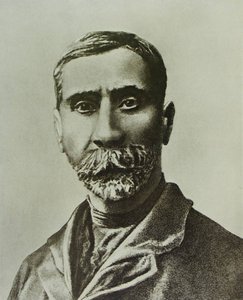
Niko Pirosmani
1862 - 1918 , Georgia
Dettagli rapidi
- Artistic Movement Or Style: Primitivismo, Naive art
- Date Of Birth: 1862
- Date Of Death: 1918
- Full Name: Niko Pirosmani
- Nationality: Georgiano
- Notable Artworks:
- Musha con una wineskin
- Matrimonio georgiano
- Ritratto di Zhdanevich
- Place Of Birth (City And Country): Mtskheta, Georgia
Articoli correlati
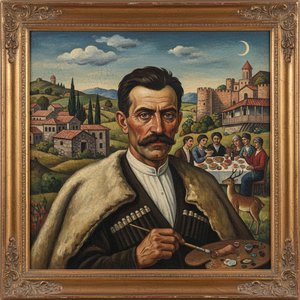
Niko Pirosmani: Vita, Eredità e la Poetica di un Maestro Outsider Georgiano
Esplora la vita e l'opera di Niko Pirosmani, il geniale pittore georgiano outsider. Scopri il suo stile unico, le influenze artistiche e l'eredità che continua a ispirare gli amanti dell'arte in tutto il mondo.
Cultivating Visions: Rural Life & Social Commentary in Art History
Explore the rich history of rural life in art! Discover masterpieces from Dutch Masters to Van Gogh & Courbet. Uncover artistic movements, social significance & expert collecting insights at OriginalUniqueArt.
Cultivating Visions: A Historical Exploration of Rural Life in Painting
Explore the rich history of rural life in painting! Discover masterpieces from Dutch Masters to Courbet & Watteau. Uncover the artistic and social significance of idyllic landscapes and peasant scenes.

Echoes of Rural Life: Nostalgia, Labor & Identity in Art History
Explore the rich history of rural life in art! Discover how Realism captured labor & identity through masterpieces by Van Gogh, Millet & more. Expert analysis for collectors and enthusiasts.

Echoes of Rural Life: Art's Enduring Representations of the Countryside
Explore the rich history of rural life in art! Discover masterpieces from Millet to Mauve & beyond. Learn about Realism, Barbizon School & find inspiration for your home with OriginalUniqueArt.


