
 Anteprima in scala reale
 Condividi
 Condividi
 Dettagli

 Scarica immagine
 Articoli simili
 Radiografia
 Slideshow
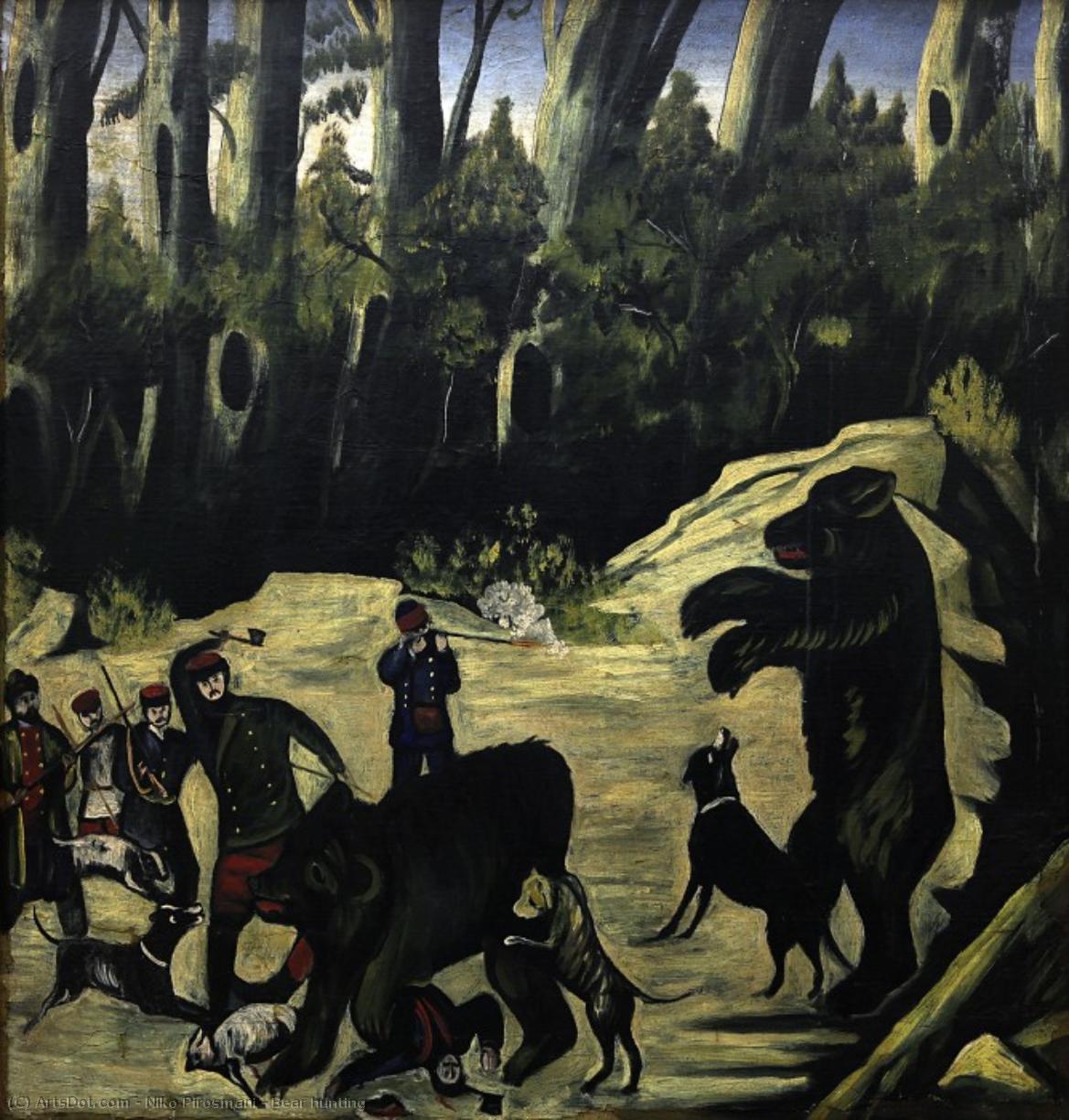
Bear hunting
 Oil On Canvas
- WallArt
- Primitivism
 107.0 x 57.0 cm
 Museo d’Arte della Georgia
 Leggi tutto
Giclée / Stampe d'arte
Stampa giclée o su tela di qualità museale, con produzione rapida e diverse opzioni di finitura. ( Ordina la riproduzione dipinta a mano Acquista download)




P118B $10

P118H $10

P118W $10

P438Z $10

P508JH $12

P508YH $12

P805H $10

P805Z $10

P919BZ $10

P919G $10

P919XJ $10

P959ZH $10

P968JZ $12

W106C $8

W218G $10

W218JH $8

W218Y $10

W307PJ $10

W316G $10

W316PJ $8

W316Y $10

W398PJ $8

W4111J $10

W500HY $15

W500JH $15

W692G $12

W849H $8

W940BG $15

W953PJ $8




Scegli tra le nostre dimensioni predefinite, che rispettano le proporzioni originali dell'opera d'arte.

È possibile inserire dimensioni personalizzate per adattare l'opera a una cornice o a uno spazio specifico. Se la dimensione selezionata non corrisponde alle proporzioni dell'immagine originale, procederemo al ritaglio dell'opera o all'estensione dell'immagine con un bordo specchiato o a tinta unita. Un mockup digitale ti verrà inviato per approvazione prima dell'inizio della produzione.
Si prega di notare che l'anteprima a schermo non riflette il ritaglio o l'estensione effettivi. Solo il mockup mostrerà accuratamente la composizione finale.
Sebbene siano disponibili dimensioni personalizzate, si raccomanda di selezionare una dimensione dall'elenco predefinito per preservare le proporzioni originali.
Consegna in tutto il mondo () in 2 settimane invece delle normali 4/5 settimane. (18 Agosto)

Spedizione espressa gratuita in tutto il mondo

Tela in lino di alta qualità

Assicurazione completa sulla spedizione

Garanzia di rimborso dei dazi doganali

Garanzia di fedeltà cromatica dell'originale

Politica di reso entro 60 giorni (solo per difetti di fabbricazione)

Garanzia di rimborso al 100%

Sconto per acquisti multipli
 L'opzione vetro è disponibile solo per dimensioni inferiori a 110 cm

Bear hunting
Giclée / Stampe d'arte
Dimensioni della riproduzione
-


Prezzo totale
$ 80
Descrizione del pezzo
A Savage Symphony in Oilcloth: Niko Pirosmani’s “Bear Hunting”
Niko Pirosmani, a largely forgotten titan of Georgian art, possessed an extraordinary ability to distill the essence of rural life and primal emotion onto humble oilcloth canvases. His work, often dismissed as naive or primitive during his lifetime, now stands as a testament to raw honesty and a uniquely captivating vision. “Bear Hunting,” painted in the 1890s, is arguably Pirosmani’s most dramatic and compelling piece – a visceral depiction of a hunting expedition that transcends mere representation, plunging the viewer directly into the heart of Georgian wilderness and the brutal beauty of its traditions.
The scene unfolds within a dense, almost claustrophobic forest. A group of French chasseurs, clad in meticulously rendered uniforms of dark blue and brown, pursue a colossal bison – an animal rendered with astonishing power and scale. The composition is deliberately chaotic; figures are crammed together, limbs tangle, and the bison dominates the frame, its immense form dwarfing the hunters below. Pirosmani eschews traditional perspective, favoring instead a flattened, frontal approach that intensifies the drama and immediacy of the action. Lines are bold and directional, guiding the eye relentlessly across the canvas, mirroring the hunters’ desperate pursuit.
The Primitivist Palette: Color and Texture
Pirosmani's distinctive style is immediately recognizable through his masterful use of color and texture. He employs a restricted palette dominated by deep greens, earthy browns, and muted blues – colors that evoke the dampness and shadow of the forest floor. These somber tones are punctuated by flashes of brighter hues—the crimson of blood (implied), the ochre of the bison’s hide, and the occasional splash of yellow or white to highlight key figures. Crucially, Pirosmani worked on oilcloth, a readily available and inexpensive material in Georgia, which lends his paintings a unique tactile quality. The thick, impasto brushstrokes are visible throughout the composition, creating a palpable sense of physicality – you can almost feel the roughness of the bark beneath your fingers and the weight of the hunters’ clothing.
The technique itself is deliberately rough-hewn, reflecting Pirosmani's lack of formal training. He eschewed meticulous detail in favor of capturing the *feeling* of the scene – the tension, the urgency, the raw energy of the hunt. This approach aligns perfectly with the principles of Primitivism, a movement that sought to strip away academic conventions and return to a more direct, emotionally charged form of expression.
Symbolism of the Hunt: Power, Tradition, and Mortality
“Bear Hunting” is far more than just a depiction of a hunting scene; it’s laden with symbolic meaning. The hunt itself represents power, control, and the enduring traditions of Georgian rural life. For centuries, hunting had been a vital part of the region's economy and culture, providing sustenance and reinforcing social hierarchies. However, Pirosmani doesn’t glorify this activity. Instead, he presents it with a stark realism that acknowledges its inherent violence and potential for destruction.
The massive bison, a symbol of strength and wildness, embodies the forces of nature that the hunters seek to subdue. The implied bloodshed – hinted at through subtle color choices—underscores the cost of this conquest. Furthermore, Pirosmani’s unflinching portrayal of human figures engaged in such a brutal act raises questions about humanity's relationship with the natural world and the consequences of unchecked ambition. The painting subtly evokes themes of mortality and the fleeting nature of life, mirroring the precariousness of both hunter and hunted.
A Window into Georgian Soul: Pirosmani’s Legacy
Niko Pirosmani's work offers a rare glimpse into the soul of Georgia in the late 19th century. His paintings are not merely aesthetically pleasing; they are windows into a world of hardship, resilience, and profound connection to the land. Rediscovered in the mid-20th century, Pirosmani’s art has since gained international recognition as a cornerstone of Georgian primitivism and a powerful example of outsider art. Reproductions of “Bear Hunting” – available through OriginalUniqueArt – allow us to experience this extraordinary vision firsthand, inviting us to contemplate the enduring power of raw emotion and the timeless beauty of the Georgian landscape.
Biografia dell'artista
La Vita e l'Infanzia di Niko Pirosmani
Niko Pirosmani, nato Nikoláy Aslánovich Pirosmanashvíli (o Nikala) nel 1862 a Mtskheta, in Georgia, proveniva da una famiglia di agricoltori. I suoi genitori, Aslan Pirosmanashvili e Tekle Tolikishvili, possedevano un piccolo vigneto nella provincia di Kakheti, nel villaggio di Mirzaani. La sua infanzia fu segnata dalla tragedia: orfano in tenera età, Niko crebbe sotto la cura delle sue due sorelle maggiori. Questa esperienza precoce di perdita e solitudine influenzò profondamente la sua visione del mondo e si rifletté nella sua arte. Non ricevette alcuna formazione artistica formale, sviluppando il suo stile unico in modo completamente autonomo.Lo Stile Artistico e i Temi
Pirosmani è considerato un pittore primitivista georgiano. Il suo stile si distingue per la sua natura ingenua e diretta, caratterizzata da una composizione semplice e figure spesso rappresentate frontalmente. Utilizzava principalmente olio su tela cerata (oilcloth), un materiale economico e facilmente reperibile che divenne il supporto distintivo delle sue opere. I suoi dipinti raffigurano prevalentemente scene di vita quotidiana georgiana, ritratti di persone comuni, animali e paesaggi rurali. Raramente si dedicò a soggetti urbani o complessi, preferendo la semplicità e l'autenticità del mondo che lo circondava. La sua arte è permeata da un senso di malinconia e solitudine, ma anche da una profonda connessione con la natura e le tradizioni georgiane.Opere Significative ed Esposizioni
Tra le opere più note di Pirosmani si annoverano:- Musha con una Wineskin, un'opera che cattura l'essenza della cultura georgiana attraverso la rappresentazione di un personaggio tipico e del suo legame con il vino.
- Matrimonio Georgiano, una vivace raffigurazione delle cerimonie nuziali tradizionali georgiane, ricche di colori e simbolismo.
- Ritratto di Zhdanevich, un ritratto del poeta russo Mikhail Le-dantyu che gli valse l'ammirazione di Kirill Zdanevich e suo fratello Ilia Zdanevich, figure chiave dell'avanguardia russa.
Riconoscimento Postumo e Importanza Storica
Nonostante una vita segnata dalla povertà e dall'incomprensione, Pirosmani ha ottenuto un riconoscimento significativo dopo la sua morte avvenuta nel 1918. La sua arte è stata rivalutata dagli artisti e dai critici d’avanguardia russi all'inizio del XX secolo, che ne hanno apprezzato l'originalità e la forza espressiva. Pirosmani è oggi considerato una figura chiave dell'arte georgiana e un importante esponente del primitivismo. La sua capacità di rappresentare il mondo con semplicità e sincerità, senza le convenzioni accademiche, lo rende un artista unico nel suo genere e un precursore di molte correnti artistiche successive. Il Museo della Casa di Niko Pirosmanashvili a Mirzaani offre una finestra sulla sua vita e sul suo lavoro, mentre il Museo di Sighnaghi espone una vasta collezione delle sue opere, testimoniando la sua eredità artistica duratura.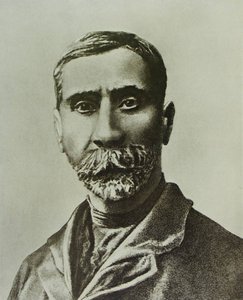
Niko Pirosmani
1862 - 1918 , Georgia
Informazioni rapide
- Artistic Movement Or Style: Primitivismo, Naive art
- Date Of Birth: 1862
- Date Of Death: 1918
- Full Name: Niko Pirosmani
- Nationality: Georgiano
- Notable Artworks:
- Musha con una wineskin
- Matrimonio georgiano
- Ritratto di Zhdanevich
- Place Of Birth (City And Country): Mtskheta, Georgia
Articoli correlati
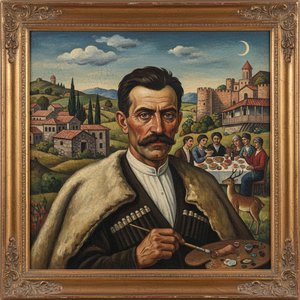
Niko Pirosmani: Vita, Eredità e la Poetica di un Maestro Outsider Georgiano
Esplora la vita e l'opera di Niko Pirosmani, il geniale pittore georgiano outsider. Scopri il suo stile unico, le influenze artistiche e l'eredità che continua a ispirare gli amanti dell'arte in tutto il mondo.

The Enduring Legacy of Oil on Canvas: Technique, History & Aesthetic Impact
Explore the rich history & techniques of oil painting – from Renaissance masters to Impressionism. Discover pigments, layering methods, and why this timeless medium endures. Expert insights for artists & art enthusiasts.

Oil on Canvas: A Historical & Technical Exploration of a Timeless Artistic Medium
Explore the rich history & enduring techniques of oil painting on canvas. Discover the science behind its longevity, conservation practices, and contemporary relevance. Expert insights for art enthusiasts.

The Enduring Power of Painting: A Historical & Contemporary Exploration of Form and Emotion
Explore the rich history & enduring techniques of oil painting with OriginalUniqueArt. Discover masterpieces, learn about art collecting, and find authentic handmade reproductions crafted by skilled artists.

L'Eredità Duratura della Pittura a Olio: Tecnica, Storia e Pratica Contemporanea
Esplora la storia affascinante e le tecniche della pittura a olio. Scopri come i maestri hanno creato capolavori senza tempo e come questa arte vive oggi. : riproduzioni di alta qualità e consulenza esperta.



