Anteprima in scala reale
 Invia
Invia Condividi
 Dettagli opera
 Guida
Guida

 Scarica
 Simili
 Radiografia
 Slideshow
 Statistiche
Vernicle


 Espandi i dettagli
Riproduzione a olio fatta a mano
Olio su tela dipinto a mano nelle tue dimensioni e con la tua cornice, realizzato su ordinazione dai nostri artisti. ( Passa alle stampe Passa all'immagine digitale)




P118B €10

P118H €10

P118W €10

P438Z €10

P508JH €12

P508YH €12

P805H €10

P805Z €10

P919BZ €10

P919G €10

P919XJ €10

P959ZH €10

P968JZ €12

W106C €8

W218G €10

W218JH €8

W218Y €10

W307PJ €10

W316G €10

W316PJ €8

W316Y €10

W398PJ €8

W4111J €10

W500HY €15

W500JH €15

W692G €12

W849H €8

W940BG €15

W953PJ €8




Scegli tra le nostre dimensioni predefinite, che rispettano le proporzioni originali dell'opera d'arte.

Inserisci la larghezza e l'altezza desiderate, per adattarle alla tua cornice o alla tua parete. Trattandosi di un'opera dipinta a mano, in caso di dimensioni con un formato differente, l'artista può estendere leggermente il dipinto oltre i bordi dell'immagine o ritagliare una piccola parte — la scelta spetta a te. Ti invieremo un mockup digitale da approvare prima che la realizzazione abbia inizio. L'immagine mostrata in questa pagina non rappresenta il risultato finale — solo il mockup lo fa.
Dopo l'ordine, il team di OriginalUniqueArt.com contatterà il cliente via e-mail per ricevere le istruzioni e fornirà un'anteprima del mockup
Consegna in tutto il mondo () in 3/4 settimane anziché nelle normali 5 settimane. (28 Ottobre). Nessun compromesso sulla qualità.

Spedizione espressa gratuita in tutto il mondo

Tela in lino di alta qualità

Assicurazione completa sulla spedizione

Garanzia di rimborso dei dazi doganali

Garanzia di fedeltà cromatica assoluta

Politica di reso entro 100 giorni (solo per difetti di fabbricazione)

Garanzia di rimborso al 100%

Offerta per acquisti multipli
 L'opzione vetro è disponibile solo per dimensioni inferiori a 110 cm

Vernicle
Tecnica di riproduzione
Dimensioni riproduzione
-


Prezzo finale calcolato
€ 264
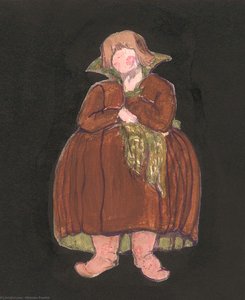
A Monochromatic Echo of Byzantium: Exploring "Vernicle" by Nicholas Roerich
Nicholas Roemerich’s “Vernicle,” created in 1934, is more than just a sketch; it's a carefully constructed meditation on faith, history, and the enduring power of architectural form. Rendered entirely in grayscale, this artwork immediately draws the viewer into a world of quiet contemplation, reminiscent of Byzantine churches found across Russia and beyond. The piece’s strength lies not in vibrant color but in its masterful manipulation of line, tone, and texture – elements that speak to Roerich's profound understanding of artistic technique and his deep-seated spiritual beliefs.
Architectural Precision and the Spirit of Byzantium
- Subject Matter: The artwork’s subject is a meticulously rendered depiction of a Byzantine church or chapel, likely inspired by structures in regions like Russia. This architectural focus wasn't merely representational; it was deeply rooted in Roerich’s belief that art could serve as a bridge between the earthly and the spiritual.
- Composition & Technique: The symmetrical layout emphasizes the central dome and frontal view, creating a sense of stability and reverence. Roerich employs extensive hatching and cross-hatching to build up tonal values, skillfully simulating the texture of stone and mortar. This technique, combined with varying line thicknesses, generates a remarkable sense of depth and volume within the monochrome palette.
- Geometric Harmony: The dominance of geometric shapes – squares, circles, and rectangles – reflects the architectural precision characteristic of Byzantine design. These forms aren’t simply decorative; they contribute to the overall feeling of order and harmony that is central to the artwork's impact.
Symbolism and Emotional Resonance
Beyond its technical brilliance, “Vernicle” resonates with profound symbolic meaning. The cross atop the dome immediately evokes religious iconography, anchoring the image in a tradition of spiritual devotion. The diffused lighting and lack of strong directional shadows contribute to an atmosphere of serenity and timelessness – qualities that are hallmarks of Byzantine art and architecture. Roerich’s work frequently explored themes of cosmic consciousness and the interconnectedness of all things, and this piece subtly reflects those ideas through its focus on a monumental structure representing human aspiration towards the divine.
A Legacy of Line and Tone
Created in 1934, “Vernicle” represents a pivotal moment in Nicholas Roerich’s career. The artwork's simplicity and focus on form—a hallmark of his style—are achieved through painstaking pencil work, demonstrating a dedication to detail and a profound understanding of how line and tone can convey both physical reality and spiritual depth. This reproduction offers an exceptional opportunity to experience the power of Roerich’s vision firsthand, bringing this evocative monochrome masterpiece into your space.
Domande e risposte
In quale fase della carriera di Nikolaj Roerich si colloca "Vernicle", considerando la sua datazione?
Data la sua datazione al 1934, "Vernicle" rientra nel Mature Period di Nikolaj Roerich.
Cosa rappresenta "Vernicle" di Nikolaj Roerich?
I soggetti di "Vernicle" sono byzantine church, architectural sketch, nicholas roerich, monochrome art, russian iconography, geometric shapes, pencil drawing.
Qual è il ruolo di "Vernicle" di Nikolaj Roerich nella storia dell'arte?
Storicamente, "Vernicle" è un'opera Byzantine Architectural Sketch appartenente alla più ampia epoca 19th Century.
Biografia dell'artista
Nicholas Roerich: Vita, Arte e Eredità
Primi Anni di Vita ed Educazione
- Nicholas Konstantinovich Roerich nacque il 9 ottobre 1874 a San Pietroburgo, Russia.
- Suo padre, notaio tedesco baltico, e sua madre, una donna russa, coltivarono in lui fin da giovane un apprezzamento per le arti.
- Roerich perseguì sia il diritto che l'arte contemporaneamente, iscrivendosi all'Università di San Pietroburgo e all'Accademia d'Arti Imperiali nel 1893.
- Ricevette il titolo di “Artista” nel 1897 e una laurea in legge l'anno successivo.
Iniziative Artistiche e Influenze
- Lo sviluppo artistico di Roerich fu significativamente influenzato da Simbolismo Russo, un movimento che enfatizzava la spiritualità e la profondità emotiva.
- Diventò coinvolto nella società “World of Art” di Sergei Diaghilev, diventando presidente dal 1910 al 1916.
- Il suo lavoro iniziale mostrava un fascino per l'archeologia e il design teatrale, portando a collaborazioni su produzioni per i Ballets Russes.
- Fu anche influenzato da apocrifi e scritti settari medievali come il Libro dell’Oca.
Collaborazione con i Ballets Russes
- I progetti di Roerich per i Ballets Russes furono molto apprezzati, in particolare il suo lavoro su Alexander Borodin's Principe Igor (1909) e Igor Stravinsky’s Il Rituale della Primavera (1913).
- I suoi progetti di scenografia combinavano ricerca storica con arte immaginativa, creando produzioni visivamente sbalorditive.
- Questa collaborazione lo affermò come figura di spicco nel design teatrale nei primi anni del XX secolo.
Sviluppo Artistico e Temi
- I dipinti di Roerich si evolsero per incorporare temi sempre più mistici e spirituali, riflettendo il suo crescente interesse per la Teosofia e le religioni orientali.
- La sua serie Studi Architettonici (1904–1905) dimostrò la sua abilità architettonica e il suo impegno nella preservazione del patrimonio culturale.
- Motivi ricorrenti nelle sue opere includono paesaggi maestosi, antiche città e figure religiose come San Pantelemon e Kuan Yin.
- Spesso raffigurava l'Himalaya, una regione che per lui aveva un profondo significato spirituale.
Realizzazioni Principali e Riconoscimenti
- Roerich fu un fervente sostenitore della protezione dell’arte e dell’architettura durante i tempi di guerra.
- I suoi sforzi portarono alla creazione del Patto Roerich (1935), un trattato internazionale per la conservazione degli oggetti culturali, guadagnandogli numerose nomine per il Premio Nobel per la Pace.
- Viaggiò ampiamente in Asia Centrale, conducendo ricerche archeologiche e documentando culture antiche.
- Le sue opere sono esposte in importanti collezioni museali in tutto il mondo, tra cui la Galleria d'Arte di Astrakhan.
Significato Storico ed Eredità
- L’impatto di Nicholas Roerich sull’arte e sulla cultura russa è immensurabile.
- Ha colmato il divario tra l'espressione artistica e l'esplorazione spirituale, influenzando generazioni di artisti e pensatori.
- Il suo impegno nella conservazione del patrimonio culturale rimane rilevante oggi, evidenziando l’importanza di proteggere la nostra eredità condivisa.
- L’eredità di Roerich si estende oltre i suoi dipinti; è ricordato come un artista visionario, studioso e umanitario.

Nikolaj Roerich
1874 - 1947 , Russia
Dettagli rapidi
- Artisti Influenti:
- Gauguin
- Van Gogh
- Data Di Nascita: 9 ottobre 1874
- Luogo Di Nascita: San Pietroburgo, Russia
- Movimento Artistico: Simbolismo russo
- Nazionalità: Russo
- Nome Completo: Nikolaj Konstantinovič Rerich
- Opere Notevoli:
- Monte dei cinque tesori
- Percorso verso Kailas 4
- Ponte di Gloria
- Lago dei Naga
Articoli correlati
The Power of Graphite: Mastering Depth, Texture, and Detail in the Art of Pencil Drawing
Explore the profound artistry of graphite drawing. Discover professional techniques for mastering depth, texture, and detail through a lens of art history, from classical sketches to modern masterpieces. Elevate your understanding of the pencil medium with our expert guide.
The Alchemy of Graphite: An Expert Guide to Mastering Detail and Depth in Pencil Sketching
Unlock the secrets of graphite sketching with our expert guide for art students. Learn to master pencil grades, create realistic depth, and capture intricate textures through professional techniques designed to elevate your observational drawing skills.

Giclée Prints: Archival Quality & Aesthetic Nuances for the Discerning Collector
Explore the world of giclée prints with OriginalUniqueArt. Learn about archival quality, aesthetic nuances & investment potential. Expert guidance for discerning art collectors seeking museum-quality reproductions and lasting value.
The Nuances of Graphite: Exploring Emotional Depth & Technical Mastery in Pencil Drawing
Explore the captivating world of graphite drawing! Discover its rich history, master essential techniques like chiaroscuro, and learn how artists evoke emotion through this timeless medium. Expert insights for art enthusiasts.
The Eloquent Line: Exploring the Artistic Significance of Sketches Across Movements and Media
Explore the profound artistic significance of sketches throughout history. From Renaissance masters to modern innovators like Van Gogh & Guston, discover how these foundational works reveal technique, emotion, and vision. Learn more at OriginalUniqueArt.