Anteprima in scala reale
 Invia
Invia Condividi
 Dettagli opera

 Scarica immagine
 Simili
 Radiografia
 Slideshow
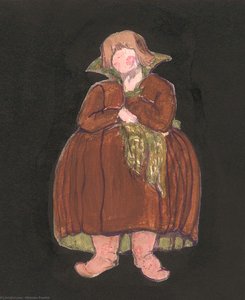
Saint Mercurius


 Espandi i dettagli
Giclée / Stampe d'arte
Stampa giclée o su tela di qualità museale, con produzione rapida e diverse opzioni di finitura. ( Acquista il dipinto realizzato a mano Acquista immagine)




P118B $10

P118H $10

P118W $10

P438Z $10

P508JH $12

P508YH $12

P805H $10

P805Z $10

P919BZ $10

P919G $10

P919XJ $10

P959ZH $10

P968JZ $12

W106C $8

W218G $10

W218JH $8

W218Y $10

W307PJ $10

W316G $10

W316PJ $8

W316Y $10

W398PJ $8

W4111J $10

W500HY $15

W500JH $15

W692G $12

W849H $8

W940BG $15

W953PJ $8




Scegli tra le nostre dimensioni predefinite, che rispettano le proporzioni originali dell'opera d'arte.

È possibile inserire dimensioni personalizzate per adattare l'opera a una cornice o a uno spazio specifico. Se la dimensione selezionata non corrisponde alle proporzioni dell'immagine originale, procederemo al ritaglio dell'opera o all'estensione dell'immagine con un bordo specchiato o a tinta unita. Un mockup digitale ti verrà inviato per approvazione prima dell'inizio della produzione.
Si prega di notare che l'anteprima a schermo non riflette il ritaglio o l'estensione effettivi. Solo il mockup mostrerà accuratamente la composizione finale.
Sebbene siano disponibili dimensioni personalizzate, si raccomanda di selezionare una dimensione dall'elenco predefinito per preservare le proporzioni originali.
Consegna in tutto il mondo () in 2 settimane invece delle normali 4/5 settimane. (25 Agosto)

Spedizione espressa gratuita in tutto il mondo

Tela in lino di alta qualità

Assicurazione completa sulla spedizione

Garanzia di rimborso dei dazi doganali

Garanzia di fedeltà cromatica

Politica di reso entro 60 giorni (solo per difetti di fabbricazione)

Garanzia di rimborso al 100%

Offerta per acquisti multipli
 L'opzione vetro è disponibile solo per dimensioni inferiori a 110 cm

Saint Mercurius
Giclée / Stampe d'arte
Dimensioni riproduzione
-


Prezzo totale calcolato
$ 80
Descrizione del pezzo
A Celestial Journey Through Stone and Spirit
In the profound stillness of Nicholas Roerich’s Saint Mercurius, the viewer is invited to step beyond the boundaries of the physical world and into a realm where the earthly landscape breathes with divine intention. Painted in 1936, during the height of the artist's transformative Himalayan expeditions, this masterpiece serves as much more than a mere depiction of a holy figure; it is a meditative window into the interconnectedness of all existence. Roerich, a true polymath of the early twentieth century, utilizes the rugged, mountainous terrain not just as a backdrop, but as a sacred stage where the pilgrimage of the soul is visually enacted. The painting captures that rare, breathless moment of transition—a movement through an ancient stone archway that symbolizes the threshold between the mundane and the eternal.
The composition is anchored by a solitary rider, astride a horse that moves with a quiet, rhythmic grace beneath a weathered, monumental arch. This figure, draped in robes adorned with intricate geometric patterns, carries the weight of deep spiritual heritage. The presence of a soft, luminous halo above the rider’s head serves as a beacon of spiritual illumination, signaling to the observer that this is no ordinary traveler, but a vessel of sanctity. Roerich masterfully weaves elements of Tibetan Buddhist iconography—spirals and circles representing cosmic unity—into the very fabric of the character's attire, creating a rich tapestry of Eastern mysticism that resonates with anyone seeking depth and meaning in their surroundings.
The Alchemy of Light and Layered Technique
To behold Saint Mercurius is to witness the mastery of Symbolist technique. Roerich’s approach to the canvas was deeply alchemical, employing a sophisticated layering process to achieve a sense of ethereal depth. He began with a foundational wash of muted ochre and umber, establishing a hazy, atmospheric base that evokes the thin, crisp air of high-altitude foothills. Upon this foundation, he applied meticulous glazes—thin, translucent layers of pigment—that allow light to penetrate the surface and reflect back from within the painting itself. This technique imbues the rock formations and vegetation with an inner glow, making the landscape appear as though it were vibrating with a hidden, spiritual energy.
The color palette is a deliberate study in contrast and harmony. While the earth tones of the stone and soil provide a grounding, tactile reality, they are punctuated by unexpected flourishes of blues and greens that suggest the presence of life amidst the desolation. For the discerning collector or interior designer, this balance of rugged texture and luminous color offers an extraordinary versatility. The painting possesses a quiet authority that can anchor a grand, minimalist space or add a layer of contemplative sophistication to a more richly textured room, acting as a focal point that draws the eye inward toward its many layers of meaning.
An Enduring Legacy for the Modern Collector
Beyond its aesthetic brilliance, Saint Mercurius carries the profound historical weight of Roerich’s life mission: the pursuit of peace and cultural preservation. As an archaeologist and philosopher, Roerich understood that art is a bridge between civilizations. This work, therefore, offers more than just visual pleasure; it offers a connection to the ancient wisdom of the Himalayas and the enduring human quest for transcendence. It is a piece designed for those who appreciate art that challenges the intellect while soothing the spirit.
For those seeking to adorn their homes or curated collections with a high-quality reproduction, this painting represents an investment in atmosphere. A well-placed reproduction of Roerich’s work does not merely decorate a wall; it transforms a room into a sanctuary. It invites guests to pause, to breathe, and to embark on their own silent pilgrimage through the textures of stone and the light of the spirit. In an era of fleeting digital imagery, the profound, tactile permanence of Roerich's vision remains a timeless treasure for the modern connoisseur.
Biografia dell'artista
Nicholas Roerich: Vita, Arte e Eredità
Primi Anni di Vita ed Educazione
- Nicholas Konstantinovich Roerich nacque il 9 ottobre 1874 a San Pietroburgo, Russia.
- Suo padre, notaio tedesco baltico, e sua madre, una donna russa, coltivarono in lui fin da giovane un apprezzamento per le arti.
- Roerich perseguì sia il diritto che l'arte contemporaneamente, iscrivendosi all'Università di San Pietroburgo e all'Accademia d'Arti Imperiali nel 1893.
- Ricevette il titolo di “Artista” nel 1897 e una laurea in legge l'anno successivo.
Iniziative Artistiche e Influenze
- Lo sviluppo artistico di Roerich fu significativamente influenzato da Simbolismo Russo, un movimento che enfatizzava la spiritualità e la profondità emotiva.
- Diventò coinvolto nella società “World of Art” di Sergei Diaghilev, diventando presidente dal 1910 al 1916.
- Il suo lavoro iniziale mostrava un fascino per l'archeologia e il design teatrale, portando a collaborazioni su produzioni per i Ballets Russes.
- Fu anche influenzato da apocrifi e scritti settari medievali come il Libro dell’Oca.
Collaborazione con i Ballets Russes
- I progetti di Roerich per i Ballets Russes furono molto apprezzati, in particolare il suo lavoro su Alexander Borodin's Principe Igor (1909) e Igor Stravinsky’s Il Rituale della Primavera (1913).
- I suoi progetti di scenografia combinavano ricerca storica con arte immaginativa, creando produzioni visivamente sbalorditive.
- Questa collaborazione lo affermò come figura di spicco nel design teatrale nei primi anni del XX secolo.
Sviluppo Artistico e Temi
- I dipinti di Roerich si evolsero per incorporare temi sempre più mistici e spirituali, riflettendo il suo crescente interesse per la Teosofia e le religioni orientali.
- La sua serie Studi Architettonici (1904–1905) dimostrò la sua abilità architettonica e il suo impegno nella preservazione del patrimonio culturale.
- Motivi ricorrenti nelle sue opere includono paesaggi maestosi, antiche città e figure religiose come San Pantelemon e Kuan Yin.
- Spesso raffigurava l'Himalaya, una regione che per lui aveva un profondo significato spirituale.
Realizzazioni Principali e Riconoscimenti
- Roerich fu un fervente sostenitore della protezione dell’arte e dell’architettura durante i tempi di guerra.
- I suoi sforzi portarono alla creazione del Patto Roerich (1935), un trattato internazionale per la conservazione degli oggetti culturali, guadagnandogli numerose nomine per il Premio Nobel per la Pace.
- Viaggiò ampiamente in Asia Centrale, conducendo ricerche archeologiche e documentando culture antiche.
- Le sue opere sono esposte in importanti collezioni museali in tutto il mondo, tra cui la Galleria d'Arte di Astrakhan.
Significato Storico ed Eredità
- L’impatto di Nicholas Roerich sull’arte e sulla cultura russa è immensurabile.
- Ha colmato il divario tra l'espressione artistica e l'esplorazione spirituale, influenzando generazioni di artisti e pensatori.
- Il suo impegno nella conservazione del patrimonio culturale rimane rilevante oggi, evidenziando l’importanza di proteggere la nostra eredità condivisa.
- L’eredità di Roerich si estende oltre i suoi dipinti; è ricordato come un artista visionario, studioso e umanitario.

Nikolaj Roerich
1874 - 1947 , Russia
Dati rapidi
- Artisti Influenti:
- Gauguin
- Van Gogh
- Data Di Nascita: 9 ottobre 1874
- Luogo Di Nascita: San Pietroburgo, Russia
- Movimento Artistico: Simbolismo russo
- Nazionalità: Russo
- Nome Completo: Nikolaj Konstantinovič Rerich
- Opere Notevoli:
- Monte dei cinque tesori
- Percorso verso Kailas 4
- Ponte di Gloria
- Lago dei Naga
Articoli correlati

Nicholas Roerich: Misticismo, Montagne e la Ricerca di una Saggezza Senza Tempo nell'Arte
Esplora il mondo affascinante di Nicholas Roerich: simbolismo, paesaggi himalayani e la profonda filosofia dell'Agni Yoga. Scopri l'arte che rivela saggezza senza tempo e un viaggio spirituale unico.

I 10 Capolavori del Paesaggio Romantico: Arte, Storia e Decorazioni di Lusso
Esplora i 10 capolavori del Paesaggio Romantico con OriginalUniqueArt.com! Caspar David Friedrich, Turner e altri maestri: storia, tecnica e colori che definiscono un'epoca. Trova riproduzioni d'arte di lusso per la tua casa. Scopri la collezione completa online!

Evocations of Place: A Historical Journey Through Landscape Art
Explore the rich history of landscape art with OriginalUniqueArt. Discover renowned artists, movements like Impressionism & Romanticism, and expert guidance for collecting timeless pieces. Find your perfect serene escape today!

John Constable: I 25 Capolavori che Celebrano la Bellezza della Campagna Inglese
Esplora i 25 capolavori di John Constable, il maestro del Romanticismo inglese. Paesaggi suggestivi, luce naturale e colori vibranti ti aspettano. Acquista riproduzioni d'arte di alta qualità su OriginalUniqueArt.com e porta la bellezza della campagna inglese nella tua casa.

Evocations of Place: A Historical Journey Through Landscape Art
Explore the rich history of landscape art with OriginalUniqueArt. Discover renowned artists, movements like Impressionism & tonalism, and expert guidance for collecting timeless pieces. Find your perfect serene escape today!