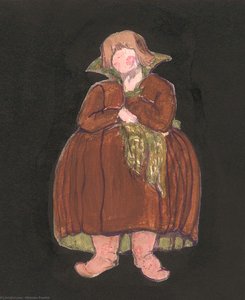
Anteprima in scala reale
 Condividi
 Condividi
 Dettagli
 Guida stampabile

 Scarica
 Articoli simili
 Radiografia
 Slideshow
 Statistiche
Mount Fuji
 Tempera
- WallArt
- Impressionism
 1936
1936- Modern
 31.0 x 46.0 cm
 Museo Nazionale di Arte Lettono
 Leggi tutto
Giclée / Stampe d'arte
Stampa giclée o su tela di qualità museale, con produzione rapida e diverse opzioni di finitura. ( Ordina la riproduzione dipinta a mano Passa all'immagine digitale)




P118B €10

P118H €10

P118W €10

P438Z €10

P508JH €12

P508YH €12

P805H €10

P805Z €10

P919BZ €10

P919G €10

P919XJ €10

P959ZH €10

P968JZ €12

W106C €8

W218G €10

W218JH €8

W218Y €10

W307PJ €10

W316G €10

W316PJ €8

W316Y €10

W398PJ €8

W4111J €10

W500HY €15

W500JH €15

W692G €12

W849H €8

W940BG €15

W953PJ €8




Scegli tra le nostre dimensioni predefinite, che rispettano le proporzioni originali dell'opera d'arte.

È possibile inserire dimensioni personalizzate per adattare l'opera a una cornice o a uno spazio specifico. Se la dimensione selezionata non corrisponde alle proporzioni dell'immagine originale, procederemo al ritaglio dell'opera o all'estensione dell'immagine con un bordo specchiato o a tinta unita. Un mockup digitale ti verrà inviato per approvazione prima dell'inizio della produzione.
Si prega di notare che l'anteprima a schermo non riflette il ritaglio o l'estensione effettivi. Solo il mockup mostrerà accuratamente la composizione finale.
Sebbene siano disponibili dimensioni personalizzate, si raccomanda di selezionare una dimensione dall'elenco predefinito per preservare le proporzioni originali.
Consegna in tutto il mondo () in 2 settimane invece delle normali 4/5 settimane. (13 Ottobre)

Spedizione espressa gratuita in tutto il mondo

Tela in lino di alta qualità

Assicurazione completa sulla spedizione

Garanzia di rimborso dei dazi doganali

Garanzia di perfetta fedeltà cromatica

Politica di reso entro 100 giorni (solo per difetti di fabbricazione)

Garanzia di rimborso al 100%

Sconto per acquisti multipli
 L'opzione vetro è disponibile solo per dimensioni inferiori a 110 cm

Mount Fuji
Giclée / Stampe d'arte
Dimensioni della riproduzione
-


Prezzo totale
€ 69
A Visionary Encounter with the Sacred Peak
In the quiet intersection of the terrestrial and the divine, Nicholas Roerich’s Mount Fuji stands as a profound testament to the spiritual resonance of the natural world. While many artists have approached this iconic Japanese volcano through the lens of mere topography, Roerich transcends the physical landscape to capture something far more elusive: the very breath of the mountain itself. Created in 1936, this masterpiece invites the viewer into a realm where the air feels thin and pure, as if one is standing on the precipice of an ancient, sacred truth. The painting does not simply depict a mountain; it orchestrates a visual pilgrimage, guiding the eye through a landscape that feels simultaneously grounded in earth and reaching toward the infinite.
The composition is dominated by the imposing presence of the snow-capped peak, which commands the viewer's attention with an almost architectural stability. Yet, this monumental stillness is balanced by a delicate interplay of light and atmosphere. Roerich utilizes a warm, orange-hued sky to bathe the scene in a soft, ethereal glow, suggesting either the first blush of dawn or the lingering embers of a sunset. This choice of palette creates a sense of profound warmth that contrasts beautifully with the cool, crisp white of the mountain's snowy mantle. Scattered throughout the foreground and midground, subtle silhouettes of trees and secondary peaks add layers of depth, creating a rhythmic movement that leads the gaze deeper into this tranquil, dreamlike wilderness.
The Mastery of Color and Spirit
Technically, the work reflects Roerich’s unique ability to blend the precision of a master draftsman with the emotive power of a mystic. Using a delicate application of tempera on canvas, he achieves a luminous quality that allows light to seem as though it is emanating from within the pigment itself. The transitions between the vibrant sky and the shadowed slopes are handled with extraordinary grace, avoiding harsh boundaries in favor of a soft, atmospheric diffusion. This technique is essential to the painting's emotional impact; it softens the ruggedness of the volcanic terrain, transforming a geological feature into a symbol of peace and eternal endurance.
For the discerning collector or interior designer, Mount Fuji offers more than just aesthetic beauty; it provides an anchor of serenity. The painting functions as a window into a meditative state, making it an ideal centerpiece for spaces dedicated to reflection, study, or quiet luxury. Its ability to harmonize bold, warm tones with cool, tranquil whites allows it to integrate seamlessly into diverse decor styles—from the minimalist elegance of modern galleries to the rich, textured layers of a classical study. To possess a reproduction of this work is to bring a piece of the sublime into one's personal environment, fostering an atmosphere of timelessness and spiritual grace.
Domande e risposte
In che anno è stata realizzata l'opera "Mount Fuji" di Nikolaj Roerich?
"Mount Fuji" risale al 1936. La data colloca l'opera all'interno della carriera di Nikolaj Roerich e della sua epoca.
Qual è la luminosità di "Mount Fuji" di Nikolaj Roerich?
I colori di "Mount Fuji" mostrano una luminanza Gentle Luminance.
È disponibile una presentazione a diapositiva per "Mount Fuji" di Nikolaj Roerich?
È disponibile un diaporama: la pagina Slideshow di "Mount Fuji" di Nikolaj Roerich.
Che atmosfera Mount Fuji saprebbe donare a un ambiente?
L'atmosfera Calm di "Mount Fuji" di Nikolaj Roerich si sposa perfettamente con lo spazio consigliato: un/una Living Room.
Che tipo di opera è "Mount Fuji"?
Nel catalogo, "Mount Fuji" di Nikolaj Roerich è classificato come WallArt. La categoria aiuta a trovare opere simili.
Quando e con quali materiali è stata realizzata "Mount Fuji"?
"Mount Fuji" è stata realizzata nel 1936 con la tecnica Tempera. Il materiale e la data descrivono come e quando è stata creata l'opera originale.
Come può essere utilizzato "Mount Fuji" di Nikolaj Roerich nell'arredamento d'interni?
"Mount Fuji" è consigliato per Accent, e lo spazio ideale è un Living Room.
Dove posso trovare le statistiche relative a "Mount Fuji" di Nikolaj Roerich?
Le statistiche relative a "Mount Fuji" di Nikolaj Roerich sono disponibili nella pagina Statistiche dell'opera: visite mensili dell'opera, visite alle opere dell'artista e ripartizione per paese e lingua dei visitatori recenti.
Biografia dell'artista
Nicholas Roerich: Vita, Arte e Eredità
Primi Anni di Vita ed Educazione
- Nicholas Konstantinovich Roerich nacque il 9 ottobre 1874 a San Pietroburgo, Russia.
- Suo padre, notaio tedesco baltico, e sua madre, una donna russa, coltivarono in lui fin da giovane un apprezzamento per le arti.
- Roerich perseguì sia il diritto che l'arte contemporaneamente, iscrivendosi all'Università di San Pietroburgo e all'Accademia d'Arti Imperiali nel 1893.
- Ricevette il titolo di “Artista” nel 1897 e una laurea in legge l'anno successivo.
Iniziative Artistiche e Influenze
- Lo sviluppo artistico di Roerich fu significativamente influenzato da Simbolismo Russo, un movimento che enfatizzava la spiritualità e la profondità emotiva.
- Diventò coinvolto nella società “World of Art” di Sergei Diaghilev, diventando presidente dal 1910 al 1916.
- Il suo lavoro iniziale mostrava un fascino per l'archeologia e il design teatrale, portando a collaborazioni su produzioni per i Ballets Russes.
- Fu anche influenzato da apocrifi e scritti settari medievali come il Libro dell’Oca.
Collaborazione con i Ballets Russes
- I progetti di Roerich per i Ballets Russes furono molto apprezzati, in particolare il suo lavoro su Alexander Borodin's Principe Igor (1909) e Igor Stravinsky’s Il Rituale della Primavera (1913).
- I suoi progetti di scenografia combinavano ricerca storica con arte immaginativa, creando produzioni visivamente sbalorditive.
- Questa collaborazione lo affermò come figura di spicco nel design teatrale nei primi anni del XX secolo.
Sviluppo Artistico e Temi
- I dipinti di Roerich si evolsero per incorporare temi sempre più mistici e spirituali, riflettendo il suo crescente interesse per la Teosofia e le religioni orientali.
- La sua serie Studi Architettonici (1904–1905) dimostrò la sua abilità architettonica e il suo impegno nella preservazione del patrimonio culturale.
- Motivi ricorrenti nelle sue opere includono paesaggi maestosi, antiche città e figure religiose come San Pantelemon e Kuan Yin.
- Spesso raffigurava l'Himalaya, una regione che per lui aveva un profondo significato spirituale.
Realizzazioni Principali e Riconoscimenti
- Roerich fu un fervente sostenitore della protezione dell’arte e dell’architettura durante i tempi di guerra.
- I suoi sforzi portarono alla creazione del Patto Roerich (1935), un trattato internazionale per la conservazione degli oggetti culturali, guadagnandogli numerose nomine per il Premio Nobel per la Pace.
- Viaggiò ampiamente in Asia Centrale, conducendo ricerche archeologiche e documentando culture antiche.
- Le sue opere sono esposte in importanti collezioni museali in tutto il mondo, tra cui la Galleria d'Arte di Astrakhan.
Significato Storico ed Eredità
- L’impatto di Nicholas Roerich sull’arte e sulla cultura russa è immensurabile.
- Ha colmato il divario tra l'espressione artistica e l'esplorazione spirituale, influenzando generazioni di artisti e pensatori.
- Il suo impegno nella conservazione del patrimonio culturale rimane rilevante oggi, evidenziando l’importanza di proteggere la nostra eredità condivisa.
- L’eredità di Roerich si estende oltre i suoi dipinti; è ricordato come un artista visionario, studioso e umanitario.

Nikolaj Roerich
1874 - 1947 , Russia
Informazioni rapide
- Artisti Influenti:
- Gauguin
- Van Gogh
- Data Di Nascita: 9 ottobre 1874
- Luogo Di Nascita: San Pietroburgo, Russia
- Movimento Artistico: Simbolismo russo
- Nazionalità: Russo
- Nome Completo: Nikolaj Konstantinovič Rerich
- Opere Notevoli:
- Monte dei cinque tesori
- Percorso verso Kailas 4
- Ponte di Gloria
- Lago dei Naga
Articoli correlati
Echoes of Eternity: Unveiling the Spiritual Depth and Timeless Beauty of Japanese Landscape Painting
Embark on a soulful journey through the ephemeral beauty of Japanese landscape painting. Discover the profound philosophy of Ukiyo-e and the legendary mastery of Hokusai. Explore timeless artistry and find inspiration in the spiritual depth of nature's most captivating landscapes.
Serenity on Canvas: A Guide to the Timeless Beauty of Japanese Landscape Painting
Discover the serene beauty of Japanese landscape painting. From Hokusai's iconic woodblock prints to meditative sumi-e ink washes, explore a visual journey through the 'floating world' and learn how to bring this timeless Zen aesthetic into your modern home decor.

Katsushika Hokusai: Le 25 Opere Più Iconiche per Amare l'Arte Giapponese
Esplora le 25 opere più iconiche di Katsushika Hokusai, maestro dell'ukiyo-e. Scopri la storia dietro 'La Grande Onda', il Monte Fuji e altre stampe giapponesi senza tempo. Trova riproduzioni d'arte di alta qualità per decorare la tua casa su OriginalUniqueArt.com.

Floating Worlds: A Definitive Guide to the Mastery and Philosophy of Japanese Ukiyo-e Woodblock Prints
Explore the profound beauty of Ukiyo-e. Discover the history, philosophy, and legendary masters of Japanese woodblock prints, from Hokusai to Kuniyoshi, in this expert guide to the 'Floating World'.

Katsushika Hokusai: Vita, Arte e l'Eredità Duratura del Maestro dell'Ukiyo-e
Esplora la vita e l'arte rivoluzionaria di Katsushika Hokusai, il maestro dell'Ukiyo-e. Scopri le sue opere iconiche come le Trentasei Viste del Monte Fuji e l'influenza duratura sull'arte mondiale.