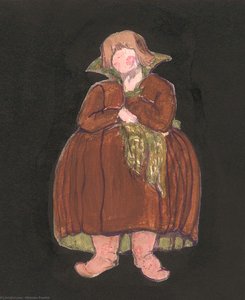
Anteprima in scala reale
 Invia
Invia Condividi
 Dettagli opera

 Scarica immagine
 Simili
 Radiografia
 Slideshow
Chapel


 Espandi i dettagli
Giclée / Stampe d'arte
Stampa giclée o su tela di qualità museale, con produzione rapida e diverse opzioni di finitura. ( Acquista il dipinto realizzato a mano Acquista immagine)




P118B $10

P118H $10

P118W $10

P438Z $10

P508JH $12

P508YH $12

P805H $10

P805Z $10

P919BZ $10

P919G $10

P919XJ $10

P959ZH $10

P968JZ $12

W106C $8

W218G $10

W218JH $8

W218Y $10

W307PJ $10

W316G $10

W316PJ $8

W316Y $10

W398PJ $8

W4111J $10

W500HY $15

W500JH $15

W692G $12

W849H $8

W940BG $15

W953PJ $8




Scegli tra le nostre dimensioni predefinite, che rispettano le proporzioni originali dell'opera d'arte.

È possibile inserire dimensioni personalizzate per adattare l'opera a una cornice o a uno spazio specifico. Se la dimensione selezionata non corrisponde alle proporzioni dell'immagine originale, procederemo al ritaglio dell'opera o all'estensione dell'immagine con un bordo specchiato o a tinta unita. Un mockup digitale ti verrà inviato per approvazione prima dell'inizio della produzione.
Si prega di notare che l'anteprima a schermo non riflette il ritaglio o l'estensione effettivi. Solo il mockup mostrerà accuratamente la composizione finale.
Sebbene siano disponibili dimensioni personalizzate, si raccomanda di selezionare una dimensione dall'elenco predefinito per preservare le proporzioni originali.
Consegna in tutto il mondo () in 2 settimane invece delle normali 4/5 settimane. (25 Agosto)

Spedizione espressa gratuita in tutto il mondo

Tela in lino di alta qualità

Assicurazione completa sulla spedizione

Garanzia di rimborso dei dazi doganali

Garanzia di fedeltà cromatica

Politica di reso entro 60 giorni (solo per difetti di fabbricazione)

Garanzia di rimborso al 100%

Offerta per acquisti multipli
 L'opzione vetro è disponibile solo per dimensioni inferiori a 110 cm

Chapel
Giclée / Stampe d'arte
Dimensioni riproduzione
-


Prezzo totale calcolato
$ 80
Descrizione del pezzo
A Visionary’s Sanctuary: Exploring Nicholas Roerich's "Chapel"
Nicholas Roerich, a figure both revered and enigmatic, possessed an artistic vision that transcended mere representation. His work wasn’t simply about depicting scenes; it was about channeling spiritual energies and weaving them into tangible forms. “Chapel,” painted in the early 20th century, stands as a potent example of this philosophy – a deeply symbolic interior space imbued with a sense of timelessness and profound contemplation. The painting immediately draws the eye to its central figure, a solitary man traversing a long, echoing hallway, his posture suggesting both purpose and a quiet introspection. This isn’t a portrait of an individual; it's a representation of the human journey through life, a symbolic pilgrimage towards something greater.
The color palette is dominated by blues – deep, resonant hues that evoke a sense of mystery and serenity. These aren’t cheerful blues, but rather those found in twilight or the depths of ancient forests, hinting at hidden knowledge and spiritual realms. The arches above, adorned with columns, create an atmosphere of grandeur and reverence, reminiscent of Byzantine churches and echoing the vastness of the cosmos. The use of light is particularly masterful; it’s diffused and ethereal, suggesting a divine presence rather than direct illumination, further reinforcing the painting's contemplative mood.
Symbolism Rooted in Roerich’s Worldview
Roerich’s artistic practice was deeply intertwined with his belief in a universal spiritual consciousness – a concept he termed “The Creative Impulse.” He saw art as a vehicle for connecting humanity to this underlying force, and "Chapel" is replete with symbolic elements reflecting this worldview. The solitary figure, walking down the hallway, represents the individual soul’s journey towards enlightenment. The arches, reminiscent of mandalas or sacred spaces, symbolize the interconnectedness of all things and the cyclical nature of existence. The two figures flanking the central figure could represent guides or mentors on that spiritual path, offering support and direction.
Furthermore, the architectural details – the columns, the arches, the overall structure – are reminiscent of ancient Russian churches, drawing upon a rich tradition of religious art and symbolism. Roerich was deeply interested in archaeology and history, believing that understanding the past held keys to unlocking the present and future. This interest is evident in his meticulous attention to detail and his incorporation of historical motifs into his work.
Technique and Artistic Style
“Chapel” exemplifies Roerich’s signature Symbolism style, characterized by its dreamlike quality, symbolic imagery, and emphasis on spiritual themes. He employed a technique that blended realism with abstraction, creating figures and spaces that felt both familiar and otherworldly. The brushstrokes are generally smooth and flowing, contributing to the painting's sense of tranquility and depth. Roerich’s use of color is particularly noteworthy – he masterfully manipulated hues to evoke specific emotions and create a powerful visual impact.
The painting’s composition is carefully balanced, with the central figure occupying a prominent position while maintaining a sense of spaciousness and openness. The long hallway draws the viewer's eye into the distance, creating a feeling of limitless possibility. It’s important to note that Roerich was also an accomplished architect and designer, and this expertise clearly informed his approach to painting – he treated each element of the composition with deliberate care and attention to detail.
A Legacy of Spiritual Art
“Chapel” is more than just a beautiful painting; it’s a profound meditation on the human condition. It invites viewers to contemplate their own spiritual journeys, to seek meaning in the face of uncertainty, and to connect with something larger than themselves. Nicholas Roerich's work continues to resonate today because of its timeless themes and its ability to evoke deep emotions. Reproductions of “Chapel” can bring a sense of peace and contemplation into any space, serving as a reminder of the beauty and mystery that lie within the human spirit.
Biografia dell'artista
Nicholas Roerich: Vita, Arte e Eredità
Primi Anni di Vita ed Educazione
- Nicholas Konstantinovich Roerich nacque il 9 ottobre 1874 a San Pietroburgo, Russia.
- Suo padre, notaio tedesco baltico, e sua madre, una donna russa, coltivarono in lui fin da giovane un apprezzamento per le arti.
- Roerich perseguì sia il diritto che l'arte contemporaneamente, iscrivendosi all'Università di San Pietroburgo e all'Accademia d'Arti Imperiali nel 1893.
- Ricevette il titolo di “Artista” nel 1897 e una laurea in legge l'anno successivo.
Iniziative Artistiche e Influenze
- Lo sviluppo artistico di Roerich fu significativamente influenzato da Simbolismo Russo, un movimento che enfatizzava la spiritualità e la profondità emotiva.
- Diventò coinvolto nella società “World of Art” di Sergei Diaghilev, diventando presidente dal 1910 al 1916.
- Il suo lavoro iniziale mostrava un fascino per l'archeologia e il design teatrale, portando a collaborazioni su produzioni per i Ballets Russes.
- Fu anche influenzato da apocrifi e scritti settari medievali come il Libro dell’Oca.
Collaborazione con i Ballets Russes
- I progetti di Roerich per i Ballets Russes furono molto apprezzati, in particolare il suo lavoro su Alexander Borodin's Principe Igor (1909) e Igor Stravinsky’s Il Rituale della Primavera (1913).
- I suoi progetti di scenografia combinavano ricerca storica con arte immaginativa, creando produzioni visivamente sbalorditive.
- Questa collaborazione lo affermò come figura di spicco nel design teatrale nei primi anni del XX secolo.
Sviluppo Artistico e Temi
- I dipinti di Roerich si evolsero per incorporare temi sempre più mistici e spirituali, riflettendo il suo crescente interesse per la Teosofia e le religioni orientali.
- La sua serie Studi Architettonici (1904–1905) dimostrò la sua abilità architettonica e il suo impegno nella preservazione del patrimonio culturale.
- Motivi ricorrenti nelle sue opere includono paesaggi maestosi, antiche città e figure religiose come San Pantelemon e Kuan Yin.
- Spesso raffigurava l'Himalaya, una regione che per lui aveva un profondo significato spirituale.
Realizzazioni Principali e Riconoscimenti
- Roerich fu un fervente sostenitore della protezione dell’arte e dell’architettura durante i tempi di guerra.
- I suoi sforzi portarono alla creazione del Patto Roerich (1935), un trattato internazionale per la conservazione degli oggetti culturali, guadagnandogli numerose nomine per il Premio Nobel per la Pace.
- Viaggiò ampiamente in Asia Centrale, conducendo ricerche archeologiche e documentando culture antiche.
- Le sue opere sono esposte in importanti collezioni museali in tutto il mondo, tra cui la Galleria d'Arte di Astrakhan.
Significato Storico ed Eredità
- L’impatto di Nicholas Roerich sull’arte e sulla cultura russa è immensurabile.
- Ha colmato il divario tra l'espressione artistica e l'esplorazione spirituale, influenzando generazioni di artisti e pensatori.
- Il suo impegno nella conservazione del patrimonio culturale rimane rilevante oggi, evidenziando l’importanza di proteggere la nostra eredità condivisa.
- L’eredità di Roerich si estende oltre i suoi dipinti; è ricordato come un artista visionario, studioso e umanitario.

Nikolaj Roerich
1874 - 1947 , Russia
Dati rapidi
- Artisti Influenti:
- Gauguin
- Van Gogh
- Data Di Nascita: 9 ottobre 1874
- Luogo Di Nascita: San Pietroburgo, Russia
- Movimento Artistico: Simbolismo russo
- Nazionalità: Russo
- Nome Completo: Nikolaj Konstantinovič Rerich
- Opere Notevoli:
- Monte dei cinque tesori
- Percorso verso Kailas 4
- Ponte di Gloria
- Lago dei Naga
Articoli correlati

Nicholas Roerich: Misticismo, Montagne e la Ricerca di una Saggezza Senza Tempo nell'Arte
Esplora il mondo affascinante di Nicholas Roerich: simbolismo, paesaggi himalayani e la profonda filosofia dell'Agni Yoga. Scopri l'arte che rivela saggezza senza tempo e un viaggio spirituale unico.

Mastering the Heavens: A Definitive Guide to the Sistine Chapel's Renaissance Masterpieces
Embark on a sophisticated journey through the Sistine Chapel. Discover the profound artistry of Michelangelo’s frescoes, from the iconic ceiling to the altar wall, through an expert exploration of Renaissance mastery and theological depth.
Elevate Your First Impression: A Newlywed's Guide to Choosing Art Reproductions for a Stunning Hallway
Transform your hallway into a stunning gallery with our expert guide for newlyweds. Discover how to choose museum-quality art reproductions, from custom wedding portraits to timeless masterpieces, to create a breathtaking first impression in your new home.
Michelangelo Buonarroti: I 25 Capolavori Immortali per Arredare con Arte
Esplora i 25 capolavori immortali di Michelangelo Buonarroti. Scopri la storia, le tecniche e l'emozione dietro opere iconiche come il David e la Pietà. Arreda con arte rinascimentale: riproduzioni di alta qualità su OriginalUniqueArt.com.
Giotto di Bondone: I 25 Capolavori che Hanno Rivoluzionato l'Arte e Decorano le Case
Esplora i 25 capolavori di Giotto di Bondone, il pittore che rivoluzionò l'arte medievale. Affreschi iconici, colori vibranti e storie emozionanti ti aspettano. Trova riproduzioni d'arte di alta qualità per decorare la tua casa su OriginalUniqueArt.com!