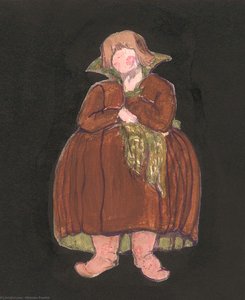
Anteprima in scala reale
 Invia
Invia Condividi
 Dettagli opera
 Guida
Guida

 Scarica
 Simili
 Radiografia
 Slideshow
 Domande e risposte
 Statistiche
Book of Doves


 Espandi i dettagli
Giclée / Stampe d'arte
Stampa giclée o su tela di qualità museale, con produzione rapida e diverse opzioni di finitura. ( Acquista il dipinto realizzato a mano Passa all'immagine digitale)




P118B €10

P118H €10

P118W €10

P438Z €10

P508JH €12

P508YH €12

P805H €10

P805Z €10

P919BZ €10

P919G €10

P919XJ €10

P959ZH €10

P968JZ €12

W106C €8

W218G €10

W218JH €8

W218Y €10

W307PJ €10

W316G €10

W316PJ €8

W316Y €10

W398PJ €8

W4111J €10

W500HY €15

W500JH €15

W692G €12

W849H €8

W940BG €15

W953PJ €8




Scegli tra le nostre dimensioni predefinite, che rispettano le proporzioni originali dell'opera d'arte.

Inserisci la larghezza e l'altezza desiderate, per adattarle alla tua cornice o alla tua parete. Una stampa può essere solo ritagliata, mai resa più grande dell'immagine originale; pertanto, un formato con una forma differente comporterà la perdita di una parte dell'opera. Ti invieremo un mockup digitale da approvare prima di procedere con la stampa. L'immagine mostrata in questa pagina non rappresenta il ritaglio reale — solo il mockup lo mostra.
Consegna in tutto il mondo () in 2 settimane invece delle normali 4/5 settimane. (8 Novembre)

Spedizione espressa gratuita in tutto il mondo

Tela in lino di alta qualità

Assicurazione completa sulla spedizione

Garanzia di rimborso dei dazi doganali

Garanzia di fedeltà cromatica assoluta

Politica di reso entro 100 giorni (solo per difetti di fabbricazione)

Garanzia di rimborso al 100%

Offerta per acquisti multipli
 L'opzione vetro è disponibile solo per dimensioni inferiori a 110 cm

Book of Doves
Giclée / Stampe d'arte
Dimensioni riproduzione
-


Prezzo finale calcolato
€ 72
The Book of Doves: A Tapestry of Faith and Mysticism by Nicholas Roerich
Nicholas Roerich’s “Book of Doves,” painted in 1911, isn't merely a depiction of a gathering; it’s an immersive experience—a visual meditation on spirituality, ancient wisdom, and the enduring power of symbolism. Emerging from the vibrant currents of Art Nouveau, this monumental work transcends stylistic categorization, instead embodying Roerich’s deeply personal synthesis of artistic vision, archaeological research, and philosophical inquiry. The painting immediately draws the viewer into a scene brimming with solemnity and profound contemplation, inviting us to decipher its layered meanings.
At first glance, the composition presents a circle of robed figures, their garments rich in intricate embroidery and symbolic motifs—a testament to Roerich’s meticulous attention to detail. These aren't ordinary individuals; they are clearly scholars, perhaps even prophets or enlightened beings, gathered around an open book. The architecture surrounding them – a fortified structure hinting at sacred space – reinforces this sense of reverence. The palette is dominated by deep blues and golds, colors traditionally associated with divinity and the heavens, creating an atmosphere that feels both earthly and ethereal.
A Window into Roerich’s Worldview
To truly appreciate “Book of Doves,” it's crucial to understand Nicholas Roerich’s unique worldview. Born in 1874, he was a polymath—an archaeologist, writer, philosopher, and above all, an artist deeply influenced by theosophy and Eastern mysticism. His life was dedicated to exploring connections between art, spirituality, and the preservation of cultural heritage. Roerich believed that art possessed a profound ability to convey spiritual truths, and he sought to create works that resonated with both intellect and emotion. The “Book of Doves” is a prime example of this philosophy—a visual embodiment of his belief in the interconnectedness of all things.
The painting’s historical context further illuminates its significance. Created during a period of immense social and political upheaval, Roerich's work offered an escape into realms of timeless wisdom and spiritual contemplation. The imagery draws heavily from medieval Russian iconography, particularly the “Dove Book,” a cryptic text steeped in symbolism and considered by some to be a repository of ancient knowledge. Roerich’s interpretation of this enigmatic text—incorporating elements of Slavic mythology and Christian spirituality—is both deeply personal and remarkably evocative.
Symbolism Unveiled: The Language of the Image
The symbolism within “Book of Doves” is extraordinarily rich and layered. The central book, open and illuminated, represents knowledge, wisdom, and divine revelation. The doves themselves—a potent symbol throughout history—are not simply birds; they embody peace, hope, and the spirit. Their presence suggests a moment of grace, a connection to something beyond the material world. The figures surrounding the book are likely engaged in interpreting its message, representing humanity’s ongoing quest for understanding.
Notice also the intricate patterns adorning the robes—they aren't merely decorative; they are visual codes, hinting at esoteric teachings and spiritual practices. The fortress-like structure behind the figures reinforces this sense of sacred space, suggesting a place where knowledge is guarded and preserved. The overall composition creates a powerful visual metaphor for the journey of enlightenment – a process of seeking, understanding, and ultimately, union with the divine.
A Timeless Masterpiece: Reproduction and Beyond
“Book of Doves” remains one of Nicholas Roerich’s most celebrated works, admired for its profound beauty and spiritual depth. OriginalUniqueArt offers meticulously crafted hand-painted reproductions that capture the essence of this iconic painting while retaining its original power and majesty. These reproductions are not simply copies; they are artistic interpretations created by skilled artisans who have dedicated themselves to faithfully recreating Roerich’s vision.
Whether adorning a grand salon or a contemplative study, “Book of Doves” brings a sense of serenity, wisdom, and timeless beauty to any space. It is more than just a painting; it's an invitation to explore the depths of the human spirit and connect with something larger than ourselves.
Domande e risposte
Come posso visualizzare "Book of Doves" di Nikolaj Roerich in modalità presentazione?
Puoi visualizzare "Book of Doves" di Nikolaj Roerich in formato slideshow nella pagina Slideshow dell'opera.
Quale origine nazionale si cela dietro il Art Nouveau (Modern) di "Book of Doves"?
"Book of Doves" è stata creata da Nikolaj Roerich, nato in Russia, nell'ambito del movimento Art Nouveau (Modern). L'origine dell'artista lega l'opera al Art Nouveau (Modern) così come praticato dagli artisti di Russia.
I colori di "Book of Doves" appaiono intensi o delicati?
"Book of Doves" di Nikolaj Roerich presenta un'intensità cromatica Vivace.
Biografia dell'artista
Nicholas Roerich: Vita, Arte e Eredità
Primi Anni di Vita ed Educazione
- Nicholas Konstantinovich Roerich nacque il 9 ottobre 1874 a San Pietroburgo, Russia.
- Suo padre, notaio tedesco baltico, e sua madre, una donna russa, coltivarono in lui fin da giovane un apprezzamento per le arti.
- Roerich perseguì sia il diritto che l'arte contemporaneamente, iscrivendosi all'Università di San Pietroburgo e all'Accademia d'Arti Imperiali nel 1893.
- Ricevette il titolo di “Artista” nel 1897 e una laurea in legge l'anno successivo.
Iniziative Artistiche e Influenze
- Lo sviluppo artistico di Roerich fu significativamente influenzato da Simbolismo Russo, un movimento che enfatizzava la spiritualità e la profondità emotiva.
- Diventò coinvolto nella società “World of Art” di Sergei Diaghilev, diventando presidente dal 1910 al 1916.
- Il suo lavoro iniziale mostrava un fascino per l'archeologia e il design teatrale, portando a collaborazioni su produzioni per i Ballets Russes.
- Fu anche influenzato da apocrifi e scritti settari medievali come il Libro dell’Oca.
Collaborazione con i Ballets Russes
- I progetti di Roerich per i Ballets Russes furono molto apprezzati, in particolare il suo lavoro su Alexander Borodin's Principe Igor (1909) e Igor Stravinsky’s Il Rituale della Primavera (1913).
- I suoi progetti di scenografia combinavano ricerca storica con arte immaginativa, creando produzioni visivamente sbalorditive.
- Questa collaborazione lo affermò come figura di spicco nel design teatrale nei primi anni del XX secolo.
Sviluppo Artistico e Temi
- I dipinti di Roerich si evolsero per incorporare temi sempre più mistici e spirituali, riflettendo il suo crescente interesse per la Teosofia e le religioni orientali.
- La sua serie Studi Architettonici (1904–1905) dimostrò la sua abilità architettonica e il suo impegno nella preservazione del patrimonio culturale.
- Motivi ricorrenti nelle sue opere includono paesaggi maestosi, antiche città e figure religiose come San Pantelemon e Kuan Yin.
- Spesso raffigurava l'Himalaya, una regione che per lui aveva un profondo significato spirituale.
Realizzazioni Principali e Riconoscimenti
- Roerich fu un fervente sostenitore della protezione dell’arte e dell’architettura durante i tempi di guerra.
- I suoi sforzi portarono alla creazione del Patto Roerich (1935), un trattato internazionale per la conservazione degli oggetti culturali, guadagnandogli numerose nomine per il Premio Nobel per la Pace.
- Viaggiò ampiamente in Asia Centrale, conducendo ricerche archeologiche e documentando culture antiche.
- Le sue opere sono esposte in importanti collezioni museali in tutto il mondo, tra cui la Galleria d'Arte di Astrakhan.
Significato Storico ed Eredità
- L’impatto di Nicholas Roerich sull’arte e sulla cultura russa è immensurabile.
- Ha colmato il divario tra l'espressione artistica e l'esplorazione spirituale, influenzando generazioni di artisti e pensatori.
- Il suo impegno nella conservazione del patrimonio culturale rimane rilevante oggi, evidenziando l’importanza di proteggere la nostra eredità condivisa.
- L’eredità di Roerich si estende oltre i suoi dipinti; è ricordato come un artista visionario, studioso e umanitario.

Nikolaj Roerich
1874 - 1947 , Russia
Dettagli rapidi
- Artisti Influenti:
- Gauguin
- Van Gogh
- Data Di Nascita: 9 ottobre 1874
- Luogo Di Nascita: San Pietroburgo, Russia
- Movimento Artistico: Simbolismo russo
- Nazionalità: Russo
- Nome Completo: Nikolaj Konstantinovič Rerich
- Opere Notevoli:
- Monte dei cinque tesori
- Percorso verso Kailas 4
- Ponte di Gloria
- Lago dei Naga
Articoli correlati

Arthur Dove: Il Pioniere dell'Astrazione Americana e il Linguaggio Poetico del Modernismo
Esplora la vita e l'opera di Arthur Dove, pioniere dell'astrazione americana. Approfondimenti sulla sua tecnica unica, l'influenza di Stieglitz e il suo ruolo chiave nello sviluppo dell'Espressionismo Astratto. Scopri perché collezionare un'opera di Dove è un investimento prezioso.
Art Nouveau Guide: Integrating Elegant Curves and Organic Design into Luxury Hotel Interiors
Master Art Nouveau integration for luxury hotel interiors. Discover expert strategies for utilizing organic curves, whiplash lines, and botanical motifs to create sophisticated, high-end hospitality spaces with scalable, professional art procurement solutions.
Sacred Narratives Embodied: A Comprehensive Exploration of Religious Iconography in Art History
Explore the rich history of religious iconography in art! Discover symbolism, movements & masterpieces from Byzantine to Renaissance periods. Expert insights for collectors and enthusiasts at OriginalUniqueArt.

Nicholas Roerich: Misticismo, Montagne e la Ricerca di una Saggezza Senza Tempo nell'Arte
Esplora il mondo affascinante di Nicholas Roerich: simbolismo, paesaggi himalayani e la profonda filosofia dell'Agni Yoga. Scopri l'arte che rivela saggezza senza tempo e un viaggio spirituale unico.
The Elegance of Art Nouveau: Embracing Nature's Fluid Beauty and the Belle Époque Spirit
Discover the enchanting world of Art Nouveau. Explore the organic beauty, flowing lines, and Belle Époque elegance that defined an era of unparalleled craftsmanship and natural inspiration.