
 Anteprima in scala reale
 Condividi
 Condividi
 Dettagli

 Scarica immagine
 Articoli simili
 Radiografia
 Slideshow
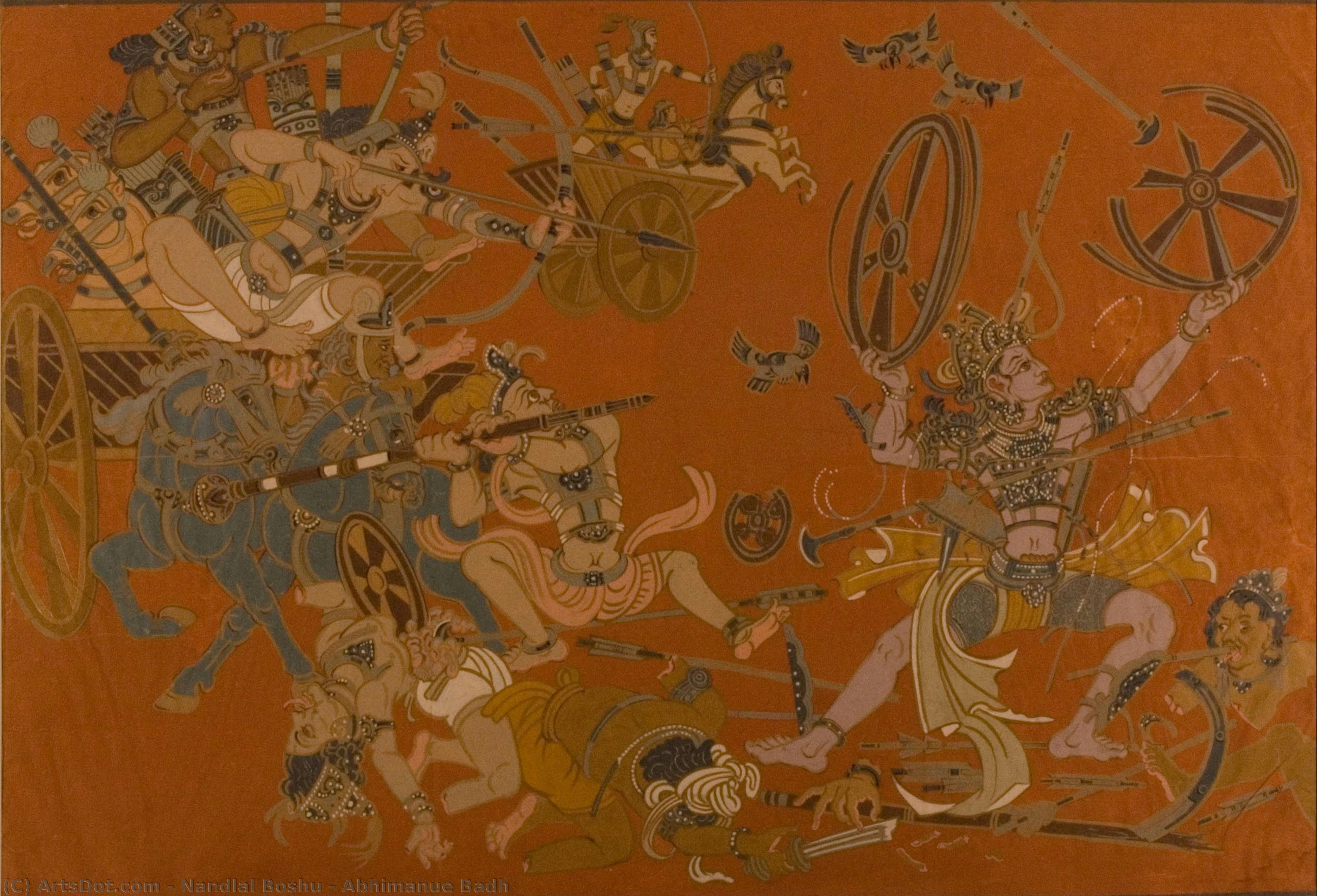
Abhimanue Badh
 Indo-Islamic Style
 1947
1947- Modern
 1790.0 x 1300.0 cm
 Galleria Nazionale d'Arte Moderna
 Leggi tutto
Giclée / Stampe d'arte
Stampa giclée o su tela di qualità museale, con produzione rapida e diverse opzioni di finitura. ( Ordina la riproduzione dipinta a mano Acquista download)




P118B $10

P118H $10

P118W $10

P438Z $10

P508JH $12

P508YH $12

P805H $10

P805Z $10

P919BZ $10

P919G $10

P919XJ $10

P959ZH $10

P968JZ $12

W106C $8

W218G $10

W218JH $8

W218Y $10

W307PJ $10

W316G $10

W316PJ $8

W316Y $10

W398PJ $8

W4111J $10

W500HY $15

W500JH $15

W692G $12

W849H $8

W940BG $15

W953PJ $8




Scegli tra le nostre dimensioni predefinite, che rispettano le proporzioni originali dell'opera d'arte.

È possibile inserire dimensioni personalizzate per adattare l'opera a una cornice o a uno spazio specifico. Se la dimensione selezionata non corrisponde alle proporzioni dell'immagine originale, procederemo al ritaglio dell'opera o all'estensione dell'immagine con un bordo specchiato o a tinta unita. Un mockup digitale ti verrà inviato per approvazione prima dell'inizio della produzione.
Si prega di notare che l'anteprima a schermo non riflette il ritaglio o l'estensione effettivi. Solo il mockup mostrerà accuratamente la composizione finale.
Sebbene siano disponibili dimensioni personalizzate, si raccomanda di selezionare una dimensione dall'elenco predefinito per preservare le proporzioni originali.
Consegna in tutto il mondo () in 2 settimane invece delle normali 4/5 settimane. (21 Agosto)

Spedizione espressa gratuita in tutto il mondo

Tela in lino di alta qualità

Assicurazione completa sulla spedizione

Garanzia di rimborso dei dazi doganali

Garanzia di fedeltà cromatica dell'originale

Politica di reso entro 60 giorni (solo per difetti di fabbricazione)

Garanzia di rimborso al 100%

Sconto per acquisti multipli
 L'opzione vetro è disponibile solo per dimensioni inferiori a 110 cm

Abhimanue Badh
Giclée / Stampe d'arte
Dimensioni della riproduzione
-


Prezzo totale
$ 80
Descrizione del pezzo
A Heroic Tragedy in Gold and Ochre
In the heart of Nandalal Bose’s profound contribution to Indian modernism lies Abhimanue Badh, a work that breathes life into the ancient echoes of the Mahabharata. This masterpiece captures the tragic moment of the young hero Abhimanyu’s demise, an episode defined by both unparalleled bravery and heartbreaking injustice. As one of the most significant figures of the Bengal School, Bose does not merely illustrate a myth; he orchestrates a visual symphony of chaos and courage. The painting presents a dense, kinetic landscape where the boundaries between man and myth blur, inviting the viewer into a swirling vortex of combat that feels both timeless and urgently present.
The composition is a masterclass in controlled chaos. Within a crowded and energetic frame, the artist utilizes a flattened perspective reminiscent of classical Indian mural traditions to emphasize the sheer scale of the struggle. The eye is immediately drawn to the interplay of geometric precision—the sharp lines of spears, the circular strength of shields, and the rotating wheels of chariots—against the fluid, organic forms of the warriors' bodies. This tension between structure and movement creates a rhythmic pulse throughout the piece, ensuring that even in its most crowded moments, the painting maintains a sense of epic grandeur.
The Alchemy of Color and Line
Technically, Abhimanue Badh is an exploration of warmth and intensity. The palette is dominated by a luminous spectrum of oranges, golds, and deep ochres, creating an atmosphere that feels as though it is radiating heat from the very center of the battlefield. This monochromatic warmth serves to unify the disparate elements of the battle, casting a divine yet violent glow over the scene. Bose’s meticulous brushwork achieves a rich, layered texture that suggests the weight of history itself, giving the surface a tactile quality that invites close inspection.
The artist's lineage, deeply rooted in the study of the Ajanta cave murals and Mughal miniature traditions, is evident in his masterful use of line. Every contour of a muscle, every arc of a weapon, is defined with a precision that speaks to his disciplined training at Kala Bhavana. These lines do more than define shape; they direct the emotional flow of the piece, guiding the viewer from the frantic energy of the periphery toward the tragic epicenter of the hero's stand. For the collector or designer, this work offers a profound sense of movement and light that can serve as a commanding focal point in any sophisticated interior.
A Legacy of Cultural Revival
Beyond its aesthetic brilliance, this artwork stands as a testament to the revival of Indian visual identity. Created during a period of immense national transformation, Bose’s work reflects his commitment to a "new visual language"—one that drew strength from India's classical past to forge a modern future. The symbolism of the chariot and the heroic struggle serves as a metaphor for the indomitable human spirit in the face of overwhelming odds. To possess a reproduction of this work is to hold a piece of the soul of Indian modernism, bringing into one's space a narrative of resilience, artistry, and the eternal drama of the human condition.
Biografia dell'artista
Early Life and Career
Nandalal Bose, a titan of modern Indian art, was born on December 3rd, 1882, in Haveli Kharagpur—a location somewhat obscure to Western eyes—one of the more unassuming Bengali families nestled within Munger district, Bihar. His artistic inclination wasn’t nurtured by grand expectations or familial encouragement; rather, it blossomed organically from a childhood steeped in observation and fascination with the craftsmanship surrounding him. Unlike many of his contemporaries who pursued art through formal academies, Bose's journey began independently, fueled by an innate desire to capture beauty and convey meaning. His formative years were marked by exposure to diverse artistic traditions—the intricate carvings adorning temples, the vibrant textiles woven by local artisans, and crucially, the monumental murals of Ajanta Caves. These images served as a profound inspiration, shaping his understanding of storytelling through visual language and establishing a connection with India’s rich cultural heritage. This early immersion in art would prove pivotal in defining his artistic style and worldview. Joining the Calcutta School of Art in 1898 was another transformative step. There, he encountered Abanindranath Tagore—a figure who would become not merely a teacher but an intellectual companion and a catalyst for artistic innovation. Tagore’s influence extended beyond technique; he instilled in Bose a belief that art could serve as a vehicle for reviving classical Indian thought and spirituality—a conviction that resonated deeply with Bose's own sensibilities.Artistic Style and Contributions
Bose’s distinctive “Indian style” emerged from this confluence of influences, blending elements of Persian miniature painting with traditional Bengali folk art. He eschewed academic conventions, prioritizing expressive brushwork and capturing the essence of everyday life—scenes from rural India populated by farmers, artisans, and pilgrims. His canvases pulsated with color and dynamism, reflecting a deep appreciation for the natural world and its rhythms. Notable among his masterpieces are “A Lion” (59 x 63 cm), housed in the National Gallery of Modern Art, New Delhi—a tempera painting that embodies regal dignity and symbolic power—and “Dhol Wala” (59 x 63 cm)—another tempera depiction capturing the energy and spirit of Indian music and dance. Equally compelling is “Pranam” (50 x 55 cm), a serene portrayal of devotion and contemplation, demonstrating Bose’s ability to convey profound emotions through subtle visual cues. His contribution wasn't merely aesthetic; it was intellectual. Bose actively participated in the Gandhian movement, producing iconic linocut prints that powerfully communicated the principles of nonviolence—a testament to his commitment to social justice and artistic activism. Furthermore, he undertook the monumental task of illustrating the Constitution of India—a project that underscored his belief in art’s role as a tool for shaping national identity and fostering civic engagement.Recognition and Legacy
Bose's unwavering dedication to his craft earned him widespread acclaim and recognition. In 1976, he was honored by the Archaeological Survey of India as one of the “nine artists” whose work constituted an “art treasure”—a distinction that acknowledged the enduring significance of his artistic vision. Today, the National Gallery of Modern Art boasts over 7,000 of his paintings—a veritable trove of Indian art history—serving as a beacon for aspiring artists and scholars alike. His influence extended beyond the realm of painting itself. Bose championed the revival of folk traditions and encouraged younger generations to embrace artistic experimentation while remaining rooted in India’s cultural heritage. He was awarded Padma Vibhushan, India's highest honor for achievement in arts, literature or social service—a fitting tribute to a lifetime devoted to artistic excellence and humanist ideals. His legacy continues to inspire artists and thinkers today, cementing his place as one of the most important figures in Indian art history.
Nandalal Bose
1882 - 1966 , India
Informazioni rapide
- Artistic Movement Or Style: Indian Style
- Artists Or Movements Influenced By This Artist: ['Ajanta Caves']
- Artists Who Influenced This Artist: ['Abanindranath Tagore']
- Date Of Birth: December 3, 1882
- Date Of Death: April 16, 1966
- Full Name: Nandalal Bose
- Nationality: Indian
- Notable Artworks:
- A Lion
- Dhol Wala
- Pranam
- Place Of Birth: Kharagpur, India
Articoli correlati

Murales in Cucina e Bagno: L'Eleganza del Design di Alto Livello
Scopri come i murales trasformano cucine e bagni in spazi unici! Consigli di esperti, materiali pregiati e soluzioni personalizzate per un design d'interni di lusso. : arte su misura per il tuo stile.

Tendenze Murali 2024: Dalle Scene Tropicali all'Oro Geometrico, le Scelte Più Gettonate
Scopri le tendenze murali più richieste nel design d'interni! Murales tropicali, geometrici in oro e molto altro. Trova ispirazione e soluzioni personalizzate per il tuo progetto con .
Murales di Design: Come Ancorare un Tema e Trasformare gli Spazi con l'Arte
Scopri come i murales possono trasformare il tuo spazio! Consulenza di esperti, opere d'arte su misura e soluzioni esclusive per interior design di lusso. .
Murali Personalizzati: L'Identità Visiva del Tuo Brand di Design
Crea un'identità visiva unica con murales personalizzati di alta qualità. offre consulenza esperta, design su misura e installazione professionale per hotel, uffici e spazi commerciali.
Trasforma il Tuo Atrio in un'Opera d'Arte: Murales per un Impatto Indimenticabile
Trasforma il tuo atrio in un'opera d'arte con murales personalizzati di alta qualità! Scopri artisti esperti, design esclusivi e soluzioni su misura per hotel e spazi di lusso. : la tua garanzia di eccellenza.


